Arrest of the Son of the Head of the Judiciary's Office with a Government Vehicle and Alcoholic Beverages
The son of the head of the judiciary's office was arrested along with three girls and alcoholic beverages in a government Prado vehicle on the Amol-Haraz road, but with the intervention of local officials, the bottles were destroyed and he was released. This incident has once again highlighted the issue of judicial discrimination and misuse of public property.
ممهران سماواتی نسب26. August 2026 · 17 days ago · 7 min Read time 6,845
In recent days, news was published that the police on the Amol-Haraz road became suspicious of a black Prado vehicle with a private license plate and, after inspecting the vehicle, arrested the son of Zabihollah Khodaeian, the current head of the judiciary's office, along with three girls and multiple bottles of alcoholic beverages.
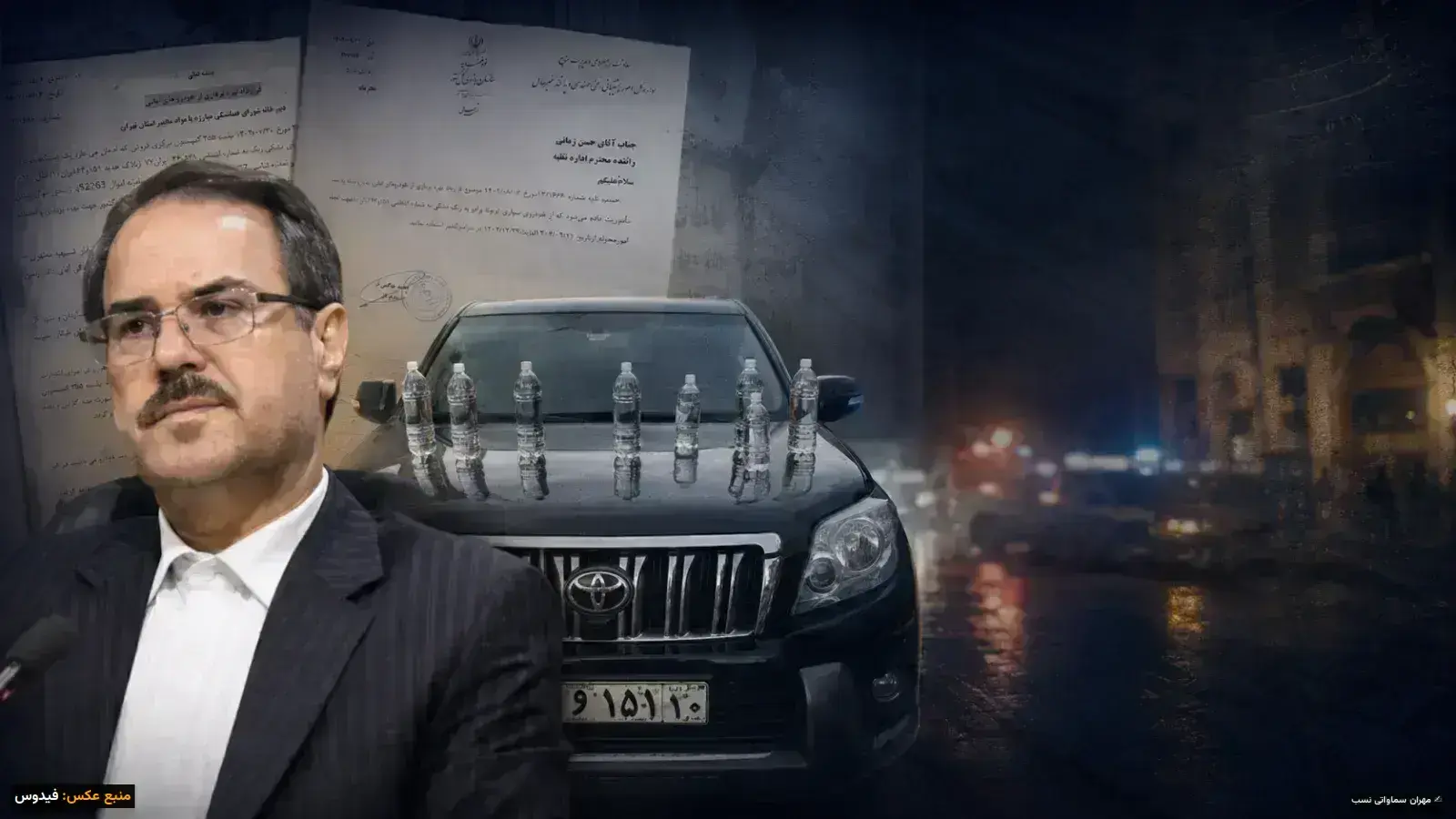
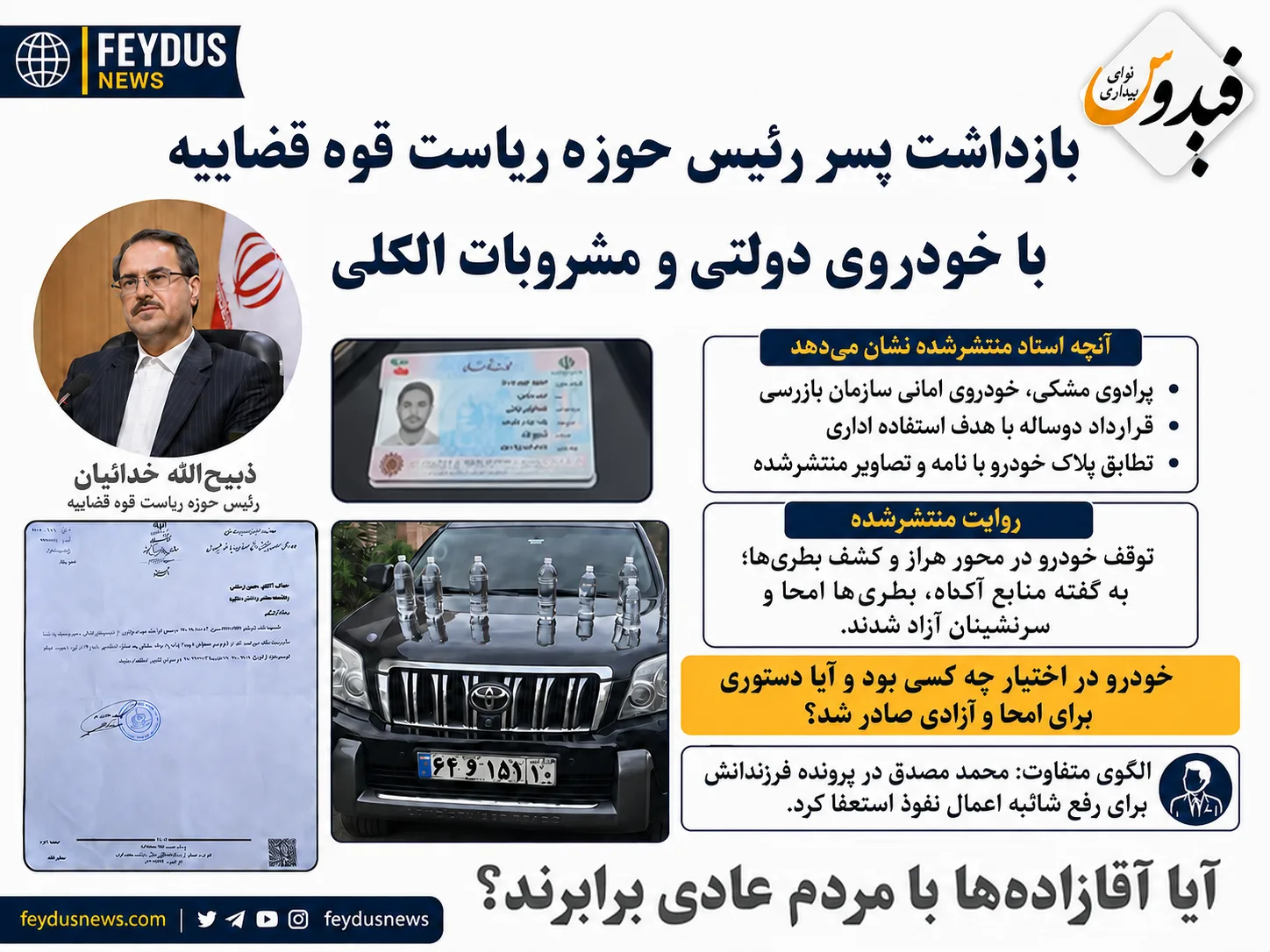
The publication of contracts, administrative letters, and images regarding the allocation of the same Toyota Prado to the General Inspection Organization, along with the news of the arrest of Amirabbas Khodaeian Chegini in this vehicle with alcoholic beverages, has once again raised the issue of judicial discrimination and efforts to deny the corruption of the children of political and judicial officials in the country.
The main issue in this incident is not the potential misconduct of the son of a senior judicial official. The children of officials, like the children of any other citizen, may make mistakes or commit offenses, and they are responsible for their actions unless there is another reason. What makes this case a public issue is the claim of using a government vehicle, intervention to stop the judicial process, and attempts to deny or silence the main issue despite the published documents.
If instead of accepting the potential mistake of the son and allowing independent investigation, administrative positions were used for his release, destruction of evidence, or removal of the issue, then it is no longer a personal offense. Such behavior spreads the feeling of discrimination in society and reinforces the belief that the law is strict for ordinary people and flexible for those connected to power.
A Two-Year Contract for Organizational Use
This incident goes beyond a moral corruption offense when we see documents showing that this vehicle was received at the request of Khodaeian during his presidency of the General Inspection Organization from the Drug Control Headquarters for supervision and inspection by the oversight body.
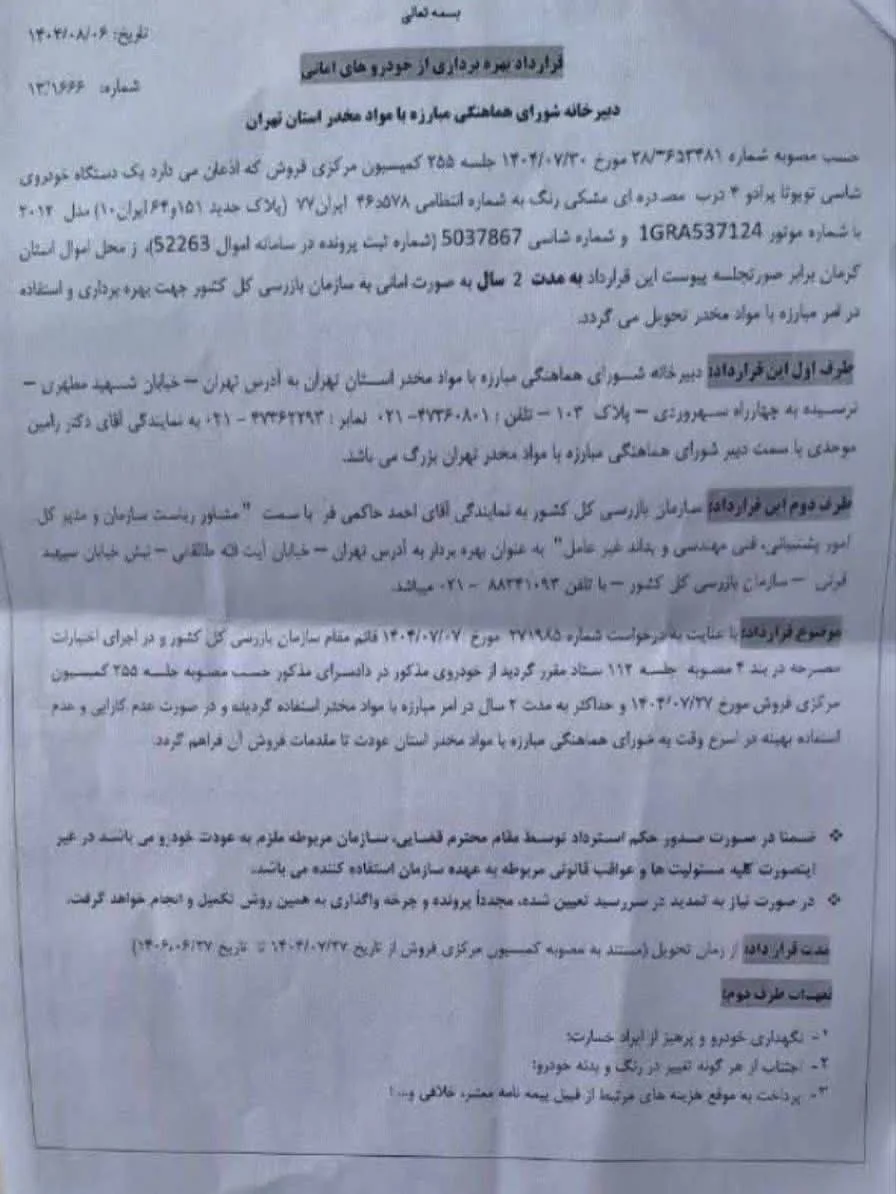
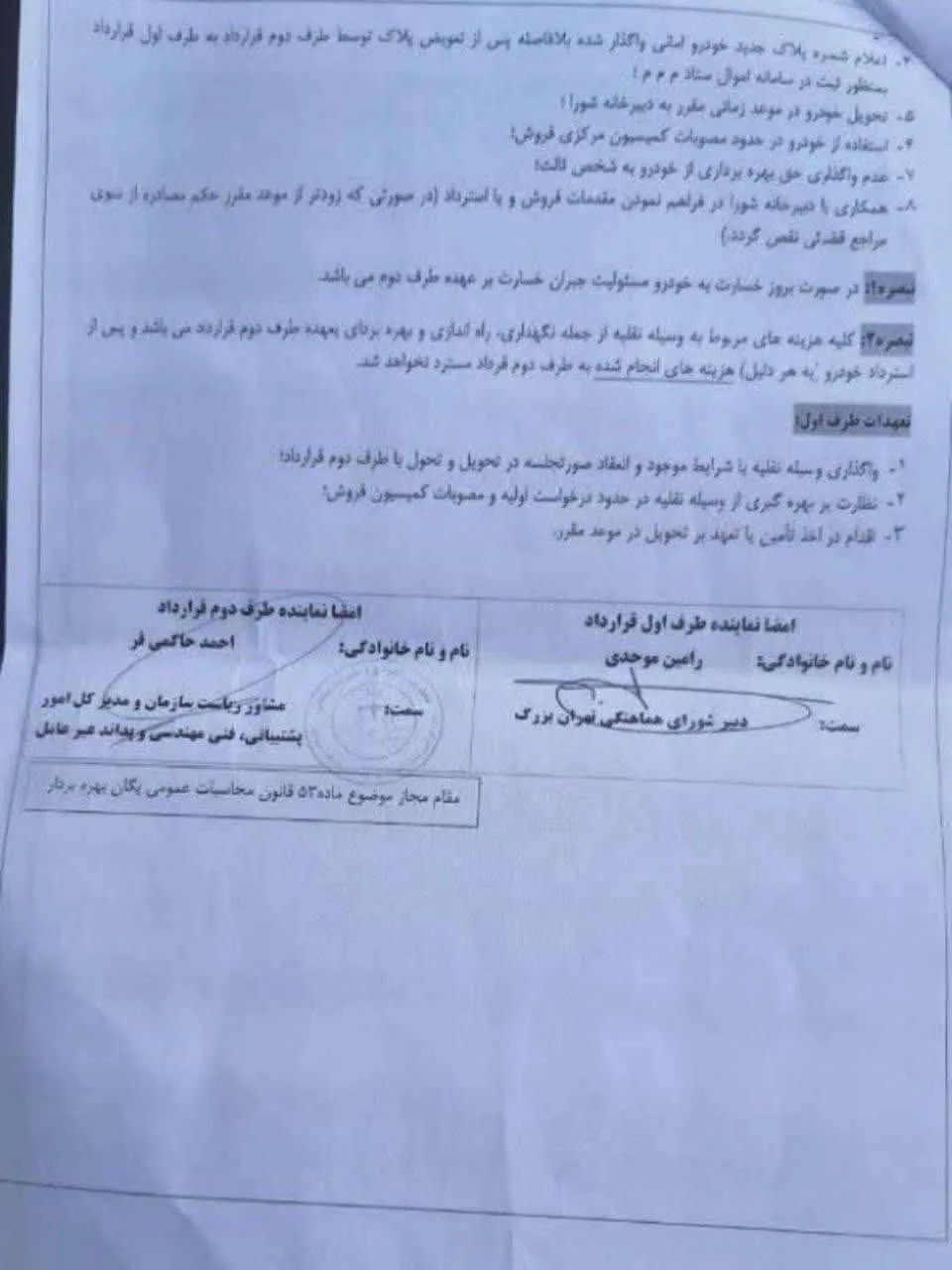
In a version of the "Contract for the Use of Government Vehicles" between the Tehran Province Drug Control Coordination Council's office and the General Inspection Organization, dated October 28, 2023, it is explicitly stated that a black 2012 Toyota Prado was delivered for two years for administrative use by the Inspection Organization.
In the contract text, the Tehran Province Drug Control Coordination Council's office, represented by Ramin Mohaedi, the council's secretary, is the first party, and the General Inspection Organization, represented by Amin Ahmad Khakifar, the president's advisor and director general of technical and engineering support and passive defense, is the second party.
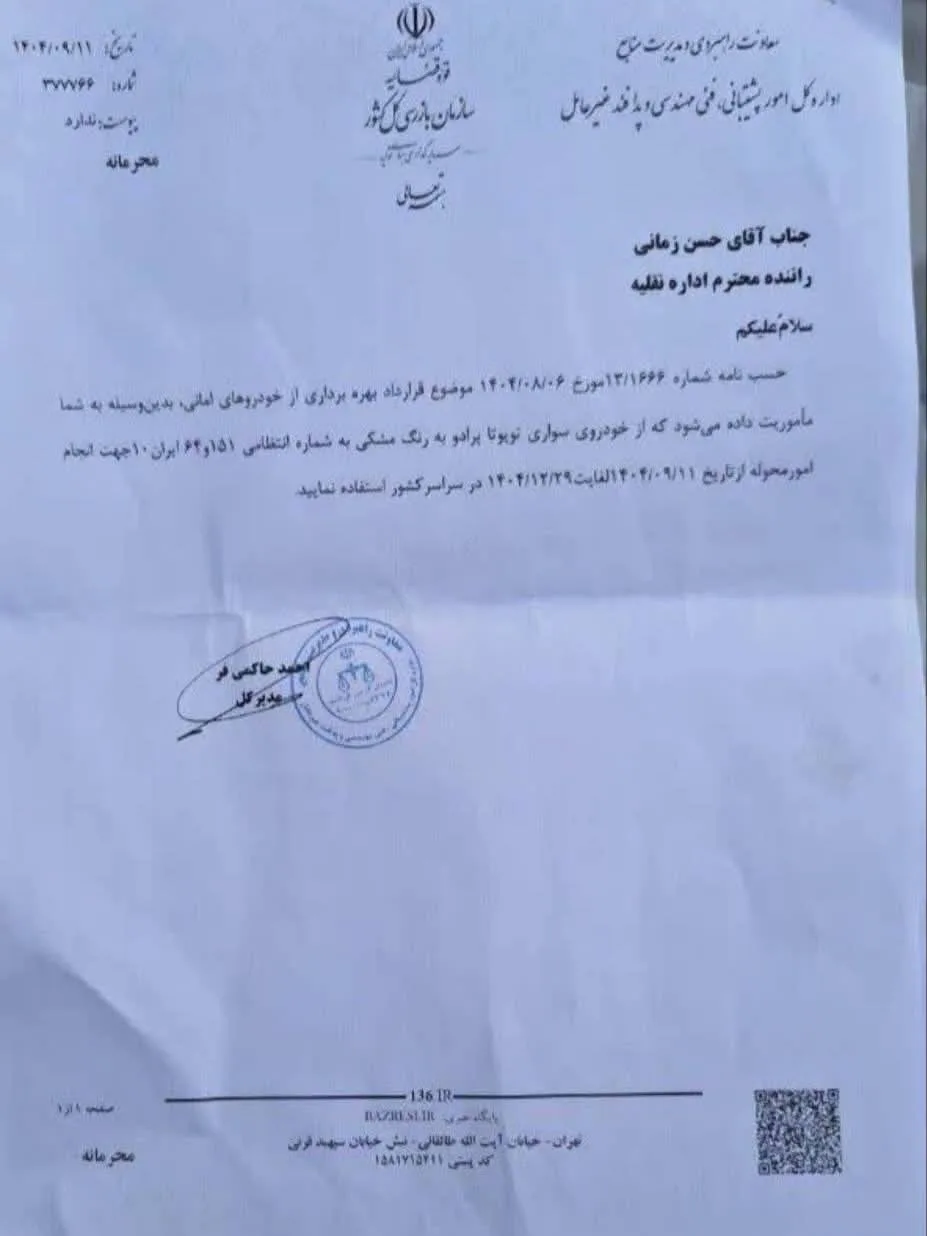
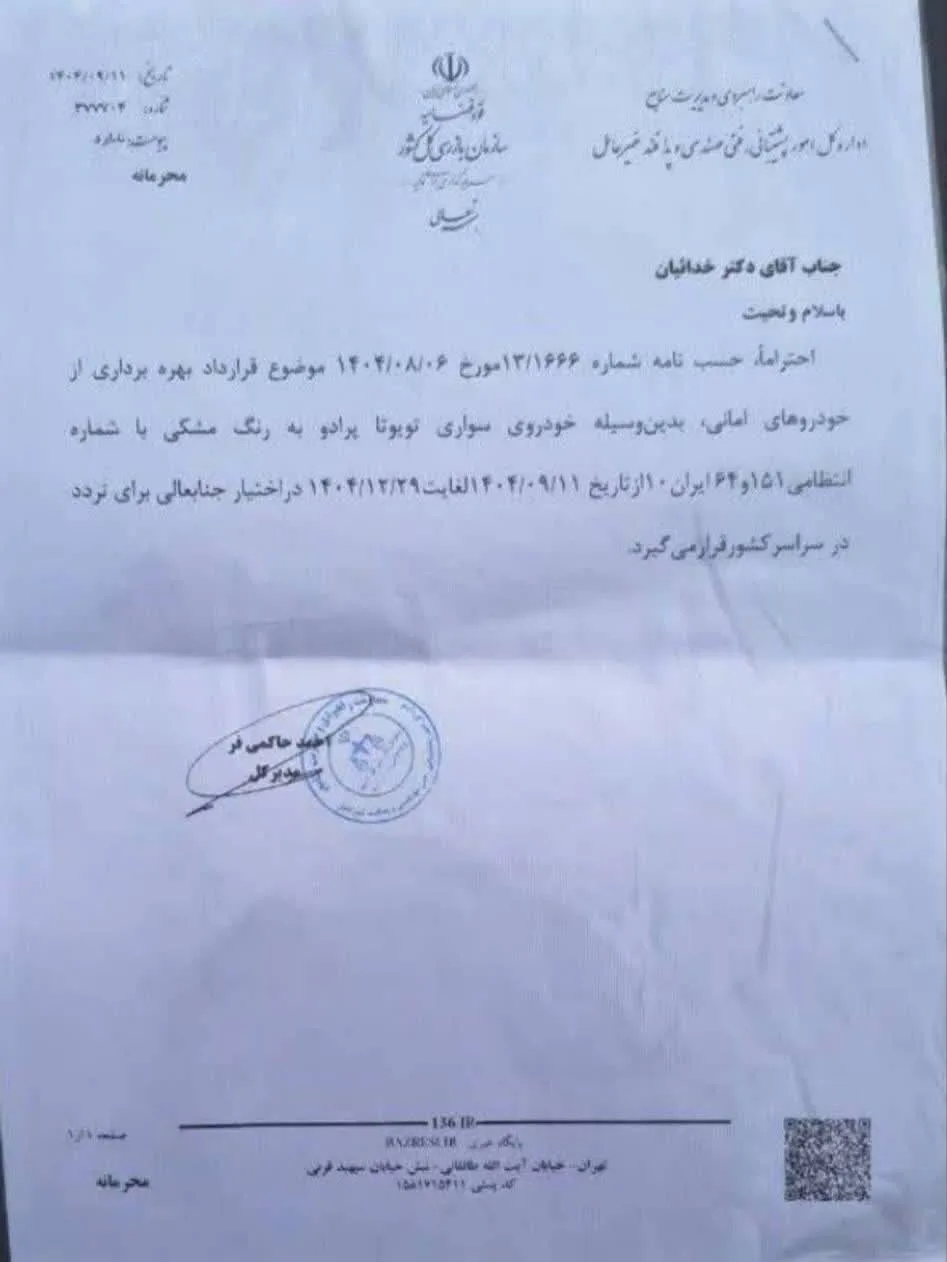
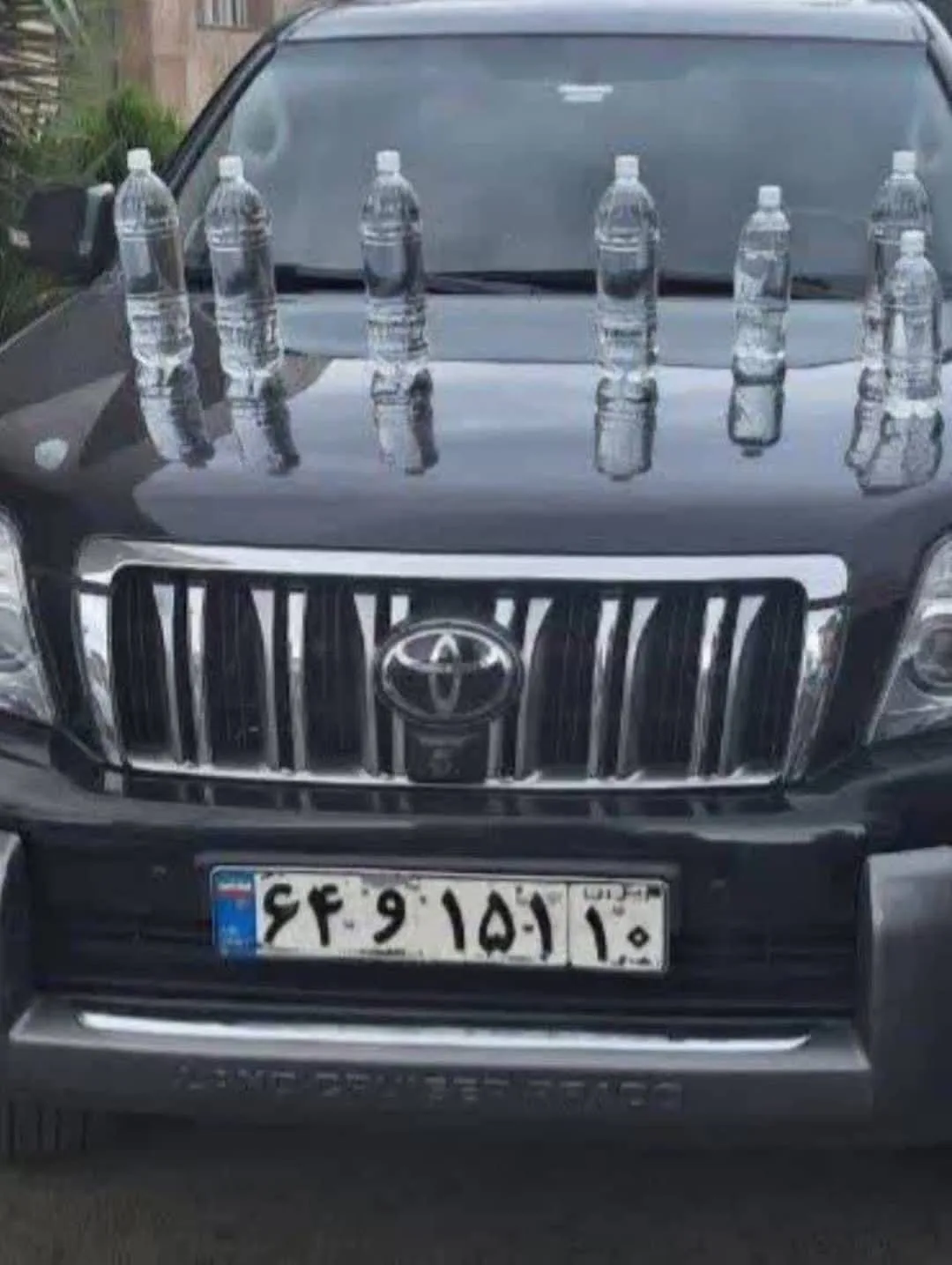
The specifications listed in the contract match the vehicle seen in the images. In the document, the vehicle's registration number "Iran 10-151 and 64" is recorded, and the same license plate is seen on the published black Prado. The chassis and engine numbers are also listed in the contract.
According to the contract terms, the Inspection Organization was responsible for keeping the vehicle in a safe place, paying operating and repair costs, and using it within organizational missions. Therefore, if this vehicle was used by the family members of the then president of the organization, the manner of its removal from the administrative cycle and personal use of the entrusted property should be investigated.
Two other letters also show that this Prado was defined within the organizational missions. In one letter addressed to Hossein Zamani, permission to use the vehicle for "assigned tasks" across the country was issued. In another letter, directly addressed to "Dr. Khodaeian," permission for the use of the same vehicle for administrative missions was granted.
Order to Destroy the Bottles to Reduce the Crime of Khodaeian's Son
According to evidence, at the time of the vehicle's seizure, this Prado was in the possession of the Khodaeian family and his son, Amirabbas Khodaeian Chegini, born in August 2005. According to this account, on June 3, 2026, the vehicle was stopped by police with Amirabbas Khodaeian and several young women in the Haraz road and Amol area, and officers discovered several bottles of alcoholic beverages during the inspection.
An image has also been published showing a Prado with the same license plate and eight transparent bottles arranged on its hood. This photo shows the presence of the vehicle and the bottles.
Local informed sources revealed that after the vehicle was stopped, Zabihollah Khodaeian got involved, and with the intervention of the Amol prosecutor, the bottles were destroyed on-site, and his son and companions were released.
Four Official Questions to Khodaeian
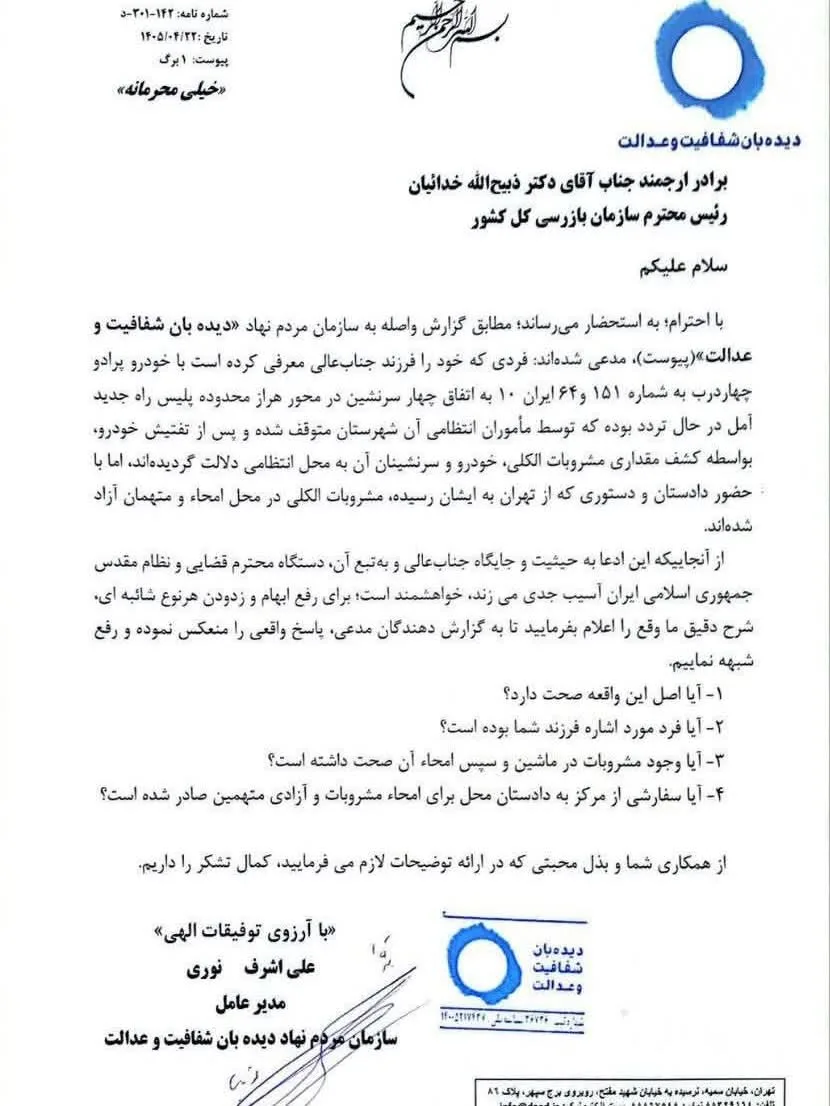
The importance of the incident increased with the publication of a letter from the "Transparency and Justice Watchdog." This letter, classified as "Highly Confidential" and dated July 14, 2026, was addressed to Zabihollah Khodaeian.
The letter states: "An individual claiming to be Khodaeian's son was traveling with four passengers in a Prado with license plate Iran 10-151 and 64 on the Haraz road, and after the vehicle was stopped and inspected, some alcoholic beverages were discovered." The letter's author also raised claims of the prosecutor's presence, orders from Tehran, on-site destruction of the beverages, and the release of individuals, asking four specific questions: Is the incident true? Was the individual mentioned Khodaeian's son? Is the discovery and subsequent destruction of the beverages true? And was there an order from the center for the destruction of the bottles and the release of the suspects?
This letter shows that the issue was so clear and detailed that an organization claiming transparency formally requested a response. In the case of Khodaeian, who was recently promoted from the Inspection Organization to the position of head of the judiciary's office, other issues of family corruption are also seen. Receiving a Pardis housing unit in his wife's name with a special discount of about one-third of the price and exerting pressure on the Ministry of Roads for this allocation is another issue raised.
Additionally, some media previously claimed that a villa attributed to the Khodaeian family in Damavand was allocated to this judicial official with extensive costs imposed on natural resources.
Resignation of Mohammad Mosaddegh; A Different Model
The judiciary had previously faced a similar case in terms of potential conflict of interest. In 2023, two children of Mohammad Mosaddegh Kahnemouei, then First Deputy of the Judiciary, were arrested in connection with economic corruption charges and influence peddling. Mosaddegh did not deny the case and did not claim that the news was a conspiracy to destroy him.
He resigned from the first deputy position of the judiciary in March 2023, writing that he was stepping down to prevent any suspicion of influence or impact on his children's case. Mosaddegh emphasized that he had not contacted the judges and those handling the case. Mohseni Ejei also accepted the resignation, despite emphasizing that his presence had no impact on the case's progress.
From Azgol Garden to the Government Prado; Denial Does Not Solve the Issue
In contrast, the way Kazem Sedighi, the then Friday prayer leader of Tehran, handled the Azgol Garden case is an example of the destructive effects of denial. After documents were published transferring about 4,200 square meters of land from the complex under his trusteeship to a family institution, Sedighi announced that he was unaware of the matter and that his signature had been forged. Subsequently, reports of his signature and fingerprint on the transfer documents were published, and this contradiction increased public doubts.
The Khodaeian case cannot be answered with silence or general denial. Zabihollah Khodaeian is now the deputy head of the judiciary and the head of the judiciary's office; a position that doubles the sensitivity of potential influence.
The attempt by this judicial official to deny a reality about which contracts, letters, license plates, and images have been published, without providing documented answers, is considered an insult to public intelligence and increases doubts about the lack of judicial justice. The judiciary must announce who had the vehicle on the claimed day, whether a report was filed with the highway police or Amol prosecutor's office, what the contents of the bottles were, and whether there was an order to destroy them and release the occupants.
Answering these questions is a defense of the judiciary's credibility. Silence and removing the issue only increase the gap between society and an institution whose most important asset should be public trust.