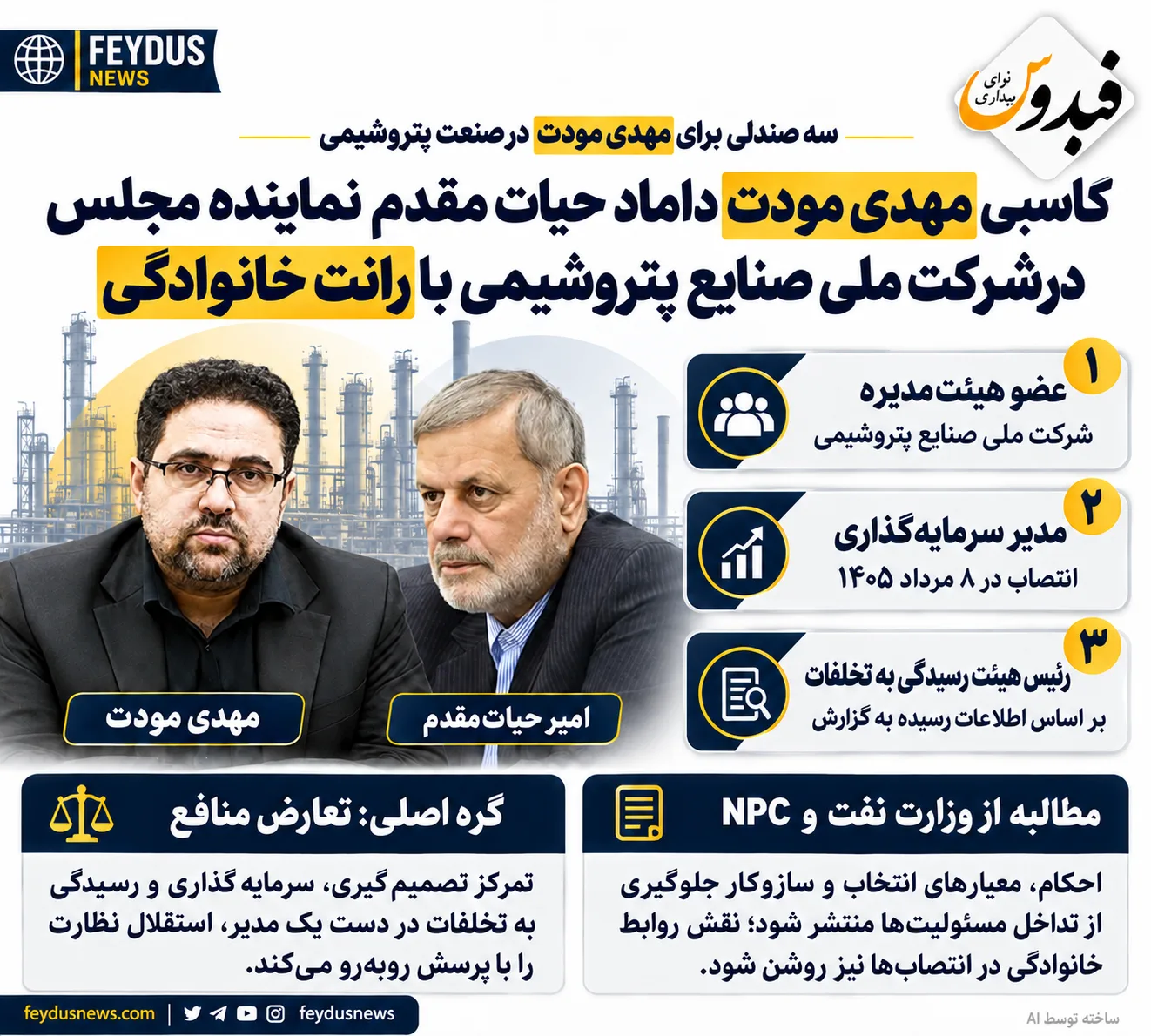
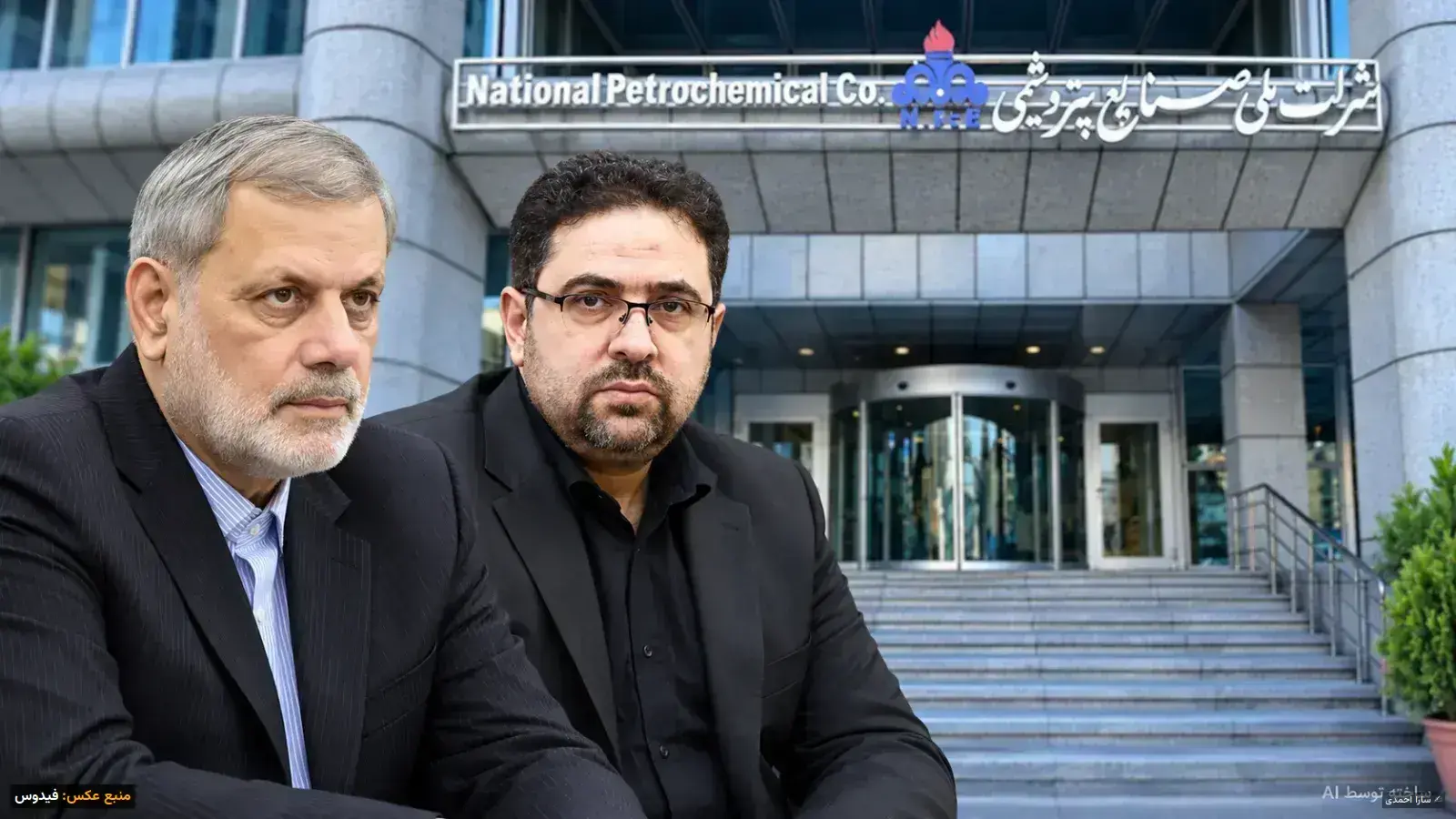
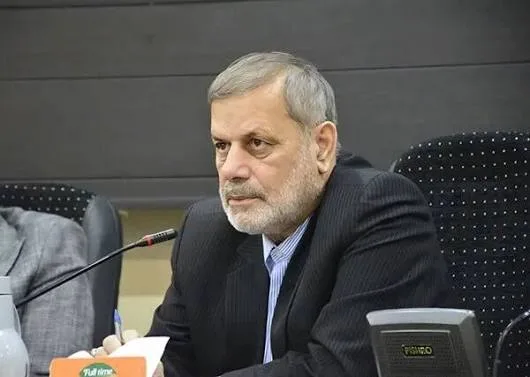
Mehdi Moddat's appointments in the National Petrochemical Company of Iran, especially reports about his position at the head of the disciplinary board, have raised questions about the simultaneous concentration of executive, decision-making, and supervisory responsibilities in one of the most important institutions of Iran's petrochemical industry.
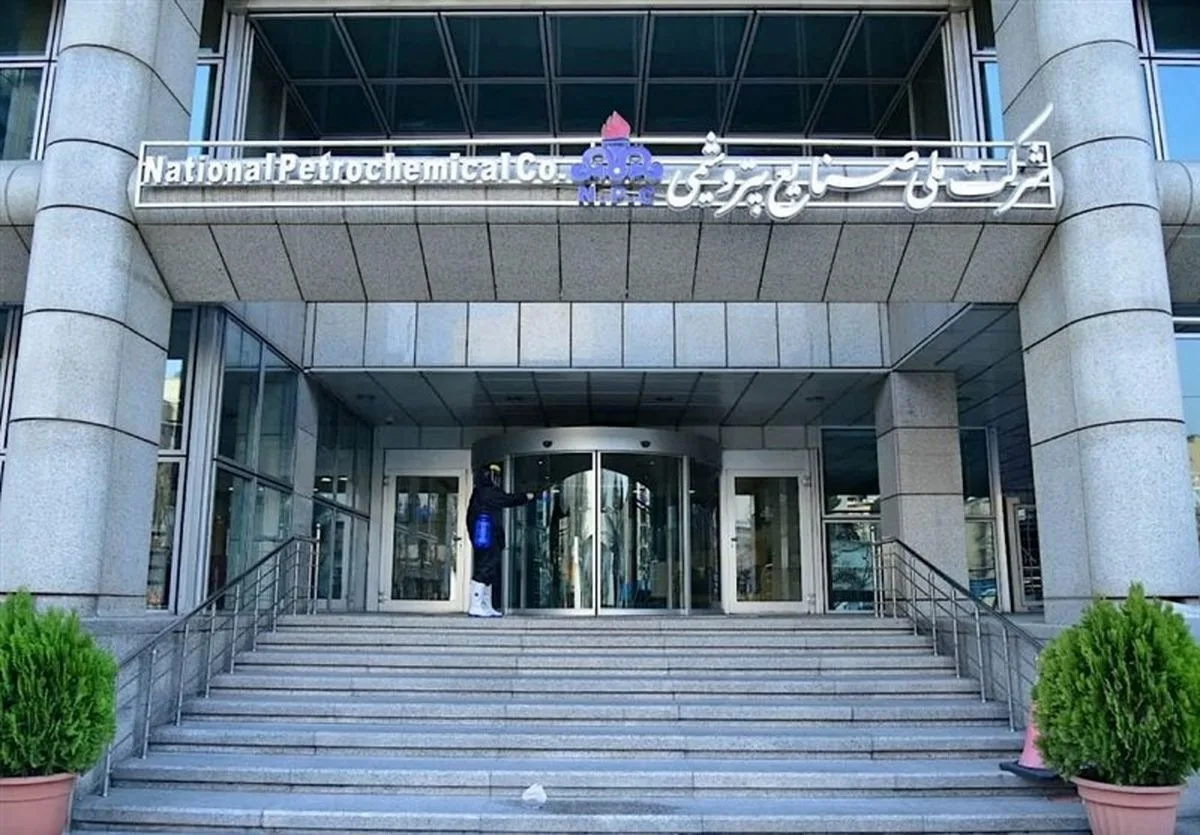
The official website of the National Petrochemical Company introduces Mehdi Moddat as both a "board member" and "investment manager" of this company. Reports on his appointment also indicate that Moddat was appointed as investment manager on the eighth of Mordad 1405 for NPC.
In addition to these two responsibilities, information about Moddat's appointment as the head of the disciplinary board adds another dimension to this set of responsibilities; because such a combination places a manager simultaneously in a position of macro decision-making, investment management, and part of the disciplinary structure.
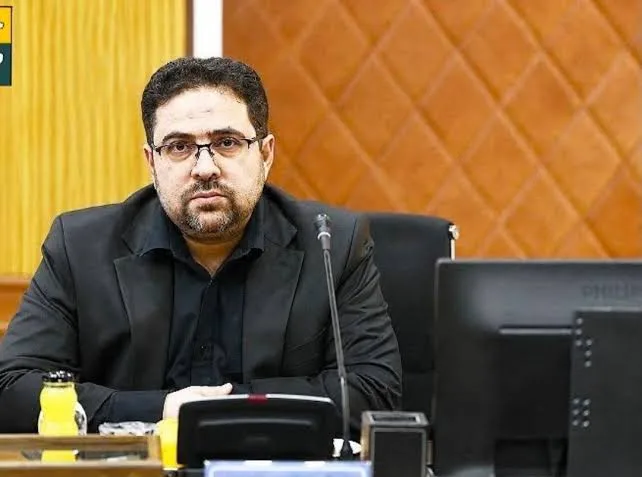
From Board Member to Investment Manager
The issue becomes more sensitive when a manager's executive and decision-making responsibilities intersect with his supervisory responsibilities. According to information published about Moddat's new responsibility, he has also taken over the presidency of the disciplinary board.
Family Relation; A Claim That Has Increased the Sensitivity of the Appointment
Another part of the discussions surrounding Moddat is related to his family relation with Amir Hayat-Moqaddam, the representative of Mahshahr, Omidiyeh, Hendijan, and Bandar Imam Khomeini in the Islamic Consultative Assembly. His appointment as a board member NPC had previously been met with reactions on social media and local media.
The issue that could be subject to public scrutiny is whether Hayat-Moqaddam and his wife Ziba Shabani played a role in Moddat's appointment or promotion within the NPC structure. Clarifying this issue, especially given the sensitivity of the petrochemical industry and its financial and currency resources, could help clarify the ambiguity surrounding these appointments.
Management Change in NPC and Moddat's Rise
Moddat's appointment to investment management occurred at a time when the National Petrochemical Company itself was undergoing a period of management change. Hassan Abbaszadeh, the former CEO NPC, was selected in Tir 1405 to manage the Persian Gulf Petrochemical Industries Holding and Omid Shakeri was introduced as the acting head of the National Petrochemical Company from the eighth of Tir.
About a month later, on the eighth of Mordad, Mehdi Moddat's investment management decree was issued. Shakeri also, on 31 Shahrivar, was officially appointed as Deputy Minister and CEO of the National Petrochemical Company by Mohsen Paknejad, Minister of Oil. Thus, the new management of NPC now faces a question that goes beyond the position of a manager: how is the boundary between executive responsibility, corporate decision-making, and internal oversight defined in this organization?
The Shadow of Corruption Cases on the Issue of Supervision
Sensitivity towards supervisory structures in Iran's petrochemical industry is not without precedent. One of the largest economic cases related to this industry was the case known as the Petrochemical Commercial Company corruption. In the indictment of this case, the financial turnover under review was announced to be about six billion and 656 million euros.
This amount, contrary to some common narratives, did not mean the embezzlement of the entire amount. According to the indictment, the accusations were related to the manner of currency circulation and repatriation from exports, currency transactions, receiving commissions, and acquiring illicit wealth. Some defendants in this case were later sentenced to heavy judicial penalties. This corruption resulted from ignoring conflicts of interest in appointing individuals.
This history underscores the importance of the independence of supervisory structures and the clarity of the boundary between executive managers and disciplinary bodies. In such circumstances, the main issue regarding Moddat is not merely the number of his positions, but the mechanism that is supposed to prevent the overlap of responsibilities and conflicts of interest leading to influence and corruption.
If a board member who simultaneously holds investment management is also the head of the disciplinary board, NPC must clarify what mechanism exists to exclude him from the review process and ensure the independence of the board in cases that directly or indirectly relate to his area of responsibility.
Transparency Test for New Petrochemical Management
Publishing the decrees related to Moddat's responsibilities, the description of the powers of the disciplinary board, and the regulations related to conflicts of interest can resolve a significant part of the existing ambiguity.
The same applies to the role of Amir Hayat-Moqaddam in the path of appointing his son-in-law. If these appointments were made solely based on professional experience and organizational criteria, publishing the selection process and qualification criteria can provide a basis for responding to these criticisms.
Ultimately, the main question for the Ministry of Oil and the new management of the National Petrochemical Company is clear: how can it be ensured that a manager who plays a role in the executive and investment decisions of an organization is not placed in a position within the disciplinary structure of the same organization where he is forced to oversee his own decisions or the area under his management?
The answer to this question can serve as a criterion for measuring the transparency and independence of supervisory mechanisms in one of Iran's most important economic and currency sectors.