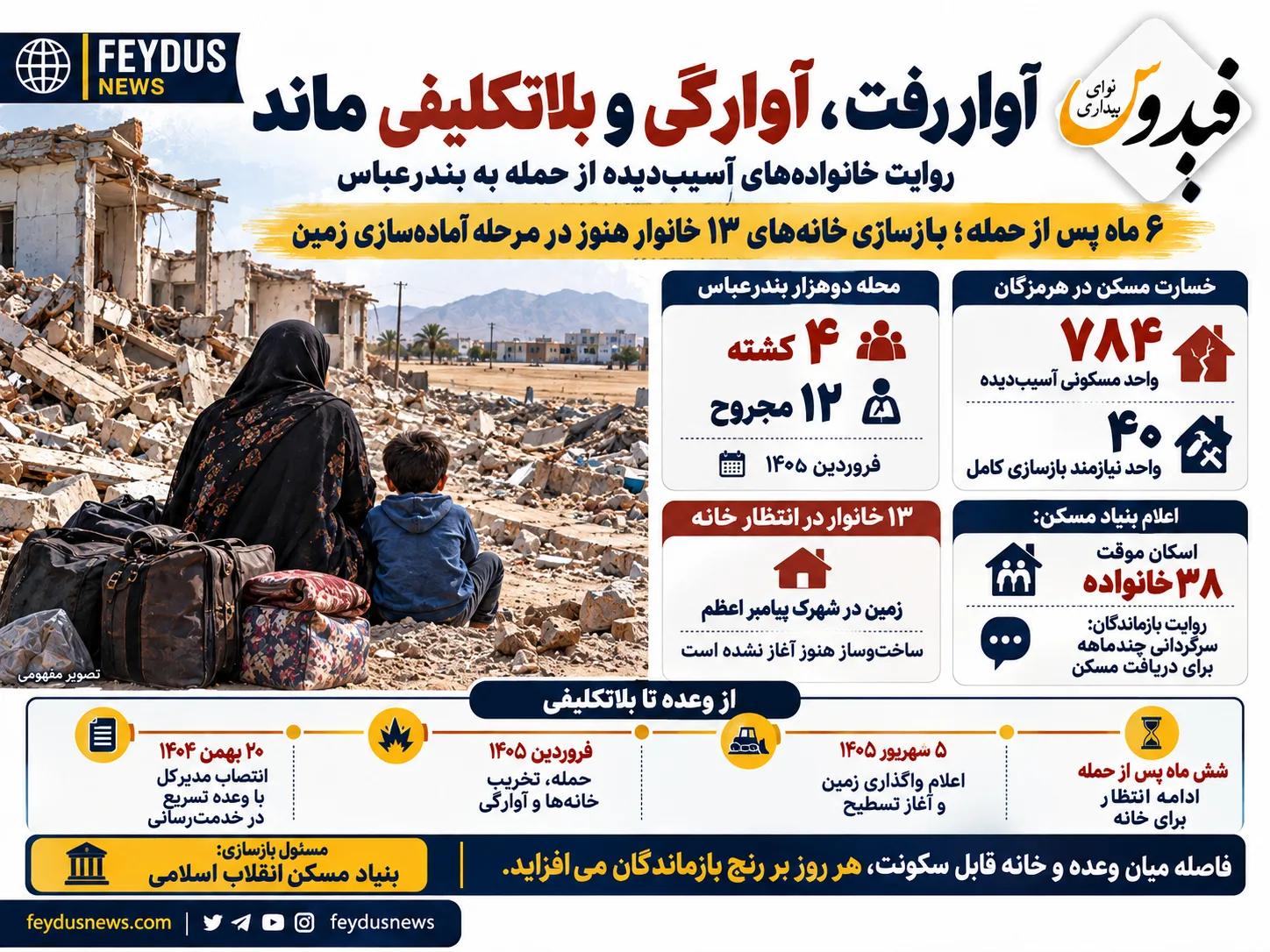
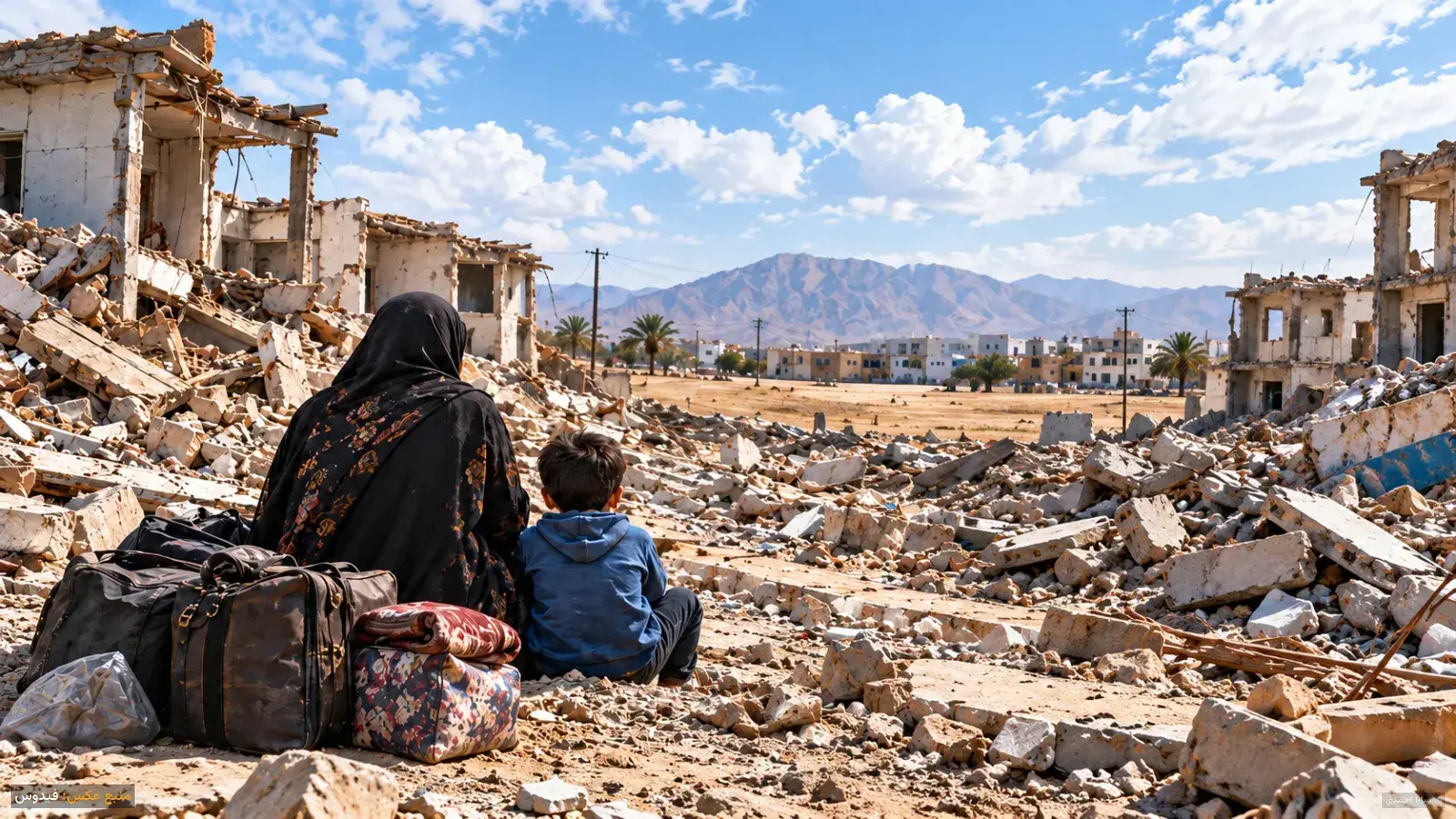
Six months after the deadly attack on the Dohezar neighborhood in Bandar Abbas, the reconstruction project of homes 13 affected families has not progressed beyond the land preparation stage. The repeated promises of officials, in the face of ongoing suffering and the survivors' livelihood problems, paint a bitter picture of irresponsibility and indifference; a situation where judicial and governmental officials distance themselves from accountability by repeating slogans and promises, and affected families continue to bear the cost of their inefficiency and delay.
In April 2026, the attack on the residential area of "Dohezar" in Bandar Abbas left four dead and 12 injured, transforming the lives of dozens of families overnight. Homes were destroyed, belongings were buried under the rubble, and residents were forced to leave their homes. Now, six months after that night, public narratives reveal a deep gap between reconstruction promises and the immediate needs of the survivors.
One of the affected residents says his home and family in the water source area of the Dohezar neighborhood have been "destroyed"; his mother has died, and his belongings and car remain under the rubble. He also reports on the uncertainty of the affected families and their "months-long wandering" to receive housing.
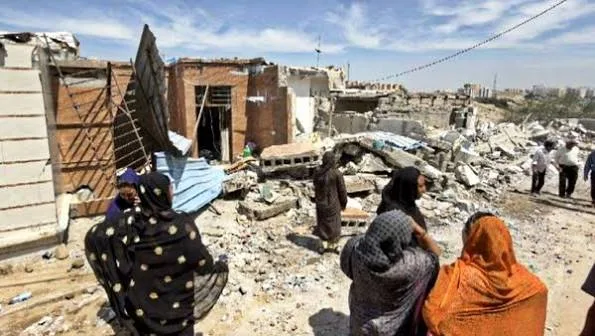
An Underprivileged Neighborhood, a Deadly Attack, and Changing Statistics
Officials in Hormozgan province initially reported one dead and seven injured shortly after the attack. However, the official statistics quickly increased to four dead and 12 injured, revealing the extent of the casualties in the residential area.
The Deputy Governor of Hormozgan announced that the impact site was "completely residential." However, the claim of no military installations or equipment in the area contradicts the presence of military equipment in the urban water and sewage facilities, located in the water source area.
The Dohezar neighborhood is one of the underprivileged areas of Bandar Abbas; a neighborhood with adobe houses, a worn-out structure, and alleys highly vulnerable to the blast wave.
From Immediate Promises to Slow Reconstruction
The responsibility for rebuilding the destroyed homes was assigned to the Housing Foundation of the Islamic Revolution. Only a few days after the attack, the director-general of the Hormozgan Housing Foundation announced the formation of a "special task force" and stated that 38 families had been temporarily housed. However, the statistics and reports published in the following months, along with the families' narratives of continued uncertainty, present a different picture of the response process.
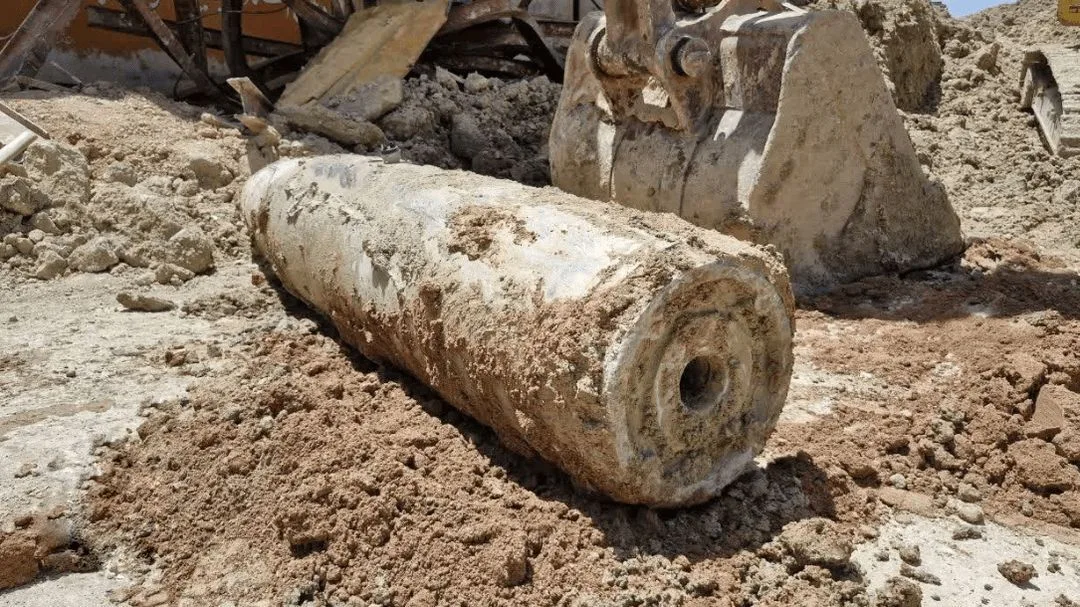
On April 27, the Housing Foundation announced that hundreds of residential and commercial units in Hormozgan were damaged. Subsequent statistics reported 784 residential units damaged and 40 units in need of complete reconstruction. The changing announced statistics, without providing clear and documented explanations about the extent of the damage and the evaluation process, raise serious questions about the accuracy of information dissemination and the transparency of responsible institutions' performance. Such ambiguities in similar crises have also challenged public trust in official narratives.
Despite the extent of the damage, it was only announced on September 5, 2026 that the land required for building new homes for 13 families in the Dohezar neighborhood had been allocated in the Payambar Azam township. The same report stated that the Foundation's machinery was "busy leveling and preparing the land." Thus, months after the attack, the housing provision project for these 13 families had not yet entered the construction phase.
A Manager Who Came with a Promise of "Acceleration"
The new director of the Hormozgan Housing Foundation was appointed on February 9, 2025, a few weeks before the attack. Upon his appointment, he announced "accelerating service delivery," adhering to the law, and gaining public satisfaction as his management priorities. Now, the reconstruction process of the Dohezar neighborhood homes places the gap between these announced priorities and the Foundation's executive performance before public opinion.
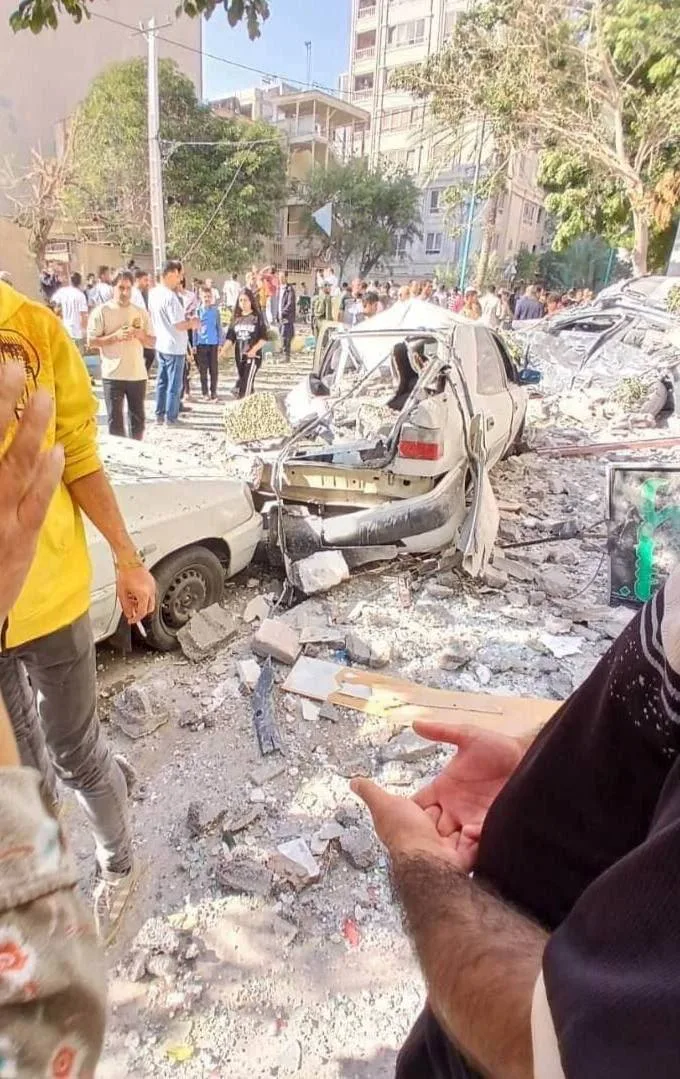
Reconstruction; A Test of Accountability After the War
The Dohezar case has now gone beyond the direct consequences of the attack and has become a matter of the performance of responsible institutions. Four people died, homes were destroyed, and families were forced to leave their homes. Government agencies then promised housing, compensation, and reconstruction; promises that for the survivors meant the possibility of returning to normal life.
However, in the narratives of the affected families, the announced actions regarding temporary housing, damage assessment, and land allocation have not led to practical action. From their perspective, official information dissemination has become more of a promotional function, presenting an image of progress that does not align with the survivors' daily experiences.
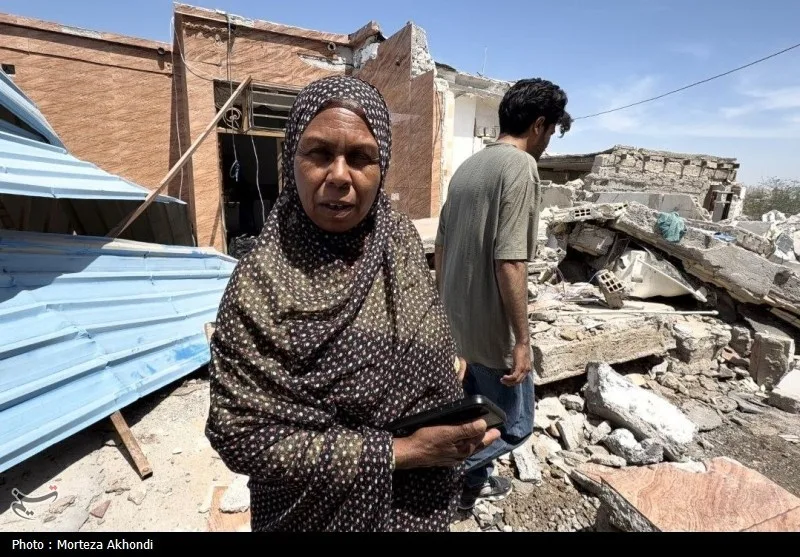
Months after the attack, the reconstruction of homes for these 13 families has not progressed beyond the land preparation stage. For those whose lives were buried under the rubble overnight, the gap between "forming a task force," "allocating land," and delivering a "habitable home" is not merely an administrative gap; this gap is repeated every day as uncertainty, instability, and continued limbo in their lives.
The Dohezar case today is a test for assessing the accountability of the Islamic Republic's institutions after the end of the attacks; a test whose outcome is still unclear, and the survivors continue to bear the cost of delay.