In Bushehr
and Asaluyeh, the social responsibility of oil, gas, and petrochemical industries faces a deep contradiction:
Hundreds of billions of tomans are announced, managers receive honors, and opening ceremonies
are held, yet people still face a lack of medical services, pressure on schools, and
infrastructure problems. The main question is no longer how much semi-public companies talk about helping people; the question is who exactly received the money and what change it has made in public life.
The scale
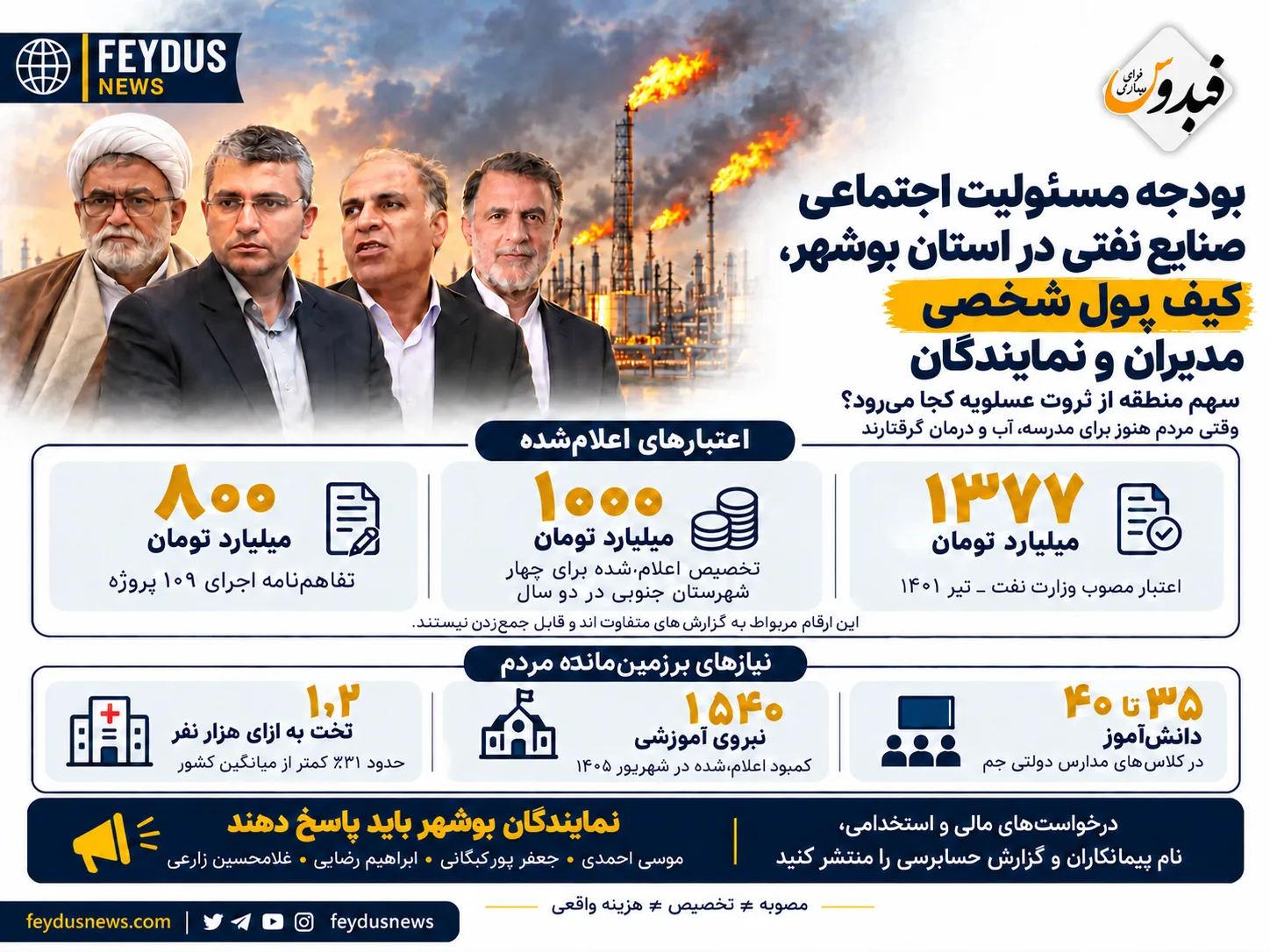
of resources is not small. The then-governor of Bushehr in July 2022 announced the approval of 1,377 billion tomans of social responsibility funds from the Ministry of Oil and announced that
the cash resources of the province's petrochemicals are to increase from 110 to 480
billion tomans. The same report showed that out of the previous year's 110 billion tomans, 80 billion tomans had been allocated. This
difference highlights a fundamental issue: approval, allocation, and actual expenditure are three different stages;
adding them together creates a misleading picture of service delivery.
In
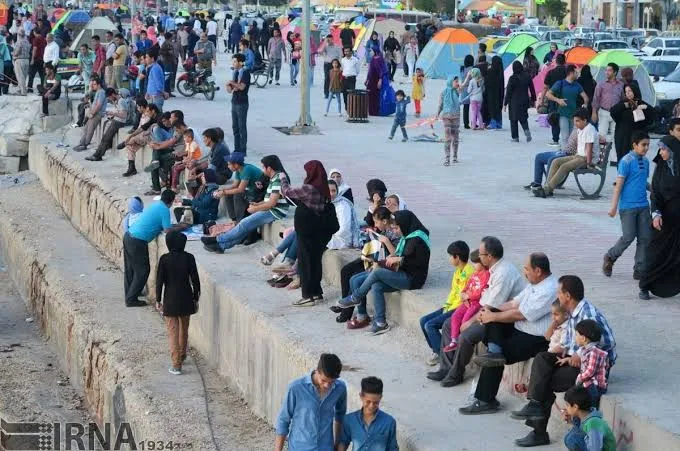
another report, the allocation of one trillion tomans over two years to projects in four southern counties
of the province was announced. Additionally, a memorandum of understanding worth 800 billion tomans for the implementation of 109 social responsibility projects has been published. These figures,
without comparable implementation reports, do not provide a clear answer about the progress and benefits to the people.
Juxtaposing the issue of how the social responsibility budget of the province's industrial companies is spent with the performance of its representatives in the Parliament indicates a networked corruption from the managers of companies based in Bushehr and Asaluyeh and representatives who, according to their representative duties, should be overseeing these budgets.
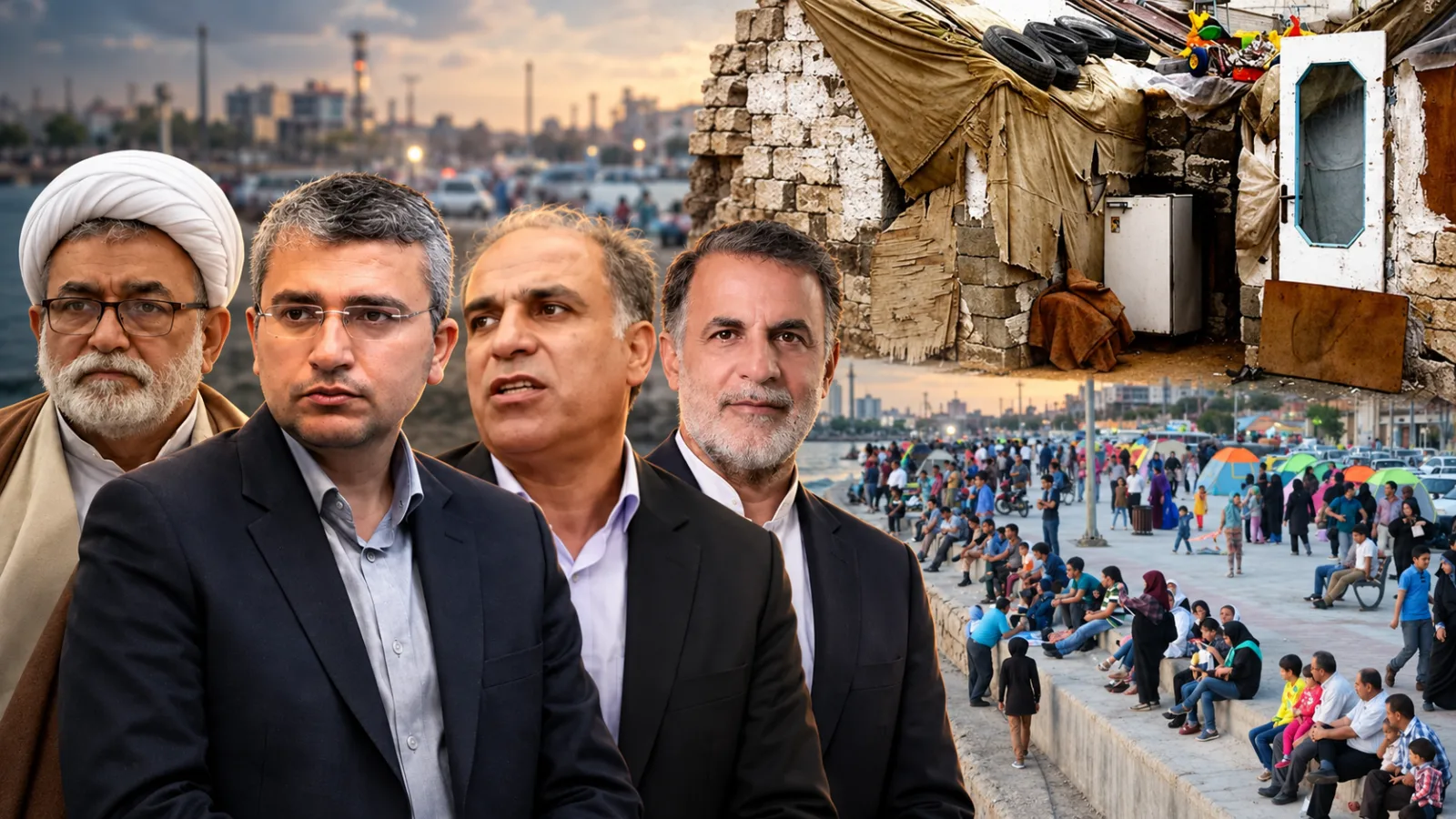
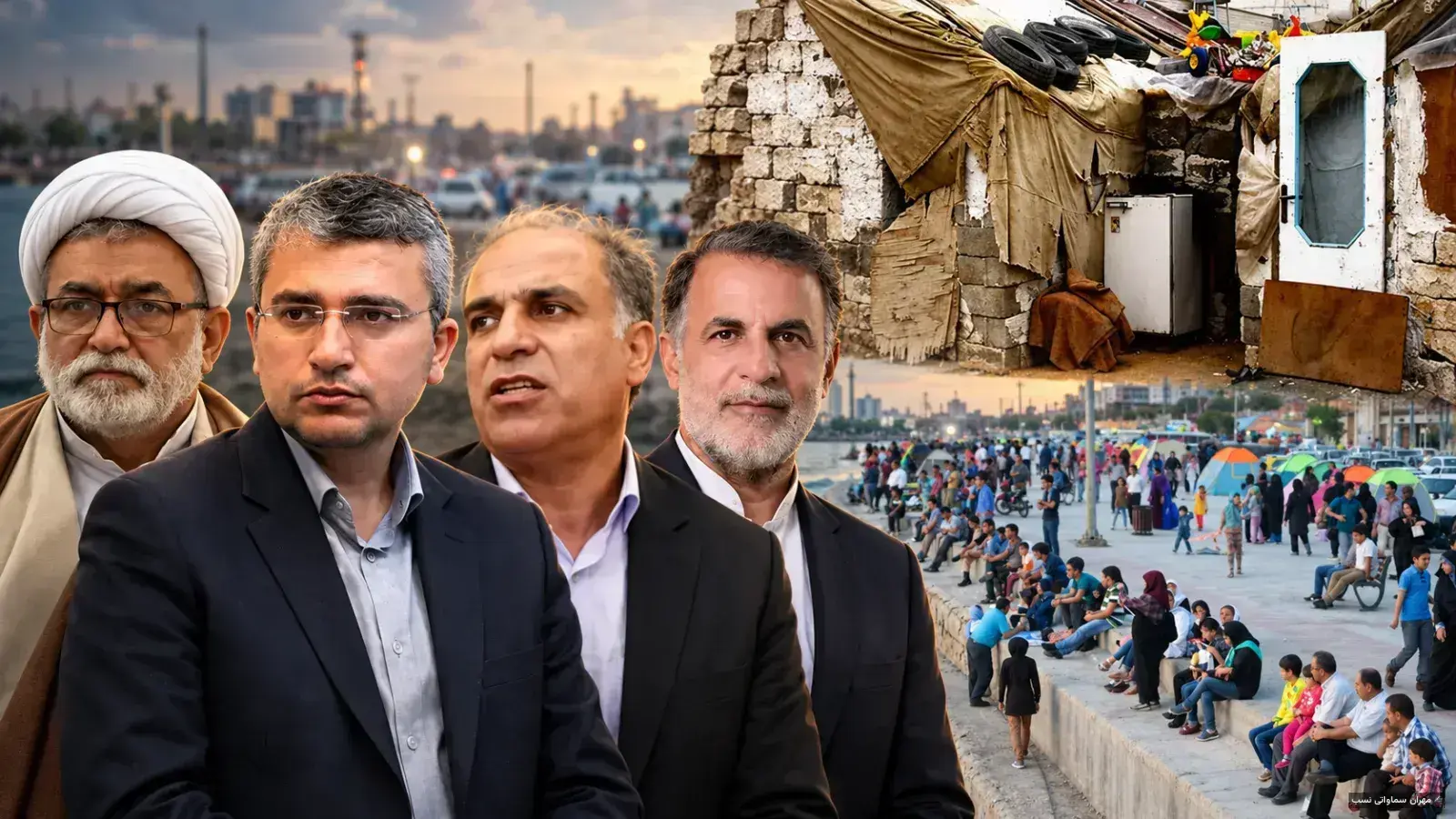
Mousa
Ahmadi, representative of Dayyer, Kangan, Jam, and Asaluyeh; Jafar Pourkabgani, representative of Bushehr, Ganaveh, and
Deylam; Ebrahim Rezaei, representative of Dashtestan; and Gholamhossein Zarei, representative of Dashti and Tangestan
not only need to answer for their oversight of the social responsibility budgets of the industries but also
it should be determined through careful examination what their overt interventions in appointments and introducing contractors
to company managers have brought them from these social responsibility resources.
Among these four, a specific example of Mousa Ahmadi's involvement in the employment process has been published: Feydus News in a report on September 1, 2026, reported his letter to the Persian Gulf Holding to follow up on the employment of a specific individual.
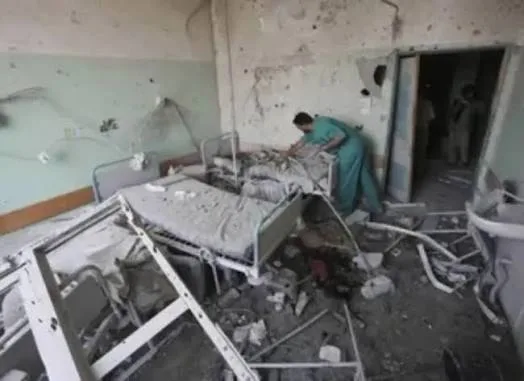
This report raises a serious question about using the position of the head of the Energy Commission to provide exclusive job opportunities; why
should young people without political backing remain in the competition queue, but a specific individual is followed up through the representative's correspondence? Ahmadi also announced in February 2026 the allocation of 300
billion tomans of social responsibility funds from the Ministry of Oil to the Vafaq Road and the appointment of its contractor.
This news demands the publication of the selection process, contract amount, and progress report. Pourkabgani has also earlier denied involvement in the appointment and dismissal of managers; a claim that should be assessed alongside his correspondence and performance. The main issue is the risk of turning a representative from an overseer to a mediator of privilege distribution: when following up on specific individuals' employment, supporting managers, and requesting fund allocation are combined in a political network, oversight independence is compromised and opportunities for favoritism expand. All four representatives should publish their financial and employment requests from industries, project-related proposals, and any potential connections with resource recipients.
The people of
Bushehr have the right to know whether the representatives' influence has been used to reduce deprivation or to
strengthen the circle of supporters; the answer to this question lies in the contracts and accounts, not in electoral
slogans.
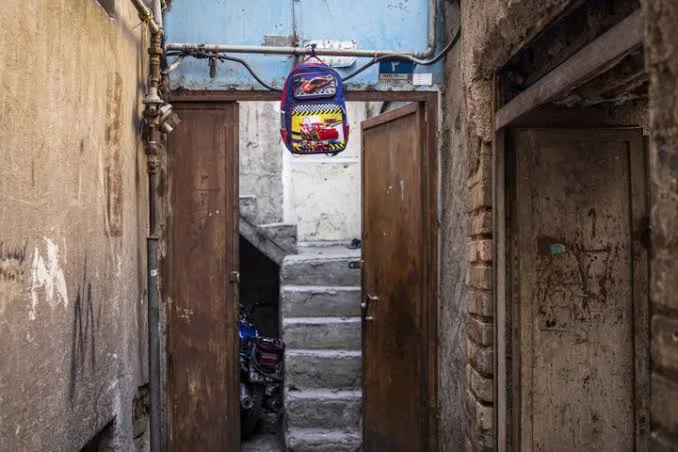
Few Hospitals, Crowded Classes; Plenty of Honors
In contrast to
these credits, the healthcare situation in the province is alarming. The Minister of Health, in published statements,
has announced the hospital bed ratio in Bushehr as approximately 1.2 beds per thousand people, compared to the national average of 1٫75
.. In the education sector, local activists have spoken of
35 to 40-student classes in Jam's public schools, highlighting the gap
between industrial expansion and urban living capacity.
Official
statistics also confirm the issue. The Director General of Education in Bushehr announced in September 2026 a shortage of 1,540 educational staff; a shortage that, according to him,
has been covered by part-time teachers, employed teachers, retirees, and other capacities.
Covering the gap with compensatory measures is different from sustainably providing educational staff.
In
a situation where Bushehr's representatives should be following up on these accounts, the conditions have become such
that these individuals have turned from overseers to intermediaries allocating funds for programs, organizations, or
contractors they support. This situation has led to a conflict of interest, so that the budget, which should fulfill the people's rights, has the potential to become a political breadbasket and wallet for representatives and their affiliates.
The
way to counter this is to publish the representatives' requests, the basis for project selection, the names of contractors, and
independent audit reports. The people of Bushehr should not bear the cost of pollution and industrial pressure
and have their share of the region's wealth be promises and ceremonies. Continuing this gap turns social responsibility
from a commitment to compensate for damage into a cover for reproducing deprivation.