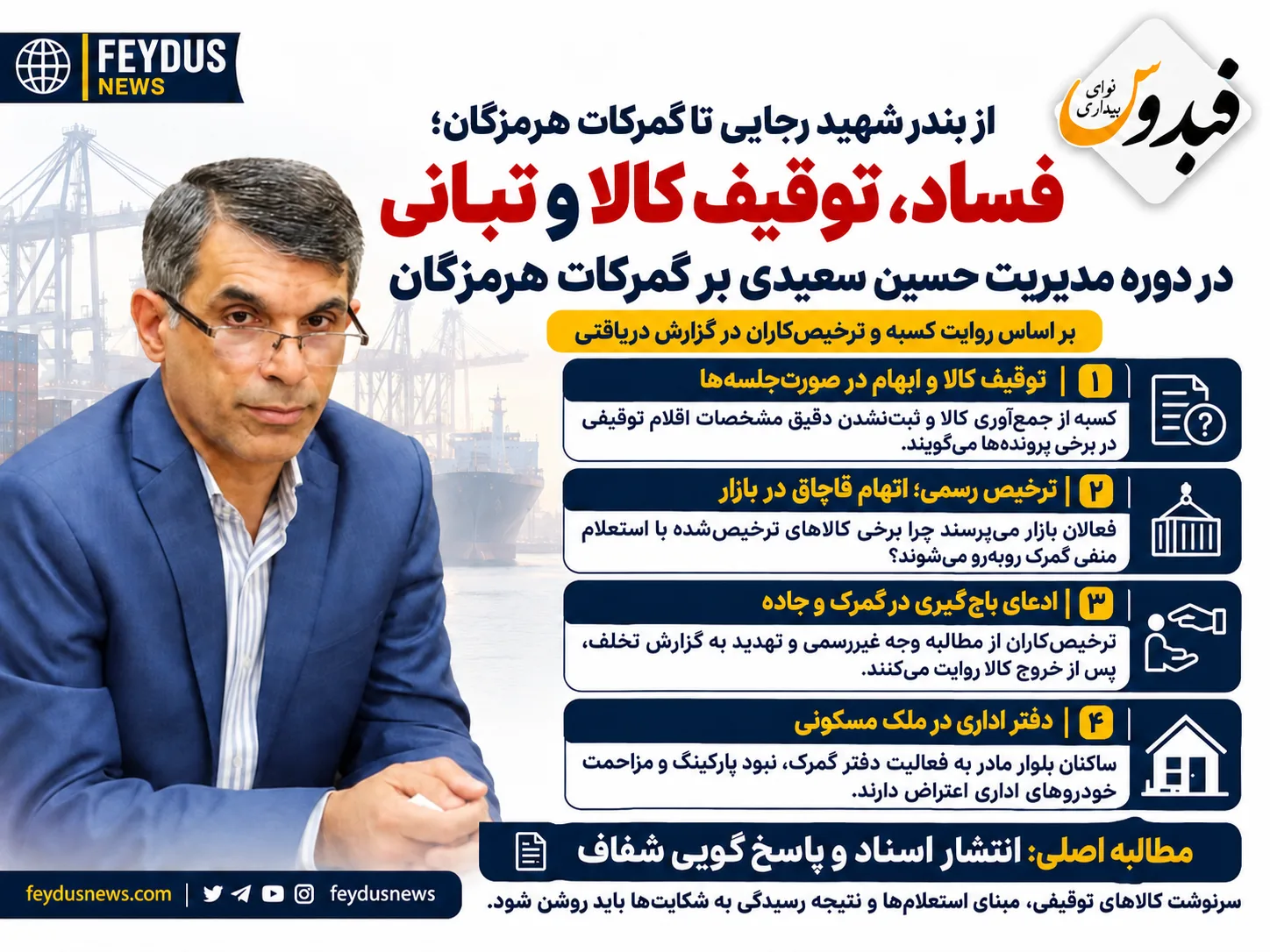
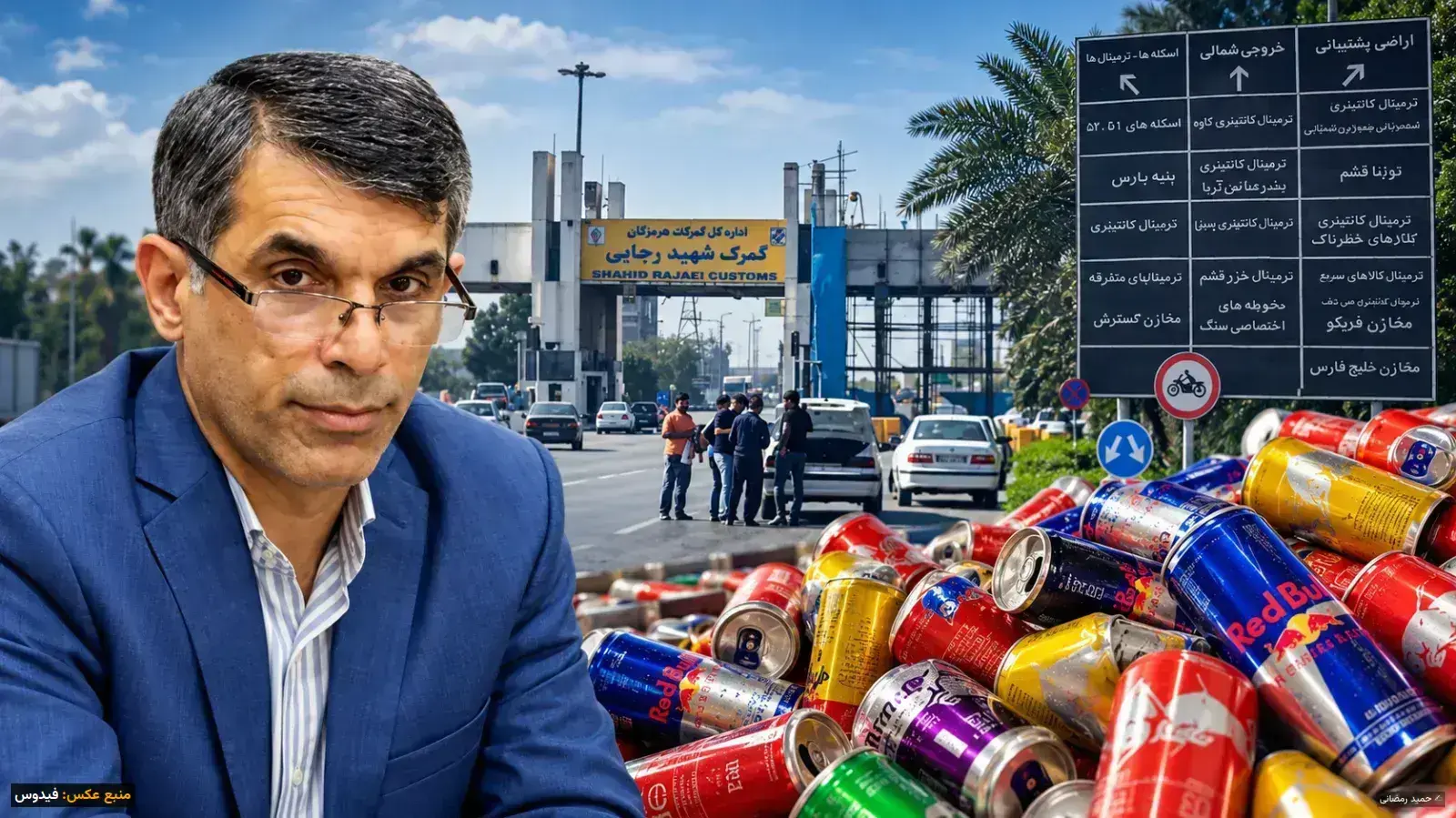
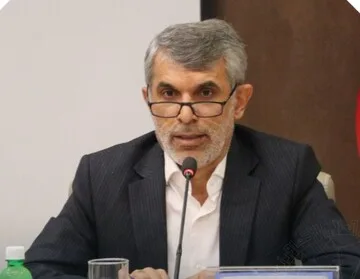
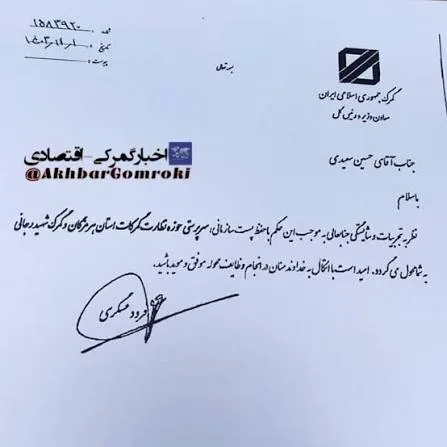
While Hormozgan customs are considered the backbone of Iran's foreign trade, extensive accounts from merchants, customs brokers, and port operators indicate that this organization, under the management of Hossein Saeedi, faces serious issues regarding structural corruption, illegal appropriation of goods, extortion, and opaque collaborations among supervisory units. This report, based on field testimonies, puts the performance of the Director General of Hormozgan Customs at the center of inquiry.
In recent weeks, merchants from Bandar Abbas and Hormozgan wholesalers have provided similar and recurring accounts: Industry and mining inspectors enter grocery stores, collect foreign goods, many of which have previously been cleared through official customs channels, and record the violation as "failure to provide an invoice" or "lack of a label" in the report. However, in cases referred to the disciplinary committee, the names of the seized goods are either not recorded or replaced with a generic title and a false negative customs inquiry.
Merchants say that in some cases, officers take goods for "personal use" or "sale outside legal procedures" and if they protest, they are threatened: "Do you want us to write that we collected smuggled goods? You know customs will also give a negative response and you'll be fined tenfold"
Wholesalers say officers
extort "bribes" from them and if they don't pay, "they load the goods and take them to the warehouse with a negative customs inquiry!" This pattern of behavior, along with the lack of accurate recording of seized goods, presents an image of a cycle of pressure and illegal appropriation that has turned into systematic corruption without deliberate oversight and coordination with customs.
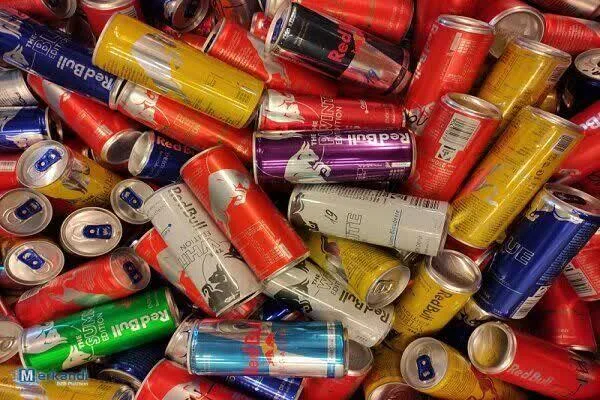
The Big Contradiction; Goods Cleared by Customs but Considered "Smuggled" in the Market!
Bandar Abbas is a border city with a long history of consuming foreign goods; according to accounts from those in the field, "80 percent of the people's consumption goods have always been foreign" and yet, inspectors label some foreign goods as "harmful," "unauthorized," or with the pretext of "having connections with Israeli companies" and collect them.
The key question is:
if a product is "harmful" or "unauthorized," why is the same product imported through the customs clearance or official customs channels? This contradiction directly relates to the responsibility of the Director General of Hormozgan Customs, especially in giving negative inquiries; because he is responsible for overseeing clearance procedures, document verification, and coordination among supervisory units.
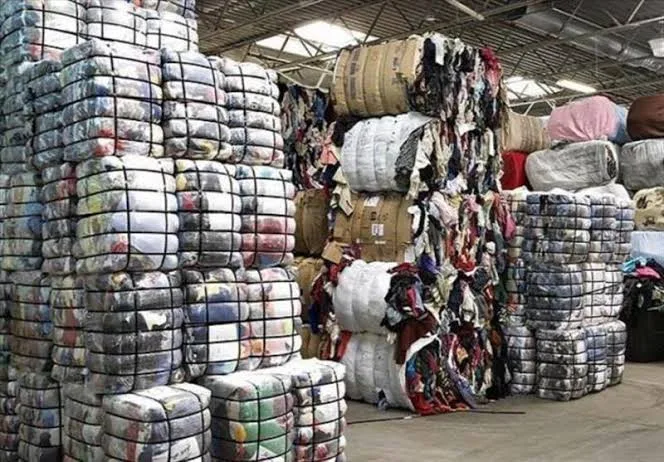
Customs brokers in Bandar Abbas say the pressures do not end at customs. After the goods leave the seven gates of customs, the economic security police stop the cargo on the roads and according to those in the field "they easily say either give us a coin or we will report it".
One experienced customs broker
says: "My father was a customs broker from the old days. This job has been passed down from generation to generation, but now there is no work, customs people from top to bottom are exploiting people. I sold my car, sold my wife's gold to keep my staff, but the extortion never ends to the point that some customs people with direct coordination with Ghorbani, the head of the judiciary, make a billion a day."
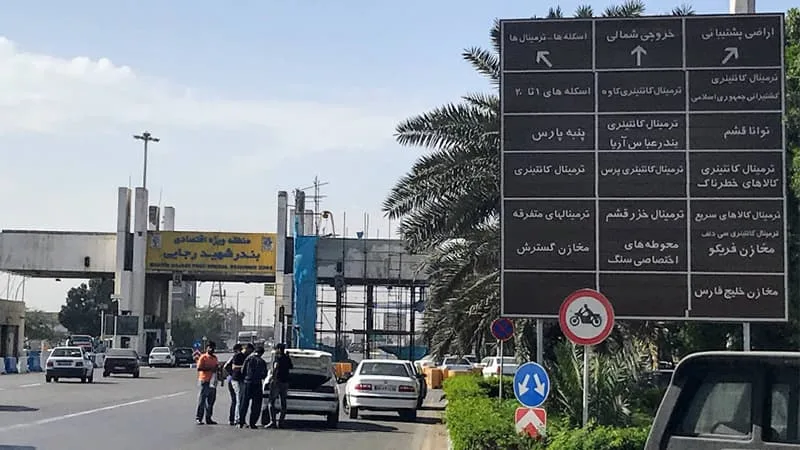
New Customs Office on Mother Boulevard; A Sign of Disregard for Urban Law
Public complaints
about the new customs staff office on Mother Boulevard have also raised new questions.
This office, according to local residents, is located in a residential property and uses the narrow alley as a parking space for official vehicles without having a parking lot, an action that is against urban regulations and causes inconvenience for the residents.
Although this issue is
smaller than the financial corruption cases of the customs manager, it shows that the Hormozgan customs organization is even challenged in adhering to the most basic principles of urban usage with the silence of the municipality; an issue that directly relates to the management of the organization.
Historical Background; Shahid Rajaee Customs and Old Corruption Cases
Shahid Rajaee Customs
has also been involved in corruption cases in the past, for example in the year 2016, Radio Farda reported the summoning of 22 employees of companies contracted with customs in the smuggling containers case.
In the year 2009, Mehr News Agency reported the arrest of Shahid Rajaee Customs employees on charges of receiving unauthorized payments. These cases belong to previous periods, but they show that Hormozgan customs have a long history of facing violations; a history that doubles the necessity for strict oversight and managerial transparency.
Given the volume of organized crimes, the main questions for the Director General of Hormozgan Customs are: What is the mechanism for handling complaints from merchants and customs brokers? Why are the details of seized goods not recorded in some reports, and why does customs provide false negative responses to executive bodies? How is it that goods cleared by customs are considered "smuggled" in the market? What oversight exists over the behavior of officers in review units, exit gates, exports, imports, and transit? What actions have been taken in cases of unofficial payments and extortion?
Hormozgan customs,
as Iran's most important trade gateway, stand at a point where any corruption, pressure, or illegal appropriation directly affects the lives of Bandar Abbas residents and the country's economy. Field accounts of goods appropriation, threats, extortion, and contradictions in clearance procedures present an image of a damaged structure, and until the Director General of Hormozgan Customs clarifies these crimes, the questions will remain; questions that are not answered by denial, but only by providing official documents, independent judicial review, and structural reform.