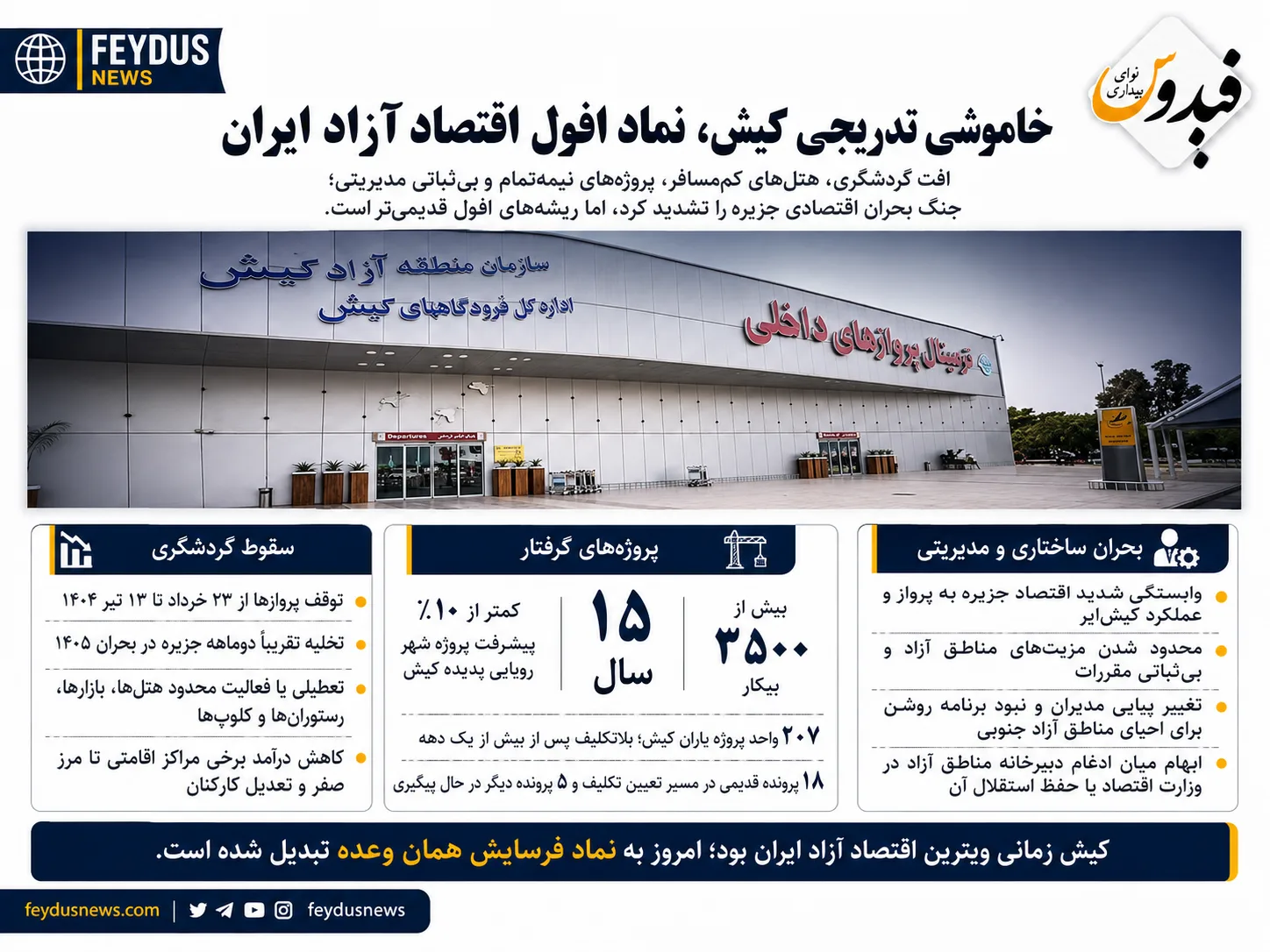
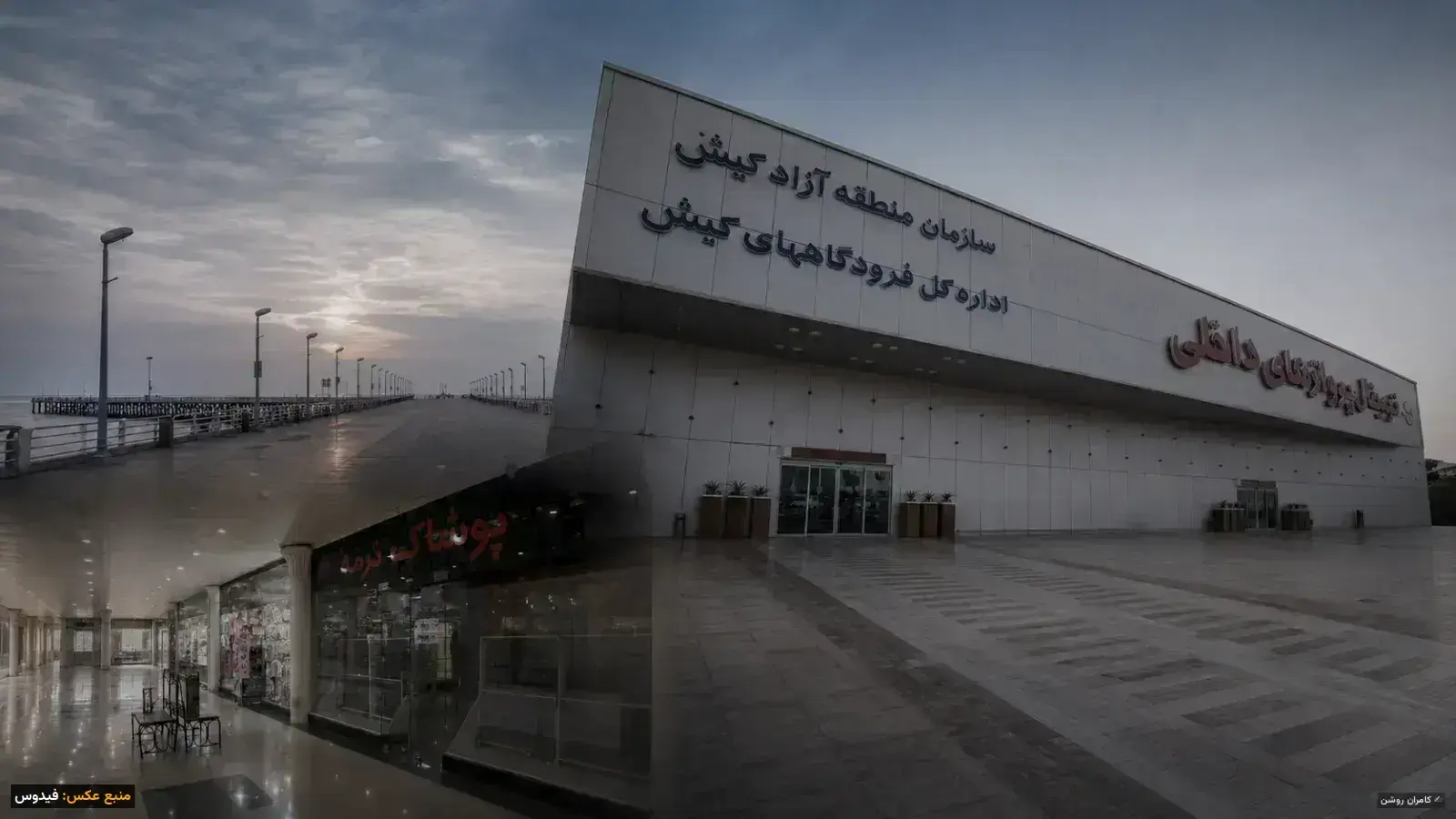
Kish Island, once known as a symbol of Iran's economic ambitions and a model for tourism, trade, and investment development, is now facing a series of simultaneous crises. A significant drop in travel, reduced income for hotels and commercial centers, workforce reductions, halted old projects, and managerial confusion have created a picture that is far removed from the initial promises of creating free zones.
The military conflicts of 2025 and 2026 undoubtedly worsened the situation, but today's conditions in Kish are not solely the result of war. The limitation of legal advantages of free zones, central government interference, frequent managerial changes, infrastructure decay, and regulatory instability had long reduced the island's competitiveness. The war was a heavy blow to an economy that had already lost its balance.
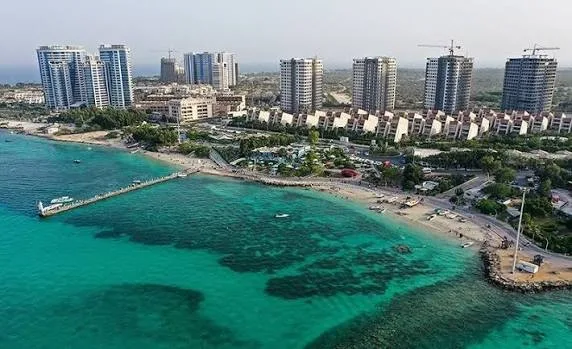
Kish Island, once introduced as a symbol of Iran's economic ambitions and a model for tourism, trade, and investment development, is now facing a series of simultaneous crises. A severe drop in travel, reduced income for hotels and commercial centers, workforce reductions, halted old projects, and managerial confusion have created a picture that is far removed from the initial promises of creating free zones.
Military conflicts of 2025 and 2026 undoubtedly worsened the situation, but today's conditions in Kish are not solely the result of war. The limitation of legal advantages of free zones, central government interference, frequent managerial changes, infrastructure decay, and regulatory instability had long reduced the island's competitiveness. The war was a heavy blow to an economy that had already lost its balance.
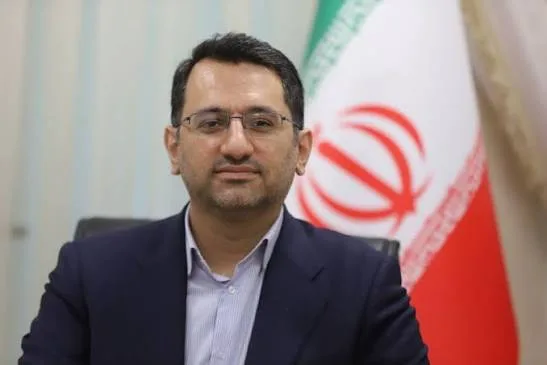
Mohammad Jafar Kabiri was appointed as the manager of the Kish Free Zone in November 2024 by the Minister of Economy. His presence as one of the young managers of the government and a former member of the Steering Council of Masoud Pezeshkian's government was initially introduced as a sign of youthfulness; however, managing an island with this volume of problems required more than a change in managerial appearance; it needed experience, a clear plan, and executive powers.
Flight Suspension and Tourism Market Collapse
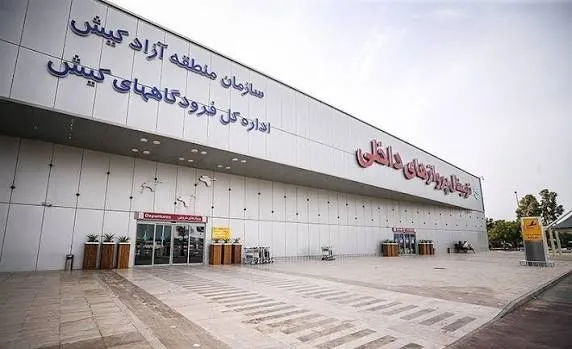
During the 12-day war in 2025, Kish flights were suspended from June 13 and the island's airport resumed operations on July 4. This pause showed how dependent Kish's economy is on passenger flights and tourist arrivals. In the next military crisis, attacks on southern Iran and reports of explosions in Kish and Qeshm increased concerns and led to a broader recession in the tourism sector.
The CEO of Kish Water and Electricity Company in August 2026 spoke of the nearly two-month evacuation of the island, the closure of hotels and markets, and a serious reduction in the number of tourists. The Iranian Hotel Association also announced that some accommodation centers in Kish and Qeshm have not returned to normal after the crisis and some of their incomes have almost reached zero. Despite these conditions, ongoing costs and tax pressures continue.
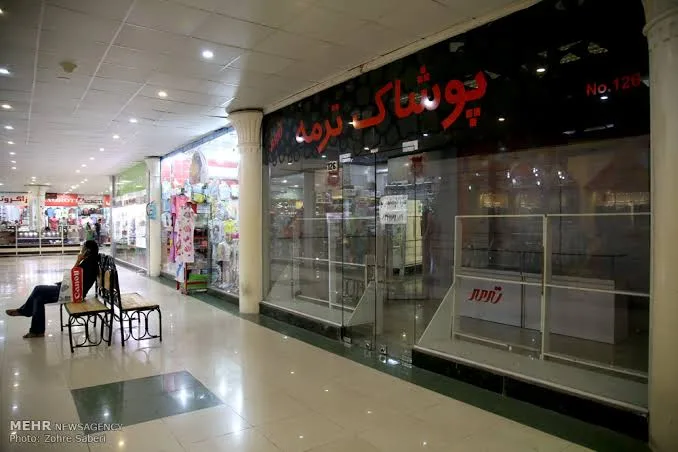
Citizen reports also indicate the closure or limited activity of restaurants, clubs, car rental centers, and markets. Many of these establishments have been forced to reduce staff to cut costs. The result of this trend is the formation of a cycle of reduced travel, decreased sales, unemployment, and further reduction in the island's appeal.
Infrastructures That Cannot Withstand Crises
The disruption in the performance of "Kish Air" is an example of the fragility of the island's economy. The CEO of the Hotel Association and accommodation centers in Kish warned in May 2026 that the company's deviation from its main mission has harmed the tourism chain. The dependency of hotels, commercial complexes, and multi-billion dollar projects on the performance of a single airline reveals the fundamental weakness of Kish's development model.
Alongside the flight crisis, the file of unfinished projects remains open. The "Dream City of Padideh Kish" project, despite about 15 years passing, has less than 10% progress, and its halt has been linked to the unemployment of over 3,500 people. In the "Yaran Kish" project, buyers of 207 residential units, despite a declared 90% progress, still face legal and executive issues after more than a decade.
The Free Zone Organization has reported resolving 18 old cases and pursuing five other cases. The accumulation of such cases shows that investment in Kish has been harmed not only by economic stagnation but also by weak legal and executive guarantees.
Uncertainty at the Top of Free Zone Structures
The Kish crisis is linked to the turmoil in the Secretariat of the Supreme Council of Free Zones. In recent months, Reza Masroor stepped down following a dispute with the Minister of Economy, Hossein Ferdowsi took over as interim head of the secretariat, and then Hossein Forouzan was appointed as the secretary of this body. These changes occurred while the government has yet to present a clear financial and executive plan to revive the southern free zones.
Simultaneously, the legal status of the secretariat remains unclear. The government is undecided between merging this body into the Ministry of Economy and maintaining its independent structure; an uncertainty that reduces the possibility of long-term policy-making.
Kish management talks about investment packages, resolving old cases, building a solar power plant, and private sector participation, but the evaluation criteria should be sought in the actual state of the island: low-occupancy hotels, semi-closed markets, unemployed staff, and projects that remain incomplete after years. Kish was once supposed to be a different example of Iran's economy; today, however, it has become a symbol of the erosion of that promise.
Mohammad Jafar Kabiri was appointed as the manager of the Kish Free Zone in November 2024 by the Minister of Economy. His presence as one of the young managers of the government and a former member of the Steering Council of Masoud Pezeshkian's government was initially introduced as a sign of youthfulness; however, managing an island with this volume of problems required more than a change in managerial appearance; it needed experience, a clear plan, and executive powers.
Flight Suspension and Tourism Market Collapse
During the 12-day war in 2025, Kish flights were suspended from June 13 and the island's airport resumed operations on July 4. This pause showed how dependent Kish's economy is on passenger flights and tourist arrivals. In the next military crisis, attacks on southern Iran and reports of explosions in Kish and Qeshm increased concerns and led to a broader recession in the tourism sector.
The CEO of Kish Water and Electricity Company in August 2026 spoke of the nearly two-month evacuation of the island, the closure of hotels and markets, and a serious reduction in the number of tourists. The Iranian Hotel Association also announced that some accommodation centers in Kish and Qeshm have not returned to normal after the crisis and some of their incomes have almost reached zero. Despite these conditions, ongoing costs and tax pressures continue.
Citizen reports also indicate the closure or limited activity of restaurants, clubs, car rental centers, and markets. Many of these establishments have been forced to reduce staff to cut costs. The result of this trend is the formation of a cycle of reduced travel, decreased sales, unemployment, and further reduction in the island's appeal.
Infrastructures That Cannot Withstand Crises
The disruption in the performance of "Kish Air" is an example of the fragility of the island's economy. The CEO of the Hotel Association and accommodation centers in Kish warned in May 2026 that the company's deviation from its main mission has harmed the tourism chain. The dependency of hotels, commercial complexes, and multi-billion dollar projects on the performance of a single airline reveals the fundamental weakness of Kish's development model.
Alongside the flight crisis, the file of unfinished projects remains open. The "Dream City of Padideh Kish" project, despite about 15 years passing, has less than 10% progress, and its halt has been linked to the unemployment of over 3,500 people. In the "Yaran Kish" project, buyers of 207 residential units, despite a declared 90% progress, still face legal and executive issues after more than a decade.
The Free Zone Organization has reported resolving 18 old cases and pursuing five other cases. The accumulation of such cases shows that investment in Kish has been harmed not only by economic stagnation but also by weak legal and executive guarantees.
The Kish crisis is linked to the turmoil in the Secretariat of the Supreme Council of Free Zones. In recent months, Reza Masroor stepped down following a dispute with the Minister of Economy, Hossein Ferdowsi took over as interim head of the secretariat, and then Hossein Forouzan was appointed as the secretary of this body. These changes occurred while the government has yet to present a clear financial and executive plan to revive the southern free zones.
Simultaneously, the legal status of the secretariat remains unclear. The government is undecided between merging this body into the Ministry of Economy and maintaining its independent structure; an uncertainty that reduces the possibility of long-term policy-making.
Kish management talks about investment packages, resolving old cases, building a solar power plant, and private sector participation, but the evaluation criteria should be sought in the actual state of the island: low-occupancy hotels, semi-closed markets, unemployed staff, and projects that remain incomplete after years. Kish was once supposed to be a different example of Iran's economy; today, however, it has become a symbol of the erosion of that promise.