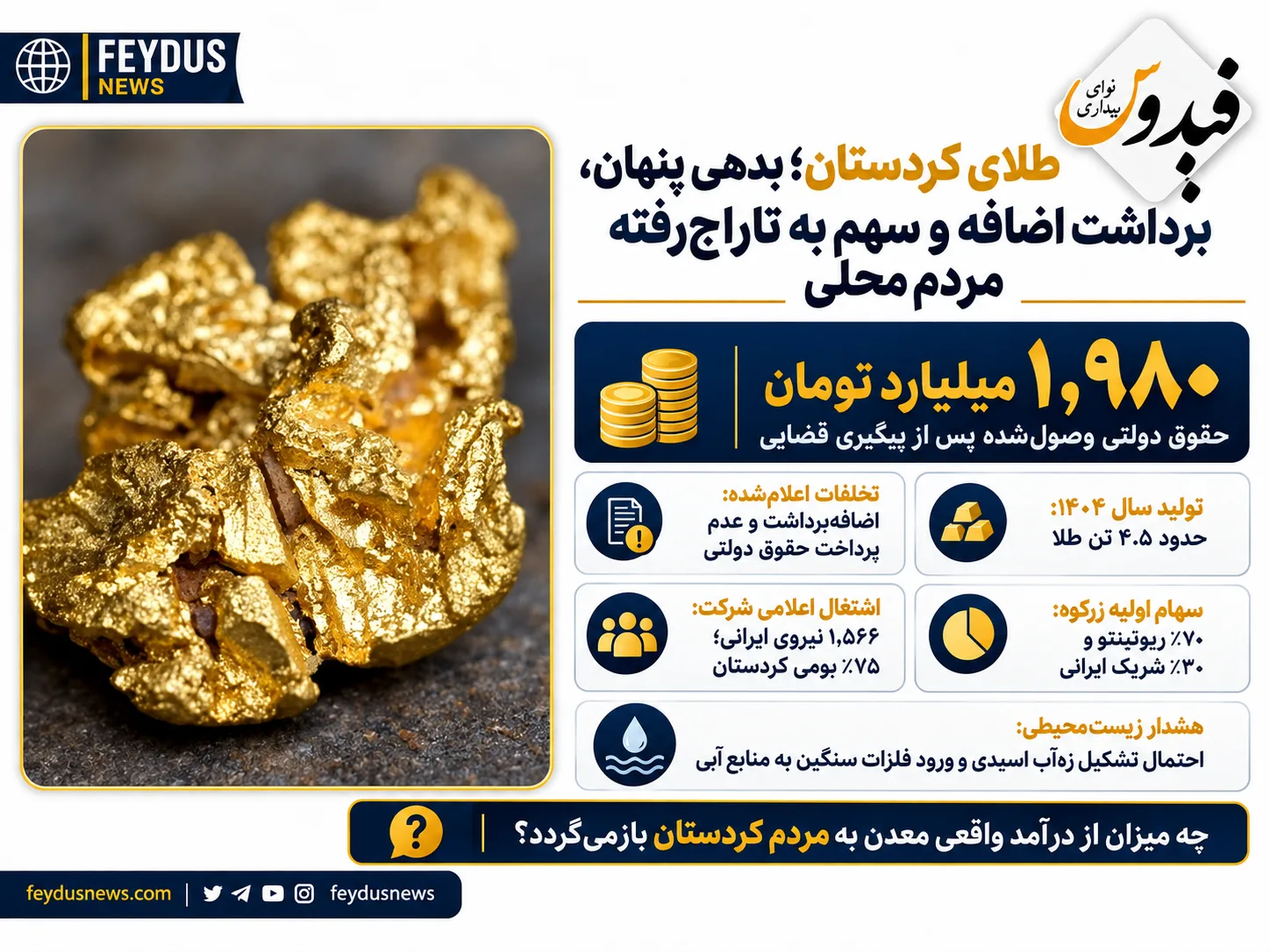
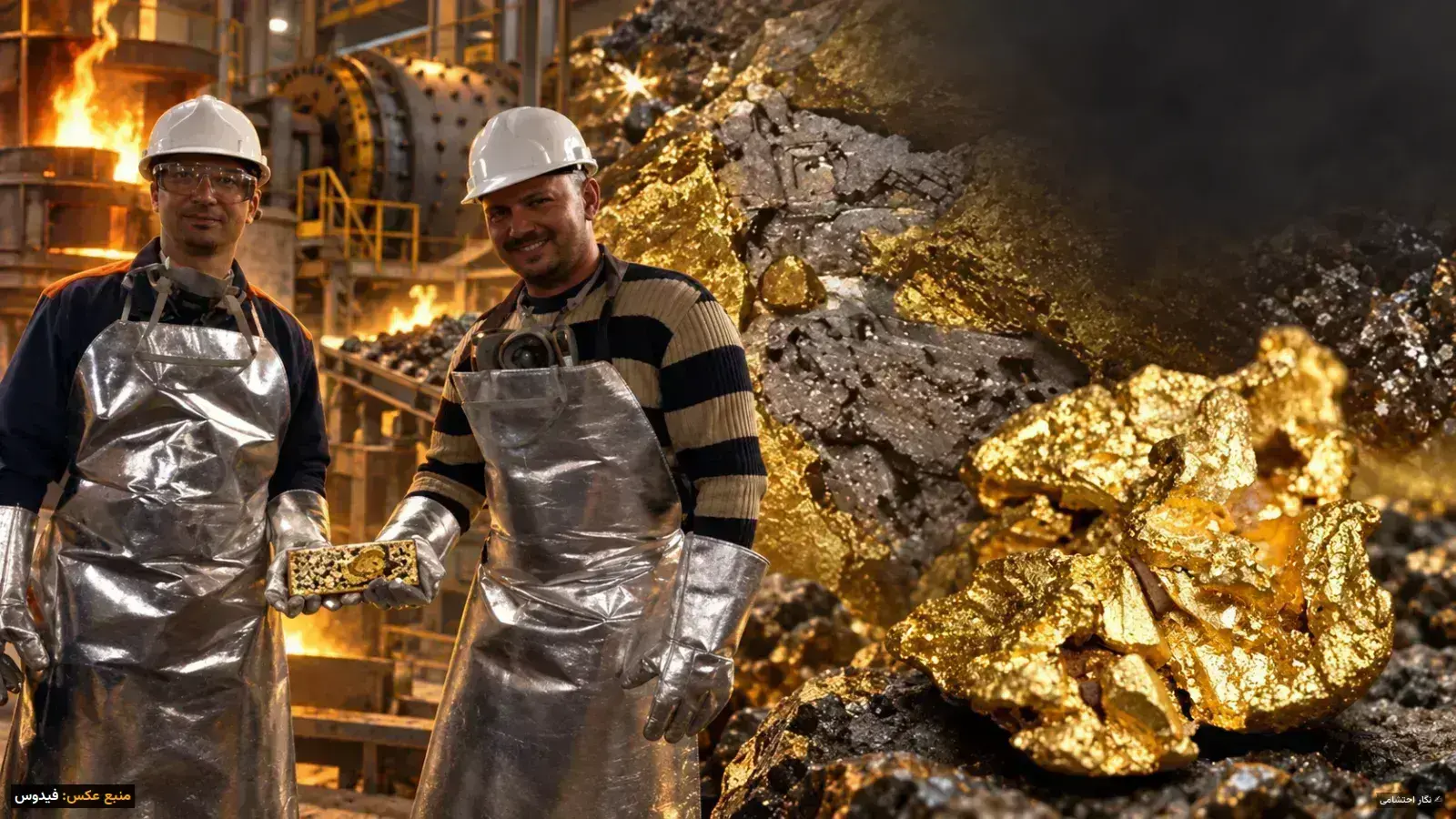
The Sariguni gold mine in Qorveh, one of Iran's most important mineral assets, is once again at the center of serious questions about the government's oversight of Kurdistan's wealth. The latest official announcement by the judiciary indicates that an active mining unit in the gold sector faced over-extraction and non-payment of government dues, and after judicial follow-up, 1٬980 billion tomans of government claims have been returned to the treasury. This figure elevates the Sariguni case from local protests and political accusations to a documented financial and oversight issue.
Official Admission After Years of Dispute
Asghar Jahangir, the spokesperson for the judiciary, announced on October 14, 2025 that a gold mining unit in Kurdistan faced multiple violations, including over-extraction and non-payment of government dues. He confirmed that the Kurdistan judiciary's follow-up led to the recovery of 1٬980 billion tomans. The significance of this figure is not just in its size; government dues are a share that the operator must pay in exchange for extracting a public resource. How could such a massive debt continue for years without effective oversight?
A Mine That Was Political and Controversial from the Start
The story of Sariguni dates back more than two decades. Official company documents with the U.S. Securities Commission show that in 2004, the Zarcoh company was formed with 70 percent share of Rio Tinto and 30 percent Iranian partner. Joint explorations from 2000 to 2004 identified a significant gold reserve. In 2011, Rio Tinto sold its share to an Iranian-Kazakh joint company and exited the project.
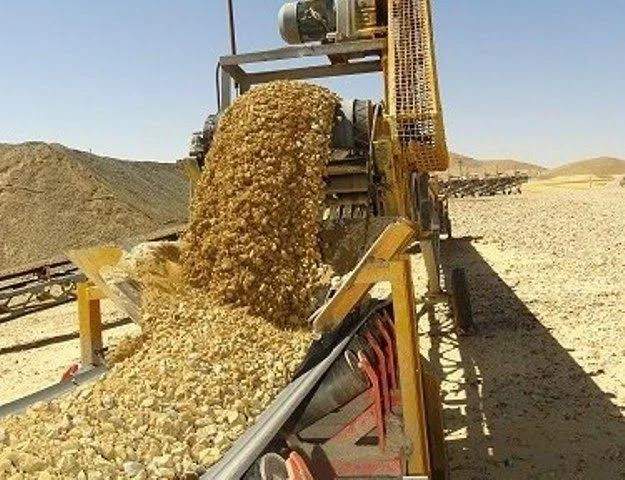
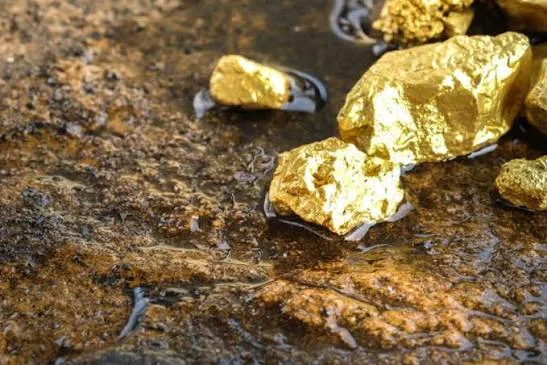
In subsequent years, repeated delays in launching the mine made headlines, and the Ministry of Industry warned Kazakh investors. However, Sariguni gradually became one of Iran's most important gold production centers. Industry sources have announced the production for 2025 to be around 4.5 tons of gold. This production volume multiplies the economic importance of any dispute over extraction levels and government dues.
Financial Turnover, Rural Lands, and Local Complaints
In May 2024, Mohammad Rasool Sheikhi Zadeh, representative of Qorveh and Dehgolan, raised a series of criticisms against the mine: regarding the small share of local workers and the financial turnover being outside the province's banking network, and even the environmental impacts and the ambiguous manner of acquiring surrounding lands remain unclear. The Zarcoh company denied these claims and stated: 75% of the 1٬566 Iranian workers in the mine are local to Kurdistan, and since 2021, financial turnover has been concentrated in Qorveh banks, and government dues have been paid according to notifications, and land acquisition has been done based on Article 22 of the Mining Law. However, the judiciary's announcement about over-extraction and government debt showed that the financial dispute surrounding the mine went beyond social media claims.
Environment; Between Company Denials and Scientific Warnings
Zarcoh states that official monitoring has not proven an increase in pollutants resulting from mining activities, and the mine has not been listed among polluting industries. Some of the heavy metals present in the region's water, according to the company, have natural origins. However, scientific studies present a more complex picture. A study in 2025 on Sariguni's rock and waste showed that parts of the mineral materials have the potential to form acidic drainage, precisely the phenomenon that can introduce heavy metals into the aquatic environment. Older studies of groundwater in surrounding villages have also recorded the presence of arsenic as a regional issue.
In September 2026, the Kurdistan Mining Engineering Organization conducted a specialized visit to Sariguni, and reports indicate continued extensive production. The 1٬980 billion toman case has neither led to the project's halt nor has any public report of the mine managers' conviction been released so far.
Questions That Remain Unanswered
Which entity controls the actual level of extraction? Why must government claims be collected after judicial intervention? How much income returns to the region? Do the people of Kurdistan have access to the mine's actual accounts? Sariguni is a clear example of the challenge of overseeing natural resources in Iran, where immense wealth, politics, economy, and environment are intertwined, and the answers remain shrouded in ambiguity.