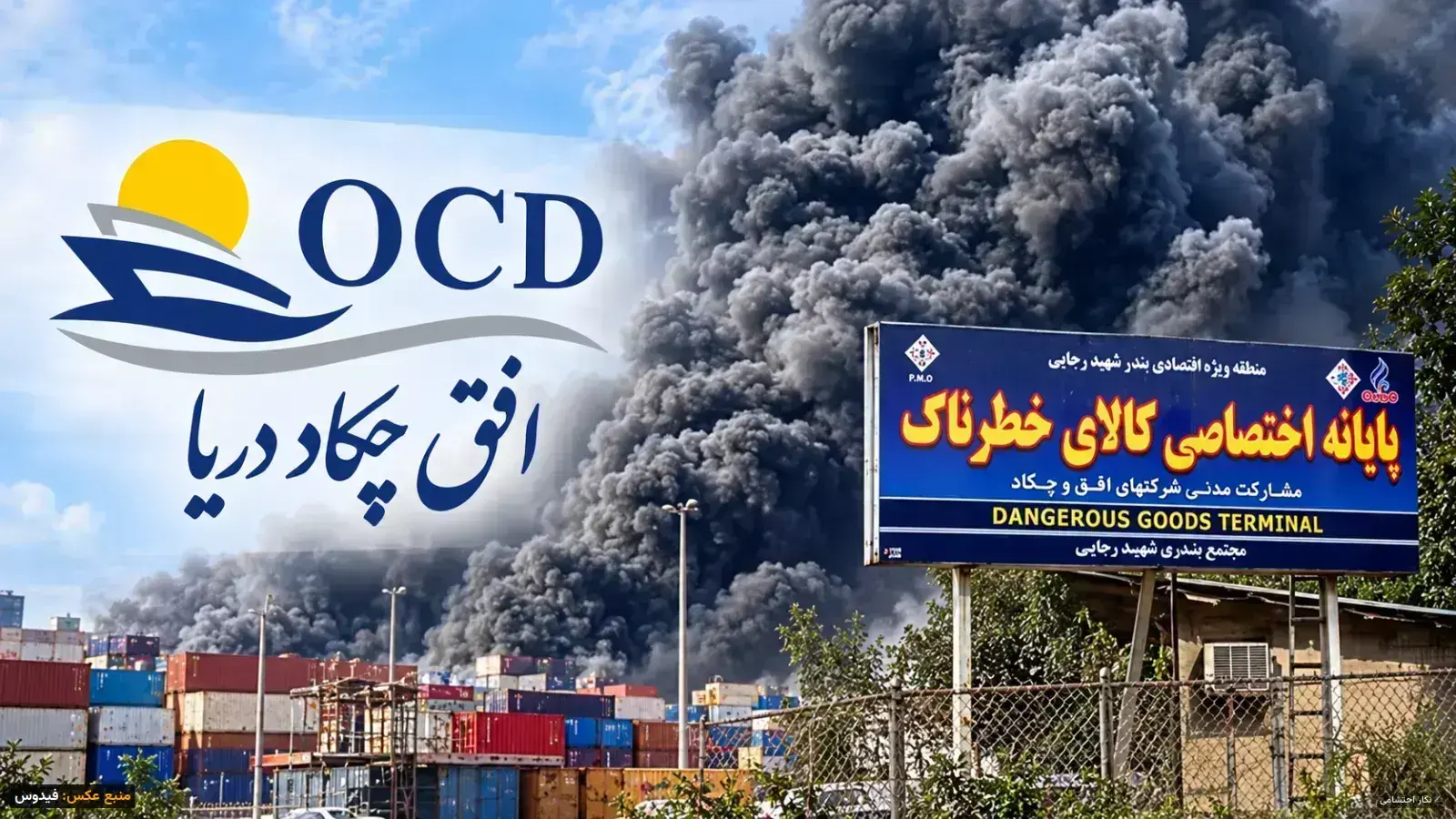
More than a year after the massive explosion at Shahid Rajaei Port, a series of internal narratives have emerged from Iran's largest container port, painting a shocking picture of a closed management network, severe corruption, collusion, chemical smuggling, and organized misuse of public equipment and assets. These narratives, presented by our sources in the "Afagh Chakad Darya" company, indicate that over the past years, the managers of this organization have created parallel companies, bought votes, laundered money, and transferred government equipment to private companies, establishing a parallel and unaccountable structure in the heart of Shahid Rajaei Port. According to sources, this structure has managed to evade legal prosecution with the support of the Islamic Republic's security agencies.
The Record of a Closed Management Network in Shahid Rajaei
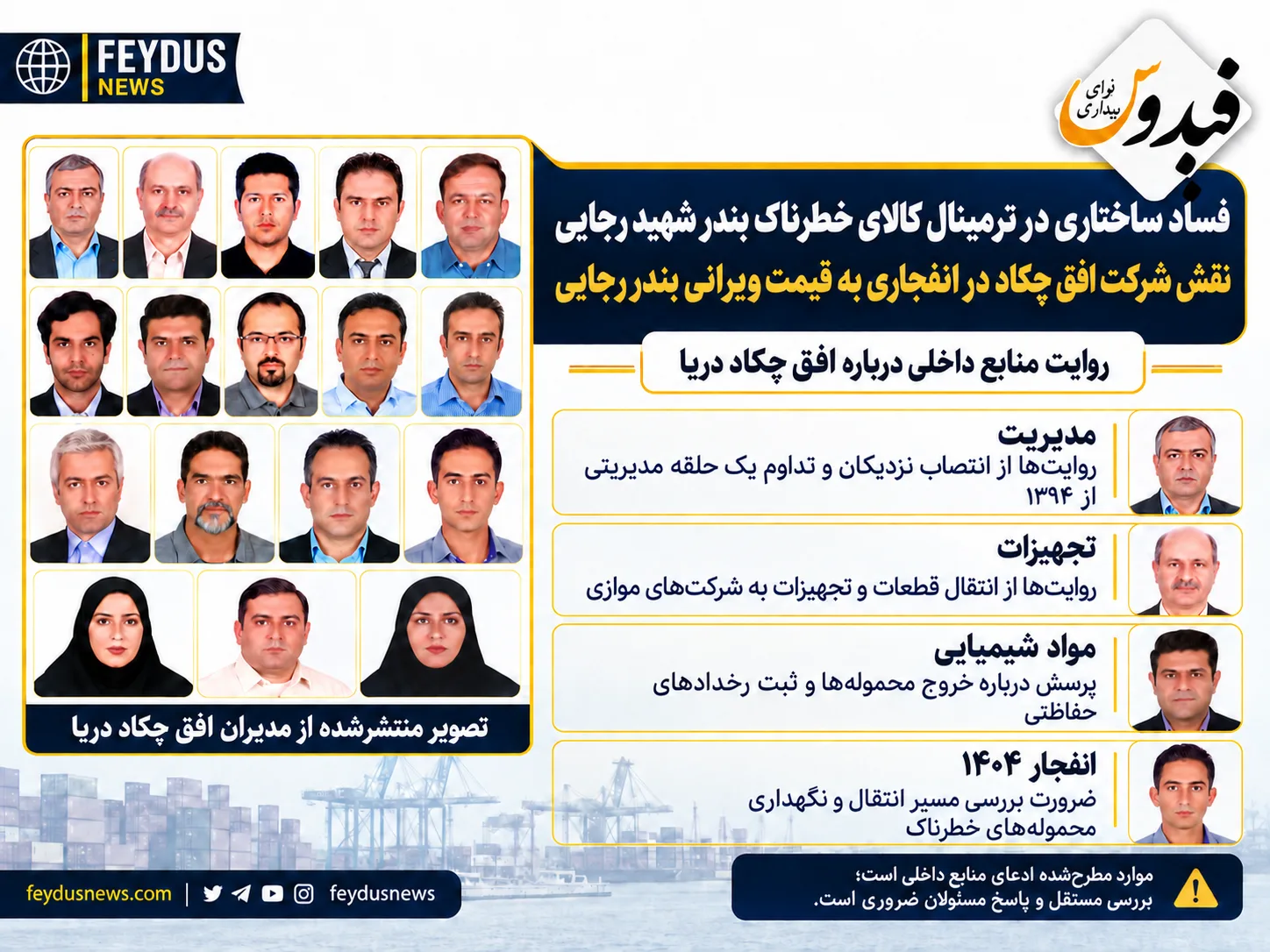
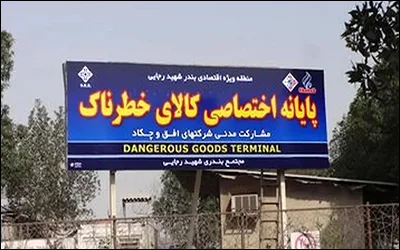
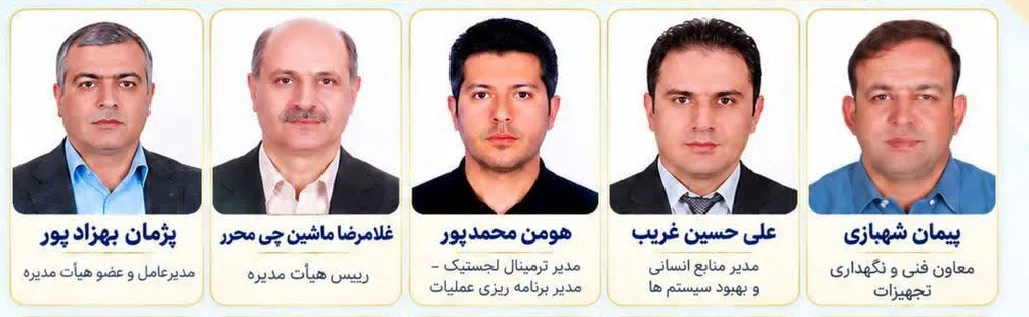
The "Afagh Chakad Darya" company was established in 2015, coinciding with the development of the dangerous goods terminal at Shahid Rajaei Port. From the outset, Pejman Behzadpour was appointed as CEO and placed a circle of managers close to him at the head of the financial, security, equipment, and terminal sections: Naser Moradi in finance, Pejman Mirzavand in security, Behzad Faraji in the terminal, and Ahmad Eidi, the CEO's cousin, in the equipment section.
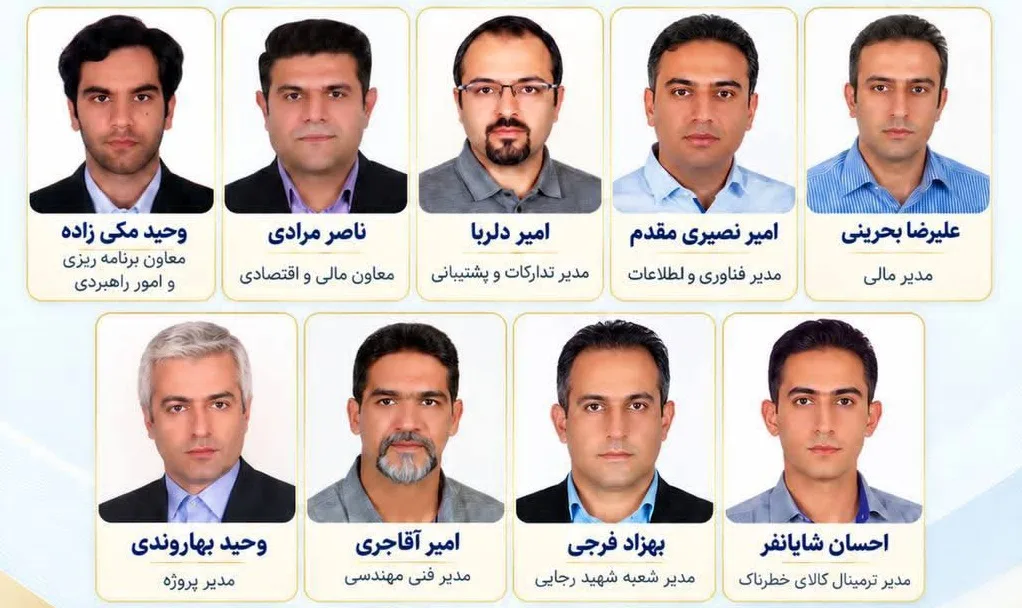
Ehsan Shayyanfar, Pejman Behzadpour's cousin, was appointed as the head of the Afagh Chakad Darya terminal, with Omid Shahmirzaei as his deputy. According to internal narratives, these two managers have abused their positions in recent years. Alongside them, names like Forough Hosseini, Razieh Jahangiri, a financial influential figure, and Maryam Moulaniya, a former legal representative for license plate replacement, are seen in the management network. Sources mention the roles of Amir Delroba, Vahid Baharvand, recently released from prison, and others like Mashinchi and Motaghi in extensive thefts of the evaluation line.
Chemical Smuggling; A Repeated Case Over the Years
The name Behzad Faraji, the terminal head, has been mentioned as a key figure in the "nighttime removal of glass raw materials." These materials have been introduced as "hydrochloric acid," described as a "precursor to very strong psychoactive substances." Faraji, along with Nabi Ahmadian and Ayat Ahmadian, would open the seals of containers containing these materials and remove the cargo in 20-liter buckets from the premises.
The security of the premises has detained these individuals with the cargo several times, but "by direct order of the CEO," photos were deleted, and no reports were filed. Even in 2016 and 2017, the Hormozgan Province Judiciary suspected these individuals, but the "case was closed with the influence of the IRGC".
Money Laundering, Foreign Properties, and Parallel Companies
Naser Moradi, the head of finance, is introduced as the "biggest thief of the premises." Since 2015, he has "purchased property, cars, and towers in Dubai." A person named Behnam Barzegar also acts as his "foreign money laundering agent".
Vote Buying and Security Influence
Behzadpour has remained CEO since 2015 because "Pejman Mirzavand," the head of security, has been collecting votes by bribing Shahid Rajaei Guard forces. In the recent Tehran elections, it is said that "train compartments, hotels, and cash" were spent on employees close to the CEO to ensure his vote. Simultaneously, several retired managers, including Faraji and Mirzavand, are still active in the company. Narratives also speak of "sexual abuse," "relationship-based hiring," and "IRGC intelligence forces' influence" in the company's legal department.
Connection to the Massive Explosion at Shahid Rajaei Port
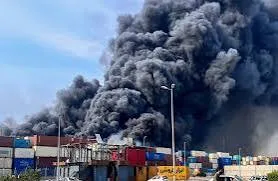
Afagh Chakad managers transferred "IRGC loads" to the Sina company instead of keeping them in their premises. These shipments, according to sources, "were known to be dangerous," and this transfer led to the massive explosion in 2025. The existing cases paint a picture of a closed management network, highly corrupt, smuggling, money laundering, misuse of public equipment, and security infiltration in a network that has formed over a decade in the heart of Iran's most sensitive dangerous goods terminal.