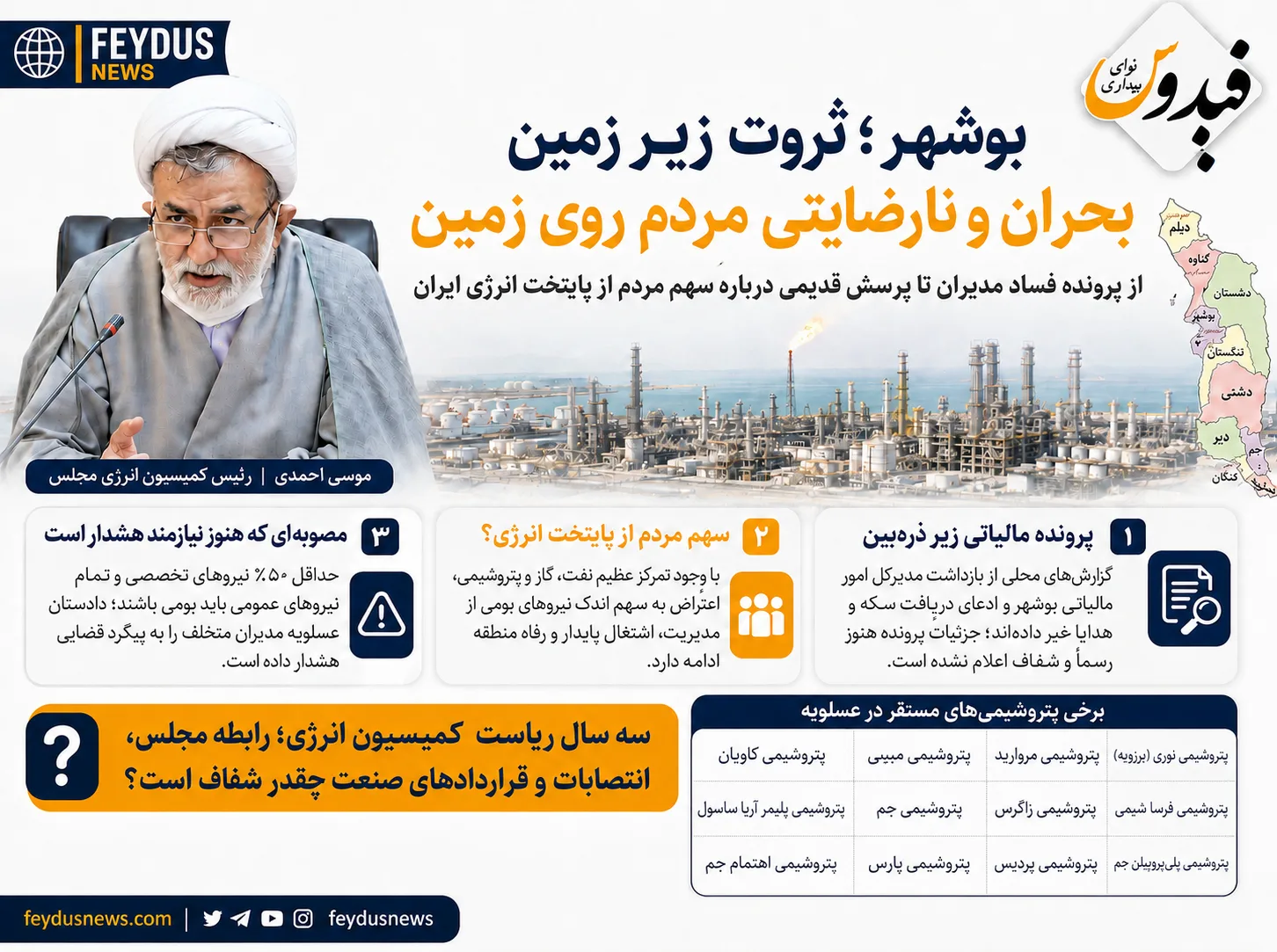
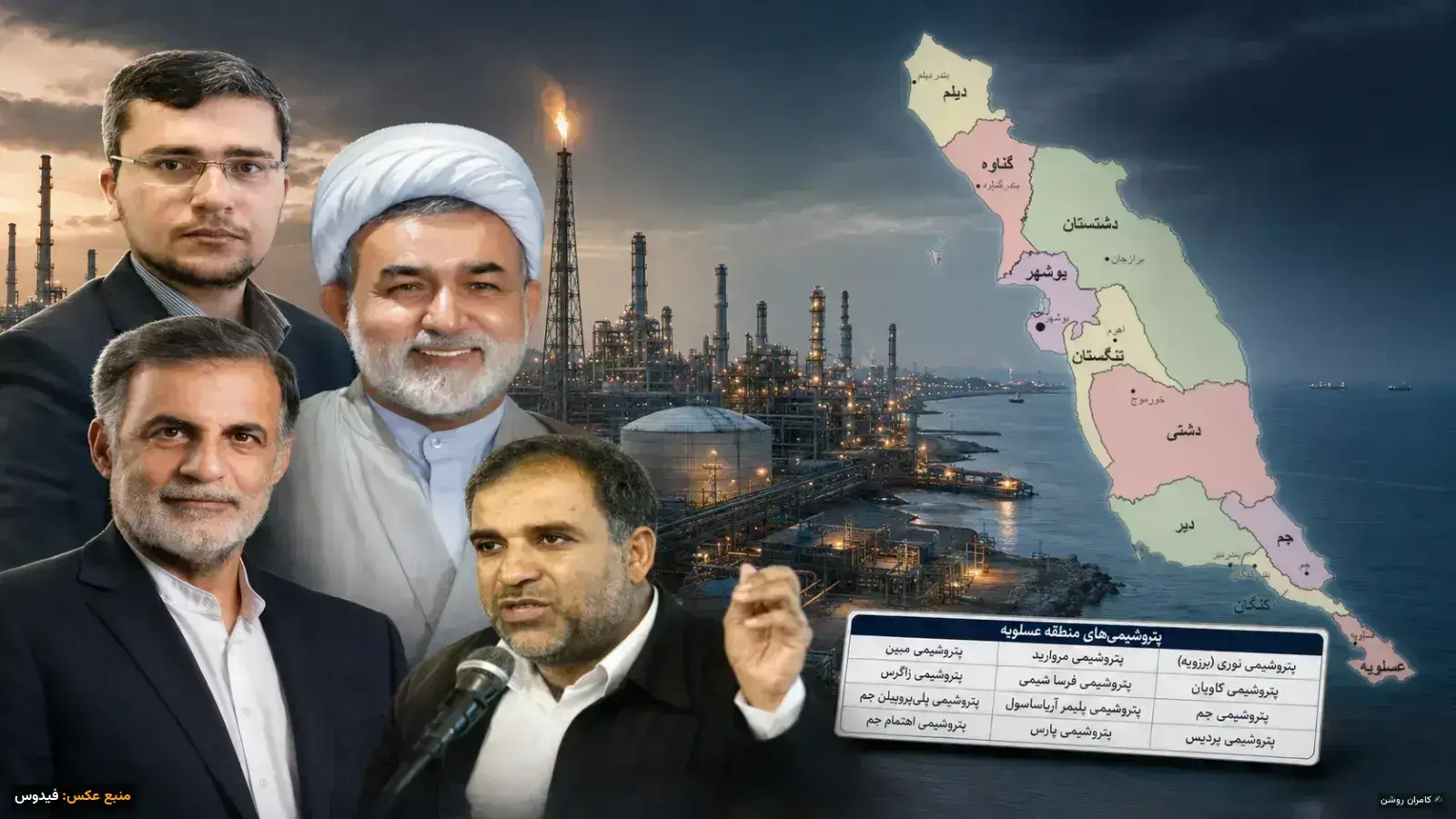
Reports about the arrest of the Director General of Tax Affairs in Bushehr province and the claims of this case being linked to managers of some petrochemical companies have once again drawn attention to the complex network of economic, contractual, and political relations in one of the wealthiest provinces in Iran.
Recently, several media outlets and local accounts in Bushehr province have reported the arrest of the Director General of Tax Affairs in this province. Simultaneously, on social networks, claims have been made about receiving coins and gifts from managers or entities related to the petrochemical industry and the summoning of some managers.
However, a large part of the details of this case, including the number of coins, the identity of all summoned managers, and the potential scope of the bribery network, has not yet been transparently announced by the judiciary or other official bodies. In this news environment, in recent days, local channels and pages in Bushehr have published new claims about the possibility of judicial action against some senior political managers of the province, including the governor or one of the deputy governors. But even if these news are set aside, the main issue behind these news is much larger: the relationship between money, contracting, and political power in a region where a large part of Iran's most important oil, gas, and petrochemical facilities are concentrated.
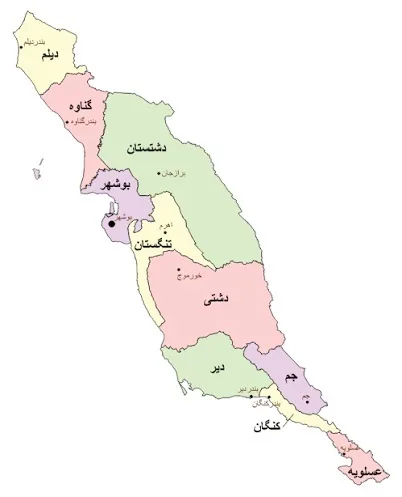
Energy Capital and the Issue of "People's Share"
Asaluyeh,
Kangan, Jam, and other southern regions of Bushehr province have become one of the main centers
of wealth production in Iran over the past few decades.
This question is not new. For years, Bushehr media have been writing about the small share of local forces in management and employment in the oil and gas industries. A local report in the year ۱۴۰۲ titled "The Plight of Bushehr Elites in the Oil and Gas Industries" criticized the limited presence of local managers in companies located in Asaluyeh, Kangan, Deyr, and Jam. The problem is so chronic that governors, prosecutors, and provincial officials still have to call on company CEOs to implement the resolution to attract at least ۵۰ percent local workforce.
The prosecutor of Asaluyeh in the year ۱۴۰۴ even warned the managers of oil and petrochemical companies that at least ۵۰ percent of specialized forces and all general forces must be recruited from among the local forces of Bushehr province, with priority given to Asaluyeh, and in case of violation, managers may face legal action. This warning alone raises a simple question: If decades after the development of South Pars there is still a need to threaten CEOs for hiring local people, how successful has the policy of "regional development" alongside industrial development been?
Unemployment; A Reality More Complex Than a Number
Official statistics, at first glance, present a different picture. The Director General of Cooperation, Labor, and Social Welfare in Bushehr province announced the unemployment rate of the province in the year ۱۴۰۴ as ۶.۶ percent; in this context, the objections of local media are more about the quality of employment, local recruitment, job security, and access of educated youth in the region to specialized opportunities in the oil and petrochemical industry than merely about the number of employed individuals.
In recent years, there have been numerous reports of layoffs and downsizing of contracting forces, delays in wage payments, and worker protests in the Asaluyeh industries. In one of these cases, Boushehr petrochemical workers gathered to receive three months of overdue wages. Other reports also indicate complaints from local workers about the low share of local forces in company employment. Thus, it might be better to describe the contradiction in Bushehr not just as "absolute unemployment," but as the gap between the massive volume of wealth produced and the share of the host community in management, sustainable employment, and the resulting welfare.
Contracting Economy; The Intersection of Money and Politics
Another important part of the issue relates to the contracting structure of the oil and petrochemical industry. Around the massive complexes of Asaluyeh, a network consisting of hundreds of contracting companies, equipment suppliers, human resources services, transportation, accommodation, catering, construction projects, social responsibility, and intermediary companies has formed. The contracts of this network collectively create a very large financial turnover. In such a structure, the appointment of a CEO or senior manager is not just about managing a factory; it sometimes means determining the path of dozens or hundreds of contracts.
This has led to the appointment of managers in the large petrochemical companies located in Bushehr province, from Jam Petrochemical to companies located in Asaluyeh and Kangan, always being a subject of attention for members of parliament, provincial political managers, ministries, and owning holdings. The problem begins when the boundary between "pursuing the interests of the electoral district" and "interfering in appointments and contracts" is not clear.
In these
conditions, a member of parliament, a political manager, a petrochemical CEO, and a contractor can be placed in a network
of mutual interests; a network that is very difficult for public oversight.
This situation does not necessarily mean corruption of all individuals present in this structure, but the lack of transparency about contracts, appointments, gifts, financial support, and the connection of government managers with contracting companies increases the likelihood of corruption. The recent case of the Bushehr Tax Affairs Office also gains importance from this perspective. If the claims about receiving gifts or bribes from petrochemical industry activists are proven in an independent judicial process.
The main question will not just be about the behavior of a tax manager; rather, it must be determined which companies and managers were the payers, what advantage or decision they received in return, and whether these relations were connected to a broader economic network.
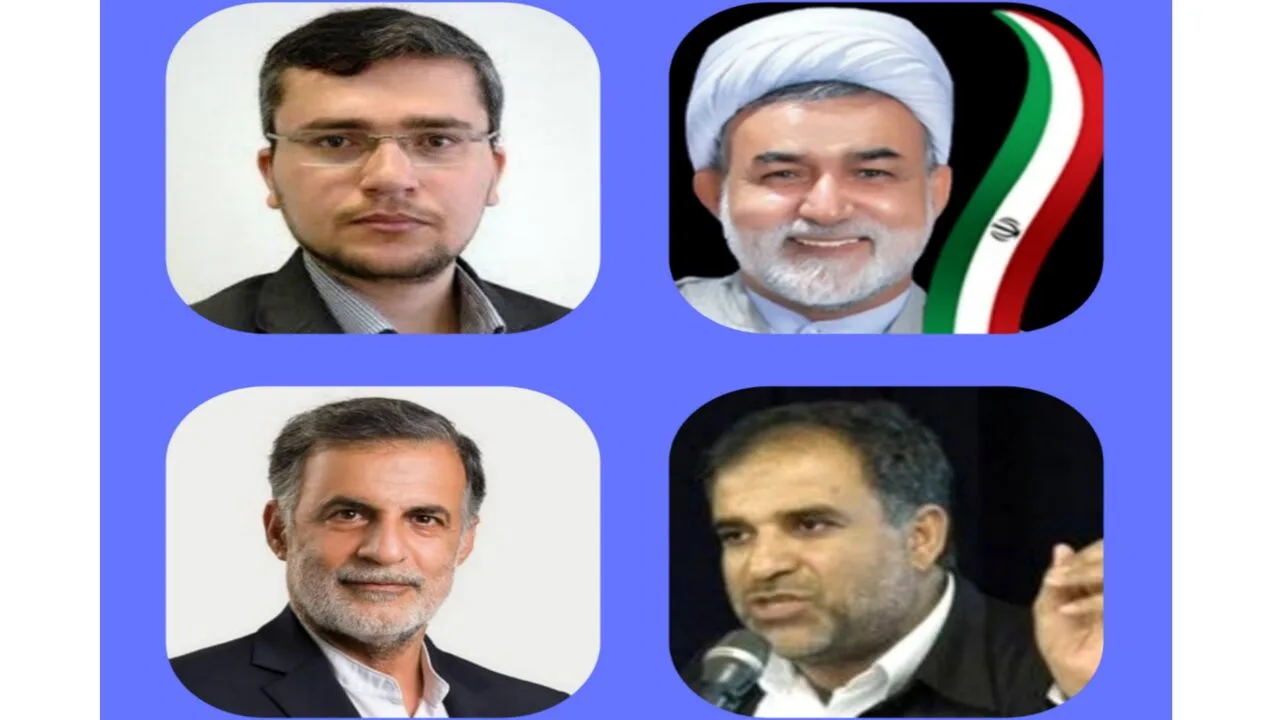
Mousa Ahmadi and the question about the relationship between the Parliament and the industry in such an environment have also put the roles of Bushehr province representatives under scrutiny. Mousa Ahmadi, the representative of the southern part of Bushehr province, became the chairman of the Energy Committee of the Parliament for the third consecutive year this July.
The chairmanship of the Energy Committee is considered one of the most important specialized positions in the Parliament in relation to the Ministry of Oil, the National Iranian Oil Company, the National Iranian Gas Company, and the petrochemical industry.
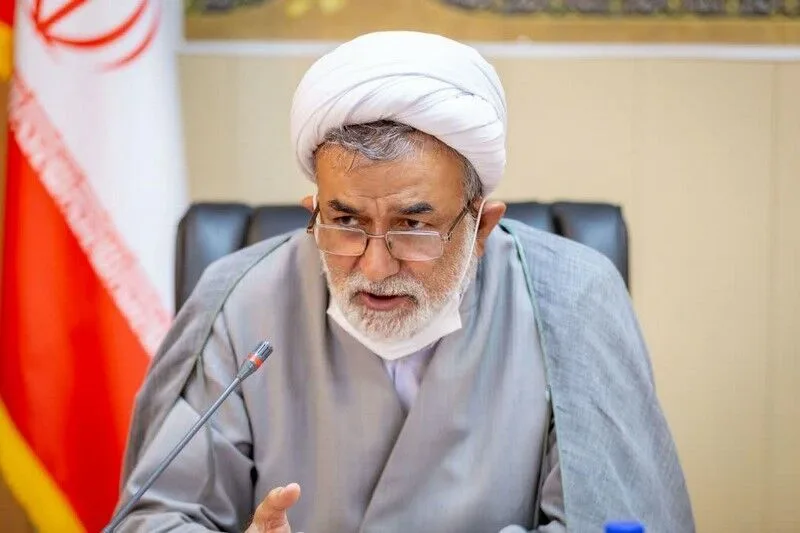
At the same time, Ahmadi's close relationships and numerous meetings with the managers of the region's petrochemical companies are not hidden. For example, energy industry media reported his meeting with the CEO of Pardis Petrochemical and negotiations on industry and Bushehr province issues.
In recent years, petrochemical company managers have also congratulated Ahmadi on his election or retention as the chairman of the Energy Committee. Local critics use these connections to raise questions about the extent of oil and petrochemical companies' influence on the political atmosphere of the province and its representatives.
Ahmadi's three-year chairmanship of the Energy Committee is a fact; his connections and meetings with industry managers are also verifiable; which confirms the news of "buying representatives' votes" for the chairmanship of the committee for personal and group interests.
An Advanced Industry in a Region with Uneven Development
The more fundamental issue in Bushehr might be here. In development literature, building a refinery, petrochemical plant, and port does not necessarily mean the development of the local community. Regional development occurs when the presence of industry leads to better education, urban infrastructure, transportation, health, a healthier environment, the creation of local businesses, specialized employment, and increased human capital in the host community.
In Asaluyeh, even local officials still say the local community's share of the industry's benefits is small. The governor of Asaluyeh has also emphasized the implementation of a ۵۰ percent local employment share.
This is while the facilities located in this region play a vital role in Iran's economy and energy exports. Such an imbalance is the same contradiction that has been observed in Khuzestan for years: regions where massive national wealth is extracted from their soil and coasts do not necessarily develop in proportion to the economic value produced. In Bushehr, too, the ongoing protests about non-local hires, contracting workers' issues, and repeated requests for the implementation of local quotas show that this conflict has not yet been resolved.
From Appointments to Human Development
A significant part of the responsibility for this situation lies with the governance model of oil and petrochemical companies. The CEO of a large company in Asaluyeh should not only focus on production volume, sales, profit, and project execution. This company operates in an environment where tens of thousands of its citizens bear the social and environmental costs of the industry.
Modern management of such a complex should define the company's development alongside the development of the surrounding environment. However, when the selection of a CEO is more dependent on the weight of the owning holding, political connections, support from representatives, ministry influence, or agreements of dependent power groups, this developmental perspective is usually sidelined. The manager will also be more accountable to those who placed him in the position than to the community where the factory operates next to their homes. This issue is raised in many disputed appointments in the industries of Bushehr province.
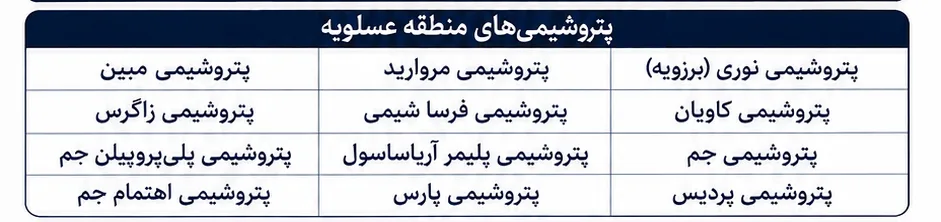
Who becomes the CEO of Jam Petrochemical, Pardis, Nouri, or one of the dozens of large complexes in Asaluyeh is not just an internal company issue. These managers influence the employment of thousands of people, large contracts, social responsibility projects, and the distribution of part of the region's economic resources.
A Case That Needs Transparency
The case of the Director General of Tax Affairs in Bushehr can now be a test for the judiciary. If the allegations are true, merely reporting the arrest of a manager is not enough. The public must know who paid the money or coins, what benefits they gained in return, whether managers of oil or petrochemical companies are accused in the case, and whether the province's political managers are also involved in the case.
What
is currently happening in Bushehr cannot be seen as just the story of a few coins or an arrested manager.
The bigger issue is a structure where billions of dollars of oil and gas investment, dozens of large petrochemical companies, hundreds of contractors, members of parliament, the provincial administrative apparatus, and company managers are interconnected in a limited geography.