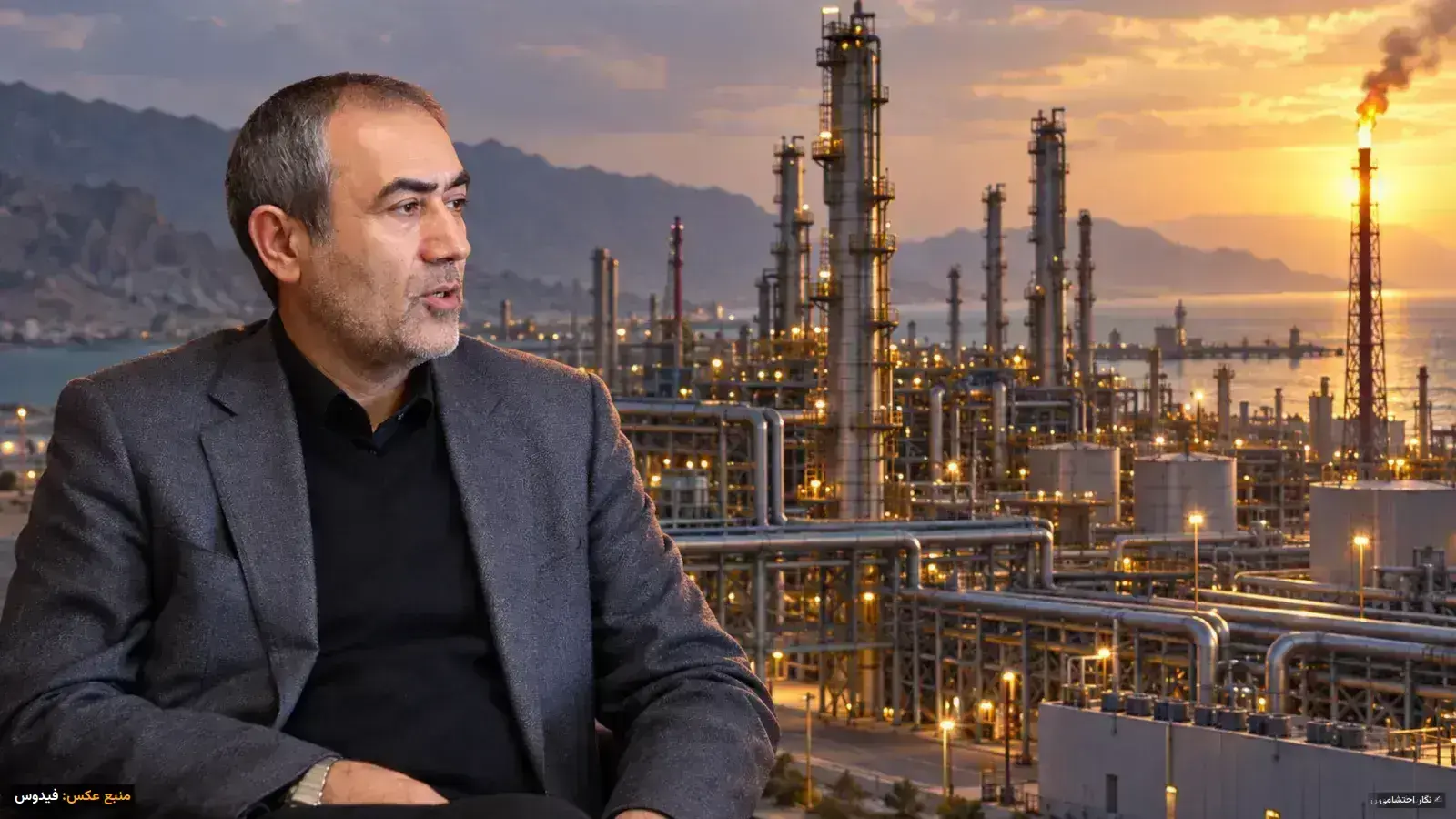
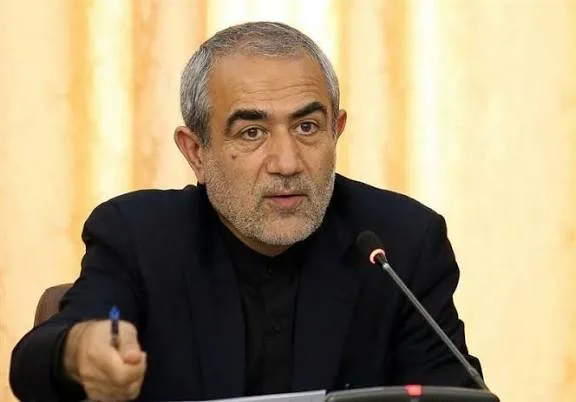
While several regulatory bodies of the Islamic Republic have officially declared the appointment of 70-year-old Majid Khodabakhsh at Padjam Petrochemical and then Jam Petrochemical as "illegal," the government of Masoud Pezeshkian and the network of influence close to the presidency paved the way for his appointment. An individual with a history of financial corruption, ethical violations, extensive cronyism, and confirmed cases in security agencies presents a clear picture of a cycle of structural corruption, a cycle that shows how the law in the Islamic Republic is written only for "others.".
Confidential Letters That Were Ignored
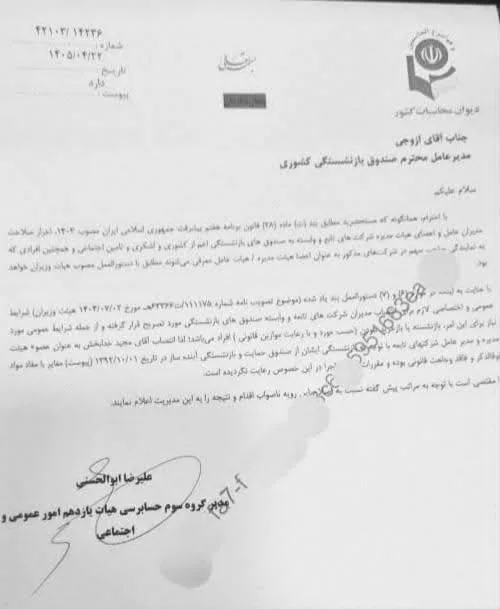
The National Audit Office, the General Inspection Organization all explicitly informed the Minister of Welfare and the government that "Majid Khodabakhsh" is retired and his appointment in any position at Padjam and Jam Petrochemical is "lacking legal validity.".
These letters, which have official dates and numbers, warned the Minister of Welfare (Meydari) that: appointing a retired individual in subsidiaries of the Pension Fund is prohibited, and the continuation of the mission of investment agents lacks a legal basis, and any issuance of a decree for Khodabakhsh is considered a violation, emphasizing that regulatory bodies should be considered in decision-making..
However, in practice, none of these warnings prevented Khodabakhsh's appointment. According to available information, the Turk faction of the presidential institution, through direct influence, paved the way for the issuance of the decree and even altered security inquiries under pressure. The IRGC Intelligence Organization declared the inquiry positive, while the Ministry of Intelligence also declared it positive..
History of Corruption; From Ardabil to Asaluyeh
Reviewing Khodabakhsh's background shows that he is not only a retired manager but also one of the problematic figures in the administrative structure of the Islamic Republic. The illegal change of land use in Pars - Ardabil, where in the twelfth government, Khodabakhsh, as the governor of Ardabil in the fifteenth session of the Provincial Security Council, approved the change of use of 24 hectares of land in the Pars region under pressure on members, while the head of provincial intelligence was absent and environmental opposition was ignored..
The auction winner, the "Iliad Aram" company, but reviewing the Sina system shows that no money was paid for this transfer, and instead, four 240-square-meter plots were registered in the name of Abbas Fazeli (Khodabakhsh's brother-in-law)..
Ethical Corruption and Abuse of Position
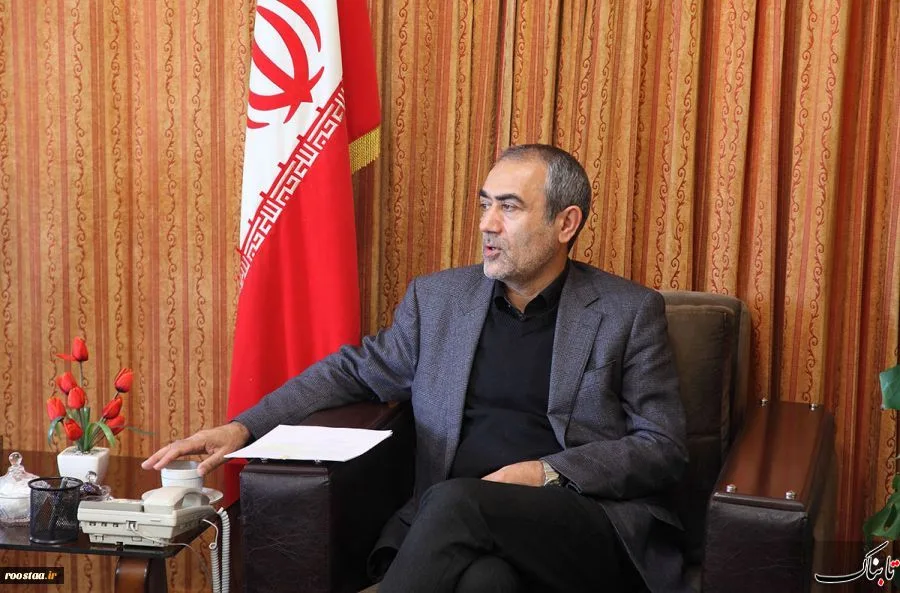
In Petro Omid Asia, Khodabakhsh established a relationship with Ms. Masoumeh Parvinnejad, and after the issue was exposed, he claimed it was "temporary marriage," but investigations show the woman was married, and this action had no religious or legal validity according to Shia jurisprudence..
Khodabakhsh's cousin, Isa Kazemnejad, a board member of the same company, was aware of this relationship and even suggested temporary marriage, while he himself was married..
71 Billion Toman Financial Case in Kayson Company
Financial documents from the past two years of Kayson Company show Khodabakhsh transferred 71 billion tomans from the Silk Road project without legal formalities to the account of Samin Arzooei (Khodabakhsh's brother's wife). This theft was exposed in 2023 in Ardabil news channels..
Network of Influence; From Governorship to Jam Petrochemical
In recent years, Khodabakhsh, with a religious appearance and demonstrative behaviors, has managed to infiltrate a network of reformist managers, industrial managers, and circles of power. He has been: the governor of Ardabil and has played roles in telecommunications, industry, and energy projects, and most importantly, has dealt with the media, paying to prevent the publication of critical reports, has secret numbers for unofficial communications, and in the petrochemical structure, with the support of Qaem Panah and factions close to the presidency, has gained a position..
This corrupt network in the presidential institution today has elevated him from the head of Padjam Petrochemical to the chairman of the board of Jam Petrochemical, pursuing a major embezzlement while the law explicitly prohibits such an appointment..
Collapse of Oversight and Economic Security
These types of appointments mean systemic corruption in the oil and petrochemical industries and establishing illicit relationships and adultery means weakening public trust and the absence of oversight mechanisms and the complicity of security in the abuse of women in the industrial complex. Moreover, with increasing hidden economic costs due to cronyism benefiting contractors, it will lead to reduced productivity and investment security in core industries, and this expansion of informal power networks operating outside the law is a network of systemic corruption advancing with security support..
In this case, even when the National Audit Office and the Inspection Organization declared the violation "definite," it is interesting that the Pezeshkian government not only did not prevent it but also approved the promotion in such a way that the chairman of the board would be where the head (Jam) is illegally, meaning that the overseer is where he is the head..
When the Law Is for "Others"پ
This case is a clear example of the governance crisis in the Islamic Republic; where: the law is only enforced for ordinary people, regulatory bodies have become ineffective, and power networks circumvent the law, and ethical, financial, and administrative corruption does not prevent the promotion of managers, and security agencies alter inquiries based on political influence. Majid Khodabakhsh, at 70 years old with confirmed corruption cases, manages one of Iran's most important petrochemical companies not because of competence but because of a network that has turned the law into a tool..