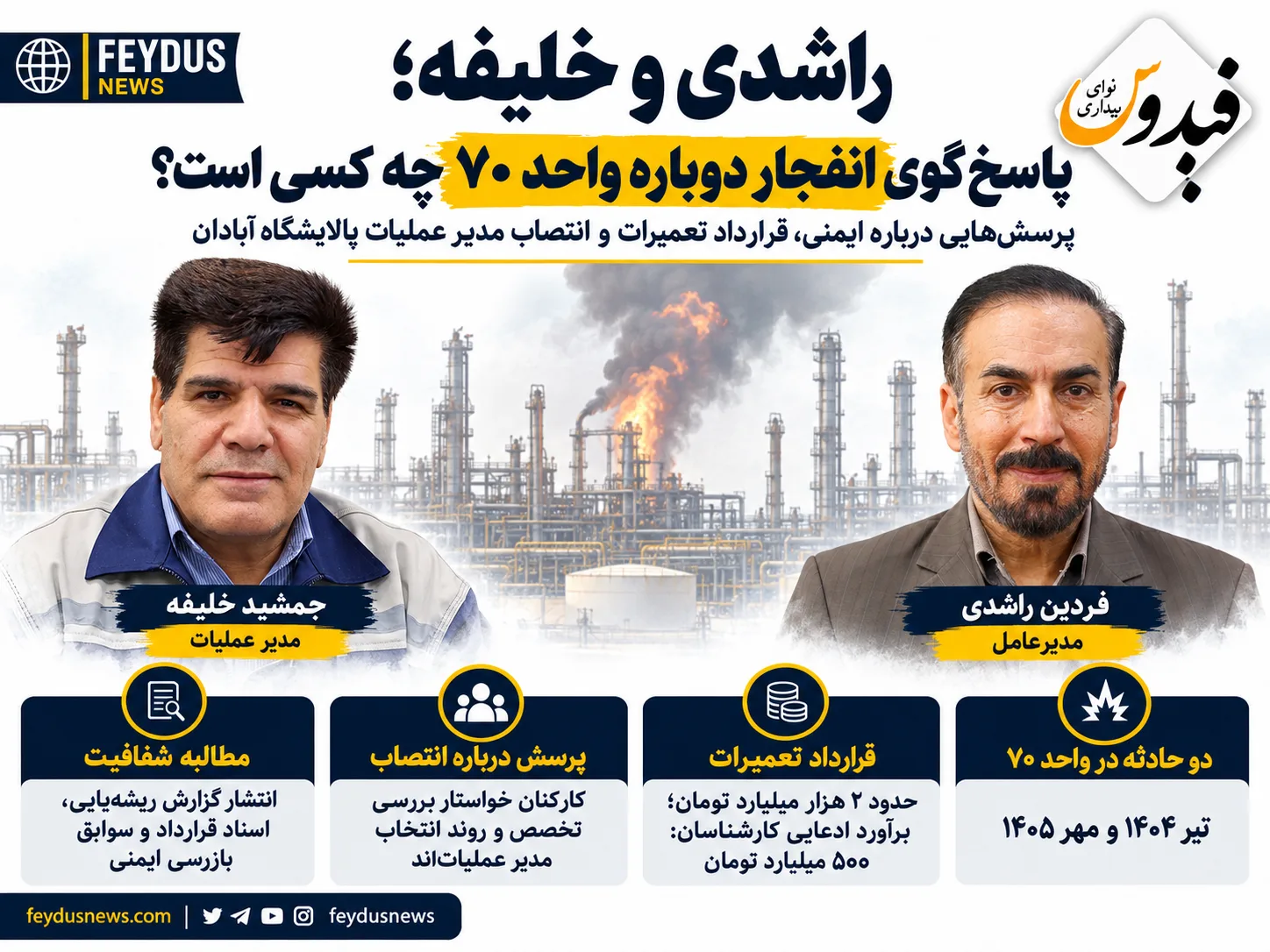
Two serious explosions in less than fourteen months in unit 70 of the Abadan refinery, even after spending billions of tomans on "major repairs," have now starkly posed this question to the public: Has the heart of the oldest refinery in the Middle East fallen victim to a network of corruption, sham tenders, and crony appointments that have sidelined worker safety and Iran's energy security?
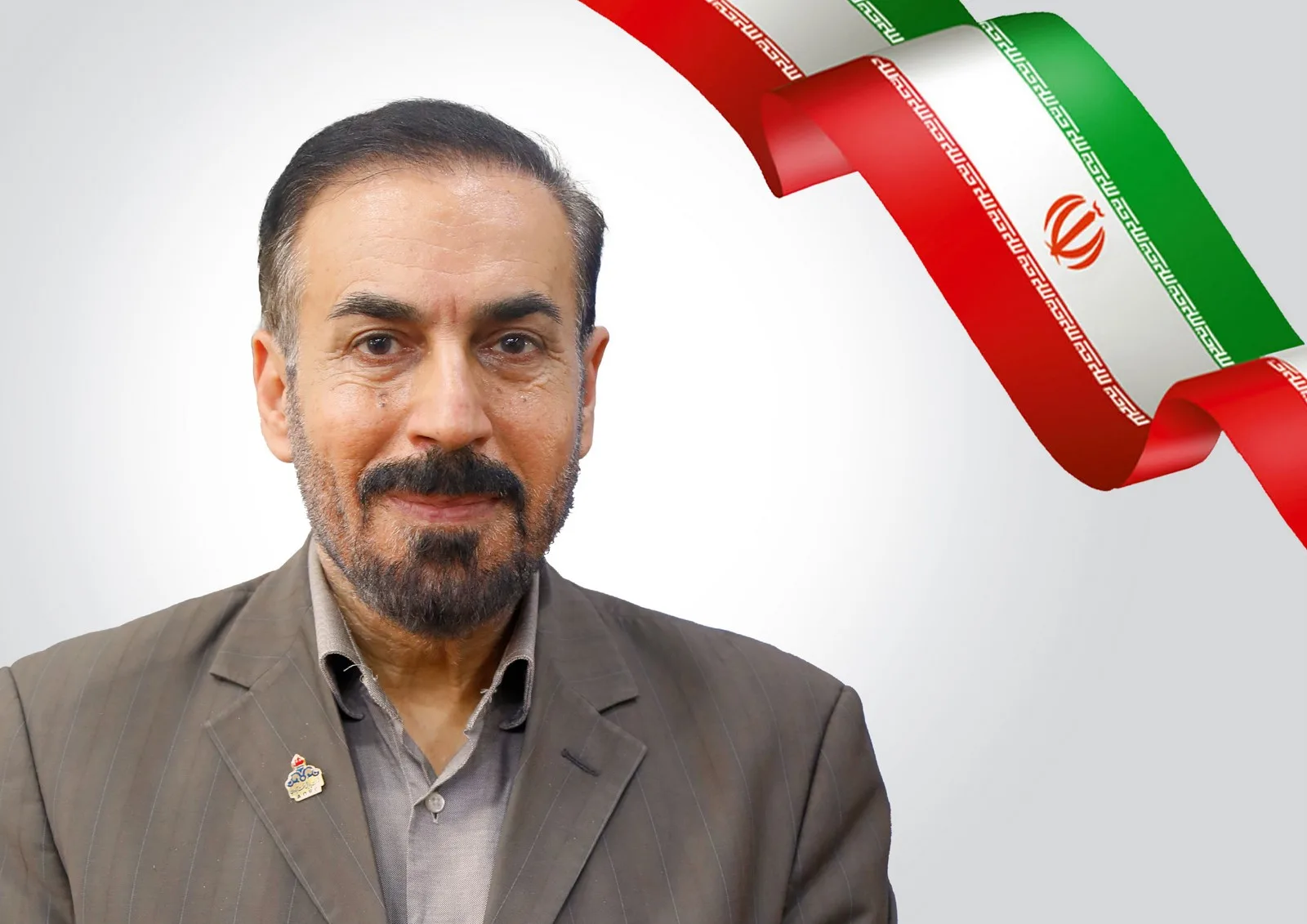
This issue, considering the repeated news of managerial misconduct and inefficiency since Fardin Rashidi's tenure as CEO, clearly highlights the consequences of Rashidi's poor performance on safety, efficiency, and worker satisfaction at the refinery. His name and the circle of managers he appointed have repeatedly appeared in various corruption cases, including coordinated theft from its warehouses.
Meanwhile, the occurrence of safety-related incidents, including explosions within the refinery, has elevated the issue of management inefficiency from corruption and damage to national assets to the point of devaluing the lives of the hardworking workers of this vast and old industrial complex.
A History Overlooked
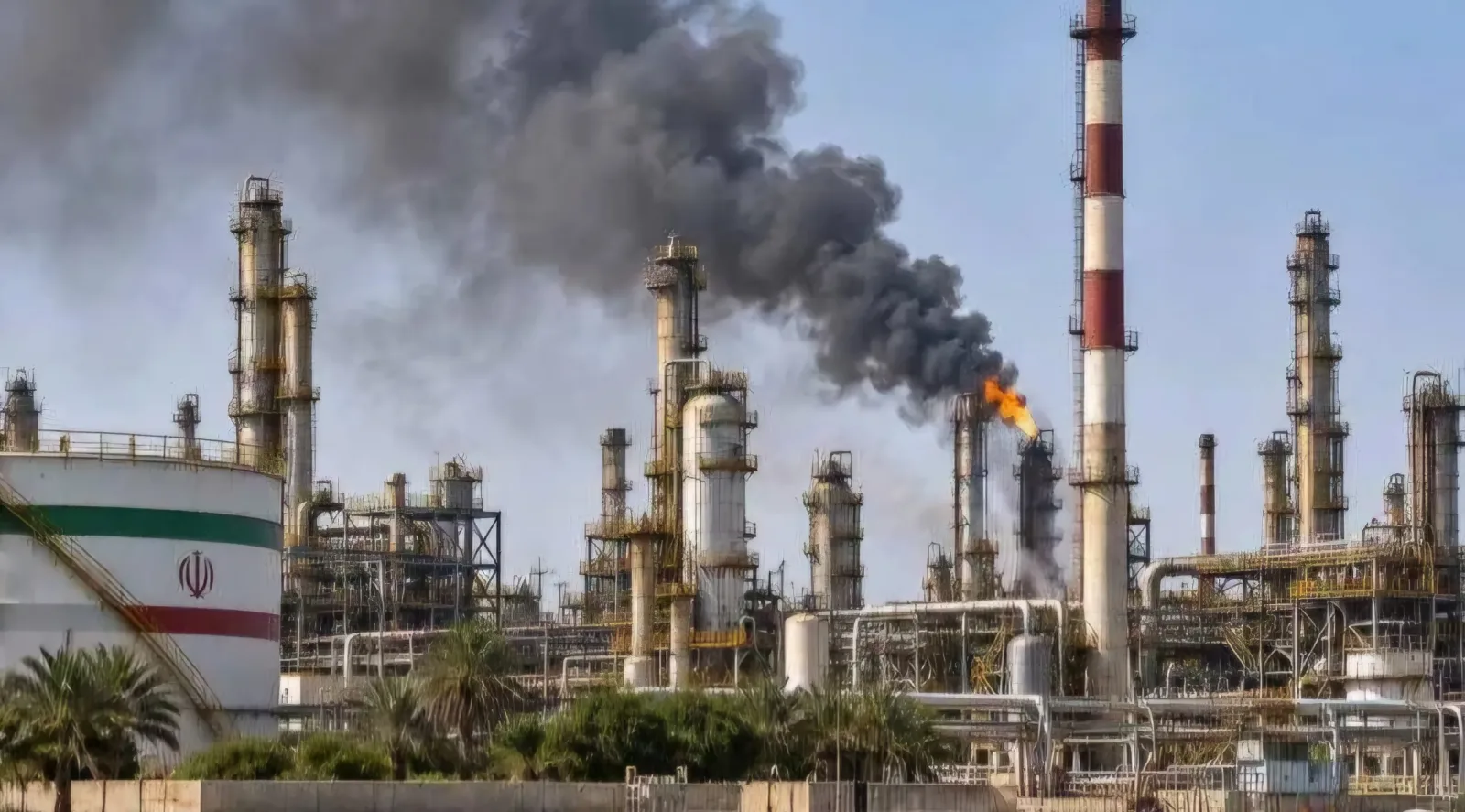
The Abadan refinery, the first oil refinery in the Middle East and one of Iran's largest gasoline producers, has effectively become a scene of repeated industrial accidents over the past two years. In July 2025, a fire in the distillation tower of unit 70 left at least three dead and several injured. Reports from international news agencies, including Reuters, highlighted the aging equipment and the urgent need for Iran's oil infrastructure to be modernized.
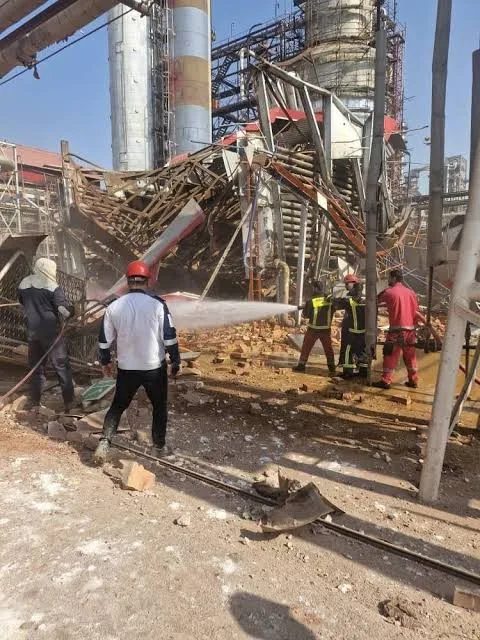
Despite this deadly history, on the morning of Thursday, September 23, 2026, the furnace related to the vacuum distillation unit of the same unit exploded and collapsed again; three workers were burned and transferred to Ahvaz hospital, and the governor of Khuzestan was forced to confirm the incident. Government media, following a repetitive pattern, cited the cause as a "technical defect" and a "temporary problem" in one of the units, while independent reports indicate a reduction in gasoline production capacity from about 11 million liters to eight million liters per day and the loss of tens of thousands of barrels of refining capacity.
After last year's incident, the repair of the tower and furnace of unit 70 was carried out through a contract worth about two trillion tomans, while experts estimated the actual value of the project to be around 500 billion tomans. Ultimately, a "sham tender" and the selection of a contractor close to Rashidi took over the management of the refinery and a project several times its real value, and now the result of their work, namely the repaired furnace, has exploded again in less than a year.
Unrelated Management at the Heart of Operations
This numerical discrepancy is indicative of an established pattern seen in many of Iran's oil projects: artificial inflation of contract figures, elimination of real competition, and turning safety and renovation projects into a source of rent for circles close to power, where in such a structure, execution quality and safety standards are practically sacrificed because the main goal is "profit for the contractor and their supporters," not protecting workers' lives and ensuring continuous production.
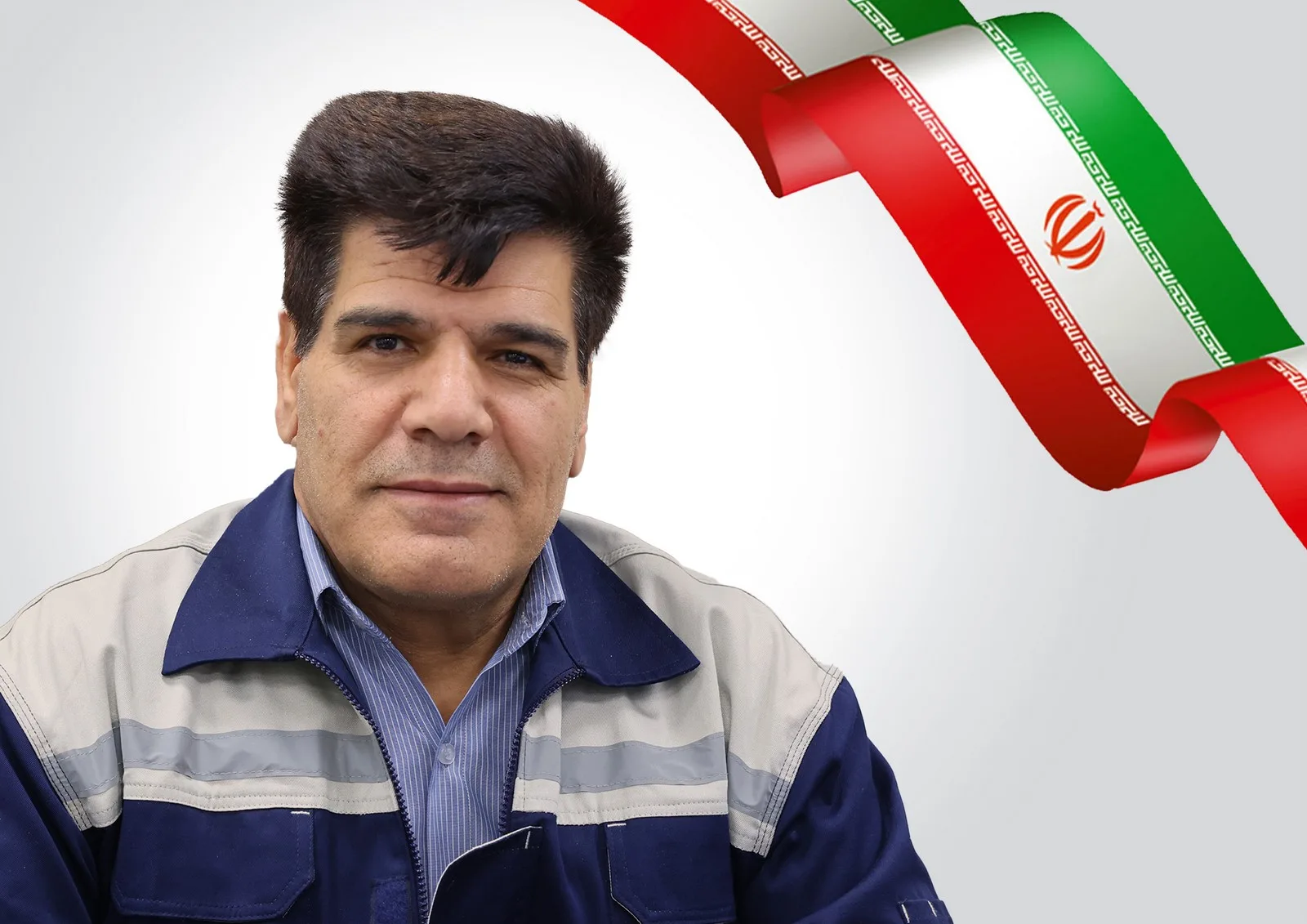
In protest texts from employees and industrial activists, the name Jamshid Khalifeh, the operations manager of the Abadan refinery and a board member of this refinery, is repeatedly mentioned as a symbol of crony appointments. A manager with an unrelated degree who has been placed in the sensitive operations chair through pressure from Tehran and by managers of the National Iranian Oil Refining and Distribution Company, including Dadvar (Azimi-Far's executive deputy). The purpose of this appointment was not to enhance safety and efficiency but "coordination in product sales" and "selection of preferred contractors"; precisely where structural corruption in Iran's oil industry takes root.
This pattern is not limited to Abadan. According to employees, Dadvar also has a history of "blowing up this refinery" and serious incidents at the Lavan oil refinery; a sign of a cycle where managers, without real accountability, are transferred from one crisis-ridden project to another, without transparent mechanisms for root cause analysis, pre-startup safety review (PSSR), and public release of mechanical inspection and repair records being implemented.
Corruption in the development projects of the Abadan refinery has previously been officially confirmed. In November 2021, the National Iranian Oil Refining and Distribution Company announced that two employees of the Abadan refinery phase two project had been arrested on charges of financial embezzlement, and their case had been referred to the judiciary.
However, there is no sign of reforming tender structures, contract transparency, or public release of case details. Instead, the same managerial and contracting networks, with changing faces and titles, appear in new projects, from major repairs of unit 75 with multi-trillion budgets to the reconstruction of unit 70, which has now exploded again.
This cycle sends a clear message: oversight bodies in the Islamic Republic, from the Court of Audit to the Inspection Organization, are either powerless against the networks of rent and corruption in the oil industry or complicit; the result is the continuation of incidents, repeated explosions, and turning refineries into hazardous environments for workers.
The repetition of incidents in unit 70, even after heavy budget expenditures and claims of "major repairs," is a serious alarm from an engineering process and global safety standards perspective. This situation, instead of vague statements about "technical defects," requires the publication of an independent incident root cause report, public presentation of PSSR documents, mechanical inspection records, and contractor contract details. A report that is not prepared under the supervision of the same corrupt managers but with the participation of independent experts and international bodies.
The systemic nature of corruption in various sectors of Iran's economy has practically made such transparency impossible. As long as crony appointments, sham tenders, and contractor networks close to power dominate Iran's oil industry, the Abadan refinery and dozens of similar facilities will remain at risk of future explosions.