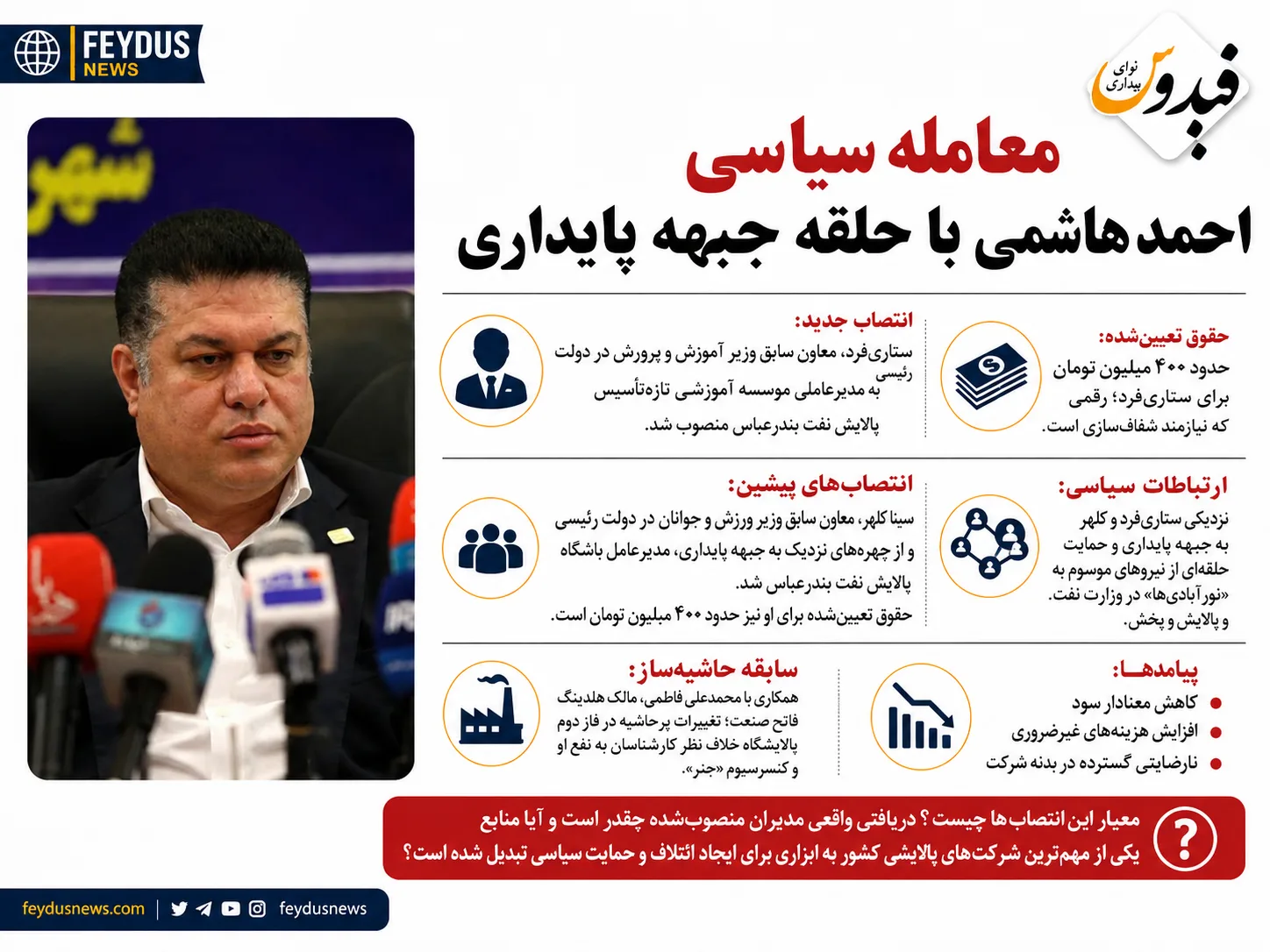
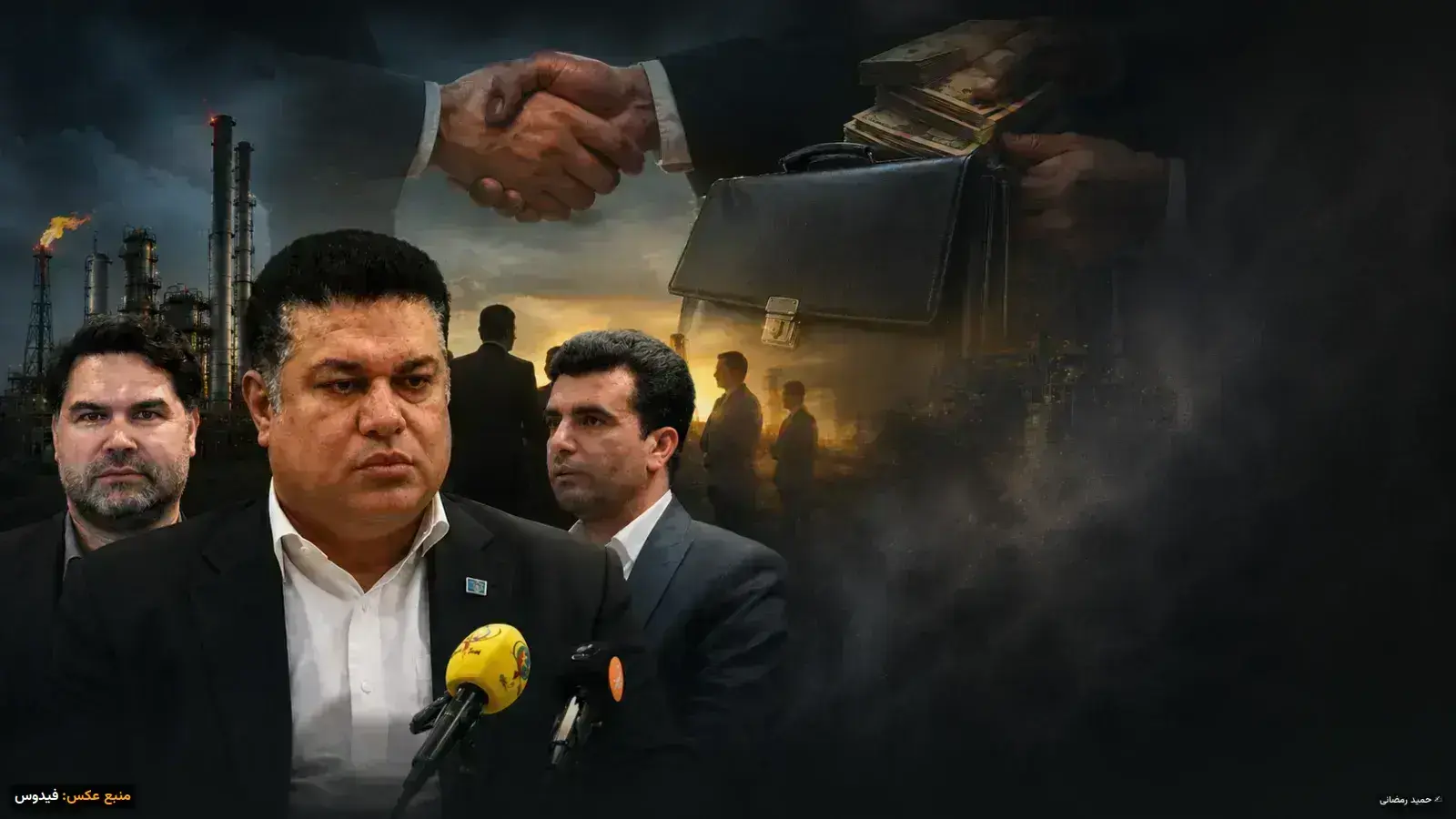
New information from recent appointments in the Bandar Abbas Oil Refinery has once again drawn attention to Ahmad Hashemi's managerial performance and the political connections of these appointments. According to informed sources, Hashemi has recently appointed "Sadegh Sattari-Fard", the former Deputy Minister of Education in Ebrahim Raisi's government, as the head of the newly established educational institute of the Bandar Abbas Oil Refinery.
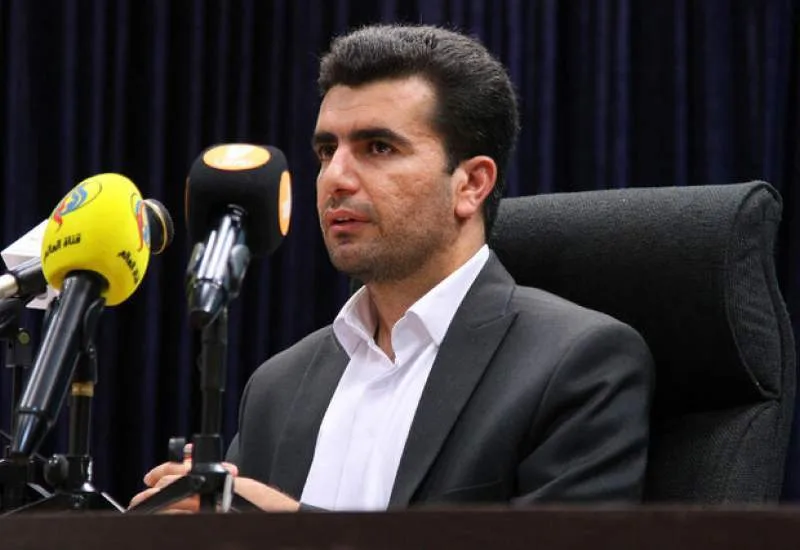
Informed sources have stated that a salary of around 400 million tomans has been set for Sattari-Fard. This amount, especially given the nature of the institute and the economic conditions of the employees, requires clarification from the Bandar Abbas Oil Refinery. Sadegh Sattari-Fard is from Kohgiluyeh and Boyer-Ahmad province and is a fellow provincial of Ahmad Hashemi. Additionally, Fidus sources have mentioned support from a circle of forces known as "Nurabadis" in the Ministry of Oil and the National Iranian Oil Refining and Distribution Company for him, and Sattari-Fard is introduced as a figure close to the Stability Front movement.
Political Appointments in Oil Refining
This is not the first appointment of this kind during Hashemi's tenure. Previously, "Sina Kalhor", the former Deputy Minister of Sports and Youth in Ebrahim Raisi's government and a figure close to the same political spectrum, was appointed as the CEO of the Bandar Abbas Oil Refinery Club. Informed sources claim that a salary in the range of 400 million tomans was also set for Kalhor. These two appointments now raise the question of whether Hashemi is trying to create a backing for his continued presence in refinery management by assigning managerial positions to figures close to a political movement.
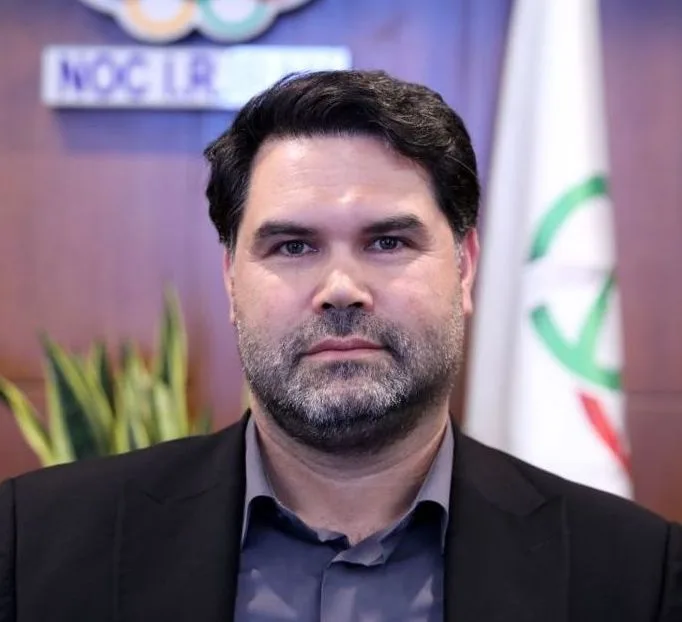
This situation occurs while Hormozgan is facing a significant population of educated and job-seeking youth. Therefore, the performance of Mohammad Ashouri, the governor of Hormozgan, and the representatives of this province is also questioned; why is there no transparency regarding the criteria for selecting non-native managers and their salaries in an economically significant entity like the Bandar Abbas Oil Refinery?
Political and Economic Connections
The issue becomes more sensitive when these appointments are placed alongside the published information about the connection of certain figures in the so-called "Trustees" case with individuals affiliated with the Stability Front. According to information related to this case, it is said that Ruhollah Razavi, one of the figures mentioned in the Trustees case, is the son-in-law of Moteqi Far, the spokesperson of the Stability Front. Additionally, some documents indicate the role of Razavi and Mohammad Hadi Momenin in providing financial resources related to the political activities of this spectrum.
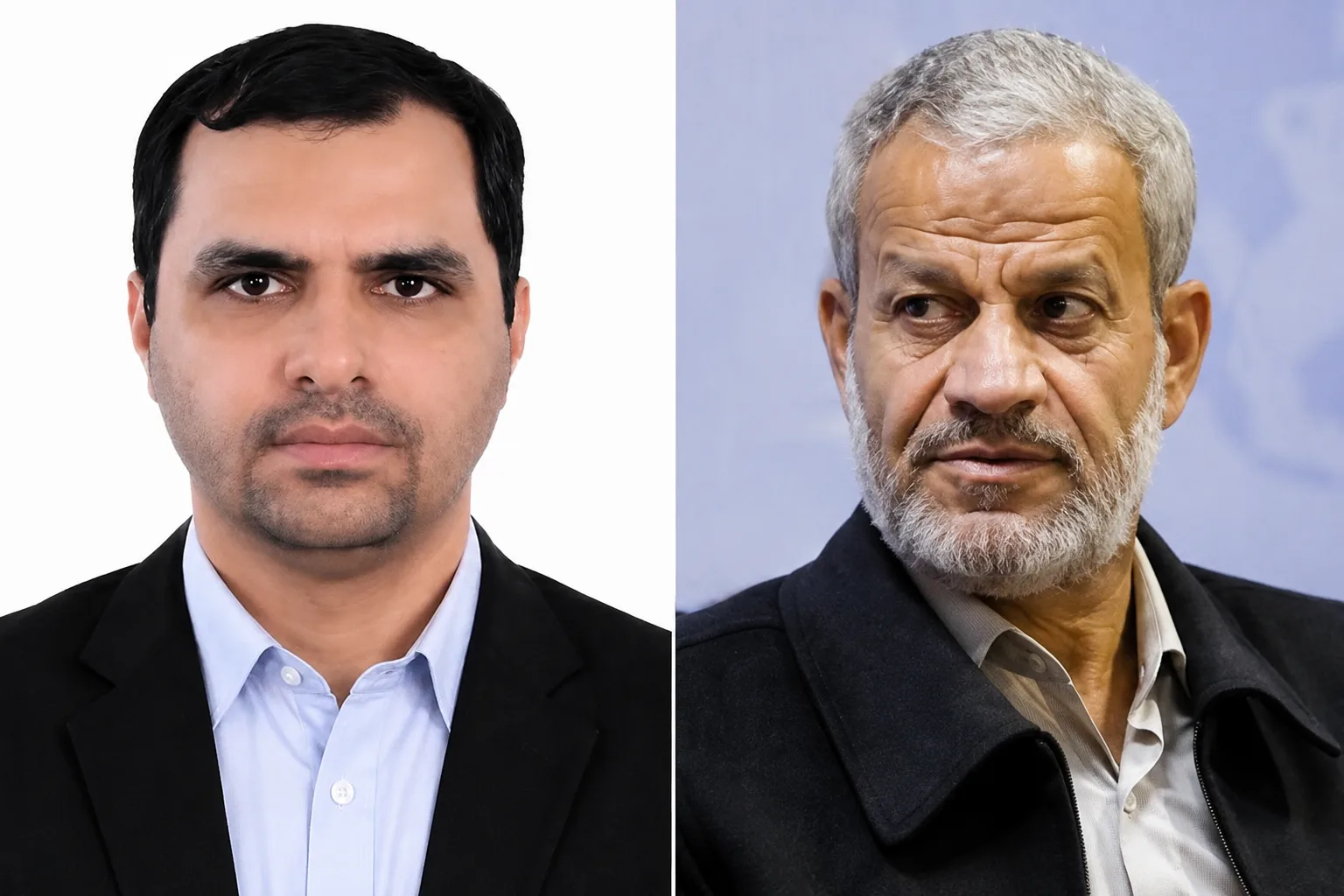
In such circumstances, the appointment of figures close to this movement in energy sector companies raises the serious question of whether there is a connection between the economic network formed around oil companies and the managers' efforts to gain political support.
Ahmad Hashemi's performance has previously been accompanied by controversies regarding refinery contracts. One of the most significant cases relates to cooperation with entities associated with Mohammad Ali Fatemi, the owner of Fateh Sanat Holding. Fidus previously revealed in a report that during the implementation of the second phase of the Bandar Abbas refinery, changes were made contrary to the opinion of some experts in the project, ultimately creating significant benefits for entities associated with Fatemi and the "Gener" consortium.
All these issues, from controversial contracts to the appointment of managers close to political movements, have created an image of a management style that critics say is based on networking and securing support to maintain managerial positions. Meanwhile, internal sources speak of increased unnecessary expenses, a significant decrease in profits, and growing dissatisfaction within the Bandar Abbas Oil Refinery.
The main question now is directed at the Ministry of Oil, the National Iranian Oil Refining and Distribution Company, the governor, and the representatives of Hormozgan: What are the criteria for these appointments, what are the actual salaries of the appointed managers, and has the resource of one of the country's most important refining companies become a tool for creating alliances and political support?