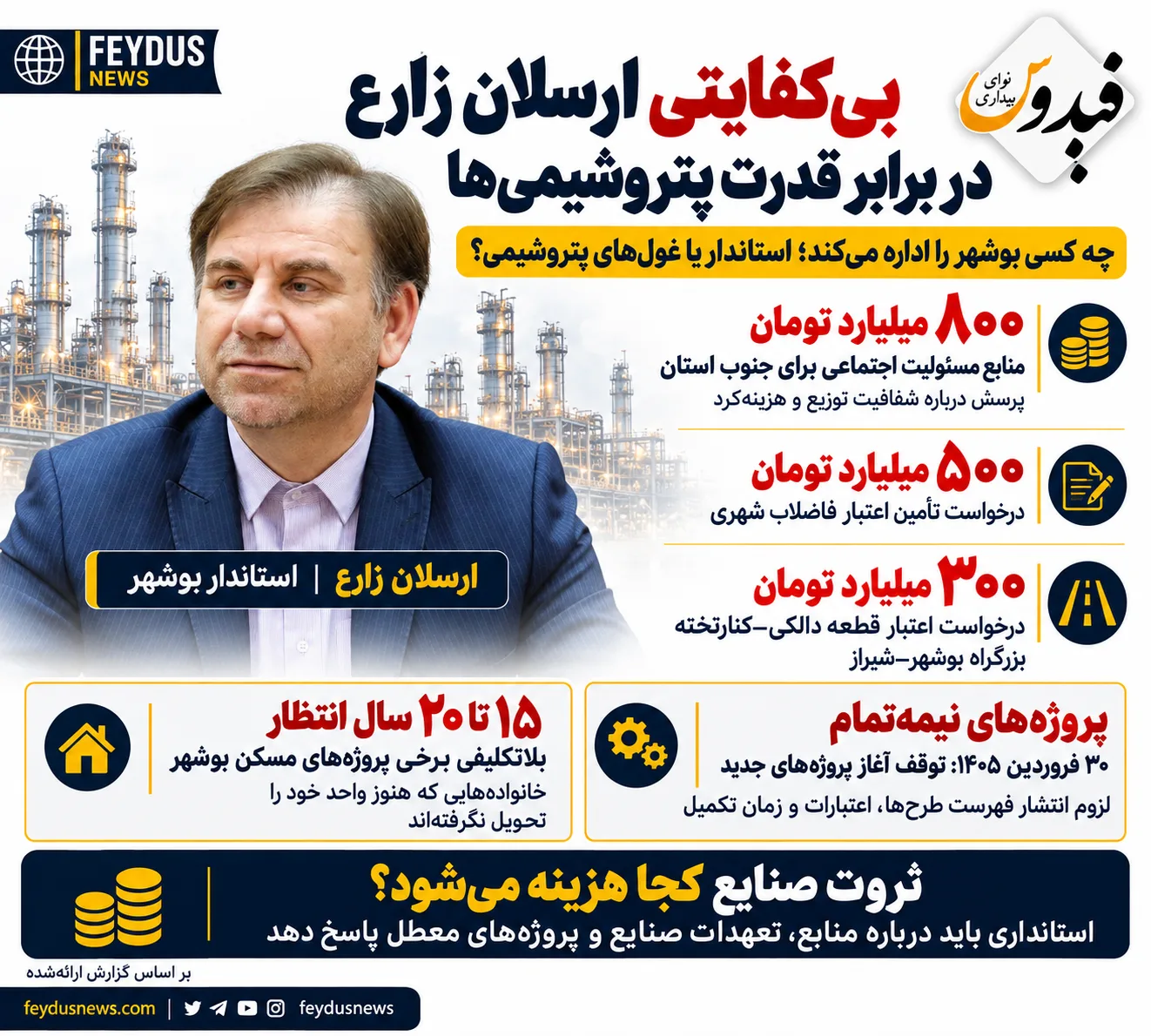
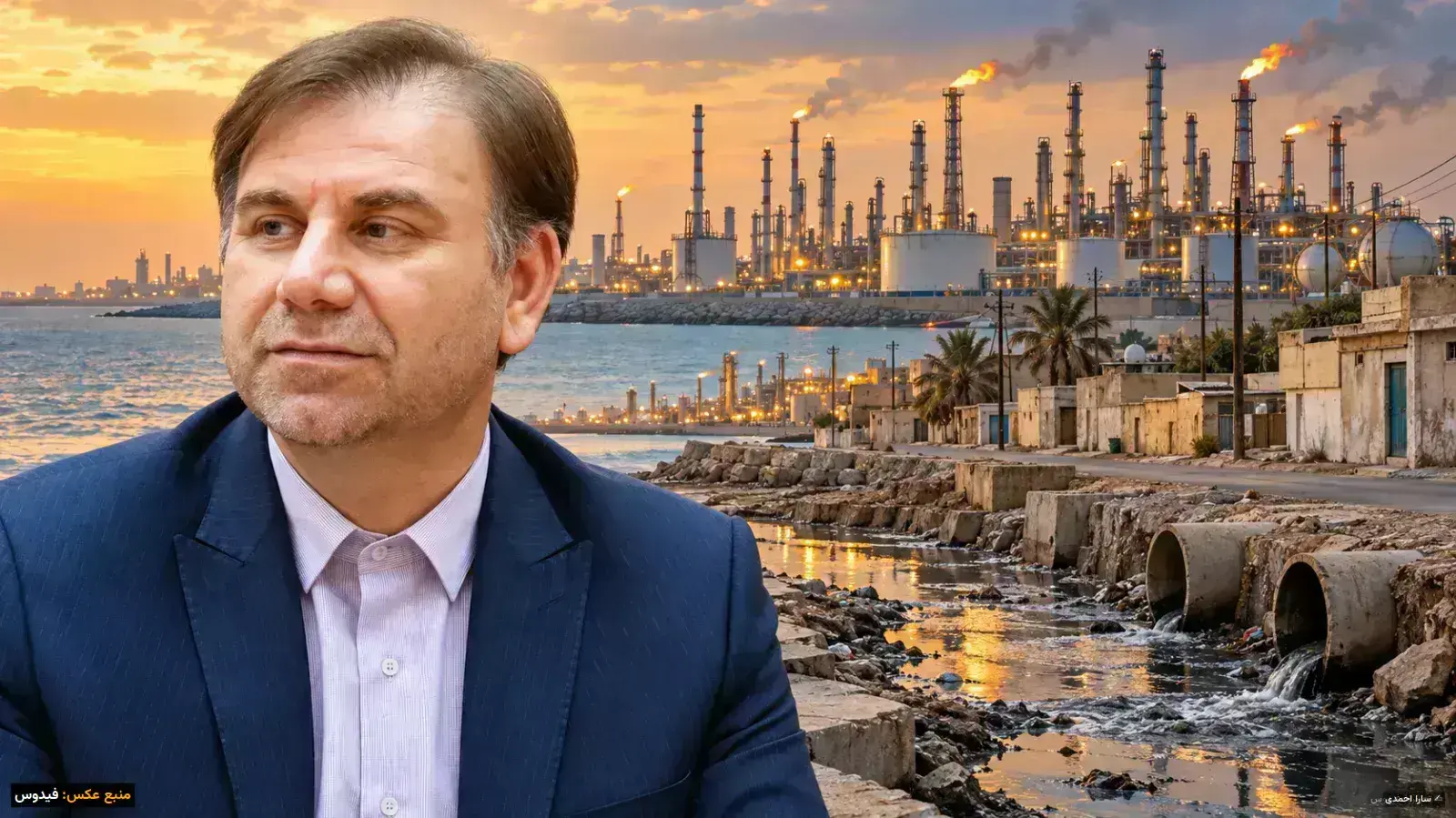
In Bushehr, the billion-dollar wealth of oil and petrochemicals stands alongside the deprivation of the people and unfinished projects. Arslan Zare, the governor of Bushehr, despite his responsibility to pursue the province's development, has yet to provide a clear answer about the fate of petrochemical resources, unfulfilled industrial commitments, and pending projects. This situation has turned the performance of the governor's office and the influence of petrochemical companies into a symbol of the gap between the immense wealth of petrochemicals and the deprivation of the people, highlighting Arslan Zare's responsibility for pending projects and non-transparent financial resources.
In December 1404, Tasnim News Agency warned in a report titled "Energy Industries, Regulator of Development in Bushehr" that major oil and gas companies are playing a role beyond the economic sphere. The report showed that 800 billion tomans of petrochemical social responsibility resources have been allocated to the south of the province; without a transparent and assessable mechanism for the distribution of these credits.
Petrochemicals are drowning in wealth while the people of Bushehr are in deprivation; Arslan Zare must answer where the industrial resources have been spent and why the province's development is still lagging behind. In September this year, Arslan Zare requested 500 billion tomans for the completion of urban sewage and 300 billion tomans for the Dalaki section of the "Konartakhteh Bushehr - Shiraz highway. In the shadow of the billion-dollar wealth of petrochemicals, vital projects in Bushehr are still caught in financial difficulties.
In oil-rich Bushehr,
budget concentration in Tehran and ambiguity in spending, along with the governor's personal brokerage for personal benefits from petrochemical resources, have sidelined the province's development and revealed the inefficiency of the Islamic Republic's governance structure in fair wealth distribution..
Halt of New Projects; Budget Policy or Construction Stagnation?
On 30 Farvardin 1405, Zare announced in the Provincial Planning Council that no new projects should be initiated and funds should be allocated to complete unfinished plans. This policy seems logical on the surface, but without releasing precise data on the number of completed projects, the amount of funds paid, and changes in project timelines, it cannot be assessed whether this decision will accelerate development or exacerbate construction stagnation.
Simultaneously, recent reports indicate the uncertainty of some mass construction projects in Bushehr for 15 to 20 years. Mehrzad Asayesh, a city council member, warned that dozens of families have yet to receive their units. The government could have opened the way for free delivery of units to the people by changing the ground floor's usage to commercial and handing it over to the contractor; however, it does this for its close security and political circle. Moreover, why is the governor's office unwilling to use the wealth of petrochemicals and industrial social responsibility resources even for providing housing to the people and improving urban infrastructure?
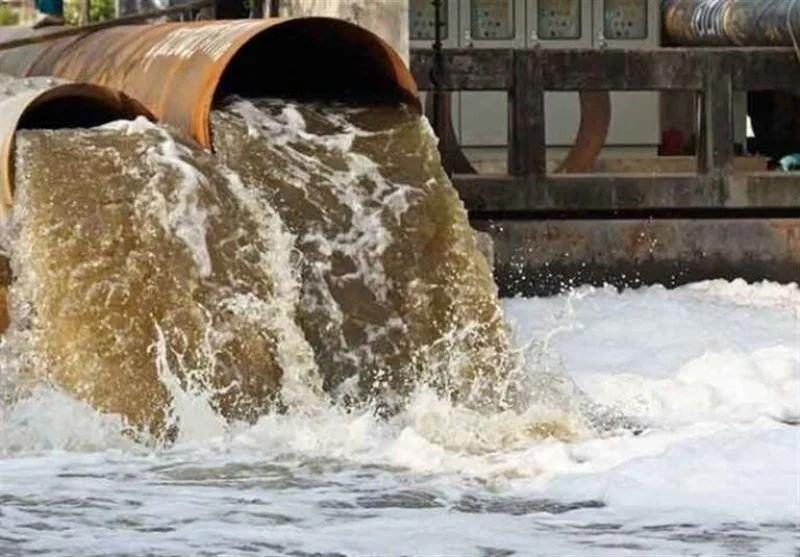
Social Responsibility of Industries; A Promise Unfulfilled
The governor of Bushehr admits to the failure of industries in responding to the people's needs; but are petrochemical resources spent on alleviating deprivation or granting privileges to contractors and those close to power? The silence of oversight bodies in the face of financial crimes by the governor's office and petrochemicals is questionable; why don't the Inspection Organization and the Court of Audit clarify the fate of resources, conflicts of interest, and preferential hiring?
The concentration of large industries without proportional investment in public services has clear consequences such as deepening class and regional divides, lagging urban infrastructure, labor migration, and delegitimizing the performance of executive bodies. Arslan Zare's performance is under question; personal gain from energy industries has benefited whom, leaving the people of Bushehr with missed opportunities and underfunded construction projects?
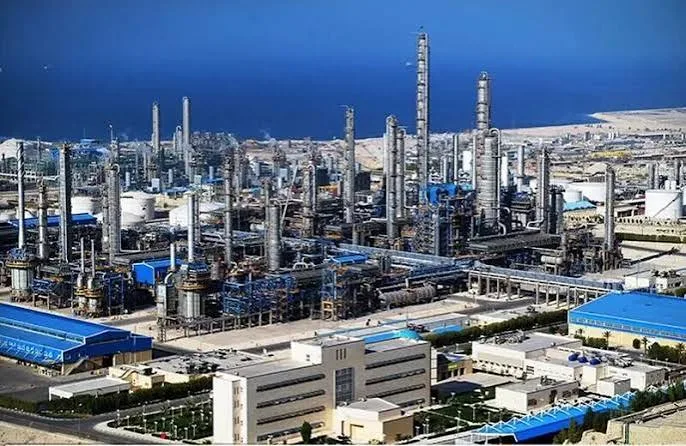
In a province where billions of tomans of wealth are generated, ambiguity in resource allocation and project uncertainty remain; Arslan Zare, as the governor, must answer why the people of Bushehr do not receive a fair share of this wealth.
As long as the governor's office does not clarify the fate of petrochemical resources, project spending, and serious suspicions of personal influence and preferential hiring, the question remains: who benefits from Bushehr's wealth and why is the people's share still deprivation?