More than a year after Abdolmajid Khaksar's appointment as CEO of Hengam Petrochemical, reports from the organization indicate ongoing issues with the urea unit's launch, futile equipment repair costs, and employee dissatisfaction with HR policies. Critics say there is a significant gap between Khaksar's initial promises to combat discrimination, reduce costs, and implement structured hiring, and the decisions made during his management period..
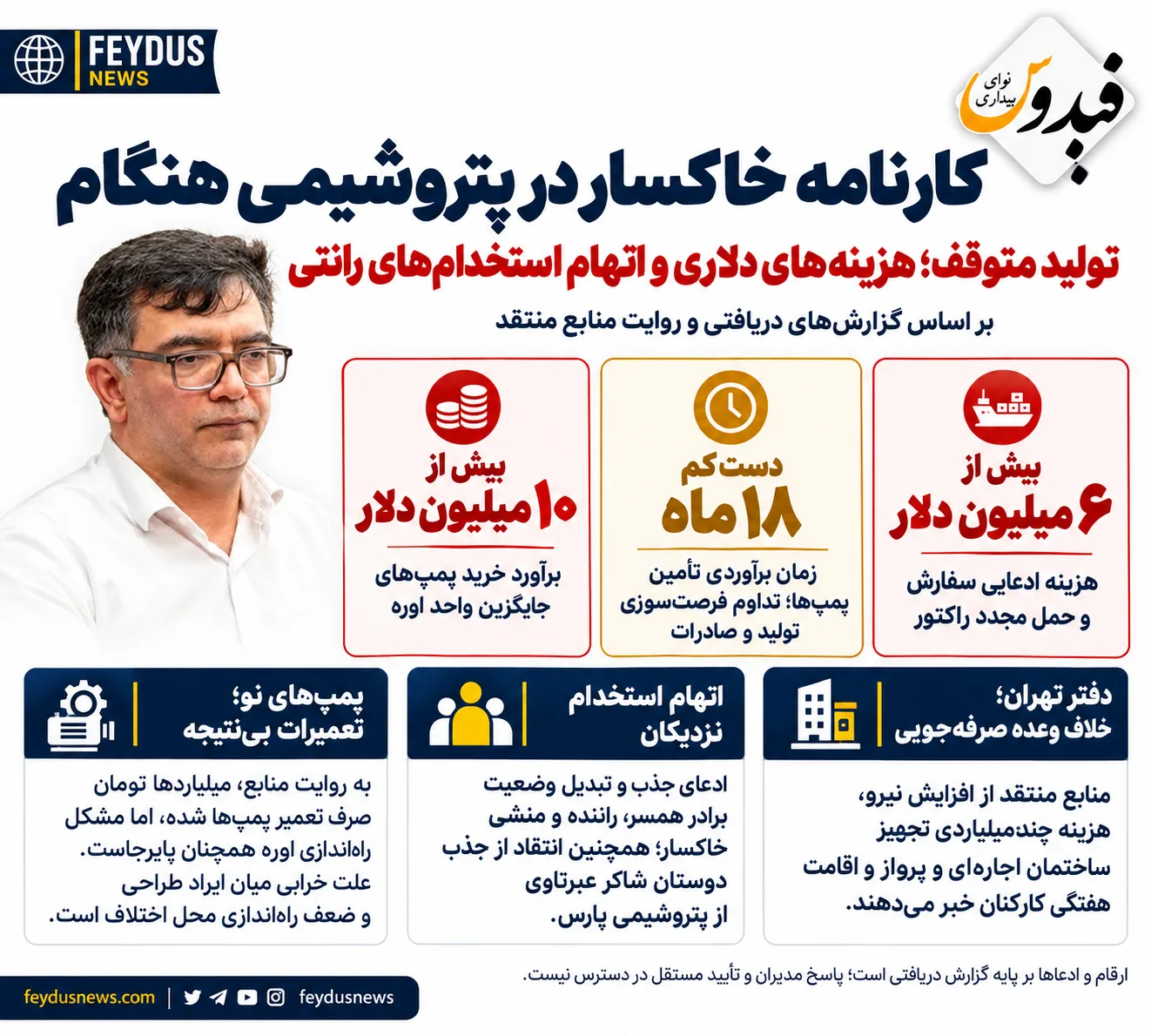
These criticisms range from allegations of hiring and status conversion of the CEO's relatives to the role of Shaker Ebratavi, HR Manager, in recruiting personnel connected to himself. Simultaneously, the failure of pumps in the urea unit and the potential need for over 10 million dollars to replace them have clouded the production outlook.
Expansion of Structure and Allegations of Double Standards with Employees
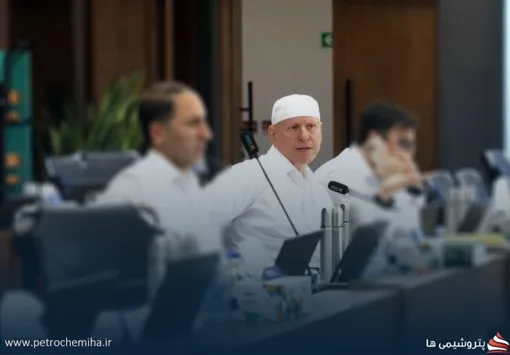
According to critics, Khaksar, who previously worked at Nouri Petrochemical, initially opposed excessive recruitment, family hiring, and unprincipled organizational chart expansion at the start of his tenure. However, during his management, several dozen official, direct contract, contractor, and daily wage workers were added to the organization; these sources claim that some of them were relatives of managers and dismissed, surplus, or sidelined employees from other companies..
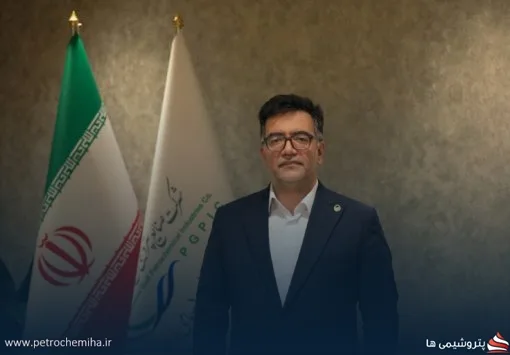
Critics say this expansion was done without publishing clear recruitment criteria and human resource needs assessment. They believe that weak regulations and evaluation mechanisms have increased the possibility of nepotistic hiring and assignment of positions without meeting qualifications, raising organizational costs..
The Tehran office is also a point of contention. According to received information, Khaksar initially promised to reduce the number of employees in this office to a maximum of five, but after contact and influence from powerful individuals, he backed down from this decision. Critical sources claim the number of office employees has increased, and several billion tomans have been spent on renovating and equipping its rented building; an expense whose economic justification is unclear given the potential non-renewal of the lease..
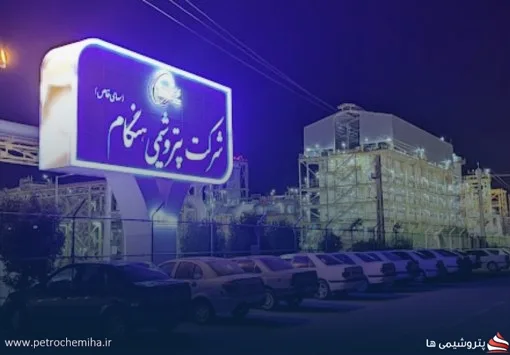
These sources also report weekly commutes of some Tehran office employees to Asaluyeh: flying at the start of the week, staying in a hotel for a few days, and returning by flight at the end of the week. They say the cost of this work pattern is inconsistent with the promise to reduce unnecessary expenses..
In the human resources domain, issues such as irregular recruitment and accommodation, granting of welfare benefits, adjustment of educational qualifications, mismatch of degree with job position, relational promotions, and lack of annual evaluations have been raised. Critics say Khaksar, despite being aware of these issues and promising reforms, has not taken effective action to establish uniform regulations..
The hiring and status conversion of Khaksar's brother-in-law and personal driver, with reference to the secretariat unit, are specific allegations raised. It is also claimed that his secretary and some other close associates have benefited from recruitment or status conversion. Regarding Shaker Ebratavi, critical sources speak of the transfer and recruitment of his friends from Pars Petrochemical to Hengam, considering this process indicative of networking in human resources..
These sources describe the treatment of critical and demanding employees as another aspect of this policy. They claim that a warlike atmosphere, communication restrictions, and security conditions have reduced the possibility of pursuing protests, while recruitment and status conversion of supported personnel have continued..
Defective Pumps and the Heavy Cost of Production Delays
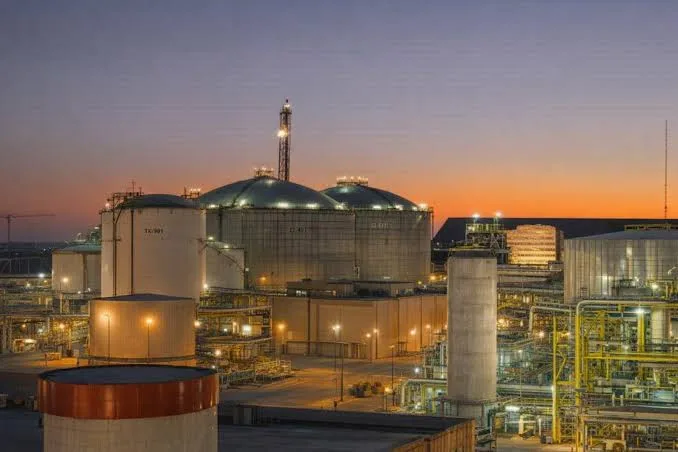
In the production sector, the failure of several urea unit pumps before operation and during startup has been identified as the main obstacle to production. According to received reports, the new pumps have been disassembled, reassembled, and repaired several times, but their issues have not been resolved. Critical sources say billions of tomans have been spent on these repairs without the unit reaching production..
There are different narratives about the cause of the failure. According to a narrative attributed to the current management team, the pumps were purchased from a weak and unreliable company in the early 2010s, and their technical specifications do not match the urea production process at Hengam. In contrast, some sources attribute the equipment damage to the weakness of the startup team. Allegations of sabotage by Khaksar's opponents have also been raised, but no technical evidence or independent investigation results have been provided to prove it..
The estimated cost for purchasing replacement pumps is over 10 million dollars, and the required time is at least a year and a half; a delay that deprives the company of production, export, and revenue opportunities. Critics hold Khaksar, Farzaneh, the complex head, and other managers responsible for continuing futile repairs and missing the opportunity to order replacement equipment..
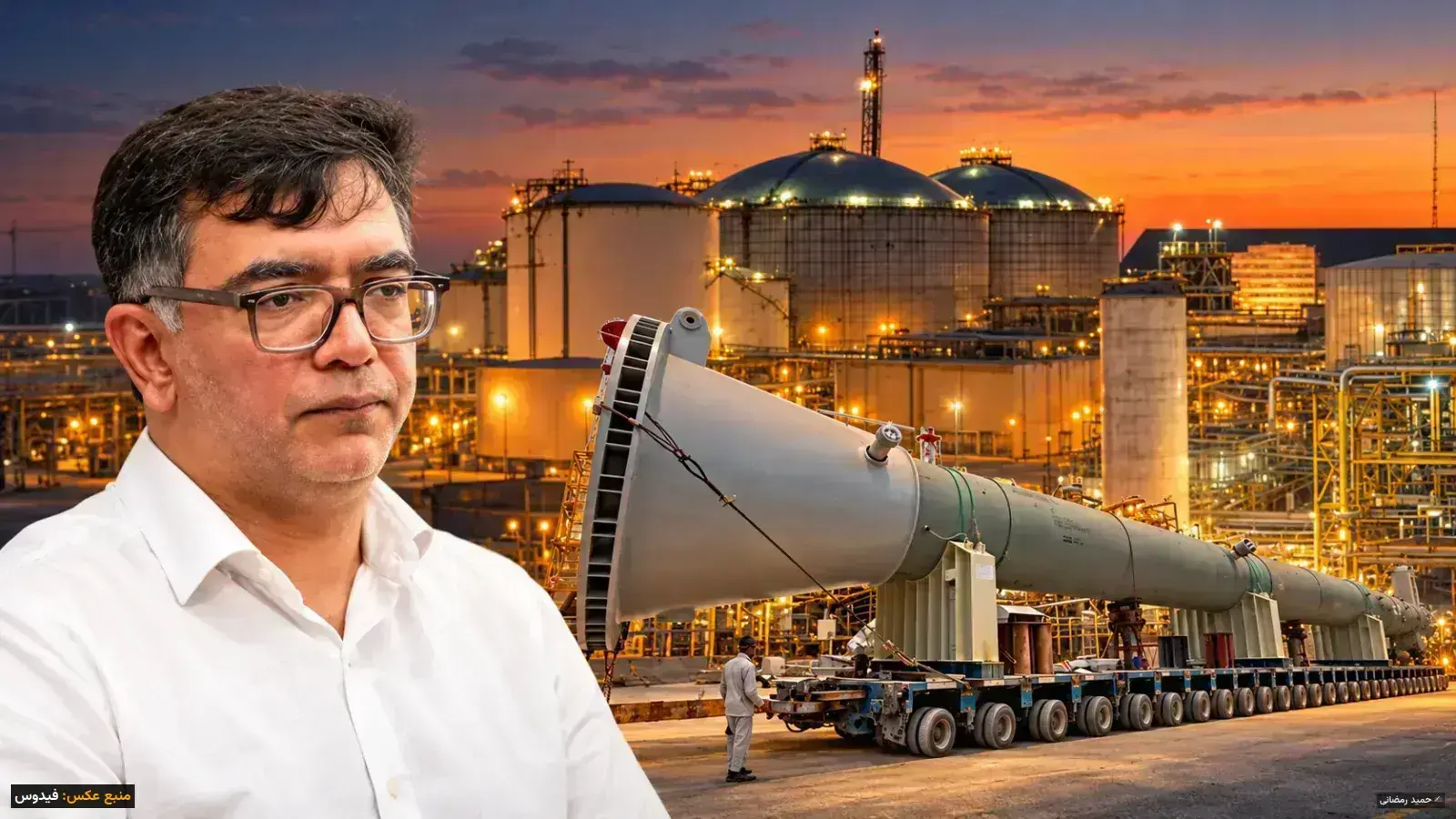
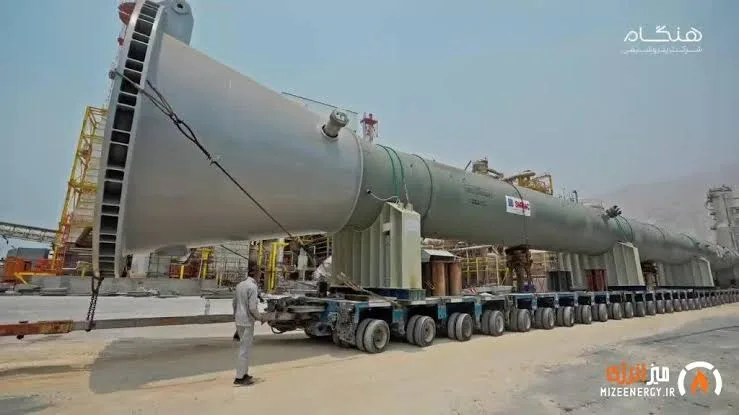
The urea reactor case is also raised in this context. According to the received narrative, the PIDEC company was responsible for supplying and transporting the reactor, and the costs were paid, but this company announced that the reactor sank in the sea while being transported to Iran. Hengam was also forced to spend over six million dollars for reconstruction and re-transportation..
Determining responsibility for the initial purchase, startup, and repairs requires the publication of contracts, expert reports on failures, payment records, and equipment insurance details. In the employee domain, publishing recruitment and status conversion criteria and specific managerial responses to raised allegations will form the basis for evaluating management performance and addressing grievances..