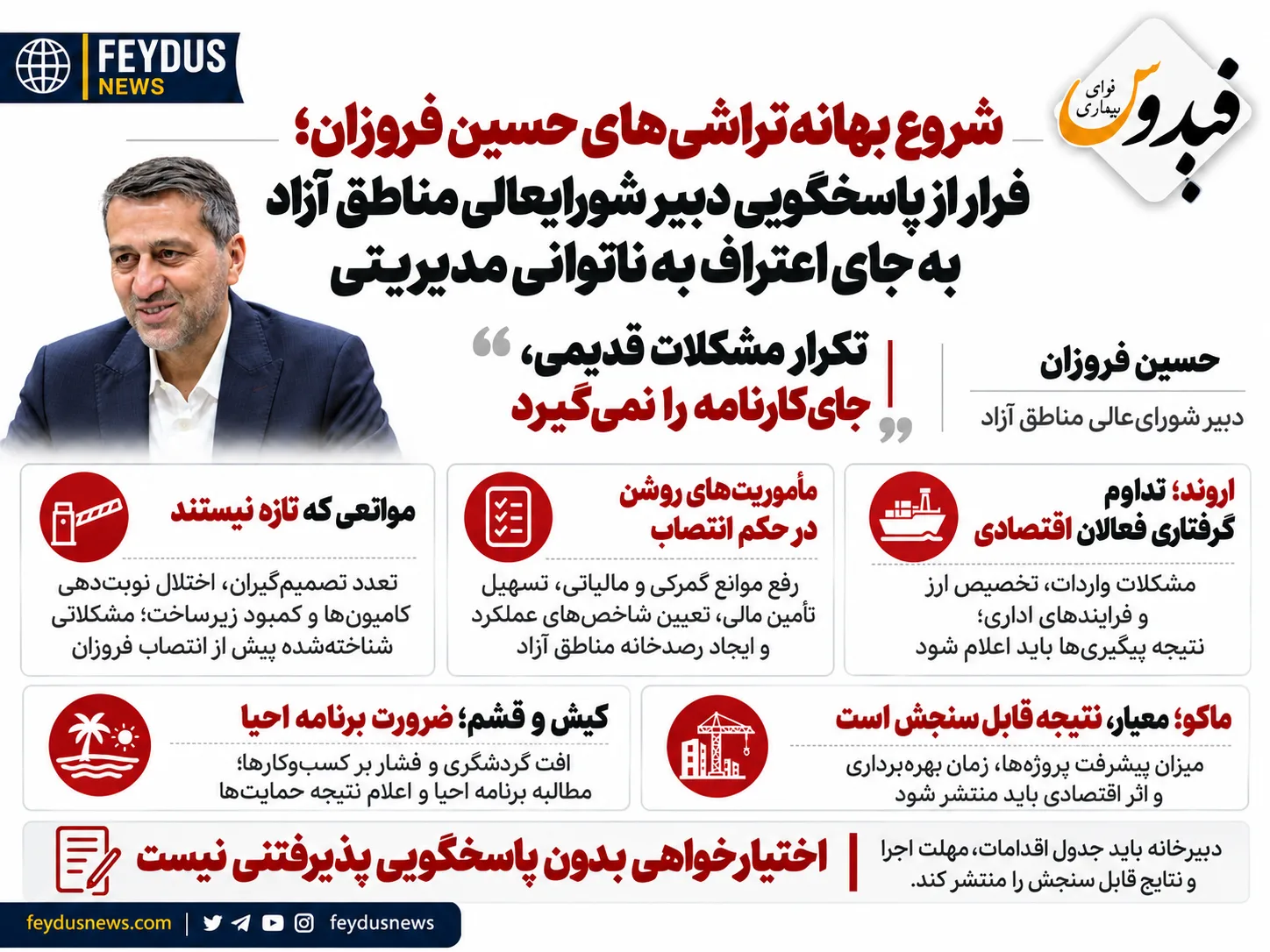
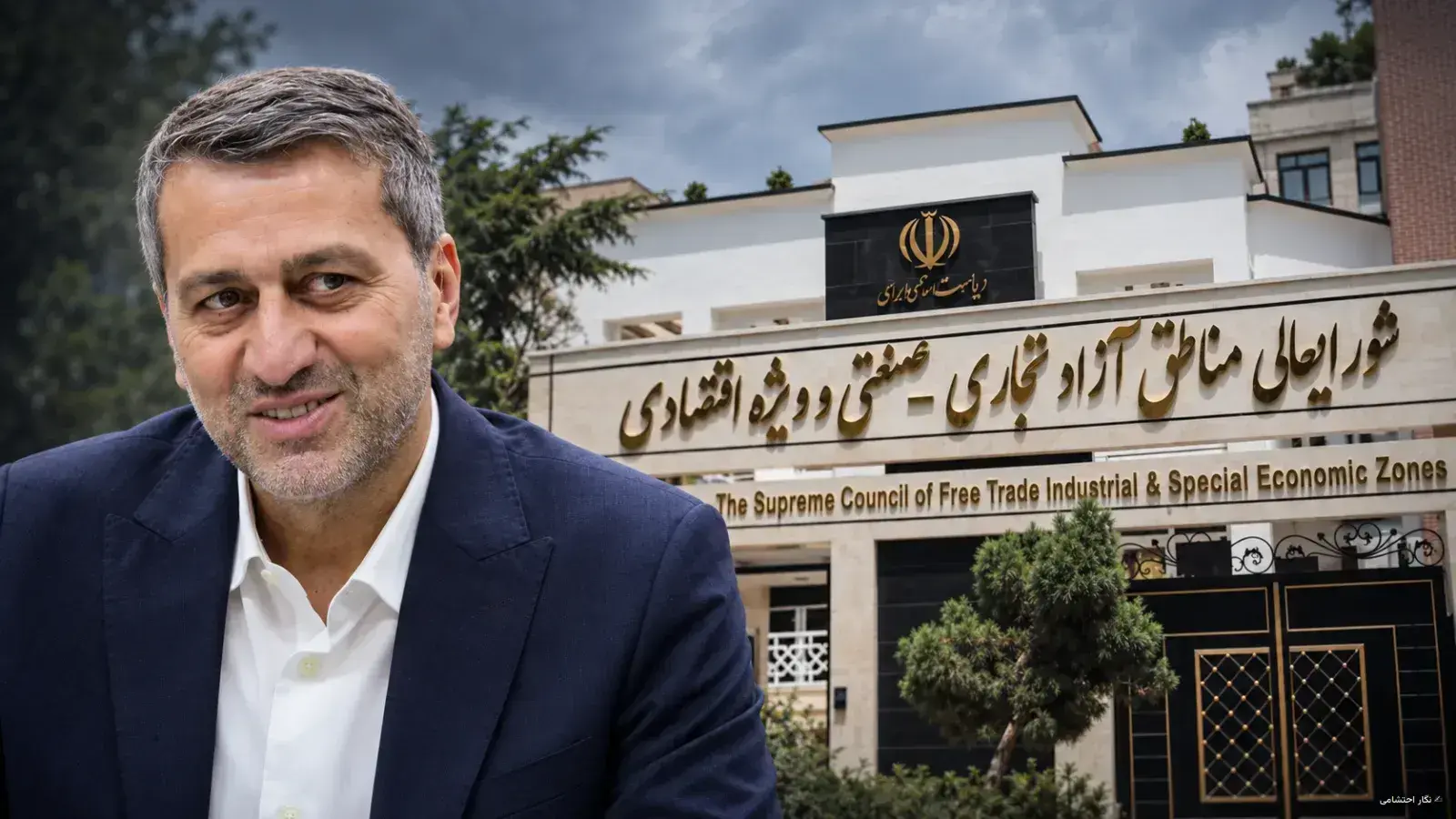
Hossein Forouzan, Secretary of the Supreme Council of Free Zones, criticized the multitude of decision-making bodies at the borders, disruptions in the truck queuing system, and lack of transit infrastructure, calling for integrated management and customs process reforms. However, these statements are more a repetition of pre-existing issues than an explanation of his performance. A manager who has accepted the responsibility to reform cannot simply list the same old obstacles and substitute this list for a track record.
About three months have passed since the publication of his appointment order on the fifth of Mordad 1405. This time is not enough to resolve all accumulated problems, but it is sufficient to present an executive plan, assign responsibilities to agencies, announce follow-up deadlines, and publish initial results. Referring again to chronic problems without showing specific actions practically disperses management responsibility among multiple agencies and weakens accountability.
The Transformation Mandate, a Report Card that Must Be Published
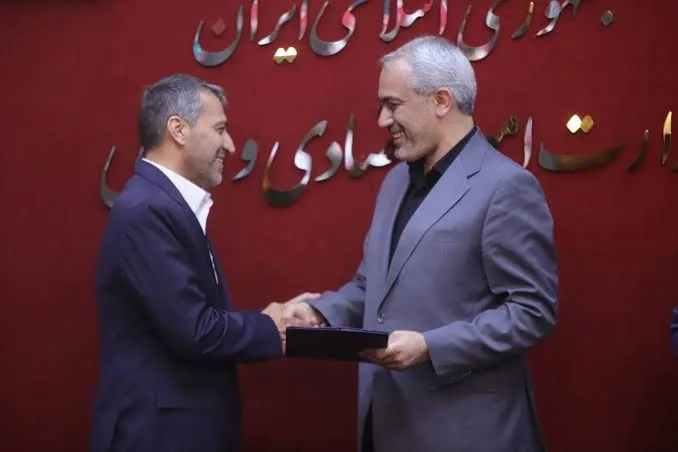
In the Minister of Economy's mandate, Forouzan's duties were not ambiguous: coordinating to resolve customs and tax issues, facilitating financial provision, completing strategic documents, setting performance indicators, and pursuing integrated management. Even the creation of an observatory to monitor the performance of the zones was foreseen. Therefore, explaining the multitude of agencies is not a response to the mission; it is a description of the same situation Forouzan was appointed to reform. The Secretariat must state which obstacle has been removed, which conflict has been brought to an executive decision, and which demand remains pending.
From Arvand to Kish; The Cost of Delay for the Local Economy
In Arvand, economic activists in the meeting on the thirteenth of Shahrivar still spoke of import issues, currency allocation, customs procedures, and administrative processes. The official's response was also a promise to transfer issues and follow up. For producers and traders, repeating meetings is valuable only if it leads to an executable decision. Forouzan must announce the results of these follow-ups; the working capital of businesses and commercial opportunities for the people cannot wait until the end of administrative correspondence.
In Kish and Qeshm, published reports also indicate a decline in tourism, damage to businesses, and some accommodation centers not returning to normal activity after the war. The responsibility for creating these damages does not lie with Forouzan, but the Secretariat is obliged to pursue revival programs, tax support, and facilitate economic activity. In such conditions, talking about tourism capacities without announcing the results of support is not an appropriate response to activists who are under cost pressure.

Seeking Authority Without Accountability is Unacceptable
Forouzan had previously requested more time and authority from the government and pointed to banking restrictions and land issues. The demand for authority is valid only when it is precisely clear which authority, from which agency, and for solving what issue is requested, and what the outcome of the request has been. A general request for trust does not create an executive commitment.