While Iran's petrochemical industry presents itself as the pillar of the country's economy, a series of financial reports, regulatory correspondences, and employee narratives reveal managerial weaknesses and corruption in key companies like Fajr Energy, Arvandan Oil and Gas, and Persian Gulf Holding, exemplifying a lack of transparency in resource expenditure, collusion in reconstruction contracts, and intra-group profit-making.
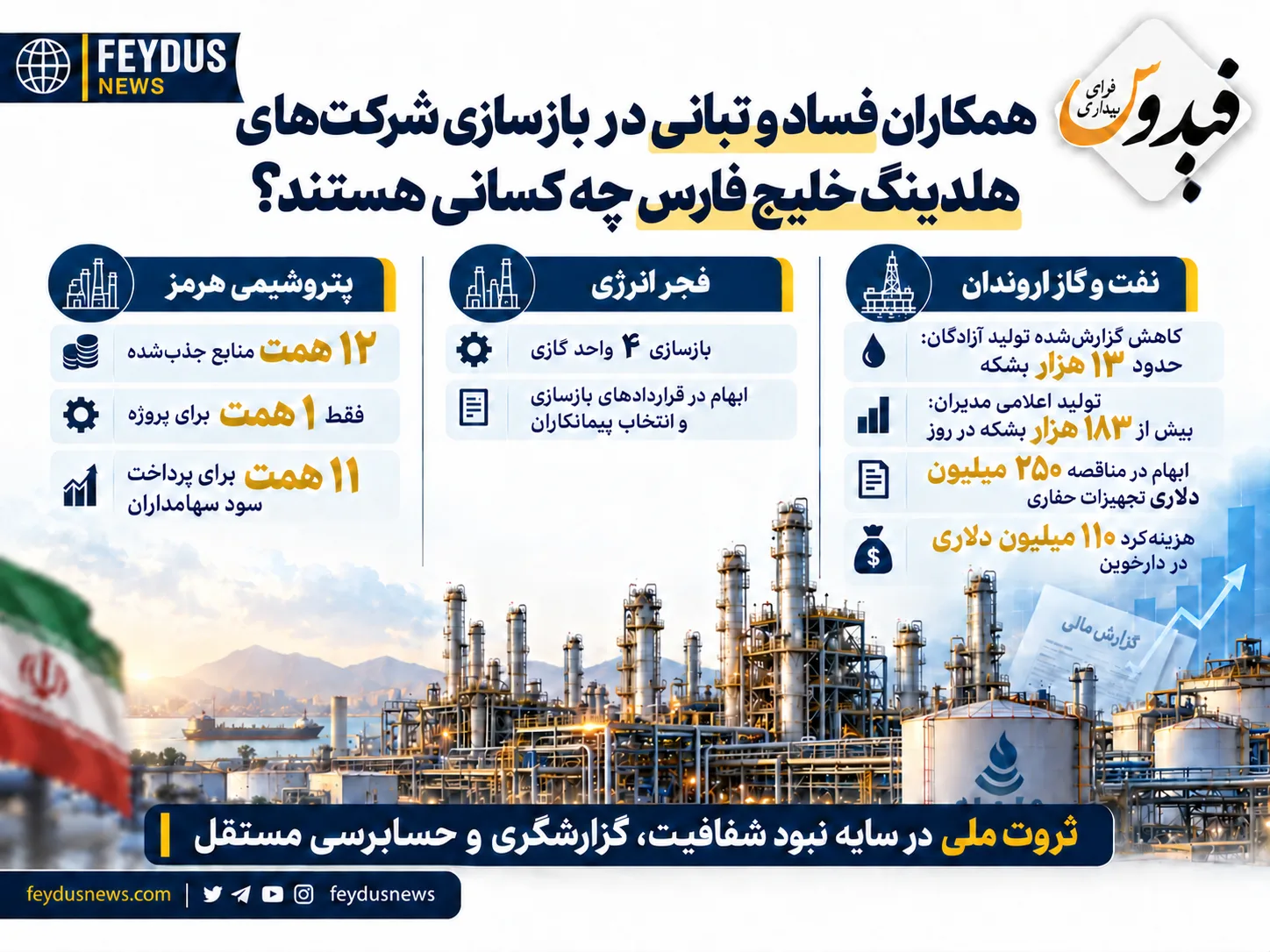
The latest issue involves 12 trillion tomans of resources raised for Hormoz Petrochemical, of which only one trillion has reached the project, and the rest has been used to pay shareholder dividends. This is set to be one of the biggest financial disputes in the petrochemical industry in recent years and a clear indication of corruption and managerial inefficiency in Persian Gulf Holding.
The result of this decision is a multi-month halt in the Hormoz project, with progress remaining below 60%.
Fajr Energy; Reconstruction After Attacks and Unanswered Questions
After the damage to Fajr Energy's infrastructure, the company announced that the reconstruction of power plants will be pursued through two paths: Fajr 2 with the participation of the MAPNA Group and Fajr 1 in collaboration with the Thermal Power Generation Company, followed by a MAPNA contract involving the reconstruction of four gas units. Maximum use of existing equipment, which in fact involves destroying intact equipment to increase contract costs, has been facilitated by the influence of certain individuals in selecting favored contractors, paving the way for renewed corruption in the organization.
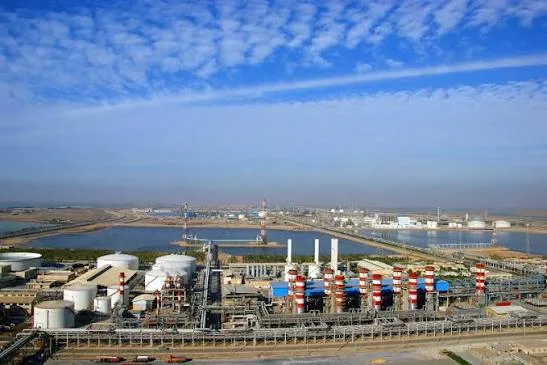
Arvandan Oil and Gas; Azadegan Production Decline and Managerial Disputes
Recently, reports have emerged of a reduction of about 13,000 barrels in Azadegan field production.
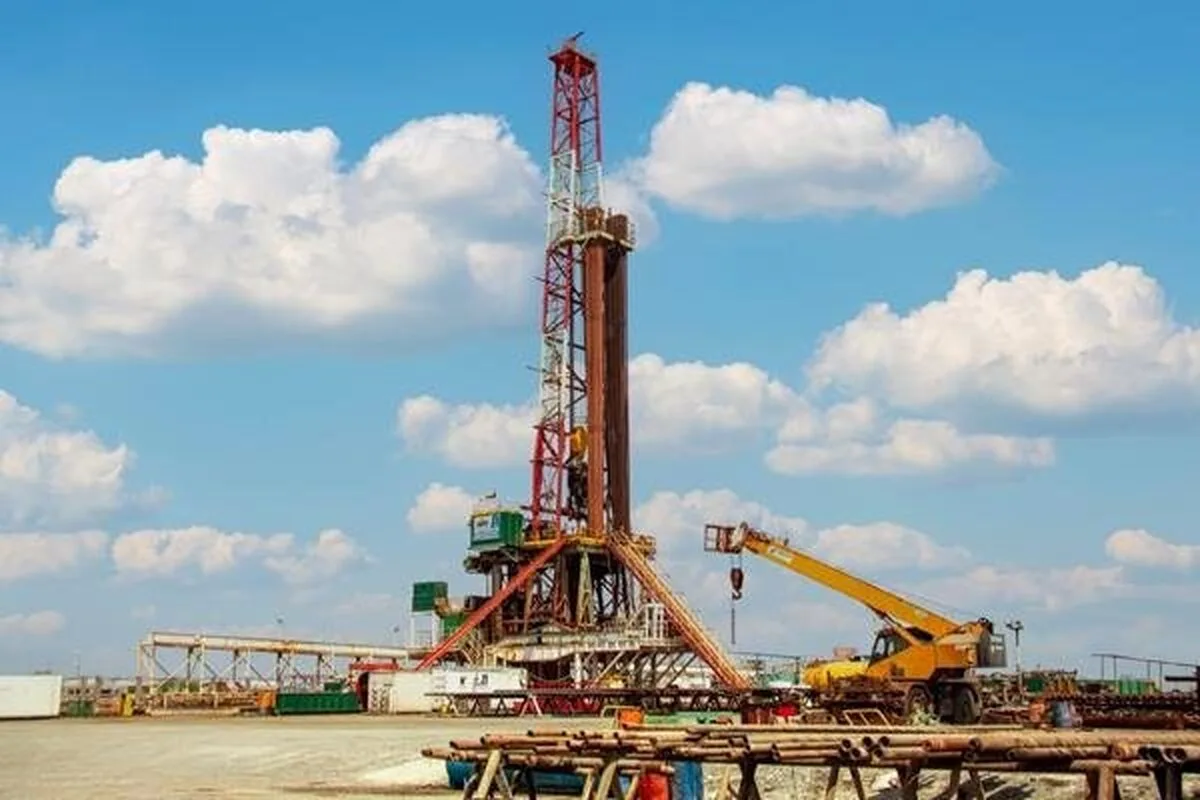
Persian Gulf Holding; Paper Profits and Questions About 12 Trillion Tomans in Hormoz
Iran's Petrochemical Industry; National Wealth in the Shadow of Ambiguity
What is certain today: the presence of formal financial ambiguities in Persian Gulf Holding, serious regulatory questions about Arvandan, and narratives of collusion in Fajr Energy during the reconstruction of damaged sections, which, without daily data, technical reports, and independent audits, indicate widespread contractual corruption in Fajr and deliberate sabotage in Azadegan for financial purposes, along with financial misconduct by managers regarding the illegal transfer of Hormoz resources, each highlighting the weakness and corruption of managers and clear collusion with contractors willing to pay special shares to corrupt managers.
Ultimately, the main issue is not a single manager or contract, but a structure where transparency, reporting, and accountability are absent, and until complete contract documents, status reports, production data, and independent audits are published, Iran's petrochemical industry will remain in the shadows; a shadow whose cost is borne by shareholders, workers, and the national economy..