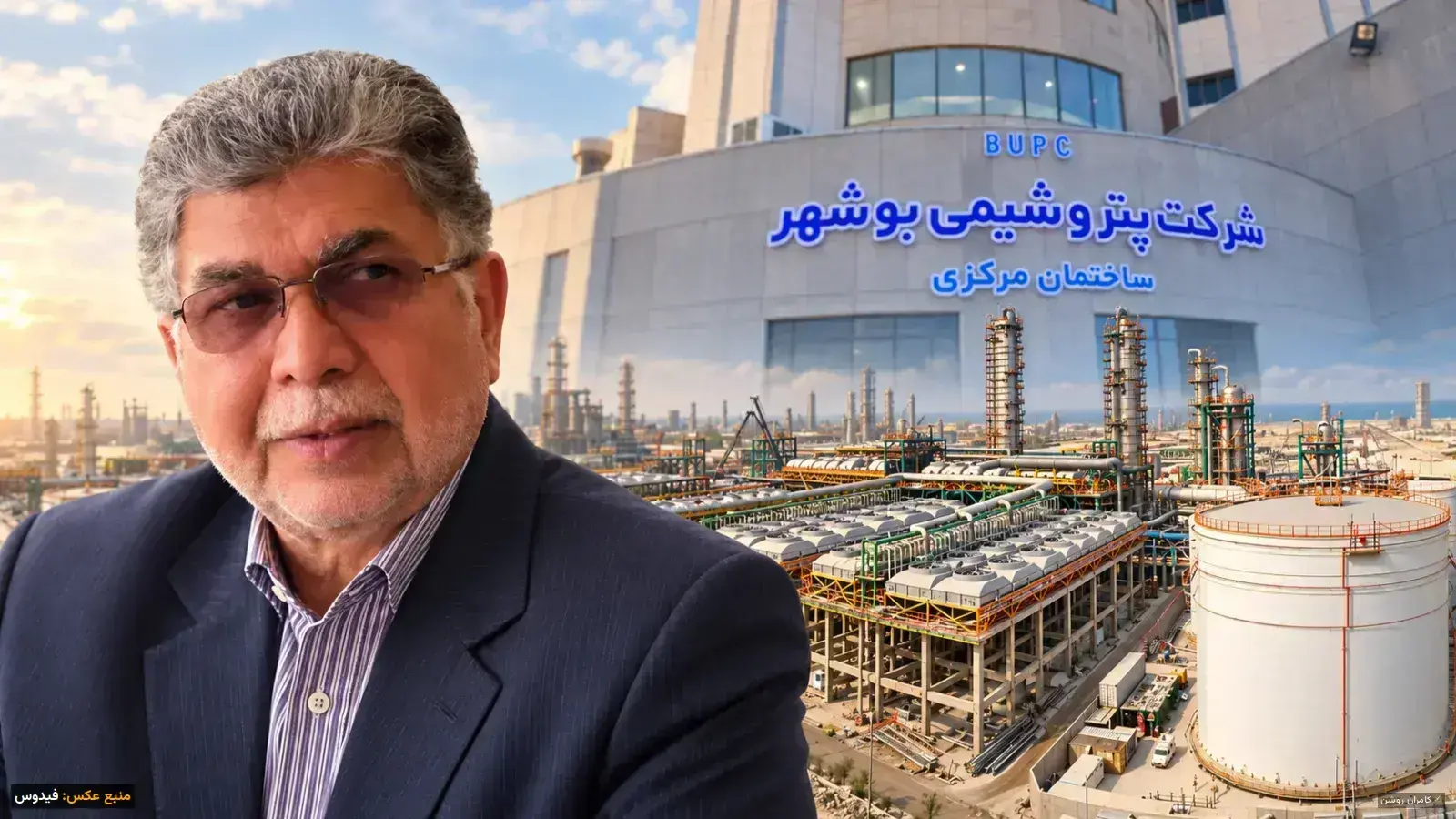
The release of reports about multi-million dollar catalyst purchase contracts, ambiguity in foreign transactions, and non-transparent hiring has raised serious questions about the performance of Bushehr Petrochemical's management and the oversight mechanism over its production and commercial activities. At the center of these questions are Alireza Mahdavi, CEO of Bushehr Petrochemical, and the company's commercial management; a section responsible for procuring equipment, selecting suppliers, and executing commercial contracts.
Bushehr Petrochemical, one of Iran's major petrochemical projects in the Asaluyeh region, has faced frequent management changes, financial problems, and criticism over its management in recent years. However, the published information about disputed contracts, intermediary companies, and payment details remains limited.
This situation persists as shareholders have also raised questions about the return on investment in Bushehr Petrochemical and the costs of completing the project.
Multi-Million Dollar Contracts and Ambiguity in the Role of Commercial Management
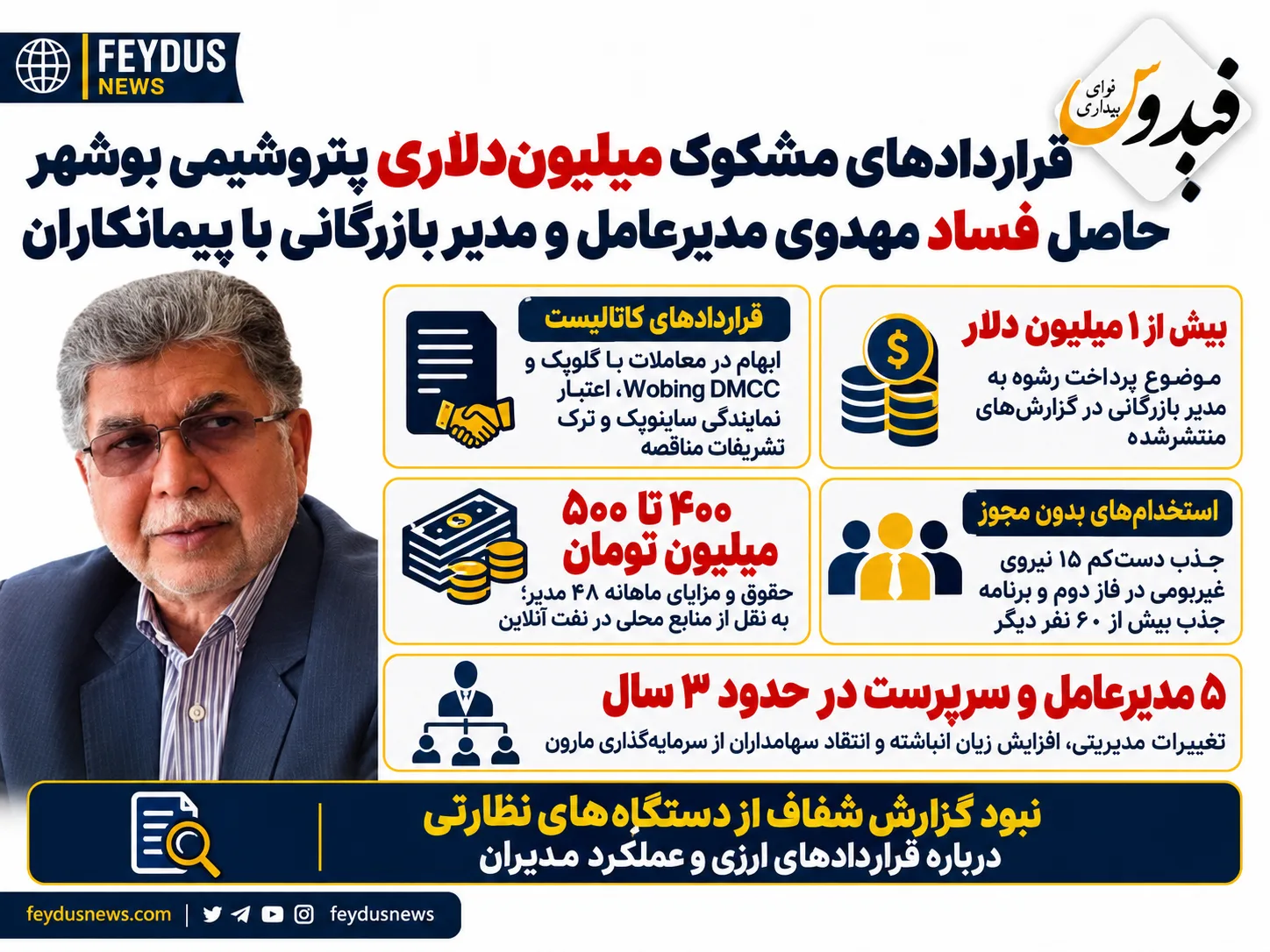
One of the most significant issues raised about Bushehr Petrochemical relates to the purchase of catalysts from foreign suppliers. For example, media reports have mentioned multi-million dollar transactions with a group related to the company Globex and a broker named "Wobing".
In these reports, questions have been raised about the credibility of the representation of Wobing DMCC from Sinopec, the method of selecting the supplier, the permits for bypassing tender procedures, and how the quality and delivery of catalysts were approved.
Catalyst procurement in the petrochemical industry is one of the most sensitive areas of commercial activity; because choosing an unsuitable product or purchasing at a non-competitive price can impose foreign exchange costs and affect the performance of production units.
However, the mechanism for approving the mentioned contracts, the identity of the managers responsible for technical and commercial reviews, and whether competitive offers were received for supplier selection have not yet been clarified. The issue of paying more than one million dollars in one instance, as a bribe to the commercial manager of Bushehr Petrochemical, is also one of the ambiguities of this case.
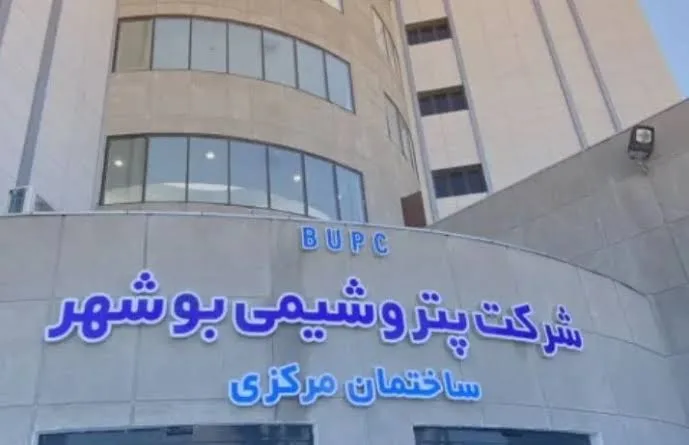
Hundreds of Millions in Salaries and Controversial Hiring
Alongside commercial ambiguities, reports have also been published about the payment of unconventional salaries to some favored managers involved in various corruptions at Bushehr Petrochemical.
The "Online Oil" channel, quoting local sources, claimed that a list of monthly salaries and benefits ranging from 400 to 500 million tomans for 48 managers of this company has been published. This claim was made while the financial situation of Bushehr Petrochemical and the costs of its projects were under criticism.
Another issue is the hiring of at least 15 non-local personnel in the second phase of Bushehr Petrochemical and the plan to recruit more than 60 others. These hirings were done without obtaining the necessary permits from the authorities related to employment in the Pars Special Economic Energy Zone.
CEO Responsibility and Contract Oversight
Alireza Mahdavi took over the management of Bushehr Petrochemical at a time when the company was facing financial problems, management changes, and shareholder criticism.
In the 1405 annual meeting of Marun Petrochemical, shareholders criticized the company's investment in Bushehr Petrochemical. The auditor's report also emphasized the need to review the investment value, project completion costs, and profitability outlook; a matter that Amin Emraei, CEO of Marun Petrochemical, as the main intermediary of this investment, must address.
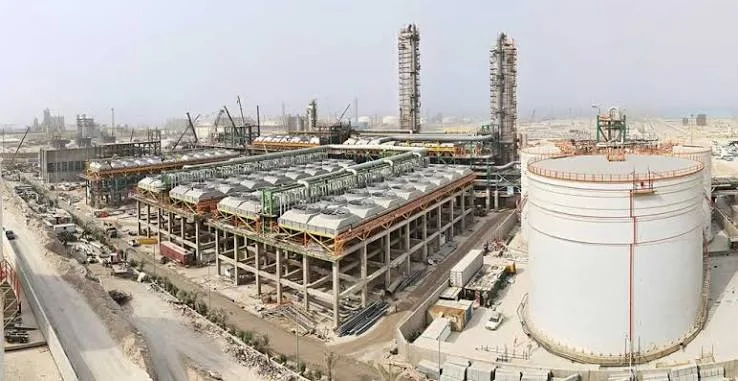
On the other hand, local media have reported the change of five CEOs and supervisors in about three years and the increase in the company's accumulated losses in past periods. These problems stem from corruption and the lack of obligation of managers to be accountable for financial performance and commercial decisions.
In the structure of industrial companies, the direct responsibility for negotiating and executing purchase contracts usually lies with the commercial unit; however, the approval of major transactions may also require the endorsement of the CEO, the transaction commission, or the board of directors.
Therefore, reviewing Bushehr Petrochemical's contracts and clarifying the role of commercial management, the CEO, and other approving authorities will provide a complete picture of decision-making processes related to the company's major corruptions.
As of the publication of this report, despite repeated media follow-ups, regulatory bodies in the Ministry of Defense, SATA Holding, and the Inspection Organization have not released a report on the dire situation of Bushehr Petrochemical. Meanwhile, the volume of foreign exchange contracts and ongoing ambiguities have highlighted the need for transparency regarding the performance of commercial management and the supervisory responsibility of the CEO of Bushehr Petrochemical.