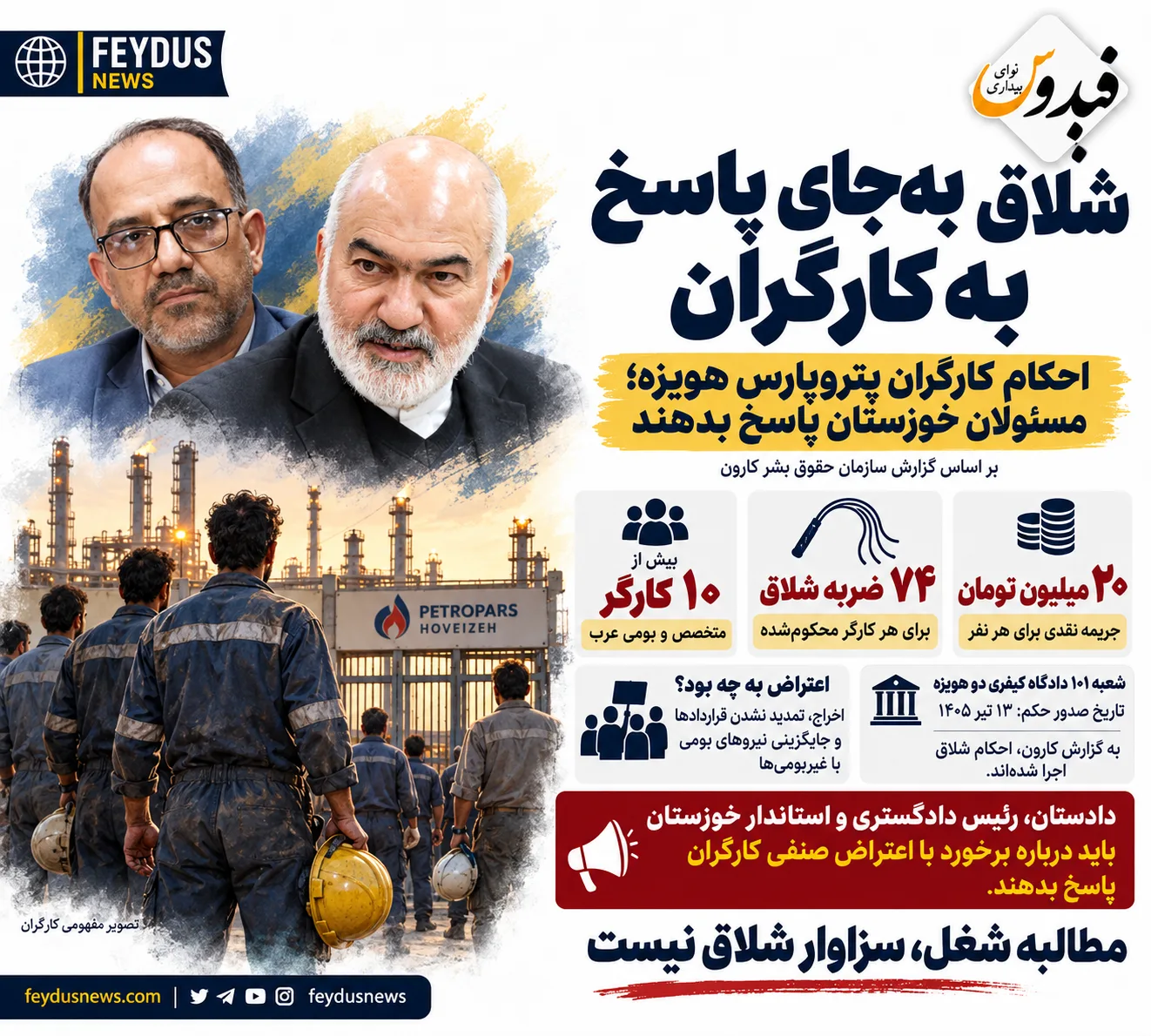
Local news agency of Khuzestan has reported the conviction and execution of whipping sentences for protesting workers of Petropars Hoveyzeh. Workers whose protests against dismissal and non-renewal of contracts have been met with corporal punishment and fines.
According to the report from the Karun Human Rights Organization, more than 10 skilled and local Arab workers, mostly with university education, have been sentenced to 74 lashes and a fine of 200 million rials. The organization also reports the execution of the sentences; a narrative that Khuzestan judicial officials must publicly and documentarily respond to.
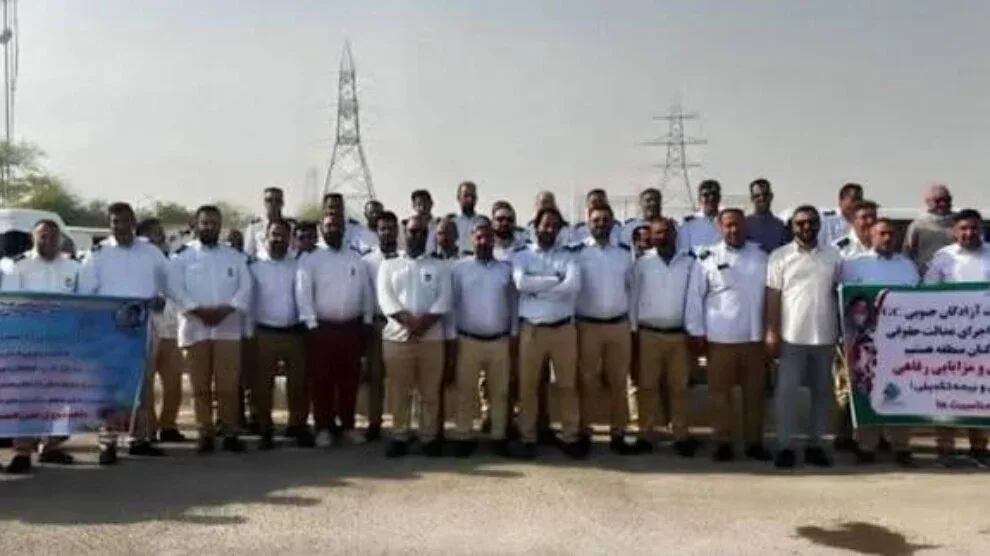
In the published narrative, workers after years of activity in South Azadegan projects, faced contract termination and replacement by other forces. Pursuing the matter at the governor's office did not lead to their return, and the company's complaint with titles like obstruction and causing damage turned the labor protest into a criminal case. The result of this path is a shocking image: a workforce that worked for the oil industry now pays a price from their body and livelihood to claim their job.
Fighting Corruption, or Show of Power Against Workers?
These sentences have become newsworthy in a province where the economic violations of its industries have figures in the multi-billion range. The Chief Justice of Khuzestan had previously announced the conviction of a petrochemical company to pay 5500 billion tomans in damages to the public treasury. Such cases show that concerns about the integrity of economic decisions and industrial oversight are not imaginary. Of course, addressing corruption cannot be denied; the question is why the same system resorts to punishments that exacerbate unemployment with humiliation and bodily harm when dealing with labor protests?
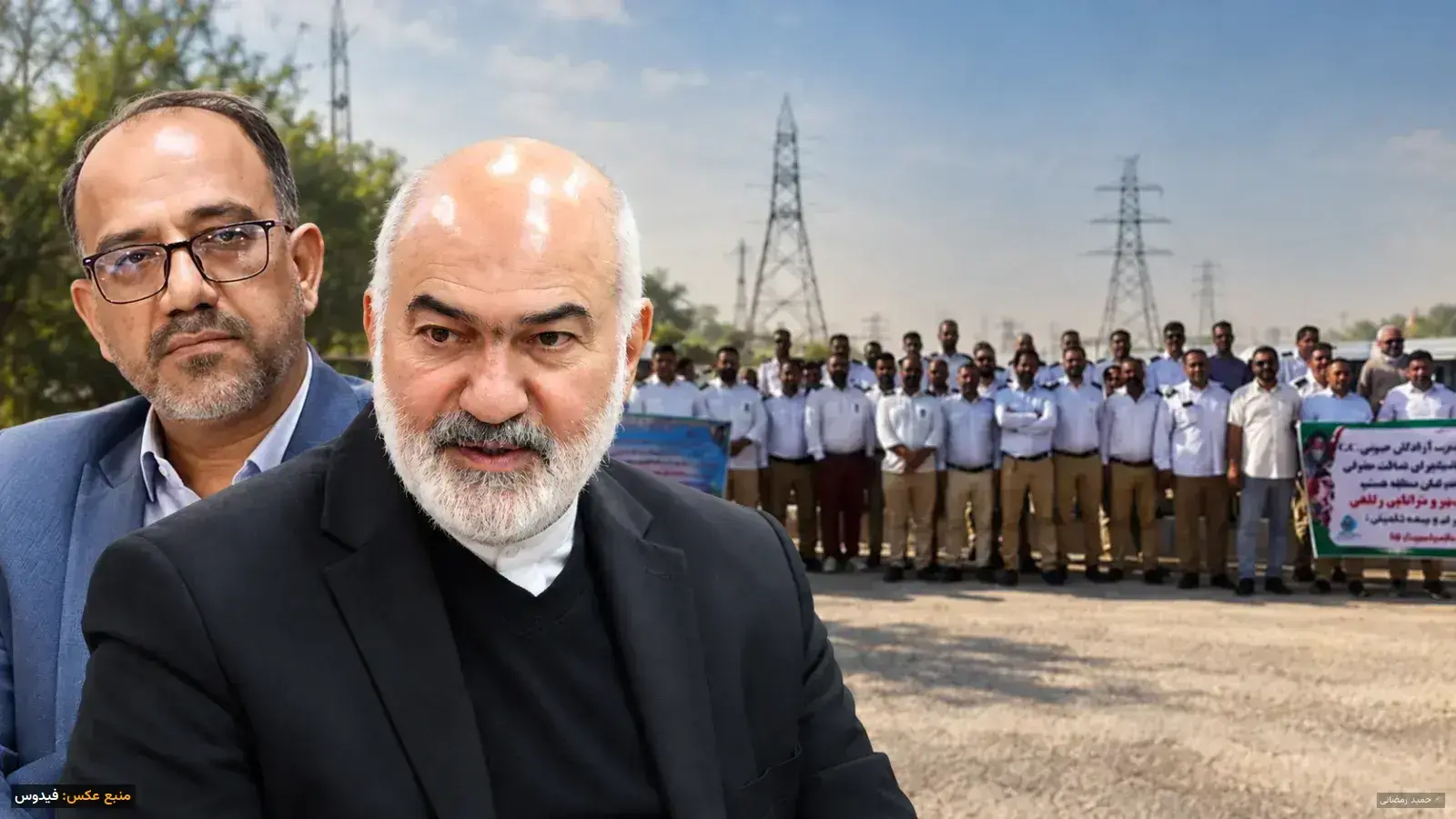
Amir Khalafian, Khuzestan Prosecutor, and Mowali Zadeh, the Governor, as those responsible for the livelihood, welfare, and employment of the citizens of this province, must explain how the punishment of whipping resolves the issue of job disputes. What public benefit is achieved by striking a worker's body? How does fining someone who has lost their income relate to justice? Even the existence of an employer's complaint does not exempt the judiciary from answering about the proportionality of the punishment, the context of the protest, and the possibility of resolving the dispute..
The social message of such an approach is intimidation: the provincial judiciary seems to be trying to convey to workers that they should know that demanding rights and protesting against managers' actions might cost them their freedom, reputation, and health. This is while the judiciary, whose leadership and managers continuously proclaim the fight against corruption, must be careful that judicial authority does not diminish to a show of power against the weakest party in the dispute in the eyes of society. The fight against corruption only holds credibility when a worker can protest managers' decisions without fear of corporal punishment..
Factory Returns; Worker Left Behind
In the discussion of industries returning to production after the war, a fundamental criterion should not be omitted: the fate of the workforce. The activation of equipment and increased production alone do not signify the revival of workers' lives. A factory that resumes its activities but sidelines its experienced workforce places the burden of reconstruction on families who previously bore the cost of production halts..
The serious danger is that the production halt becomes an opportunity to eliminate history, reduce employer obligations, and hire cheaper labor. Replacing old staff with less experienced and lower-paid employees, if it happens, turns industrial reconstruction into a setback for labor rights. Regarding Petropars, the existing report raises the issue of replacing workers; however, the salary and experience level of replacements require the publication of documents. The company must clarify contracts, hiring criteria, and reasons for dismissing previous staff..
The governor of Khuzestan cannot hide behind the phrase "it's a judicial matter." When workers have approached the governor's office to resolve the employment crisis, demanding a response about the actions taken is entirely justified. The province's management is not assessed by project inauguration and production capacity announcements; the ability to prevent the transformation of livelihood disputes into security crises is also part of its record..
Ministry of Labor; Responsibility Emptied by Silence
The Minister of Cooperatives, Labor, and Social Welfare and the fourteenth government must clarify what they have done for these workers. Defending employment is not completed by speeches about supporting production. The ministry must investigate the status of contracts, the reason for dismissals, the possibility of return, and the livelihood support for families and publicly announce the results..
Inaction in the face of such sentences empties the mission of supporting the workforce. A worker cannot be expected to become unemployed, pay the cost of protesting, and trust in unfulfilled promises. The demand is clear: review of sentences, end of corporal punishment, transparent handling of job disputes, and accountability of officials. Khuzestan needs justice in contracts and livelihood security; whipping creates no jobs..