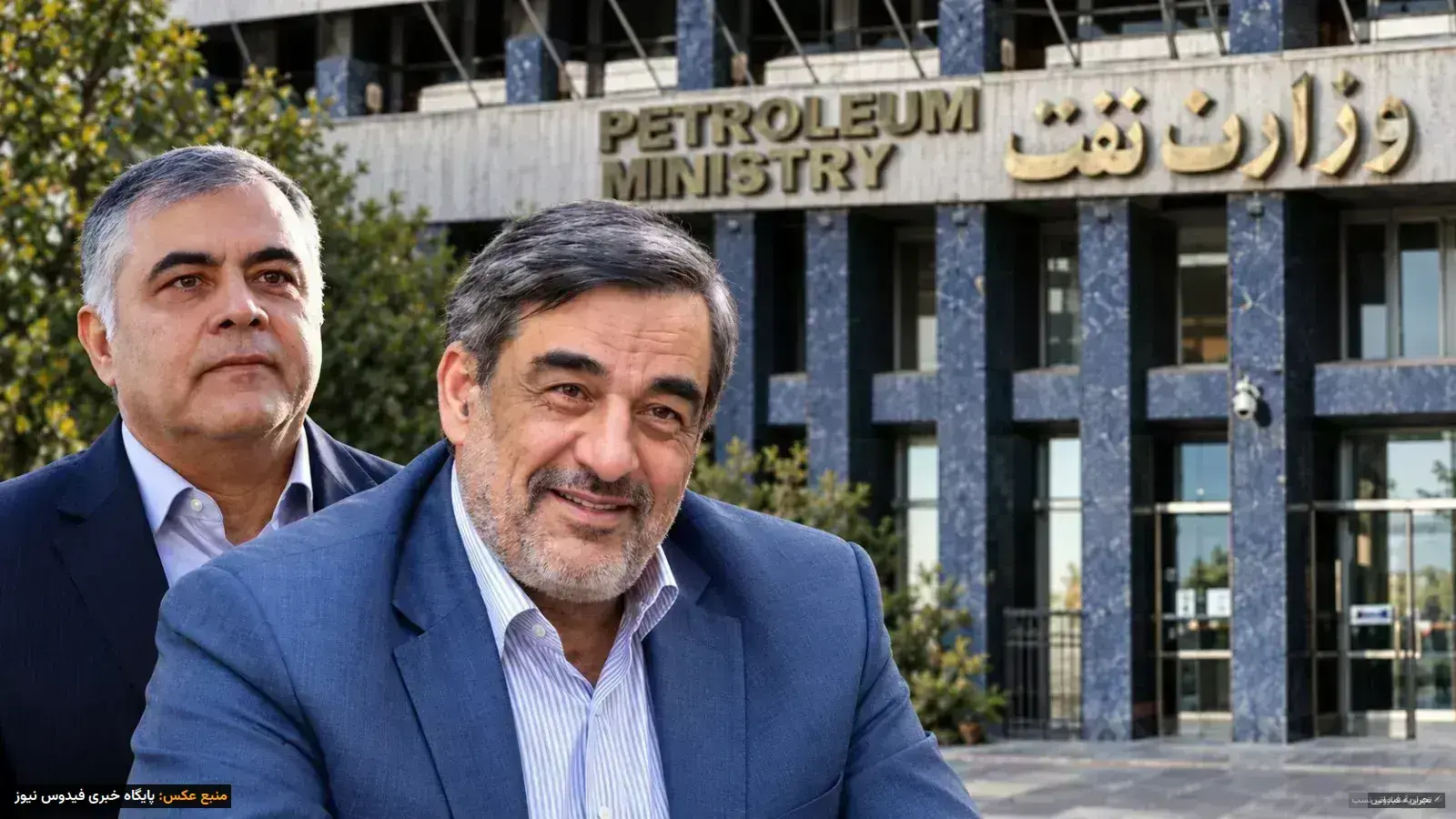
On Sunday, October 4, 2026, after weeks of tension in Iran's energy structure and news of disagreements between Masoud Pezeshkian and Paknejad, the Minister of Oil, Mohsen Paknejad's resignation from this sensitive ministry was finally accepted, and Hamid Bourd was appointed as the new acting Minister of Oil by the order of the fourteenth government president.
This news once again turned attention to one of the most important and ambiguous sectors of the Islamic Republic's economy, a field that is not only the pillar of the country's foreign exchange revenues but has also been entangled in oversight cases, oil trusts, unreturned funds, and managerial disputes for years.
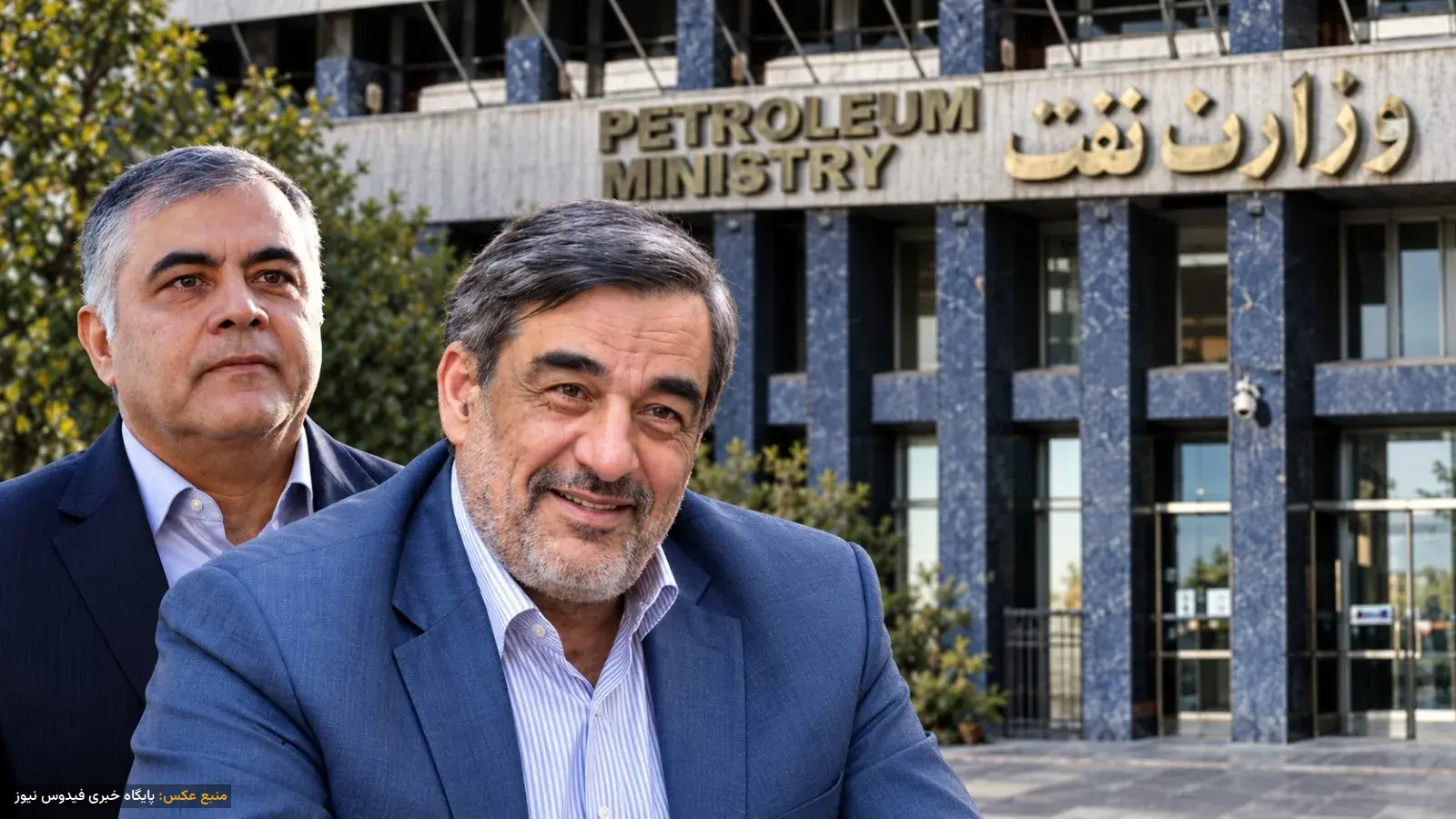
Therefore, Bourd, apart from managing the prevailing chaos in the ministry, must respond to his record filled with violations and corruption, which includes only a fraction of the dismissal order due to corruption, the 14-point commitment case, and the conflict of interest controversies during his managerial periods.
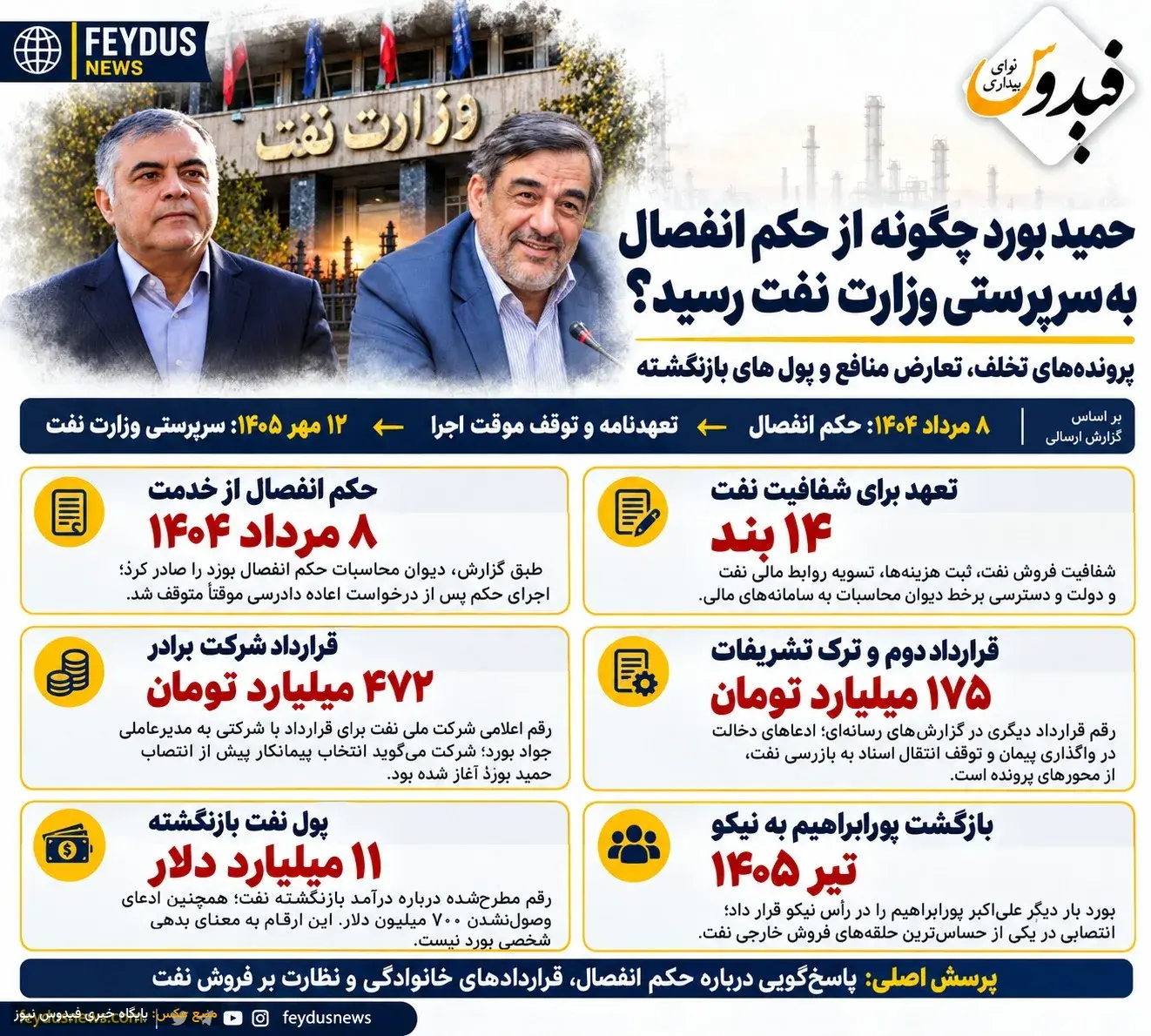
One of the darkest points in Hamid Bourd's record is the dismissal order issued by the Court of Audit on July 30, 2025. This order was immediately executed, and the management of the National Iranian Oil Company was entrusted to a board member. Bourd requested a retrial and, by providing a 14-point commitment, the execution of the order was temporarily halted until the final verdict of the advisory board.
This commitment included obligations regarding financial transparency, providing oil sales information, accurate cost registration, supervisory access to financial systems, settling financial relations between oil and government, and creating online access for the Court of Audit. This supervisory action is considered one of the rarest cases in the history of the National Iranian Oil Company and shows how serious the dispute between the Ministry of Oil and supervisory bodies over confidential oil sales information has been.
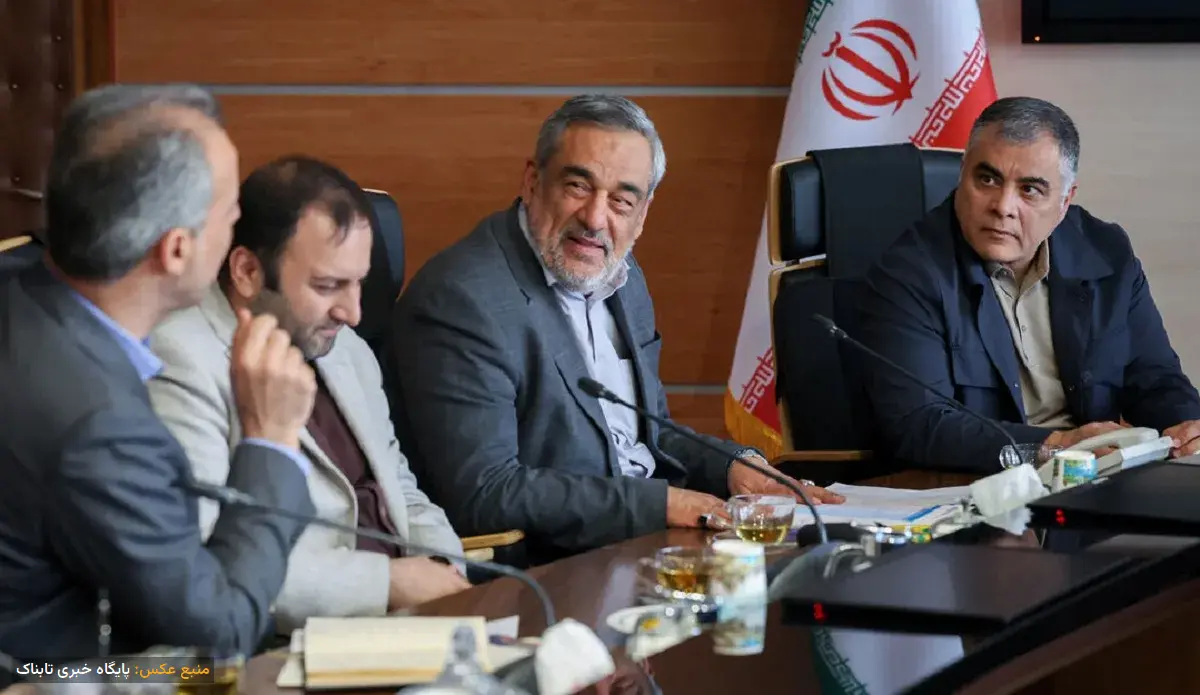
Conflict of Interest; Contracts of the Company Managed by Bourd's Brother
One of the cases that clearly showed Bourd's influence in corruption cases under the Ministry of Oil was the issue of bypassing formalities in awarding a contract to a company owned by his brother. In 2024, a multi-billion contract was awarded to a company managed by Javad Bourd.
The National Iranian Oil Company also confirmed the news of Javad Bourd's management of the company and announced the contract amount as 472 billion tomans. The company claimed that the contractor selection process had begun before Hamid Bourd's appointment. It was also stated that Javad Bourd is not the owner of the company, only its CEO.
Despite these explanations, the validity of the conflict of interest remains; especially since another contract worth about 175 billion tomans was also reported. This issue remains one of the main points of criticism of the National Iranian Oil Company's management structure. At that time, media revealed that one of the subsidiaries of the National Iranian Oil Company had awarded a contract worth about 5 trillion rials to the company of the brother of the National Iranian Oil Company's CEO (Hamid Bourd) for very superficial reasons.
According to documents, another contractor won the bid for purchasing and installing mobile tubing, but with Hamid Bourd's order, under the pretext of continuous connection with the IMIDRO company, the same contract was awarded to IMIDRO, where Javad Bourd is the CEO, without following the legal process and bypassing formalities.
It was also announced that with Bourd's order, the process of transferring documents to the oil inspection was halted. This is one of the examples of how Bourd got involved in corruption cases through the arrangement and appointment of managers and interference in awarding contracts to companies affiliated with him.
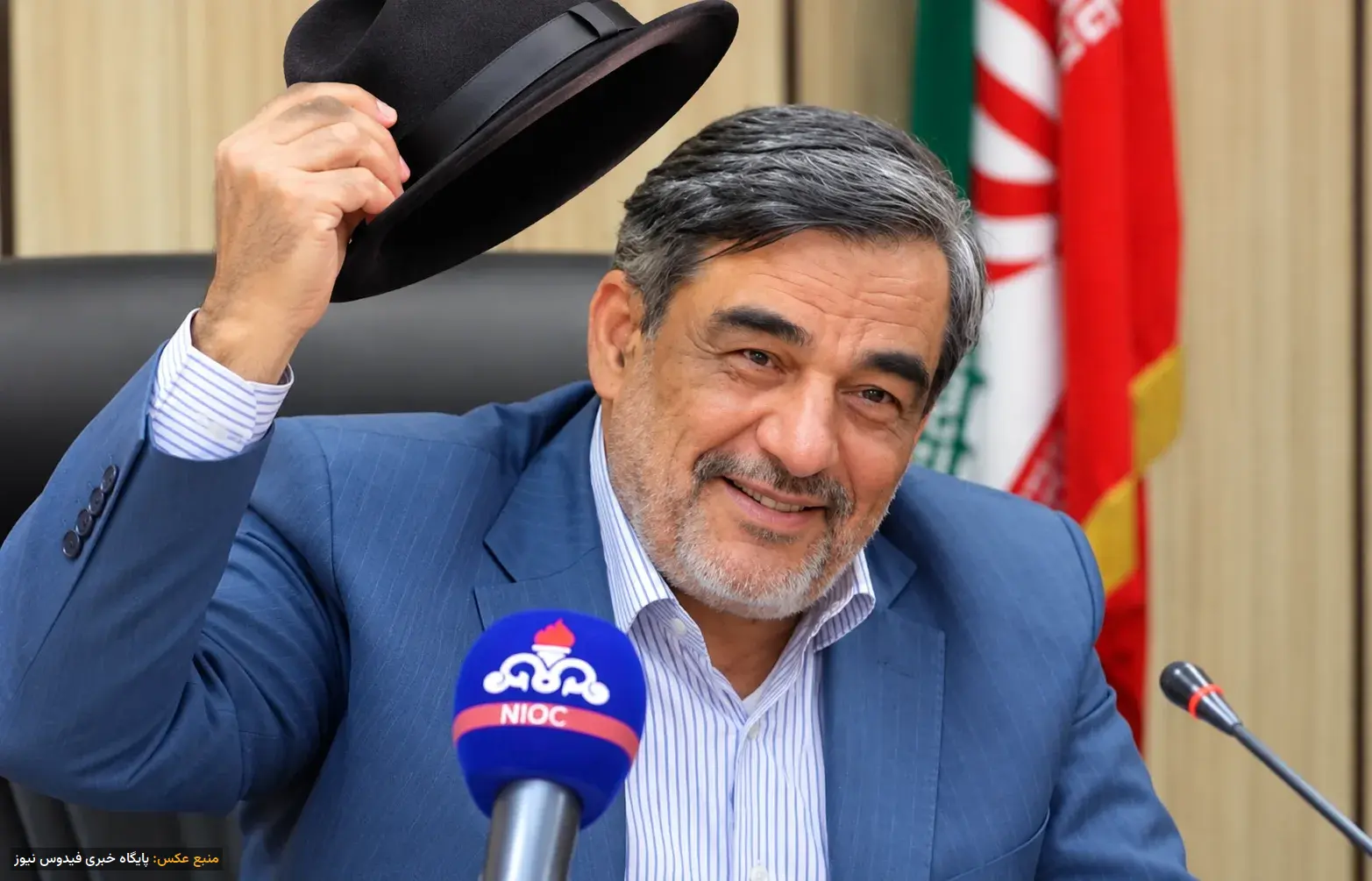
Trusts, Unreturned Funds, and Bourd's Role in the Oil Sales Structure
Another case where Hamid Bourd's trace is seen is the issue of oil trusts and unreturned funds. Hadi Ghavami, Deputy Minister of Economy, spoke of $700 million in uncollected oil money, with a total of $11 billion in unreturned revenue reported. Although Hamid Bourd's name was not directly mentioned as a suspect in these reports, his decisive role in the Ministry of Oil's structure and influence in allocating sales quotas to trusts cannot be overlooked.
In July 2026, Bourd reappointed Ali Akbar Pour Ebrahim as the head of the Iranian Oil Trading Company (NICO), a company that is one of the most sensitive points of Iran's foreign oil sales and had previously been highlighted in the trust cases. This appointment, especially in conditions where the Islamic Republic's parliament questioned the increase in intermediaries and the non-return of oil money, becomes more significant.
At that time, speculations suggested that the nature of Bourd and Pour Ebrahim's relationship effectively made him a puppet manager following Bourd's direct orders. This relationship, filled with collusion, has linked Bourd's name to all corruption cases during Pour Ebrahim's management of NICO.
Operational Record; From Southern Drilling to Offshore Management
Another issue that makes Bourd's appointment as acting Minister of Oil significant is his presence on the U.S. sanctions list. On February 24, 2025, the U.S. Treasury Department placed Hamid Bourd on the sanctions list. Being under the sanctions of Executive Order 13902 means sanctions related to his role in Iran's oil sector.
Bourd was born in 1964 in Shushtar and completed his education in mechanical engineering and executive management. His professional path includes roles such as CEO of Marun Oil and Gas, CEO of Southern Oilfields, CEO of Oil Exploration Operations, CEO of Offshore Oil, Deputy Minister of Oil, and CEO of the National Iranian Oil Company.
This background shows that Bourd comes from the operational body of the oil industry, and a significant part of his record has been shaped in the fields of production, drilling, and oil field management. However, this resume is overshadowed by his violations in each of these managerial periods, making him a corrupt, rent-seeking, and lobbying figure in the oil industry structure.
Hamid Bourd's appointment comes at a time when the Ministry of Oil faces simultaneous crises of production, exports, energy imbalance, trusts, unreturned funds, and managerial disputes. Bourd now stands at a point where he must be accountable for the past and responsible for a future that includes dismissal orders, supervisory commitments, controversial appointments, and conflicts of interest.