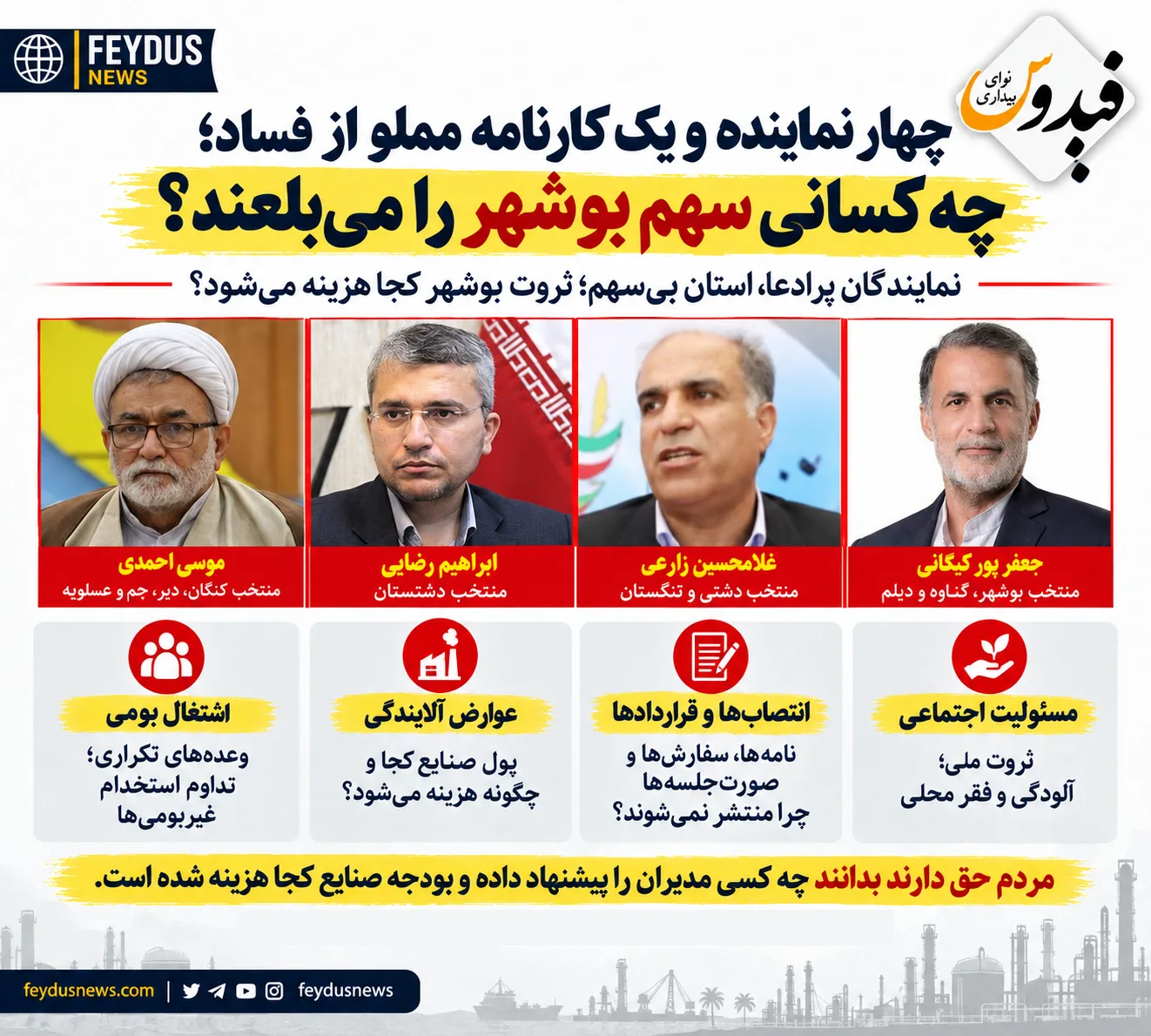
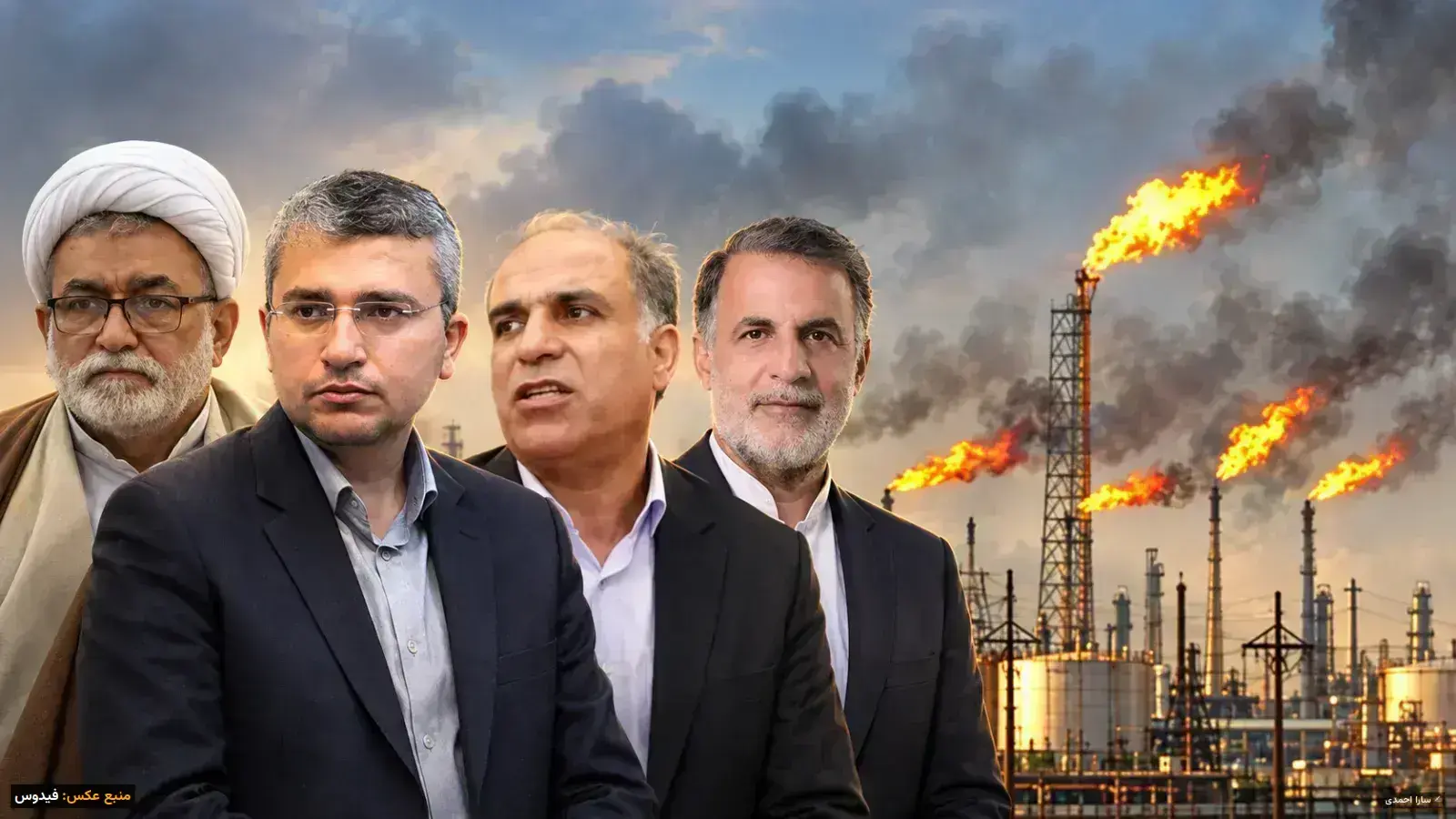
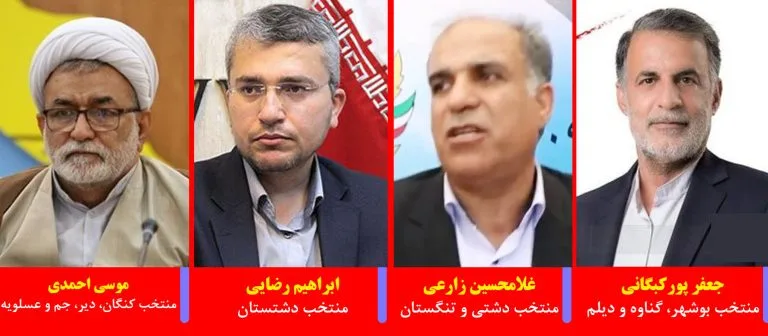
Bushehr sits on a sea of oil and gas, hosting a nuclear power plant, refineries, petrochemical complexes, and the massive South Pars facilities. Yet, a large portion of the province's population shares in this wealth only through pollution, disease, high housing costs, unstable employment, and watching non-local forces enter. In such conditions, the record of Jafar Pourkabgani, Ebrahim Rezaei, Gholamhossein Zarei, and Mousa Ahmadi cannot be measured by the number of meetings, verbal warnings, and souvenir photos with industrial managers. The main question is: what have these four representatives done to make a tangible change in people's lives?
The formation of non-transparent relations between representatives, government managers, and the oil, gas, and petrochemical industries is the central reason for the accusations against Bushehr's representatives during the recent term. The results of these relations should be traced in appointments, recruitments, and contracts in the province, where each of these four representatives has repeatedly had specific interventions in appointments or pressured industrial company managers to award contracts to their preferred contractors.
From 'Oversight' to Influence Competition in Appointments
Jafar Pourkabgani, the representative of Bushehr, Ganaveh, and Deylam in the twelfth parliament, has become a figure of many statements; however, his constituency still faces youth unemployment, lack of healthcare infrastructure, fishermen's issues, and unstable port economies. A representative's record is defensible when it is clear how much sustainable credit has been obtained for these problems and which negligent institution or manager has been held accountable through his pursuit; not when every appointment or managerial meeting is advertised as an 'achievement.'.
Ebrahim Rezaei, the representative of Dashtestan, is one of the most experienced members of this group. He himself previously stated that "the smell of political influence" is detected in the specialized decisions of South Pars and called for preventing favoritism in hiring local forces. This admission raises a serious question: after several years of his presence in parliament, what has been the result of using 'oversight tools'?
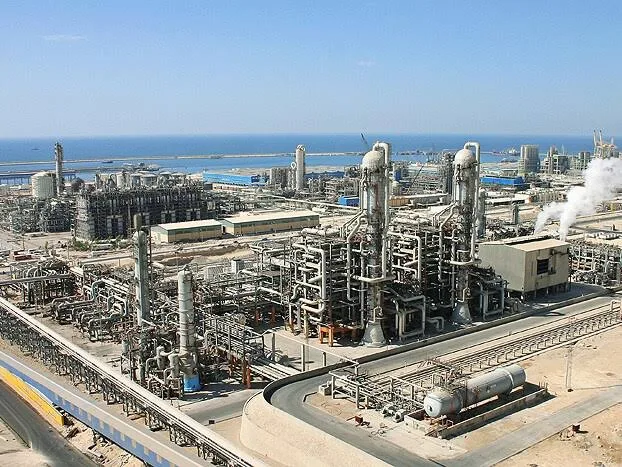
Who exerted influence, which recruitments were flawed, and which managers were dismissed or referred to the judiciary? When a representative speaks of political influence for years but does not publish names, documents, and the fate of cases, his warnings may become a tool for competition to gain a larger share of appointments..Rezaei's statements about influence in South Pars
Gholamhossein Zarei, the representative of Dashti and Tangestan, also faces a clear test. The region he represents struggles with water scarcity, poor roads, migration, unemployment, and backward healthcare services. However, a significant portion of the news related to the activities of the province's representatives is limited to negotiations with ministers, oil managers, and executive officials.
A representative who has repeatedly been accused of recommending oil contracts and interfering in the arrangement of oil company managers seems to be using the current four-year parliamentary term to benefit his personal interests. People have the right to know what measurable contract, budget, or job opportunity these negotiations have created for the constituency..
One of the most important cases regarding Zarei is his strange defense of the governor of Bushehr in the province's currency corruption case, where Zarei strangely tried to defend the governor's performance. This raised suspicions of Zarei's collusion with the governor.
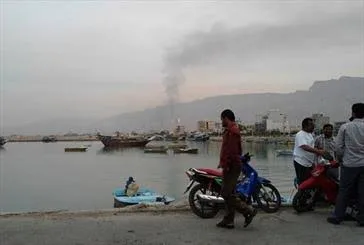
Mousa Ahmadi; Power in the Energy Commission, Deprivation Next to Asaluyeh
Mousa Ahmadi has entered parliament from the Deir, Kangan, Jam, and Asaluyeh constituencies, an area that houses Iran's most important energy hub. His presence at the head of the Energy Commission should be an exceptional opportunity to compel the Ministry of Oil to transparency, implement local employment shares, fully pay pollution levies, and improve regional healthcare and infrastructure. However, the cities surrounding South Pars are still under pressure from pollution, high rents, lack of specialized facilities, and contract employment..
Ahmadi's actions, such as writing letters to the Persian Gulf Holding to request the hiring of his preferred individuals, clearly reveal this improper intervention, ignoring the necessity of defending the rights of the citizens of his constituency.
The question isif the head of the Energy Commission cannot disclose the list of local hires, the amount of pollution levies paid, social responsibility contracts, and the selection process of regional company managers, what benefit has his chairmanship brought to the people of Asaluyeh and Kangan? The continuous proximity of representatives to industry managers, without publishing meeting minutes and negotiation results, raises a serious suspicion: Is the representative an overseer of industries or a mediator between managers, contractors, and power networks?
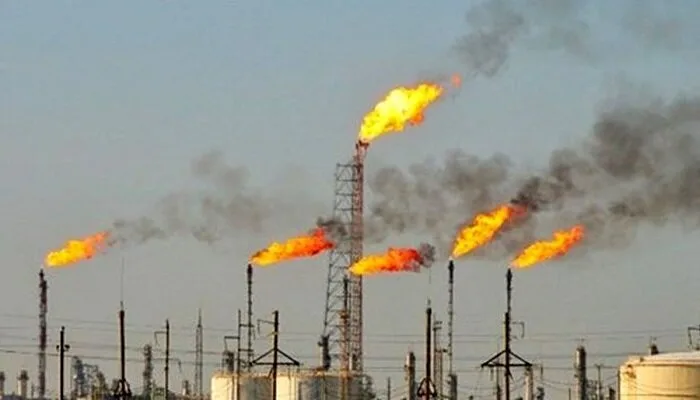
A Province Whose Wealth is National and Poverty is Local
The common problem of these four representatives is the dominance of performative politics over accountability. They have repeatedly spoken about local employment, pollution, industries' social responsibility, and infrastructure shortages; yet there is still no public system to assess promises, publish correspondences, disclose hiring recommendations, and announce interventions in manager appointments..
The people of Bushehr do not need a new meeting with the Minister of Oil or another warning in the parliament. They have the right to know who proposed industrial managers, which representative wrote letters for their appointment or retention, what share of jobs went to relatives and campaign members, and where the social responsibility budget of companies was spent..
Until Pourkabgani, Rezaei, Zarei, and Ahmadi publish this information, they cannot present themselves solely as defenders of the people. Silence in the face of appointment and contract networks is a clear example of political failure. The result of this failure is evident to the people: wealth leaves Bushehr, pollution and poverty remain, and representatives who should be holding managers accountable are seen too often within the circle of those same managers..