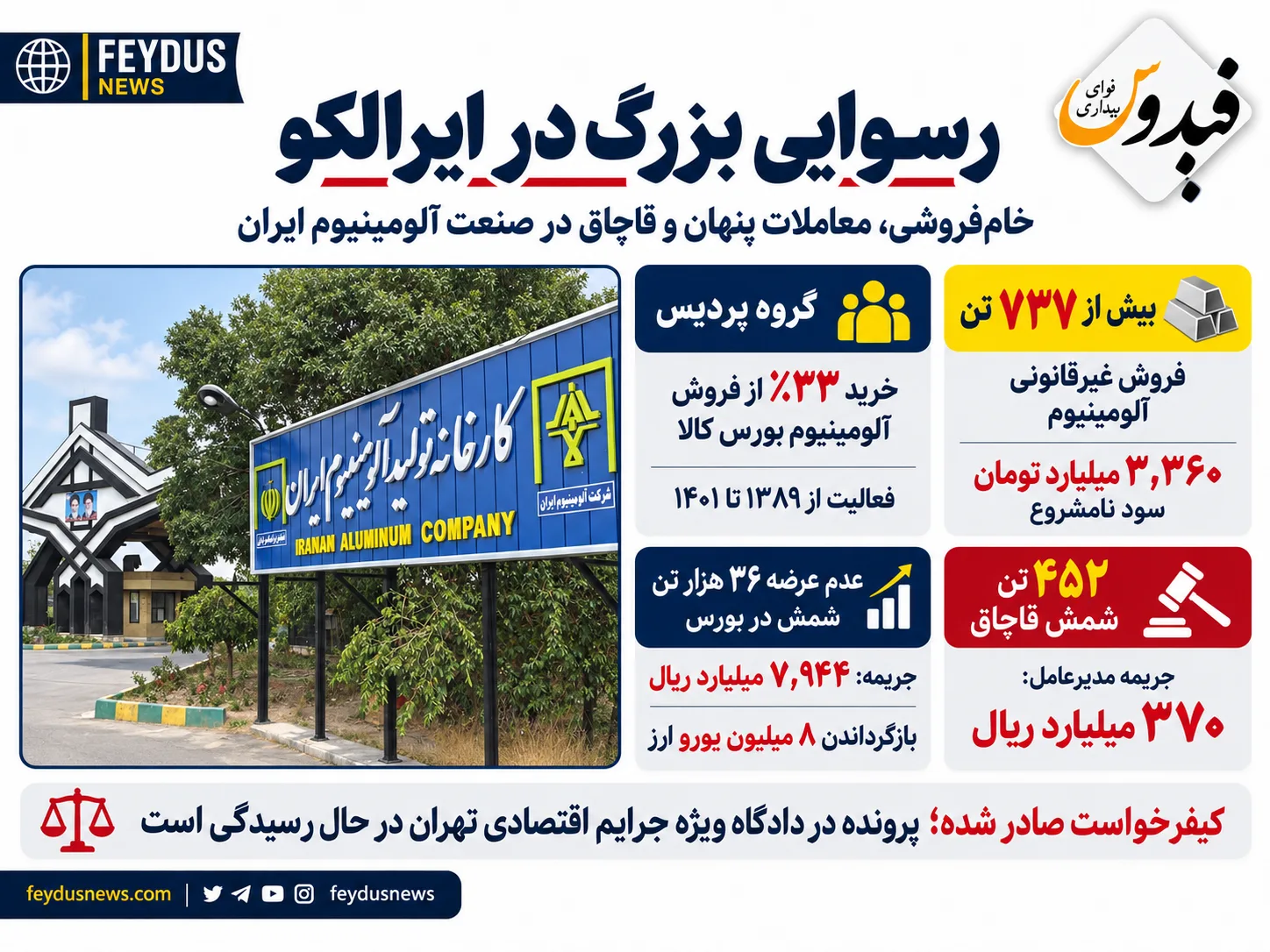
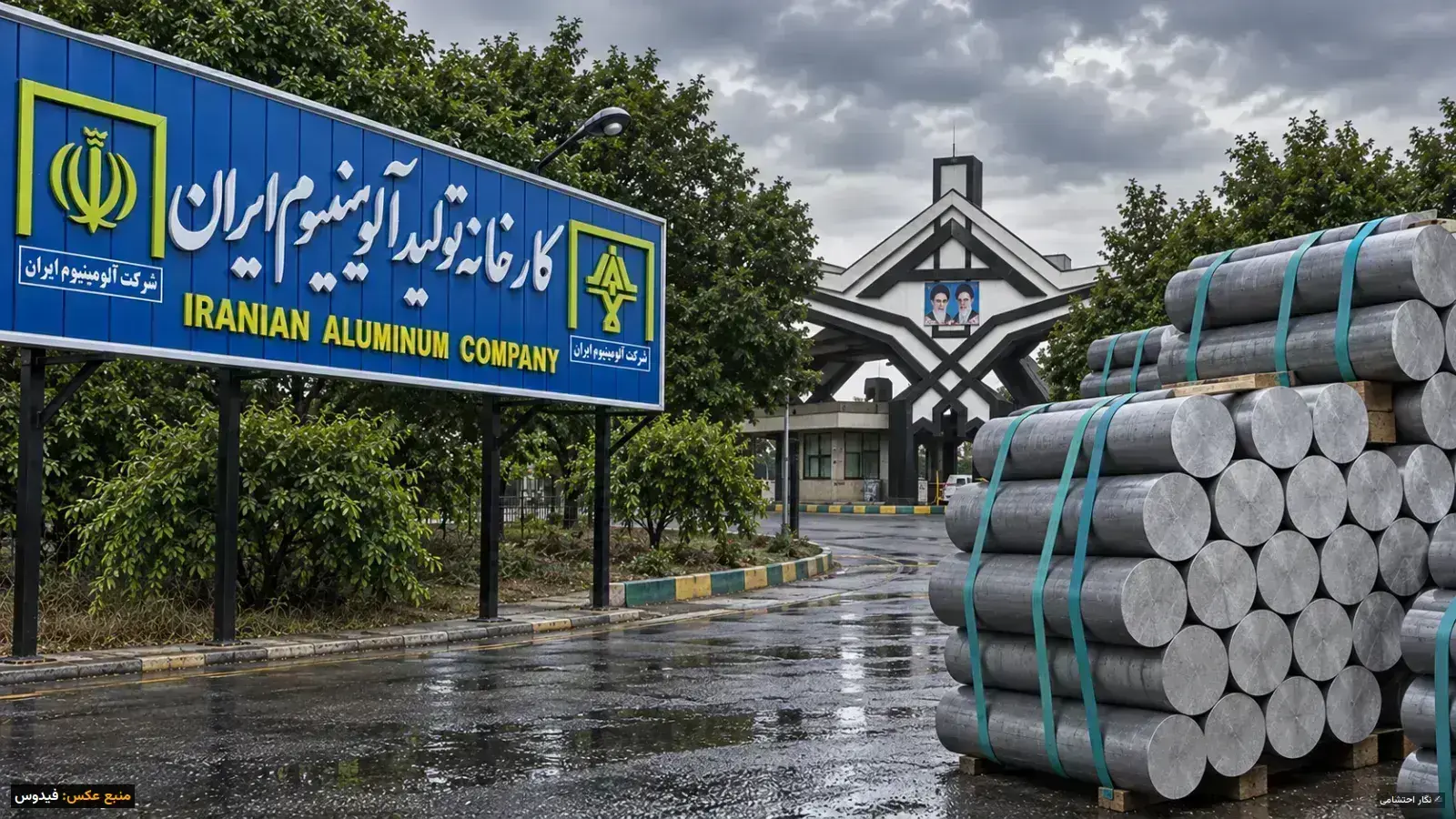
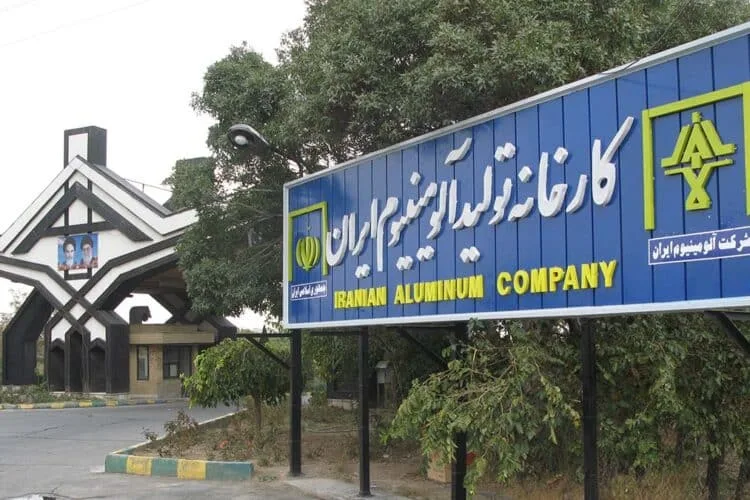
IRALCO, Iran's largest aluminum producer, is currently at the center of one of the most extensive economic corruption cases. This corruption includes organized raw material sales, selling ingots outside the stock exchange, withholding thousands of tons of products, currency violations, family networks, and widespread smuggling. Official documents show that between the years 2010 and 2022, a network known as "Pardis Group" purchased 23 percent of aluminum sales from the commodity exchange and sold ingots without any production process, earning over 3 trillion tomans in illicit profits. This case is now being addressed with an indictment in Tehran's Special Court for Economic Crimes.
A Brief History of Corruption at IRALCO; From Raw Material Sales to Organized Smuggling
Corruption in Iran's aluminum industry has a long history. Since the early 2010s, numerous reports have been published about raw material sales of ingots, non-offering in the stock exchange, widespread smuggling, and currency violations. In July 2026, the Government Penalties Organization of West Azerbaijan announced that an industrial company related to aluminum had imported 452 tons of smuggled ingots into the country, and its CEO was fined 370 billion rials. This history shows that corruption in the aluminum chain is not a temporary incident but a recurring pattern of exploitation of raw materials and government currency.
Selling Ingots Outside the Stock Exchange; The Starting Point of IRALCO's Crisis
According to the official report of the Central Province Judiciary, an individual with the initials "M.M" established a family network of eight subsidiary companies under the name "Pardis Group" and over the years, purchased 23 percent of the total aluminum sales from the commodity exchange. This network then sold the ingots without any production process to companies in need of raw materials, effectively acting as a major broker in the market.
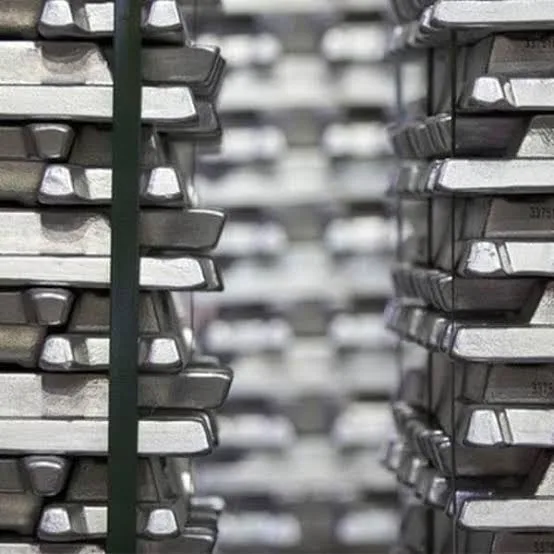
Judicial investigations reveal: Raw material sales of aluminum from 2010 to 2022 continued, and over 737 tons of aluminum were sold illegally, with illicit profits amounting to 3٬360 billion tomans.
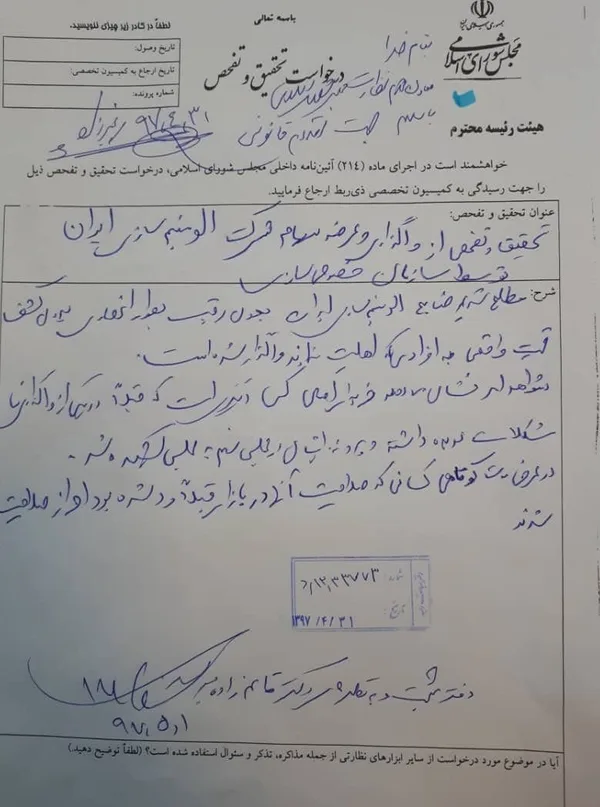
Pardis Network; An Organized Structure to Bypass Oversight
This network, exploiting oversight gaps, managed to: import raw materials with government currency, sell ingots outside the stock exchange, and earn large profits without actual production, even returning part of the illicit income to the government to avoid harsher penalties. This pattern is a classic example of structural corruption in Iran's major industries.
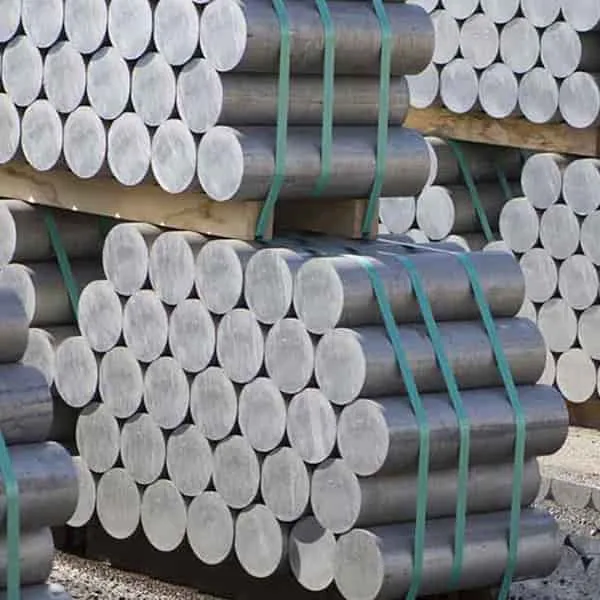
From Market Disruption to Threatening National Economic Security
The IRALCO case is significant in several ways due to its very high financial volume (over 3 trillion tomans) and its direct connection to major industries and national production. The presence of family and organized networks in it has led to currency violations, widespread smuggling, market disruption, and price increases.
The IRALCO case shows how selling ingots outside the stock exchange, raw material sales, smuggling, currency violations, and family networks can bring a major industry to crisis and disrupt the country's production chain. The case is currently in Tehran's Special Court for Economic Crimes, filed as ongoing without a result.