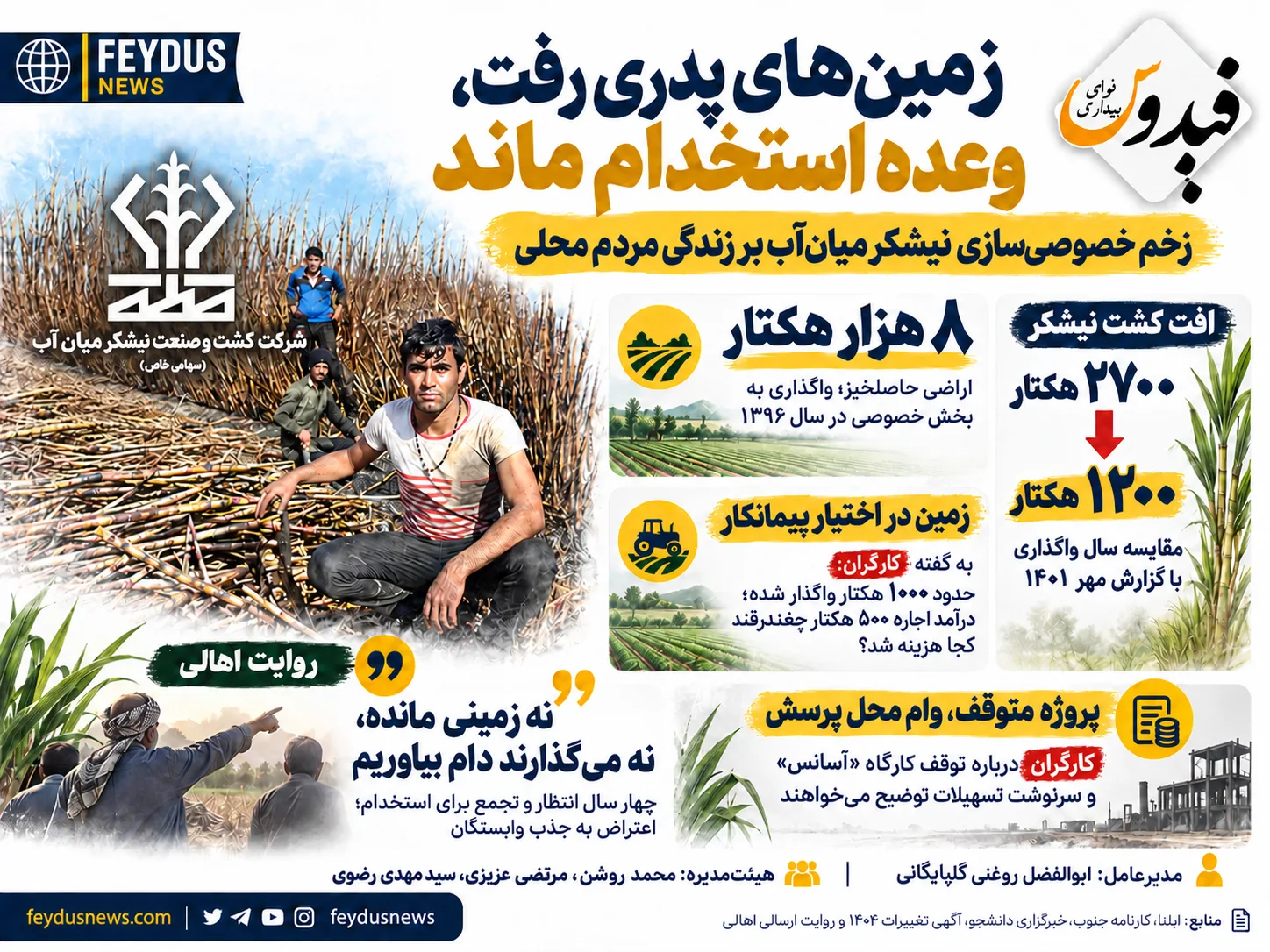
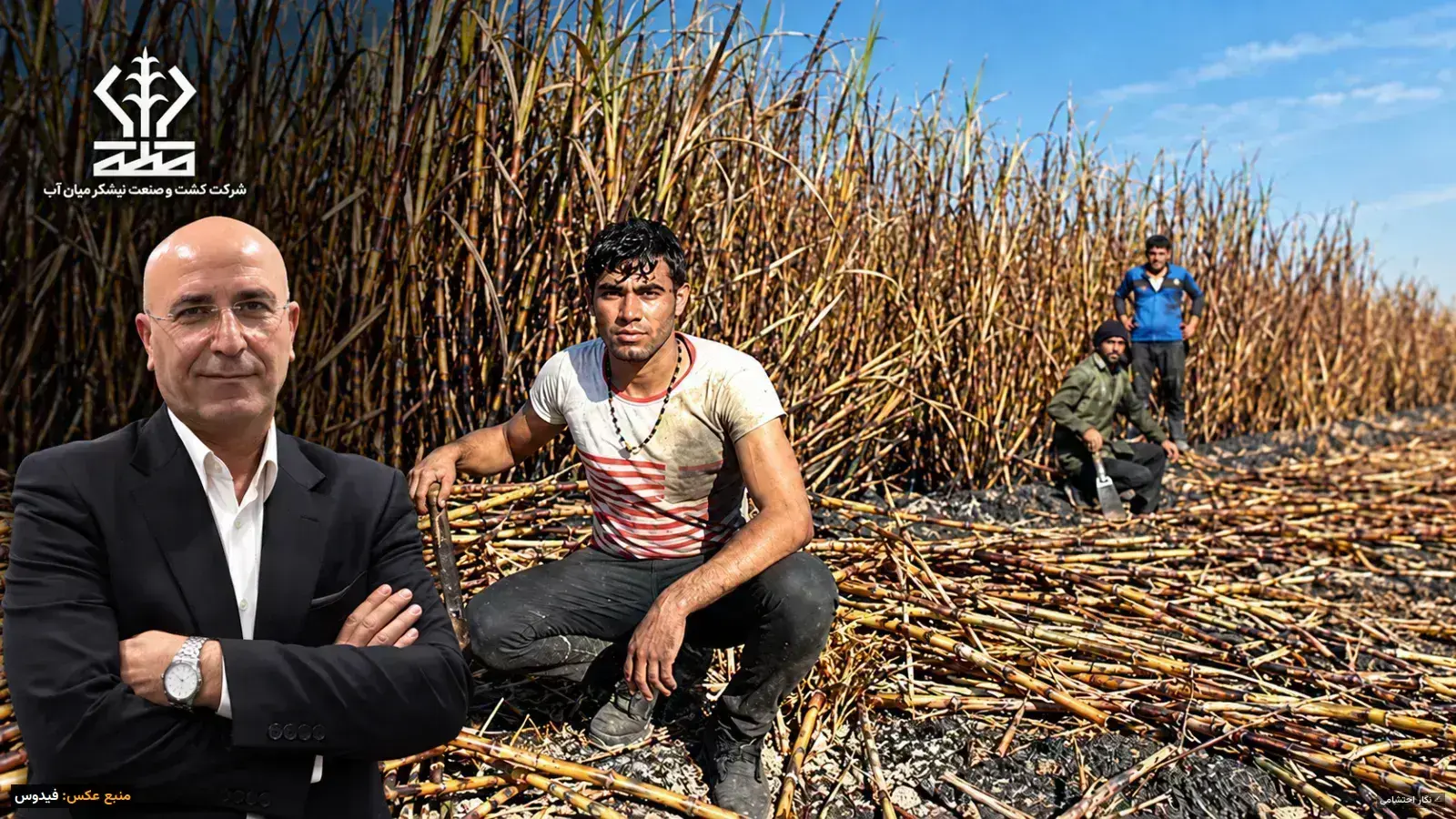
Years after its privatization, the Miānāb Sugarcane Agro-Industry Company in Khuzestan is still facing worker protests and dissatisfaction from surrounding residents. The complex, which was supposed to turn the region's fertile lands into production and employment, is now under scrutiny regarding the manner of its transfer, reduction in sugarcane cultivation, land lease income, and the fate of industrial projects. A narrative sent by a local resident reveals another side of this crisis: families claiming their ancestral lands were taken for the project, yet their children are still waiting outside the company for the employment promises to be fulfilled..
In this narrative, the repeated threats to protesters and local people by the governor and the representative of Shush in the parliament, aimed at supporting the corrupt managers of Miānāb Sugarcane, are indicative of the corrupt structure governing this privatization, which has laid out a rent-seeking table for Tehran-based managers and local officials aligned with them, under the guise of creating local employment.
The Repeated Pattern of False Privatization
The Miānāb project was approved in 1983, covering about eight thousand hectares of Ahudasht lands east of Shush. The Student News Agency described the formation of the complex as resulting from the purchase and seizure of farmers' lands in the 1980s. The company did not have a sugar extraction factory, and its sugarcane was sent to other factories for processing. Therefore, the main value of the complex lay in its fertile lands, irrigation infrastructure, agricultural equipment, and production capacity; assets that were also linked to the livelihoods of surrounding villages..
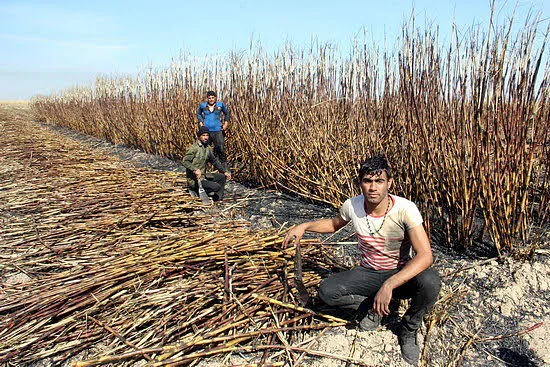
The Agricultural Bank, the previous owner of the company, began the sale process in 2015. The auction notice of February 15 of that year announced the sale of the entire complex, either in cash or installments, with a base price of 155.6 billion tomans. The lands, irrigation and drainage network, pumping station, buildings, and machinery were components of this complex. The transfer was completed in 2017, and media reports introduced the buyer as the private Mazmaz group. Thus, the ownership of extensive assets in Khuzestan was transferred to a private entity, without resolving the dispute over workers' rights and the share of local people in development.

Fake Pricing, Transfer Based on Lobbying and Rent-Seeking
Pricing and the method of securing purchase funds have been main points of criticism. Hamid Chaab, an activist, stated in an interview with the Student News Agency that the valuation in 2017 for 8,109 hectares was 210 billion tomans; equivalent to about 2,600 tomans per square meter if the total amount is divided by the area. He also mentioned that the company's existing resources and claims enabled the payment of purchase installments from the assets of the complex itself. This narrative raises a fundamental question: in a transaction with such economic capacity, what guarantees were taken for fresh investment, maintaining production, and securing the rights of the local community?
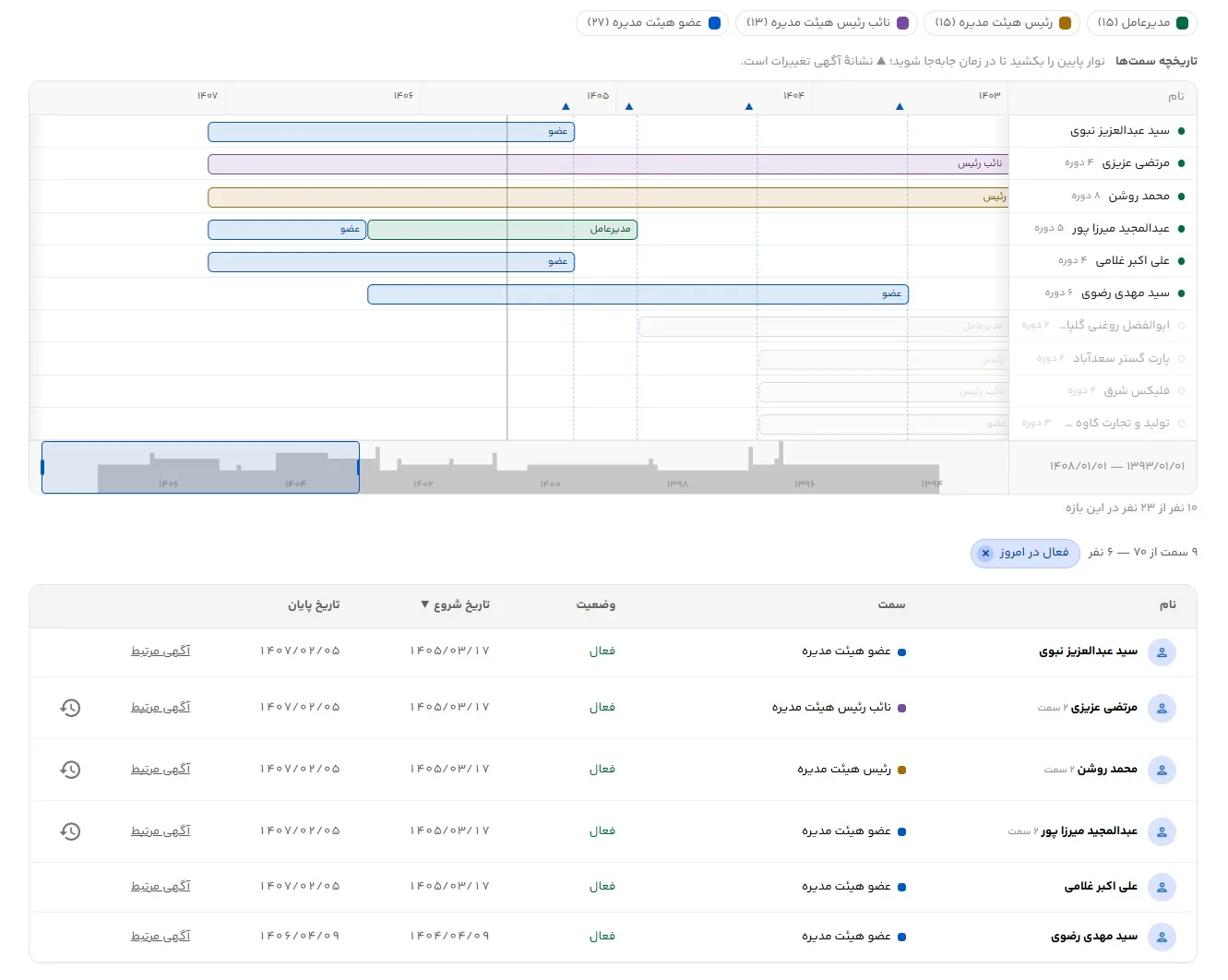
The company's registered management structure also clarifies the decision-makers. According to the change notice based on the minutes of July 1, 2025, three legal companies are present on the board: "Part Gostar Saadabad" represented by Mohammad Roshan as chairman, "Felix Shargh" represented by Morteza Azizi as vice-chairman, and "Kaveh Misa Production and Trade" represented by Seyed Mehdi Razavi as a board member. Abolfazl Roghani Golpayegani is the CEO outside the board. This notice clarifies the legal representatives managing the company, but does not show the percentage of shares each holds. Accountability regarding contracts and financial resources is a shared responsibility of the CEO and the board.
A strange point is the presence of Abdolmajid Mirzapour, the former CEO of Karun Sugarcane, who received a dismissal order and has a record full of dissatisfaction, corruption, and collusion among the board members of Miānāb, which recalls his eleven-year management period at Karun Sugarcane. A period that ended with the revelation of a series of violations, corruption, and environmental crises.
According to local media, Mirzapour had been dismissed on charges such as sugar hoarding. Today, he is one of the main decision-makers in Miānāb, known during his management at Karun for the case of contaminated drinking water in Guriyeh city and molasses released from storage tanks into rivers or irrigation canals.
The decline in Miānāb sugarcane production itself is another reason for the corrupt practices governing the company. The Student News Agency reported in October 2022 that the sugarcane cultivation area had decreased from 2,700 hectares at the time of transfer to about 1,200 hectares, and the yield had dropped from 95 tons per hectare to less than 65 tons. According to the same report, the harvestable production had fallen from over 250,000 tons to less than 80,000 tons. These historical figures show the gap between the complex's performance and the promise of increased efficiency after privatization.
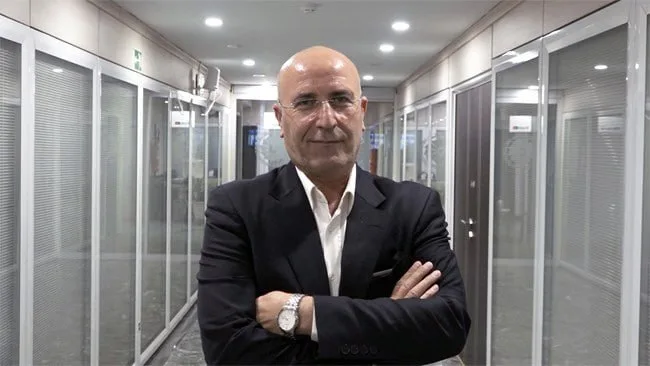
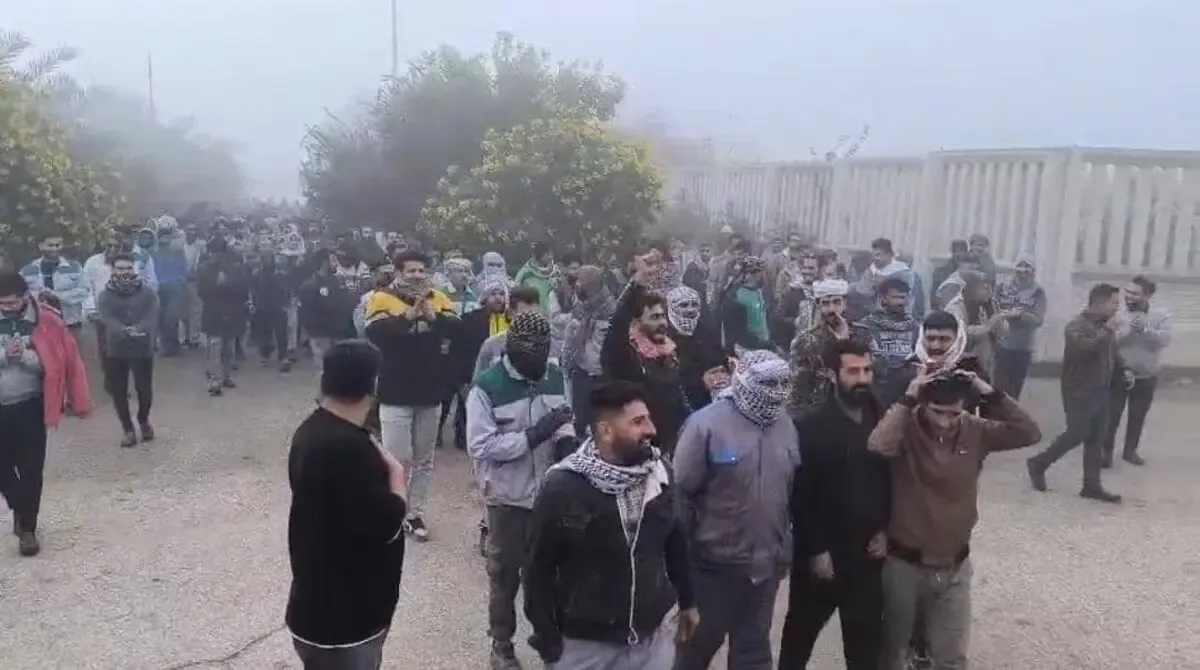
However, even managerial changes have not stopped protests due to the high influence of the main corrupt actors in the company. Kārnameh Jonub reported on December 7, 2025, about the fourth day of worker protests against delayed wage payments, benefit cuts, employment of retired and dual-job managers, and lack of suitable job opportunities.
Five days later, ILNA reported that workers were protesting the assignment of about a thousand hectares of land to a contractor and demanded explanations about the use of rental income from 500 hectares of sugar beet cultivation. They also raised concerns about the suspension of the so-called "Asans" workshop and the fate of related loans; demands that Herana also echoed.
In the narrative sent by a local resident, deprivation of land and livestock, repeated employment promises, and preference for relatives in hiring have worn down families' lives. Alongside this narrative, the company's public relations notice on December 4, 2023, quoting the prosecutor of Karkheh, talks about dealing with blocking the entrance and posting stories to incite strikes. Miānāb needs clear answers: the privatization contract, shareholder composition, rental income accounts, use of facilities, and employment regulations must be published. For the local people, development means that the fruits of their lands lead to employment and livelihood security; not that their share is waiting outside the company and receiving warnings during protests..