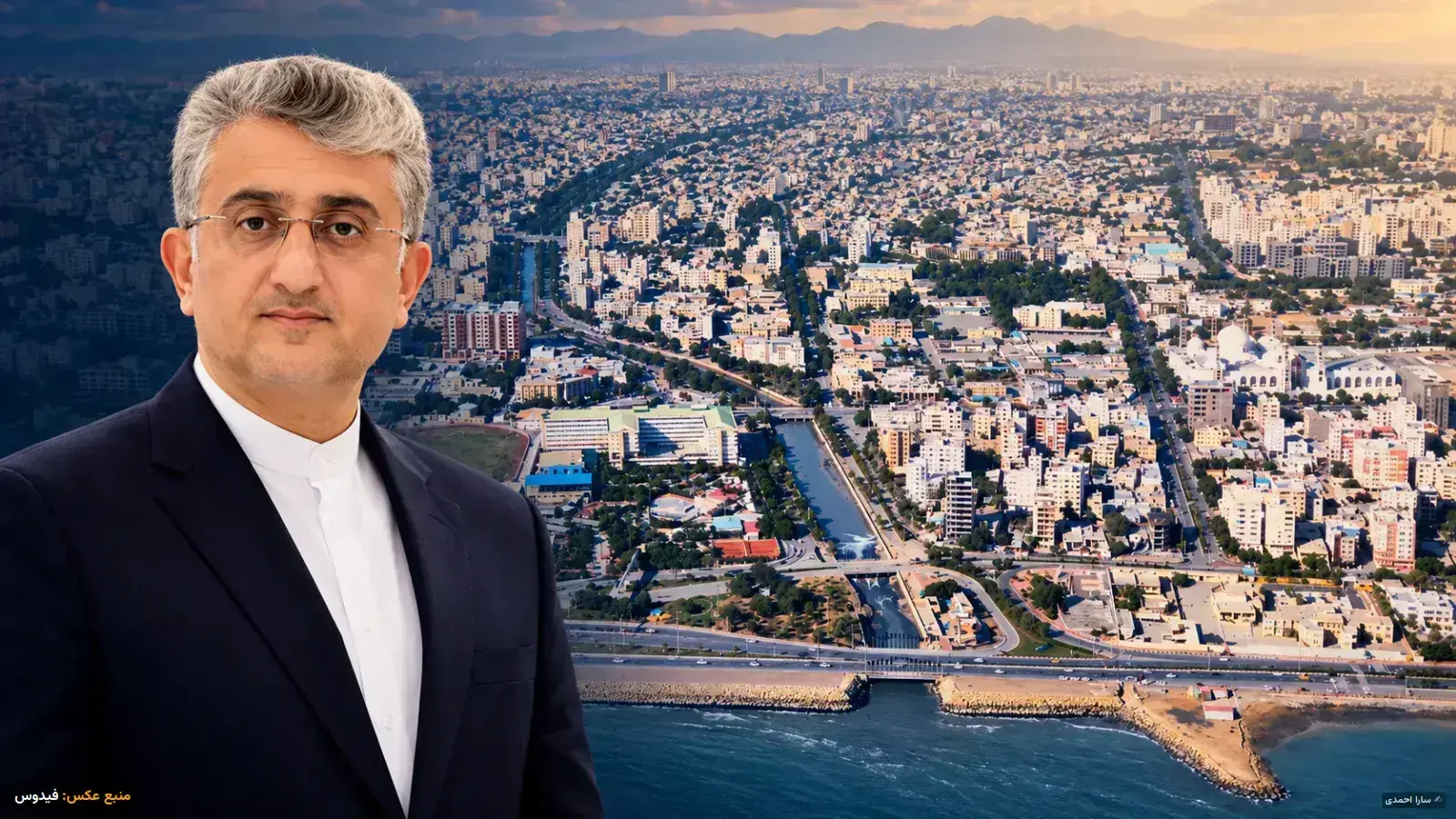
In recent years, especially after the appointment of Mehdi Nobani as mayor, the Bandar Abbas Municipality has faced a series of accusations regarding land grabbing, preferential contracts, illegal fee discounts for individuals close to city management, contractor influence, and embezzlement in the public transport system.
According to informed sources, Nobani has introduced a network of Imam Sajad IRGC forces into the municipality; a network that these sources describe as aiming to seize public resources and assets, and say its connections extend from the Imam's office to security agencies and the city council. According to them, the influence of this circle has put urban management mechanisms at the service of a specific group's interests.
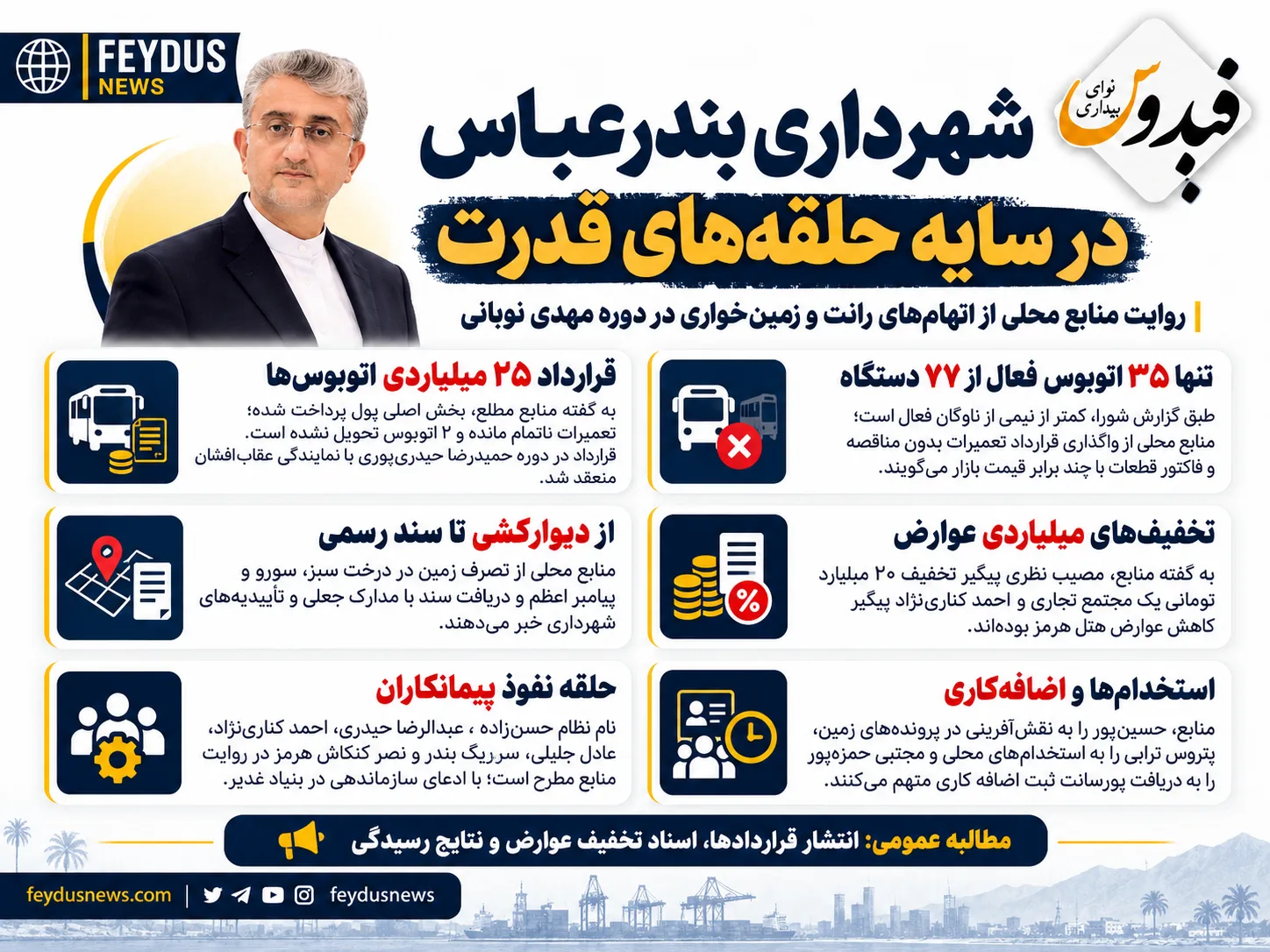
Local sources speak of widespread disruption in the oversight of contracts, construction control, public resource management, and administrative integrity. One example cited is the contract 25 billion toman for repairing municipal buses; a contract that, according to these sources, has had most of its amount paid, yet the buses have not been repaired, and the contracting company has retained two buses as part of its claims and refuses to deliver them.
The 25 Billion Bus Case; Payment of Credit and Fleet Uncertainty
The bus repair contract is among the criticized cases in the urban transport sector of Bandar Abbas. According to informed sources, this contract was signed during the tenure of Hamidreza Heidari Puri as deputy with the Oghab Afshan agency; a manager who has now been promoted to the position of mayor of district four.
According to this narrative, despite the municipality paying the main part of the contract amount, the promised repairs have not been completed or remain unfinished, and two buses have still not been delivered to the municipality. These sources also claim that vehicle parts have been invoiced at prices several times the market rate, and the original contract was awarded without a tender and through a waiver of formalities.
This situation is reported while the Bandar Abbas bus fleet has been facing a severe shortage of active buses for years. According to official council reports referenced in this case, out of a total of 77 city buses, only 35 are active. In such circumstances, the uncertainty of the repair contract and the non-return of two buses to the fleet directly affects the service capacity to citizens.
Land Grabbing; From Walling to Obtaining Official Deeds
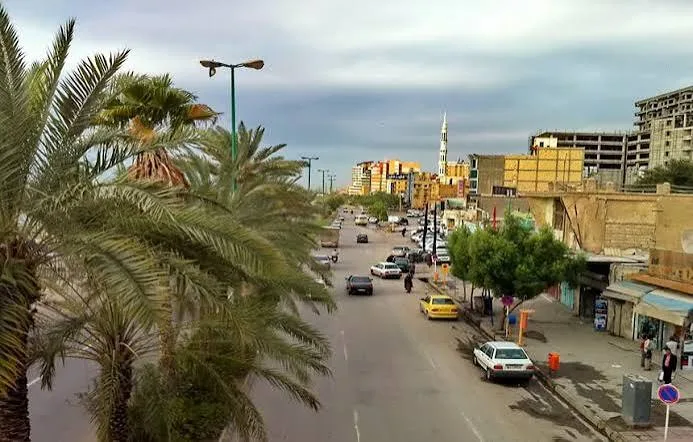
Another part of the accusations relates to the seizure of urban lands in neighborhoods like Derakht Sabz, Suro, Payambar Azam, and other parts of Bandar Abbas. Local sources say that in this method, empty lands are first identified and seized by walling; then, with the cooperation of individuals in the city council and municipality, the necessary letters, approvals, and permits for confirming the seizure are issued.
According to these sources, the department responsible for addressing municipal violations does not show an effective reaction to these actions. They claim that subsequently, fake documents are used alongside municipal approvals to obtain an official deed, thus turning the land seizure into registered ownership. The alleged role of the mayor and some council members in issuing these approvals is one of the main axes of these accusations.
Contractor Influence; A Circle Beyond the Municipality
According to local sources, specific contractors have significant influence in Bandar Abbas Municipality's construction projects. The names of Nezam Hassanzadeh, Abdolreza Heidari, the head of the city council, Ahmad Kenari Nejad, the vice-chairman of the council, Adel Jalili, and the companies Sar Rig Bandar and Nasr Konkash Hormoz are repeated in reports cited by these sources.
According to them, the role of individuals and entities in this circle is not limited to construction projects and includes local elections, lobbying, financing election campaigns, and arranging managers. These sources say the mentioned network is organized under the "Ghadir Foundation" and its influence extends to the process of reviewing cases. In this regard, informed sources claim that security experts who intended to review cases related to this circle have been "strangely transferred"; transfers that, according to them, have affected the pursuit of these cases.
Billion-Dollar Discounts and Special Privileges
Fee discounts for specific individuals and entities are another axis of criticism against the performance of the Bandar Abbas Municipality and city council. Local sources report efforts by council member Masib Nazari to apply a 20 billion toman discount on the fees of a commercial complex and pressure by Ahmad Kenari Nejad, the vice-chairman of the council, to reduce the fees of the Hormoz Hotel. According to these sources, pursuing such discounts was accompanied by commissions received by the involved individuals.
Receiving illegal amounts in exchange for registering employee overtime and ambiguity in the income of taxi vans are also among the issues raised. Local sources say that drivers affiliated with the municipality have been employed on these vehicles, and the income generated from their activities is being misused. All these narratives place the calculation and collection of fees, registration of employee expenses, and oversight of urban fleet income at the center of criticism; especially since, according to critics, the mentioned privileges are not accessible to ordinary citizens.
Deputies; From Urban Development to Waste and Transport
Criticisms from local sources also cover the performance of some deputies and organizations affiliated with the municipality. They accuse Hosseinpour, the deputy of urban development, of playing a role in land cases and say that the appointment of Petros Torabi, CEO of the waste organization, was made with the aim of extensive hiring of individuals from Farghan.
Additionally, Mojtaba Hamzehpour, the executive deputy of transport, is accused by these sources of receiving commissions in exchange for registering overtime. According to them, the dominance of these relations over the administration of the complex has practically disrupted service delivery to the people and overshadowed executive priorities with the interests of individuals and circles close to management.
The Mayor and City Council; Responsibility for Accountability
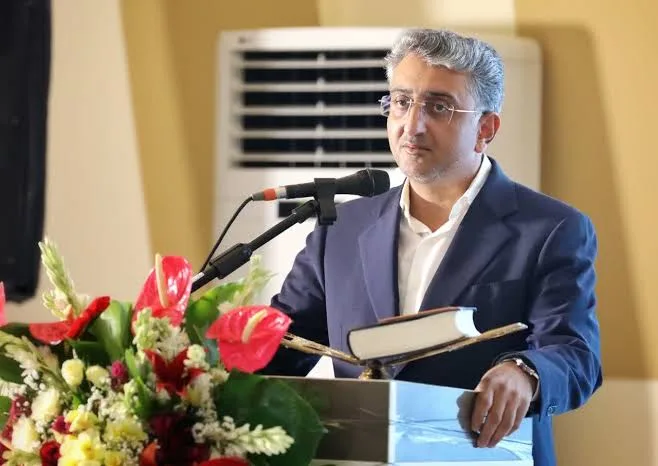
Mehdi Nobani has faced questioning and impeachment in the city council several times in recent years. According to local sources, he has each time managed to change the course of confrontation to his advantage and maintain his position by granting concessions to some council members and his opponents.
Addressing the raised accusations requires the publication of the 25 billion toman bus contract documents, payment amounts, fulfilled commitments, and the status of the two undelivered buses. The list of projects awarded without competition, documentation of fee discounts for the commercial complex and Hormoz Hotel, and records of approvals issued for seized lands must also be available for review. Clarifying the role of the mayor and other influential individuals in these cases and explaining the reason for the transfer of security experts is another part of the responsibility of related institutions.
The narrative from sources about the Bandar Abbas Municipality presents a picture of relationships that, according to them, extend beyond urban management and are linked to security, religious, and economic circles. Accountability for these accusations lies with the mayor, city council, and oversight institutions; the Imam's office must also explain the role attributed to its collection in this report, given the connections mentioned. Citizens who bear the cost of bus shortages, service disruptions, and discriminatory distribution of privileges have the right to know the outcome of these cases and the fate of the city's public resources.