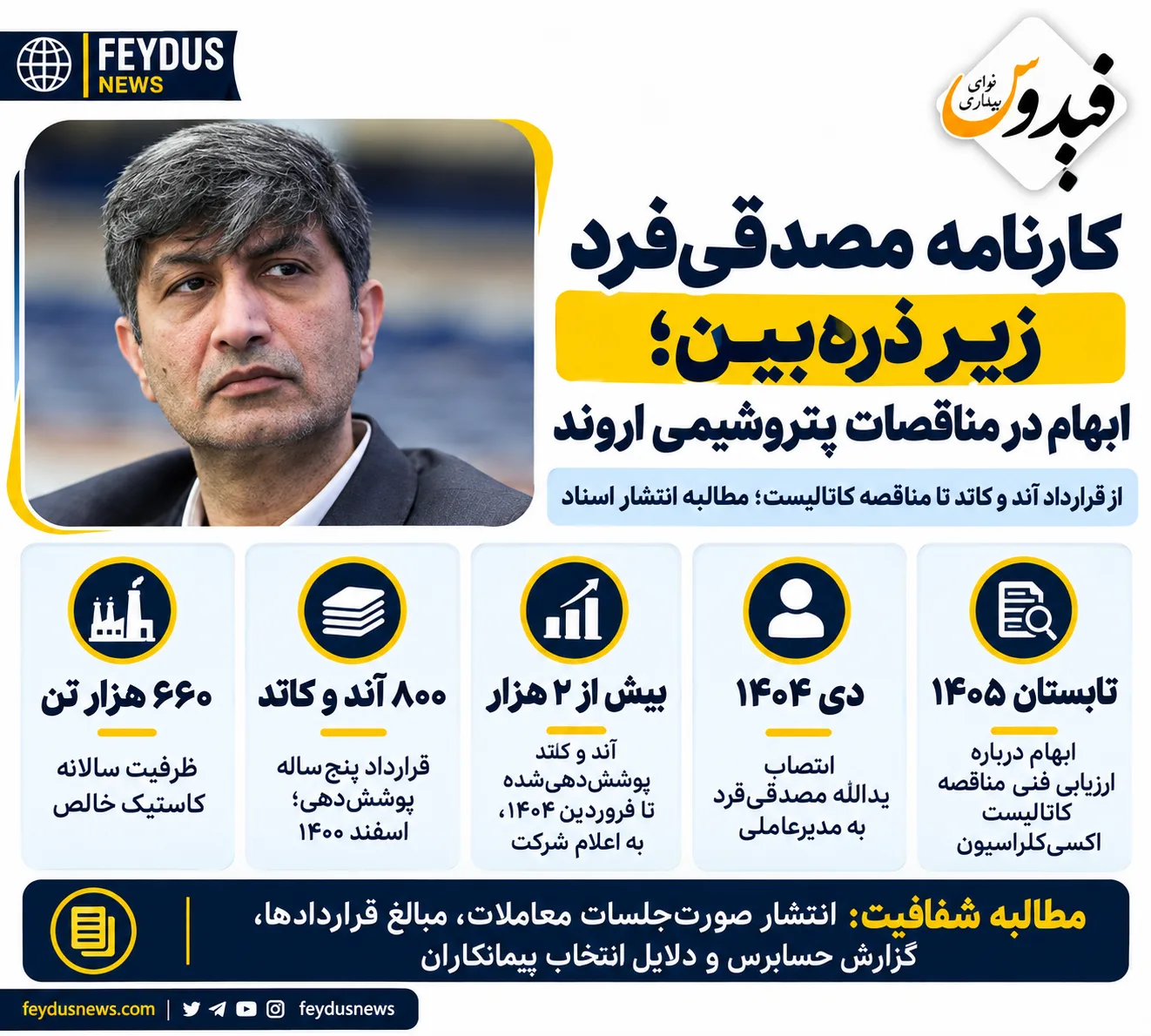
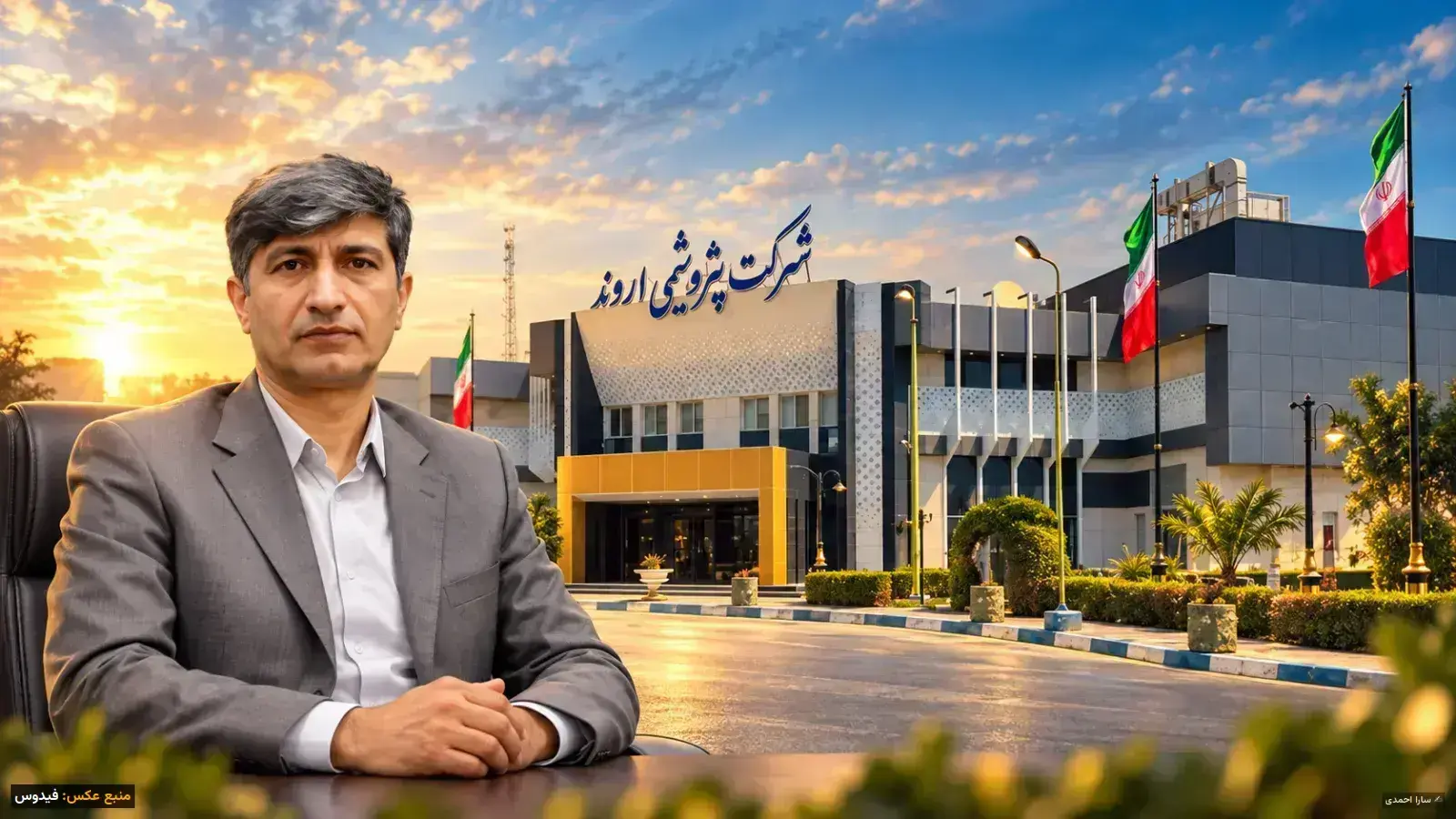
One year after Arvand Petrochemical entered the Tehran Stock Exchange with the promise of "transparency," reports about tenders, contractors, appointments, and management costs, along with frequent production halts, have placed this strategic company at the center of new questions.
Arvand
Petrochemical is not a marginal entity in Iran's economy. The company introduces itself as the largest producer
of PVC and caustic soda in the country, with a chlor-alkali plant capacity of 660,000 tons of pure caustic soda annually. Its production chain extends from salt to chlorine, EDC, VCM and PVC ; therefore, disruptions at Arvand can also affect part of the downstream industries.

A History That Cannot Be Ignored
Today's ambiguities at Arvand are built on years of disputes over contractor selection, foreign currency contracts, and relationships between petrochemical industry managers and private companies. Since the late 2000s, the repeated mention of certain contractors in maintenance and repair tenders, lack of real competition, and the dependency of operational units on a limited network of companies revealed the first signs of a closed decision-making cycle; a cycle that became more complex in subsequent years with increased production capacity and the introduction of new projects.
In the 2010s, foreign currency contracts for supplying catalysts, anodes, and cathodes and electrolyzer equipment raised more sensitivity. Each time a major contract was signed, questions about pricing, technical qualifications, and potential conflicts of interest were raised; questions that often remained unanswered without the publication of complete documents or official oversight reports.
U.S. sanctions against the Persian Gulf Holding since 2019 have exacerbated this situation, creating more space for intermediaries, complex contracts, and the risk of currency rent; Arvand is a subsidiary of the Persian Gulf Petrochemical Industries Company. The U.S. Treasury Department sanctioned this holding and a number of its subsidiaries, including Arvand Petrochemical, in June 2019, stating that PGPIC provided financial support to Khatam al-Anbiya Construction Headquarters, an economic entity affiliated with the IRGC.
From Atieh Pardazan to Karimi
Arvand's
collaboration with the company "Atieh Pardazan Zohour Sharif" in August 2020 was later accompanied by questions about contractor selection and adherence to transaction regulations. In March 2022, a five-year contract was signed to cover 800 anodes and cathodes between the two entities. However, the volume of collaboration between the two entities is undeniable. In April 2025, Arvand's public relations announced that the company had covered more than two thousand anodes and cathodes of the complex. These data indicate that the main issue is not "the existence or non-existence of collaboration," but transparency in contract conclusion, pricing, and adherence to transaction regulations.
New Management; Expectation of Transparency
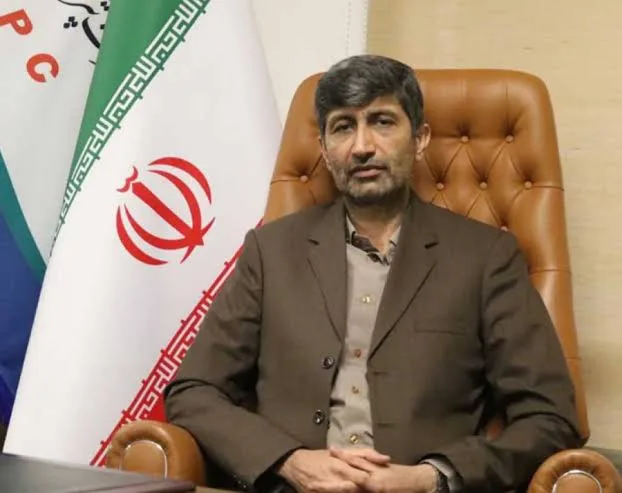
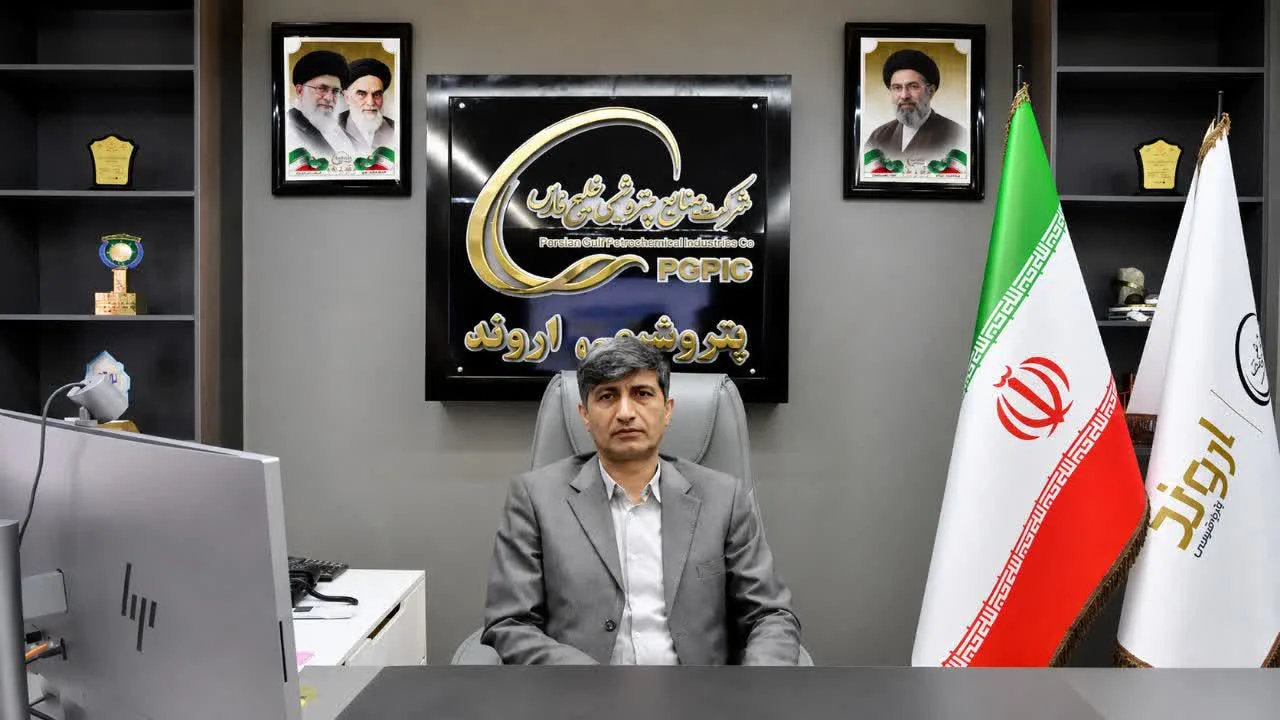
With the appointment of Yadollah Mossadeghi-Fard in December 2025, it was expected that the management change would lead to reduced controversies and increased transparency. However, just a few months later, reports emerged about the manner of appointments, office expenses, the presence of consultants, administrative projects, and most importantly, sensitive tenders and purchases. In the summer of 2026, the tender for supplying the catalyst for the oxychlorination unit became one of the most significant issues. A company with an inconsistent background with the expected expertise won the tender, and the technical evaluation process remains unclear.
Costs, Offices, and Appointments; Missing Documents
Administrative
costs, luxury offices, family relations, and illegal payments are being discussed. The main question today is: Are Arvand's financial and transactional processes as transparent as the importance and volume of its financial turnover? From contracts that raised questions years ago to today's tenders and appointments, what can restore the trust of employees and the public is the publication of documents such as: minutes of the transaction commission, contractor evaluation methods, contract amounts, reasons for waiving formalities, audit reports, and official explanations about potential conflicts of interest, which a mere change of CEO cannot answer.
If no wrongdoing has occurred, the publication of documents can exonerate managers from accusations, and if there has been wrongdoing, it is the responsibility of oversight bodies to address it, regardless of individuals' names and positions.
After
years of repeated controversies, Arvand Petrochemical employees have the right to know what the reality is behind the contracts and decisions made about this entity's capital.