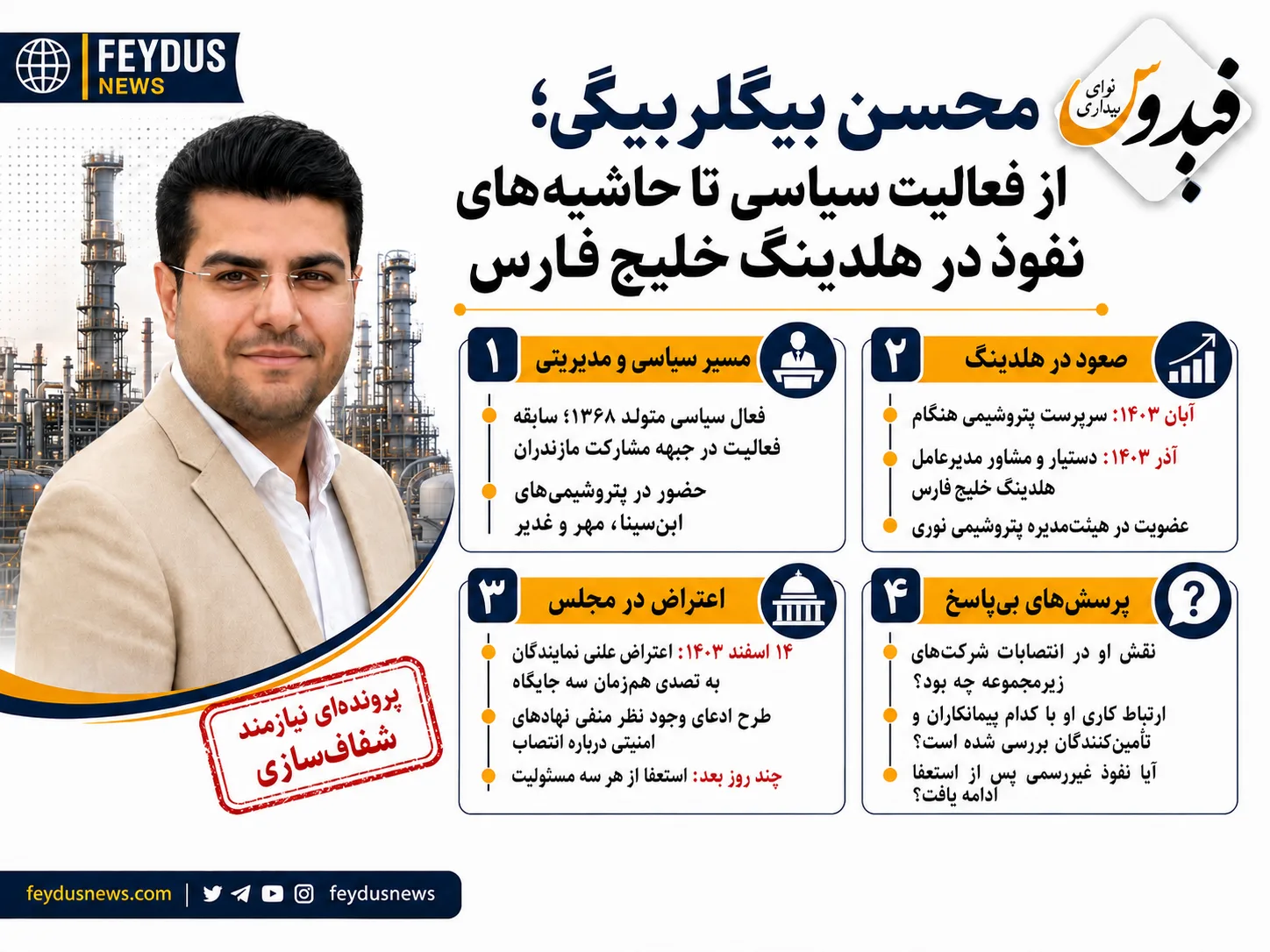
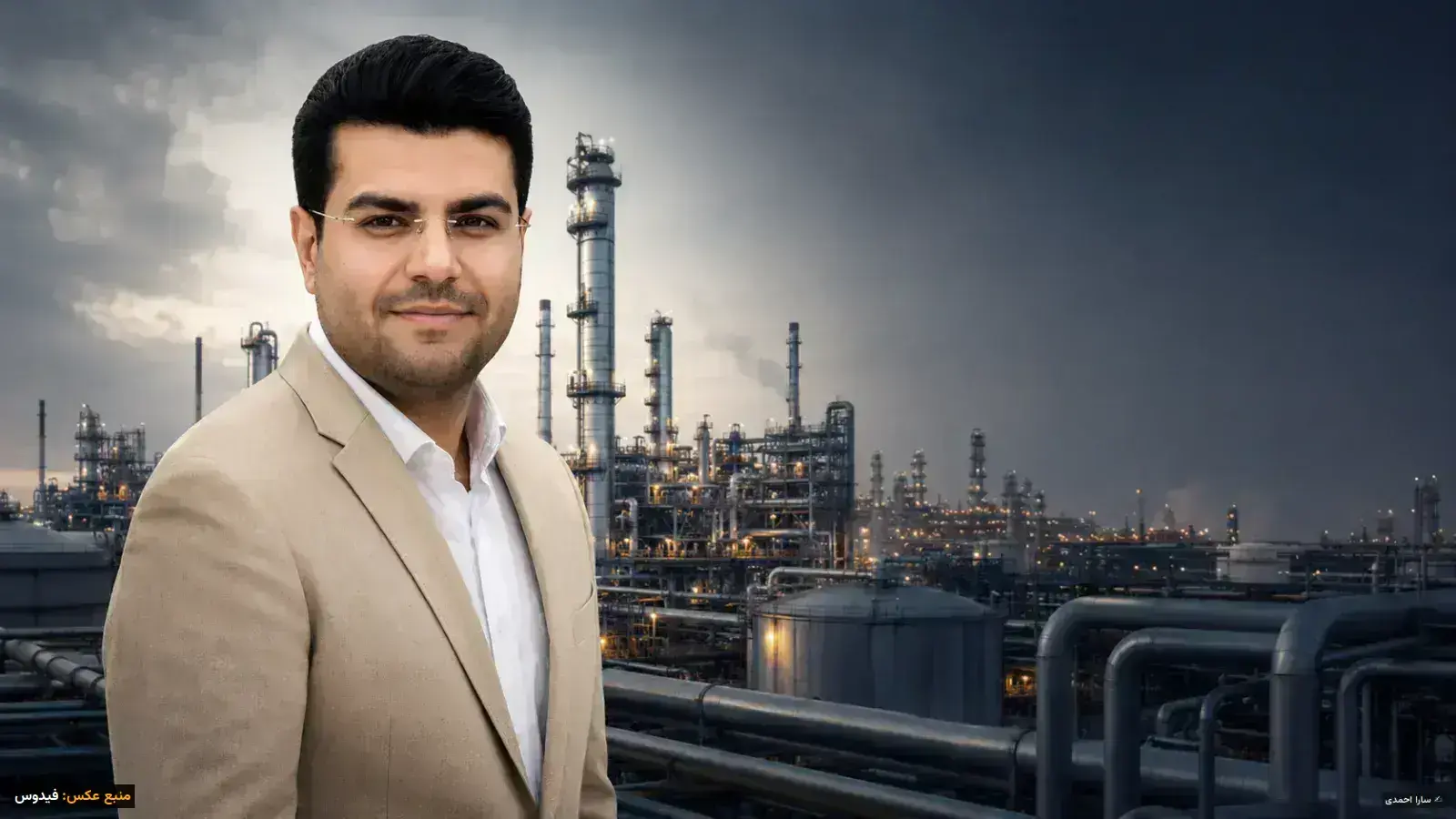
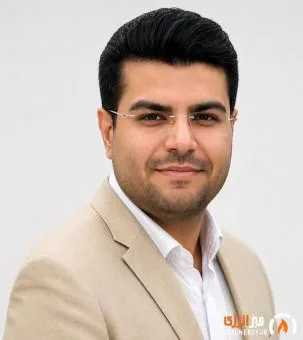
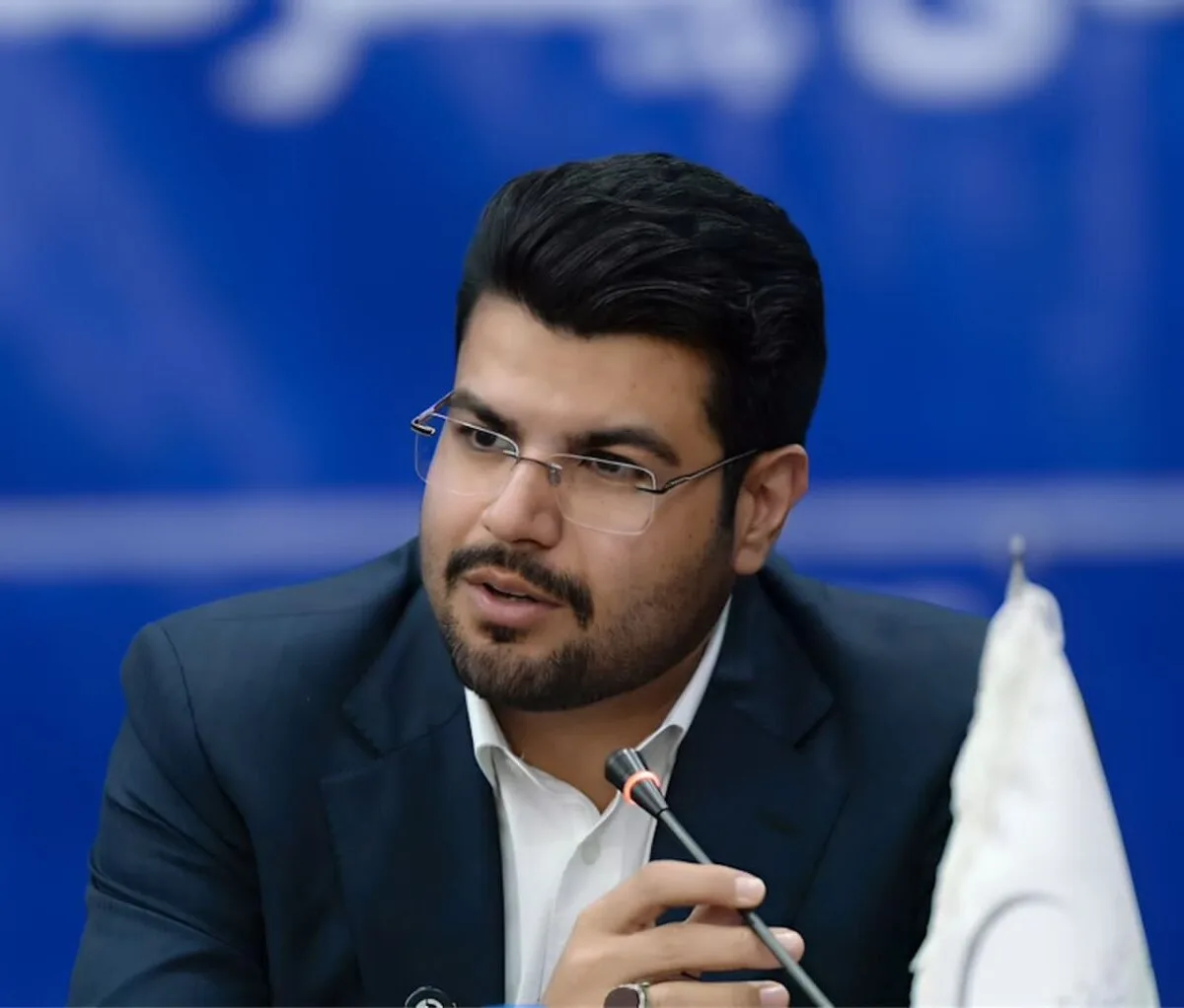
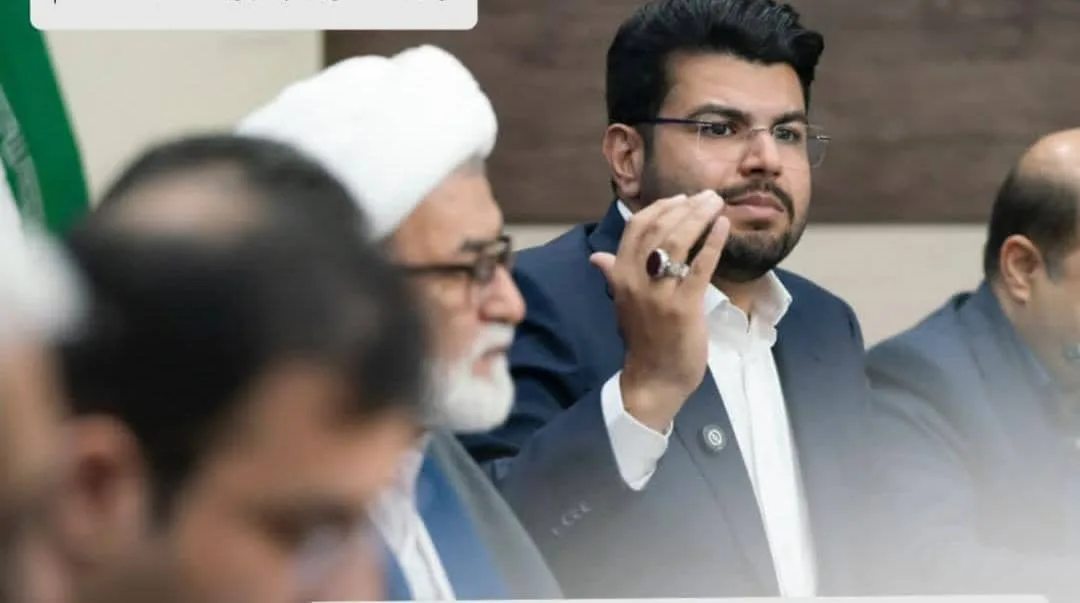
The name Mohsen Biglarbeigi has been repeatedly mentioned in recent years in the context of appointments in Iran's petrochemical industry; a political activist born in 1989, whose career path began in the political arena and reformist activities, later moving into management and commerce in petrochemical companies, eventually reaching the managerial circle of the Persian Gulf Petrochemical Industries Company.
However, Biglarbeigi's name is not only known for his official positions. On social networks and some specialized oil industry media, numerous reports have been raised about his influence on appointments and managerial decisions in the Persian Gulf Holding. Allegations include receiving money in exchange for appointments or contracting and supply agreements; an issue that extended the scope of protests to the public session of the parliament.
From Political Activity to Ghadir Petrochemical
Biglarbeigi's political background dates back at least to the early 2010s. He was a member of the Youth Branch of the Participation Front of Mazandaran and was arrested in October 2010. This source states that he was sentenced to two years in prison in the preliminary court and reduced to one year and six months on appeal. Other reports also mention his re-arrest in 2014 along with two members of the Neda of Iranian Party.
Later, Biglarbeigi entered the petrochemical industry. Industry-specific sources reported his presence in Ibn Sina and Mehr Petrochemicals and then his membership on the board of directors and as the commercial deputy of Ghadir Petrochemical. In 2019, he also spoke to the media as the commercial deputy of Ghadir about the foreign sales of the company's products.
This path entered a new phase in November 2024. Abdolali Ali-Asgari, then CEO of the Persian Gulf Holding, appointed Biglarbeigi as the acting head of Hengam Petrochemical. The published text of the decree shows that this appointment was made based on a resolution of the Hengam Petrochemical board of directors.
Shariatmadari and Rapid Rise in the Persian Gulf Holding
After Mohammad Shariatmadari took over the management of the Persian Gulf Holding, Biglarbeigi's position was also strengthened. On December 8, 2024, media reported that Shariatmadari had appointed him as "Assistant and Advisor to the CEO"; while Biglarbeigi simultaneously held the acting head position at Hengam Petrochemical.
He later joined the board of directors of Nouri Petrochemical. Published sources on his background, in addition to these positions, also mention his chairmanship of the Technical Committee of the Energy Commission of the Iran Chamber of Commerce.
This concentration of multiple responsibilities made Biglarbeigi one of the most controversial managerial figures in the early months of Shariatmadari's presence in the holding.
In media and critical Telegram channels, much broader claims were made. Some channels alleged that Biglarbeigi had influence in the appointments of petrochemical company managers and even spoke of his connection to some appointments in subsidiary companies. For example, in some cases, they claimed his support for certain managerial appointments. Over the years, other political and financial accusations have also been made against him.
Protest in Parliament and Resignation from Three Positions
The turning point in Biglarbeigi's case occurred on March 4, 2025, when his appointment was directly protested in the public session of the parliament. Representatives emphasized that the Ministry of Intelligence and the IRGC Intelligence had given negative opinions about Biglarbeigi's appointment, yet he held three positions in the Persian Gulf Petrochemical Industries Company.
A few days later, Biglarbeigi resigned from his responsibilities. A member of parliament also announced that he had resigned from "all three positions." The news of Biglarbeigi's resignation from Hengam Petrochemical was independently published by several energy sector media, and Rahman Mansourian replaced him.
This coincidence led critics to consider Biglarbeigi's departure as a result of pressure from parliament and supervisory bodies, although the official statement from Hengam Petrochemical did not explain the reason for the resignation.
Official Influence Ended; Questions About Unofficial Influence Remained
However, Biglarbeigi's story did not end with his resignation. His name later reappeared in the petrochemical structure, and sources in 2025 reported his presence on the board of directors of Nouri Petrochemical; a position that ended in December of the same year with the arrival of Taghi Sanei.
These comings and goings provided the basis for continued speculation about Biglarbeigi's ongoing relationship with the managerial network of the Persian Gulf Holding. The more important question, however, concerns the claims related to the period after his reduced official presence.
Sources close to the industry and critical channels claim that Biglarbeigi, after stepping down from some positions, still had influence in appointments, contracting, and supply. Some accounts speak of pressure on CEOs or commercial managers to direct contracts.
The simultaneous presence of a not-so-effective former political figure in several sensitive positions in the holding, the explicit protest of parliament members, and the existence of negative security inquiries regarding economic activities and the rapid resignation after these protests became public, have turned Biglarbeigi's case into a subject worth examining in the evaluation of Mohammad Shariatmadari's managerial period.
The main issue now is not the repetition of social media allegations, but answering several measurable questions: In which appointments did Biglarbeigi play a role? With which contractors and suppliers did he have working relationships? Why did he continue to interfere in the decision-making of the holding's subsidiary companies even after his resignation? And if supervisory bodies have prepared a report on him, what were the results of these investigations?