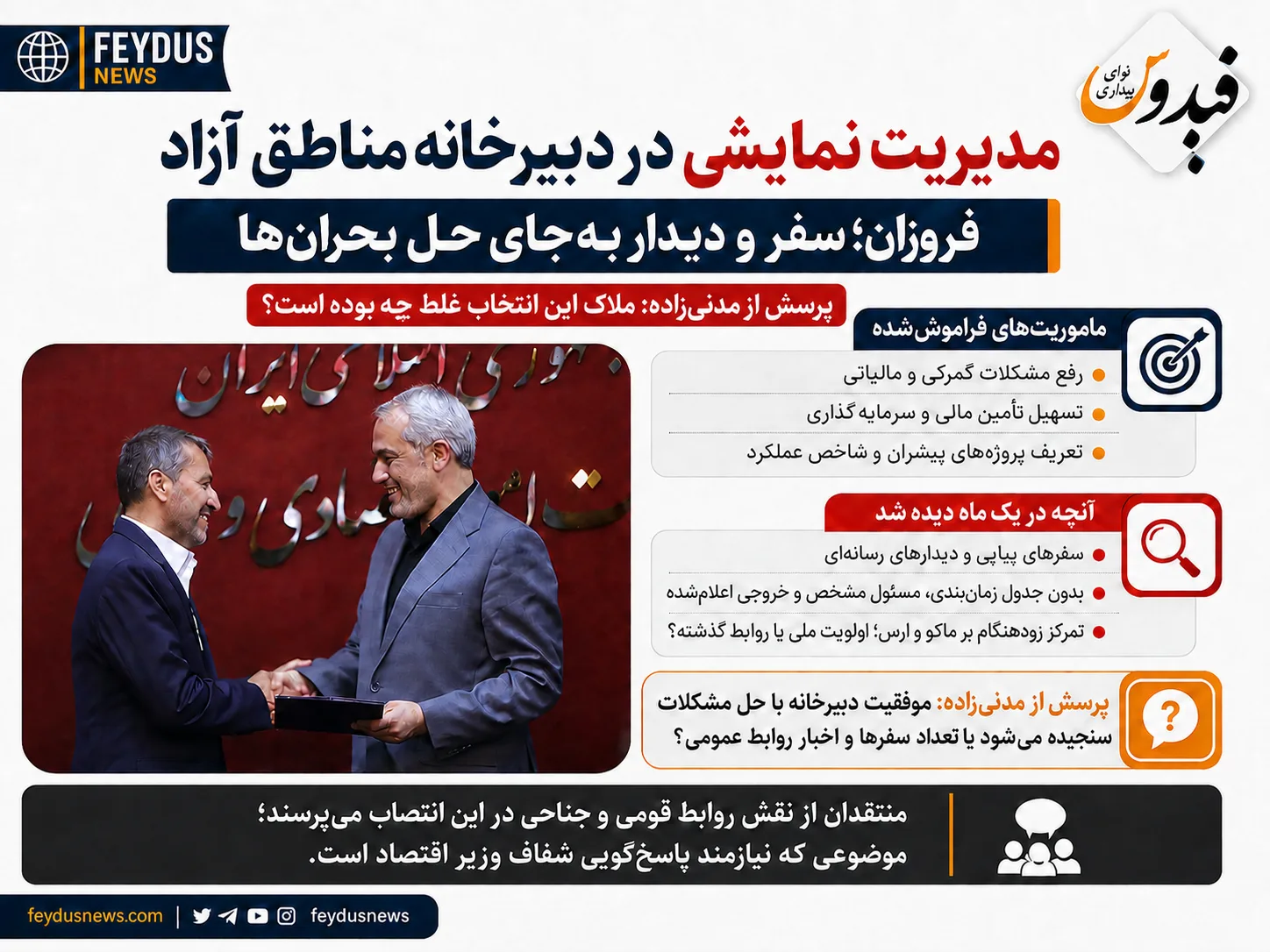
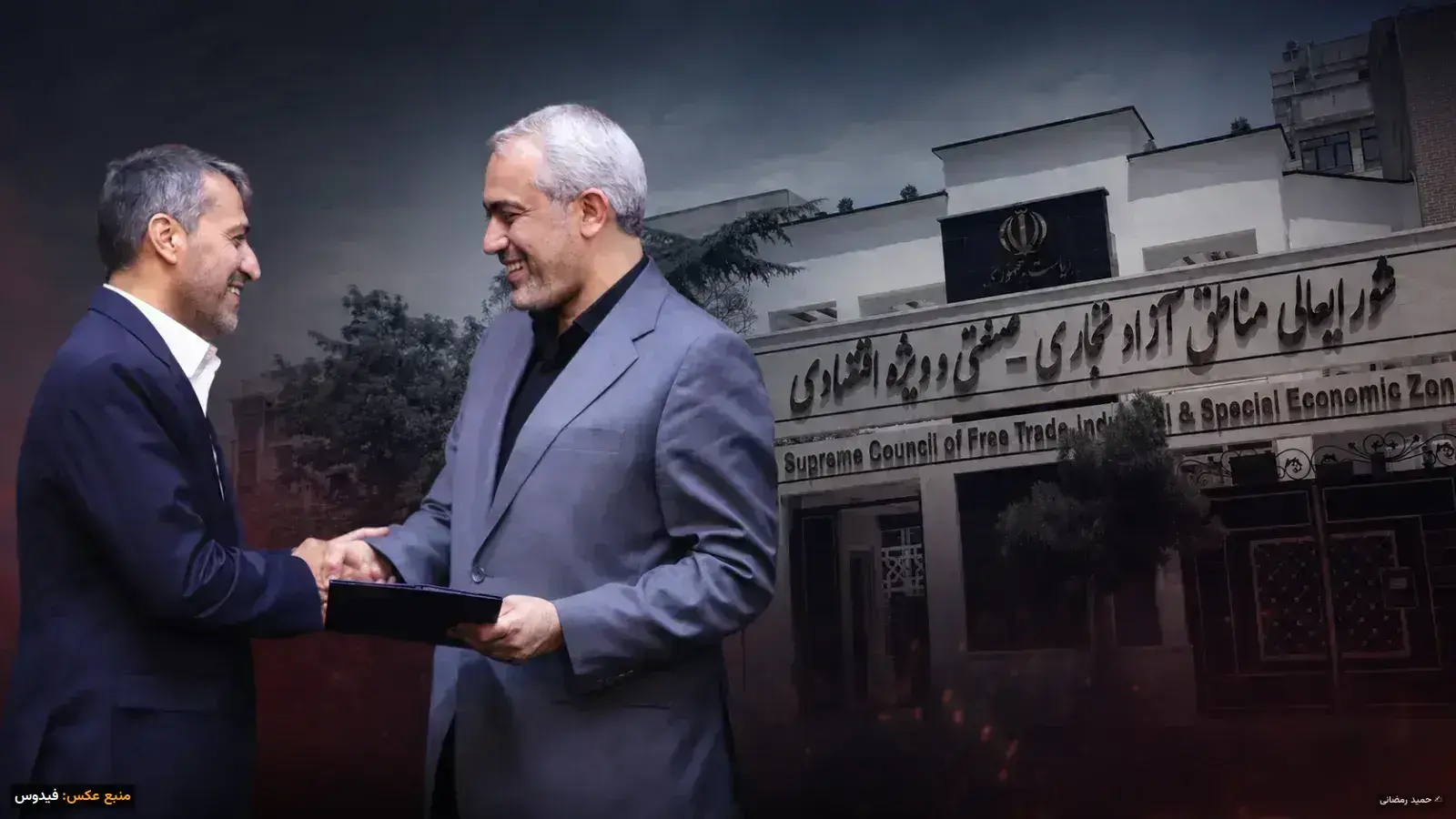
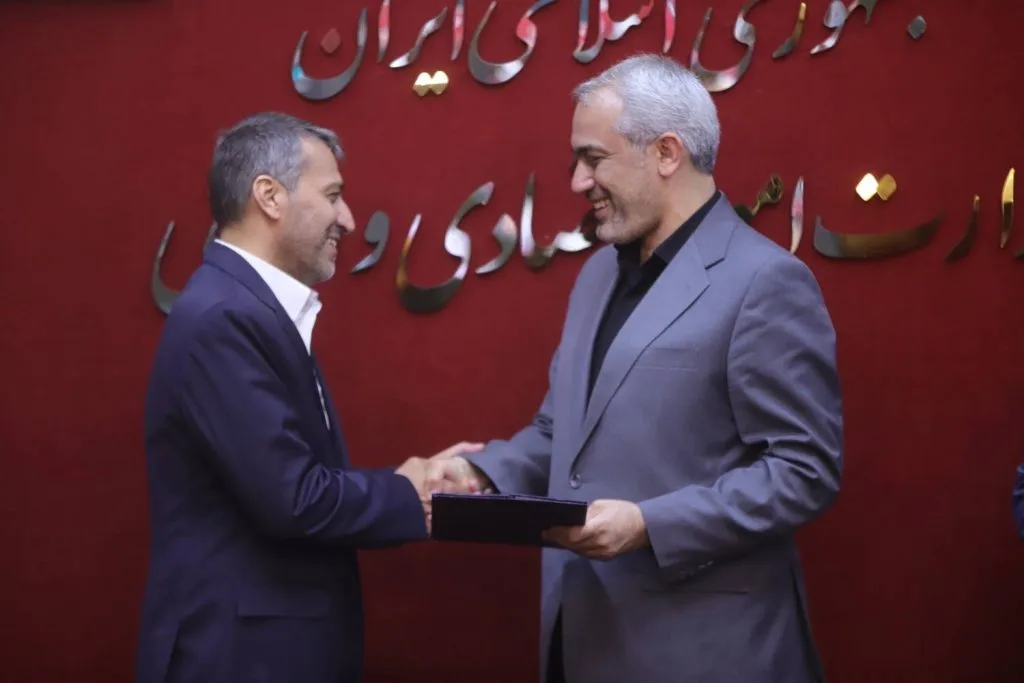
The appointment of Hossein Forouzan as the Secretary of the Supreme Council of Commercial-Industrial and Special Economic Free Zones was accompanied from the outset by questions about how he was selected and his operational plan for managing this organization. Forouzan was appointed to this position on August 5, 1405, by the decree of Seyed Ali Madani Zadeh, the Minister of Economic Affairs and Finance, and even during this short period, his performance has drawn serious criticism from free zone activists.
This issue also points the finger of protest at Madani Zadeh, who must respond as to why, when Forouzan's appointment decree emphasized missions such as resolving customs and tax issues, facilitating financing and investment, completing strategic documents of the zones, defining leading projects, and setting performance indicators, there is no sign of Forouzan's efforts in this direction during this one-month period.
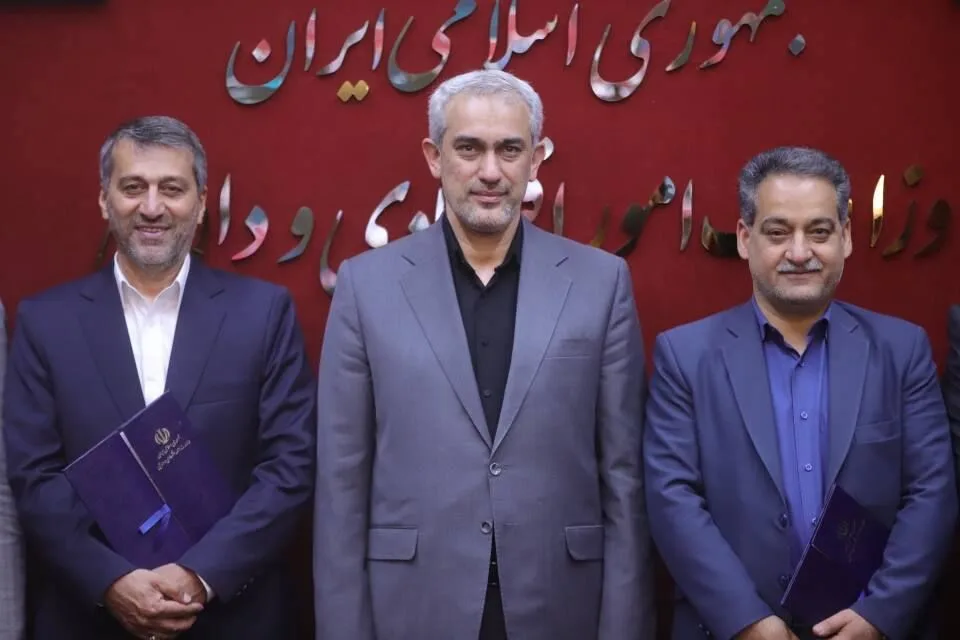
Management Challenges and Expectations
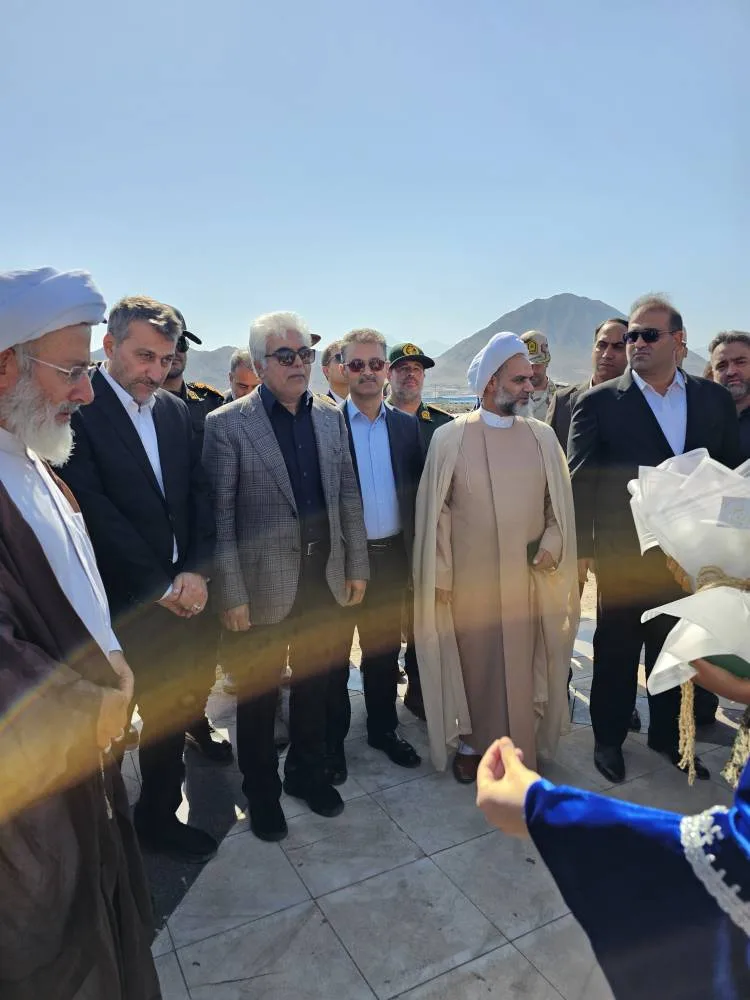
Economic activists say that while the Secretariat was supposed to distance itself from issuing directives and holding futile meetings and become an institution for resolving disputes between free zones and executive bodies, during this period, Forouzan has only engaged in ceremonial trips and meetings with local activists in front of cameras without having any impact on resolving the issues of the free zones.
The visit of a national organization manager to subordinate areas is not inherently negative. Managers are compelled to conduct field visits and engage in dialogue with economic activists to understand issues; however, a visit gains managerial value when it leads to decisions, a timeline, assignment of responsibility, and publication of results. Repeated meetings without announcing specific outcomes ultimately result in nothing but image management and public relations content production.
During Forouzan's visit to Sarakhs and Dogharoon, emphasis was once again placed on "economic capacities," "the necessity of utilizing opportunities," and "the role of free zones in the country's development"; phrases that have been heard from various managers for years.
Strategic Choices or Personal Connections?
The trip to Maku and Aras has also attracted more attention. Forouzan was previously the CEO of the Maku Free Zone Organization for about four years and naturally has connections with managers, economic activists, and local networks in the northwest of the country. The announced program for his trip to Maku included visits, inaugurations, groundbreaking projects, and meetings with people, officials, and economic activists. However, his early focus on Maku and Aras raises the question of whether the selection of destinations and audiences was based on national priorities of the free zones or if past relationships and acquaintances also played a role.
Madani Zadeh must explain based on which evaluation Forouzan was chosen for this responsibility and what criteria have been set to assess his performance. Has the Minister of Economy requested a specific timeline from the new secretary for solving customs, tax, and currency issues in the free zones? Will a list of leading projects and targeted investment amounts be published? Or is the success of the Secretariat going to be measured by the number of trips, meetings, and public relations news?
The Minister of Economy cannot, on one hand, speak of "recreation and transformation of free zones" in the appointment decree and, on the other hand, remain indifferent to the dominance of media display over executive action. If after a reasonable period, the output of the Secretariat remains limited to images of visits, ceremonial meetings, and general statements, the responsibility for this failure will directly fall on the Minister of Economy as well.
Forouzan's Appointment, the Result of Ethnic and Factional Networking
The more important question returns to how this appointment was formed. Some critics view Forouzan's selection not merely as Madani Zadeh's decision but as the result of Masoud Pezeshkian's opinion and the influence of Azerbaijani managers close to the presidential office. This issue, along with Forouzan's track record filled with violations and inefficiencies, turns into a test of Madani Zadeh's own management, showing that if the Minister of Economy claims Forouzan's appointment was ordered by the President's office, it still clarifies the reality that in the critical moment of economic warfare and various challenges in the economic field, the minister does not even have the authority to choose a manager who is supposed to govern areas that were meant to be the main gateways for Iran's trade to create economic growth.
The current state of free zones, which under the shadow of incorrect appointments and neglect in expanding corrupt rent-seeking management are practically far from their goals, with Forouzan's appointment resulting in nothing but the continuation of the previous failed path. Managers who only sit in the position of managing free zones due to political and factional connections and leave these areas with records full of corruption and loss. This is where Forouzan's own record during his management of Maku comes to mind, and the key question to Madani Zadeh is repeated: why should a manager with multiple corruption cases and weak performance be appointed to a higher position after years of being dismissed?