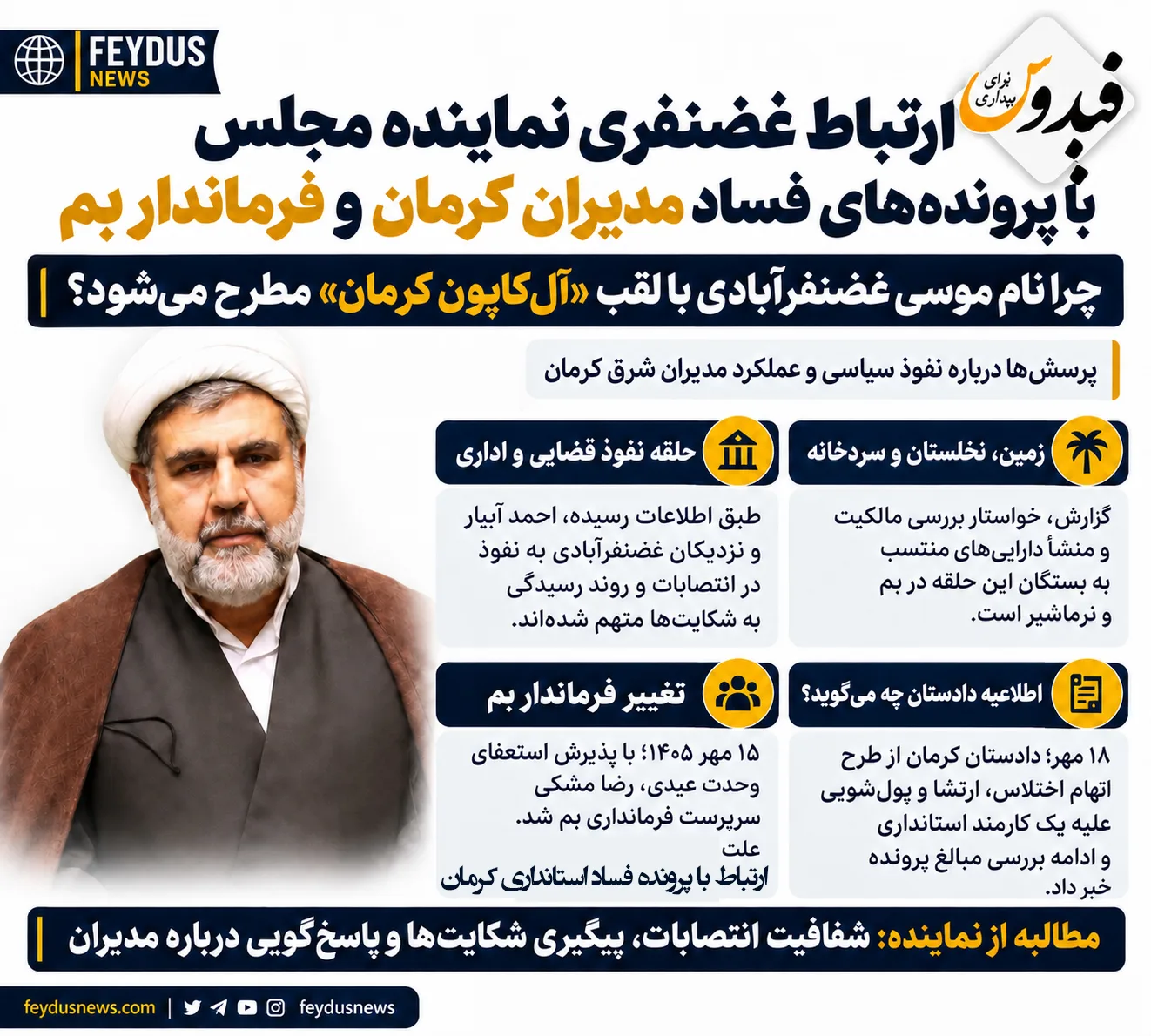
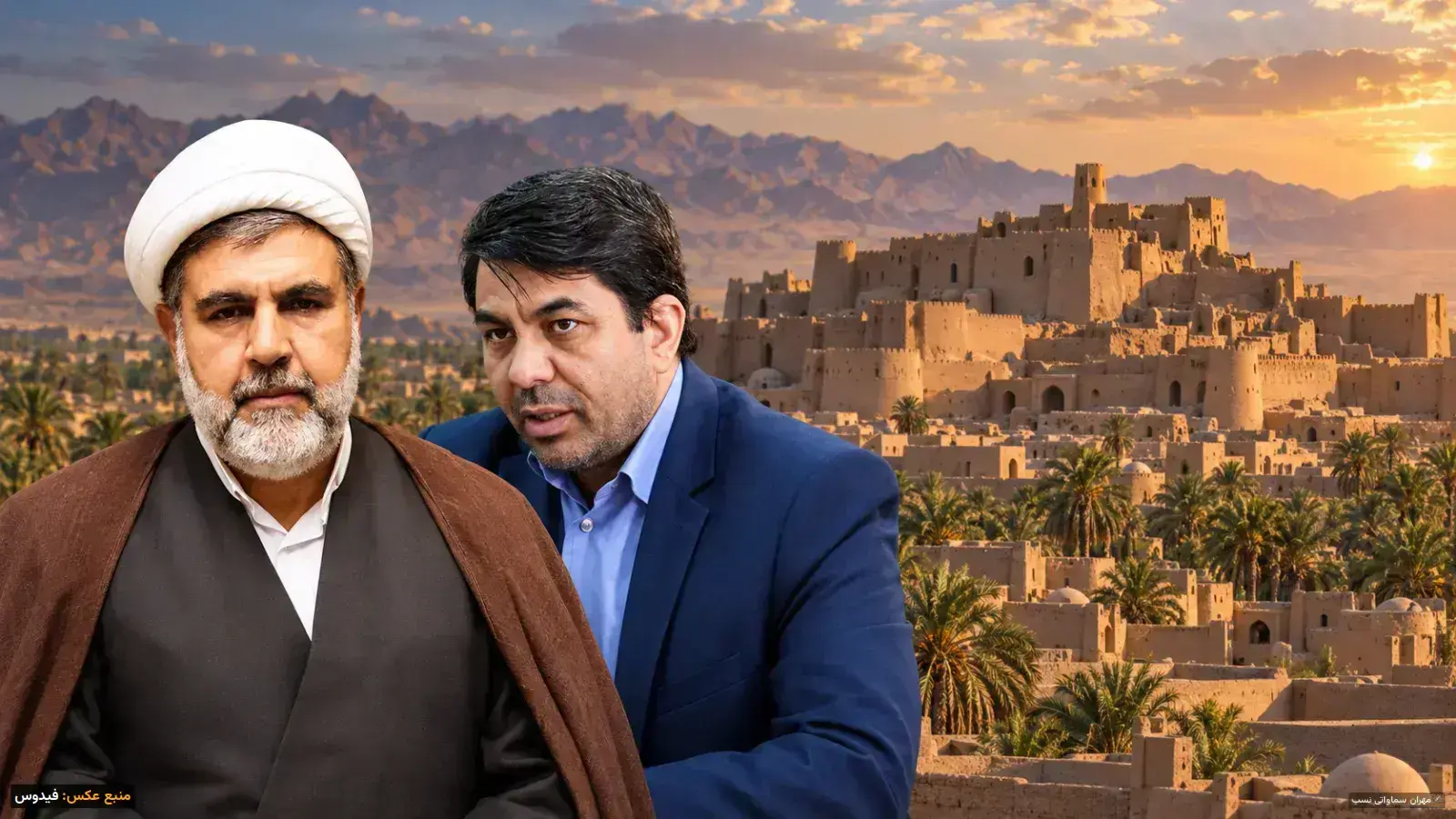
Local narratives of the link between political influence, judicial power, and economic interests in eastern Kerman; recent management changes in Bam highlight the trace of corruption reaching the circle associated with Mousa Ghazanfari, the representative of this city.
The network of influence surrounding Mousa Ghazanfarabadi, a seasoned parliament member, extends from administrative appointments and judicial cases to the ownership of land, gardens, and water resources. According to documents, a circle of political, judicial, and economic relations has formed over the past two decades; a circle that local critics consider a factor in weakening oversight, limiting the possibility of complaints, and concentrating wealth and power in the region.
Ghazanfarabadi, a four-term representative of the people of Bam, Rigan, Fahraj, and Narmashir, and former chairman of the Judiciary Committee of the Parliament, is known among the people of the region as the 'Al Capone of Kerman'. This term reflects the critics' view of his extensive influence, ranging from issuing death sentences to connections with drug cases and influence in the province's supervisory and judicial bodies.
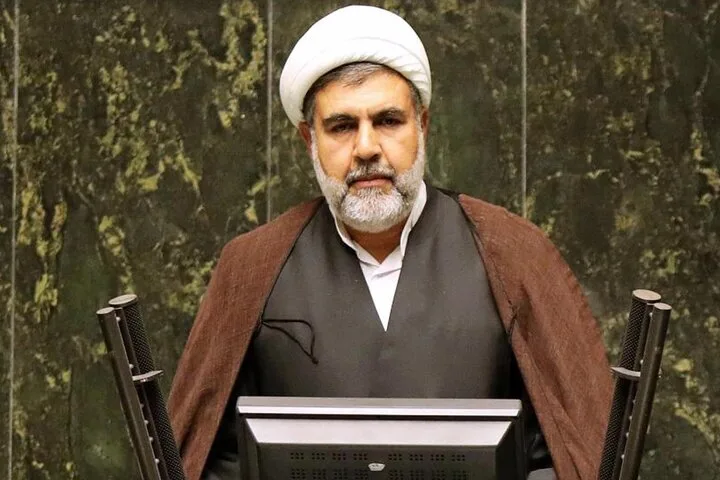
In local narratives, Ghazanfarabadi and his close circle, especially Ahmad Abyar, are accused of creating a structure for controlling departments, influencing the flow of judicial cases, managing appointments, and seizing public and private properties.
According to documents, the combination of political pressure and judicial influence has reduced the possibility of effective oversight of this circle's performance, paving the way for the transfer of properties, palm gardens, aqueduct water, and industrial cold storages to relatives. Part of the assets is registered in the names of young family members to make it harder to identify beneficiaries and track ownership.
Besides economic issues, the initial narrative speaks of two drug discoveries in vehicles carrying Ghazanfarabadi in the early years of his representation, which, according to this representative, the case was silenced by transferring the criminal charge to his driver.
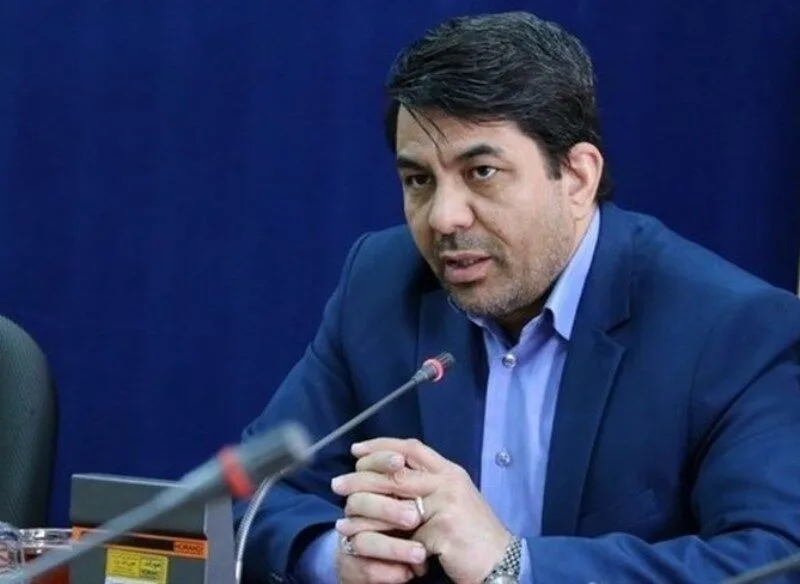
Judicial and Administrative Circle; Questions about Ahmad Abyar's Role
At the center of the narratives about the network of influence is the name Ahmad Abyar; an individual introduced in the provided information as Ghazanfarabadi's cousin, whom informed sources say has changed his last name. Abyar was the Director General of Inspection of Kerman Province until 1403 and after stepping down from this responsibility, he was transferred to the Judicial Deputy of the Armed Forces Judicial Organization of Kerman.
Local critics describe this transfer as a 'transfer of power' and believe that changing the administrative title does not necessarily end the individual's influence in previous network relations. In their narrative, Abyar has been one of the influential figures in the province's judicial and supervisory apparatus for about twenty years, playing a role in controlling sensitive cases, exerting pressure on managers, managing complaints, and directing economic cases.
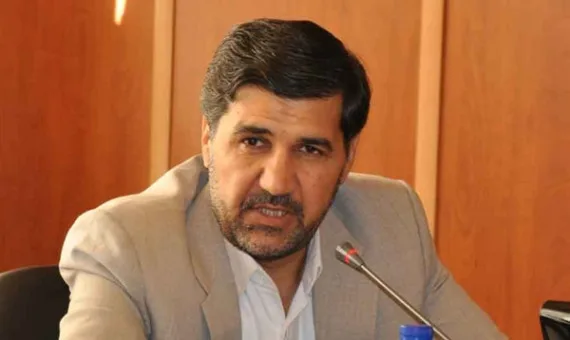
Some government employees in eastern Kerman describe him as someone who 'can turn a department upside down in a day'. The importance of this narrative lies in the question it raises about the independence of the supervisory apparatus: if managers and employees consider the complaint-handling institution part of the power relations, what reliable path remains for reporting violations?
These claims should be assessed by examining administrative decisions, the fate of complaints, and specific cases. Family relationships alone do not prove collusion; the main issue is clarifying the possibility of using public authority to support personal interests and prevent independent investigation.
To the list of managers associated with Ghazanfari, the case of the head of the Sanctions, Hassan Sanati, should be added, who with a collection of coins and the disclosure of having two Toyota Land Cruisers and Prados, after the formation of the Ghazanfari case, silenced the case with direct intervention.
Land, Palm Groves, and Cold Storages; Wealth That Needs Explanation
Another part of local narratives is dedicated to the assets attributed to the relatives of this circle in the village of Tanbaki Narmashir, around Bam, and other parts of the county and province. Several industrial cold storages, thousands of hectares of palm gardens, agricultural land, and aqueduct water resources are among the properties mentioned in this narrative.
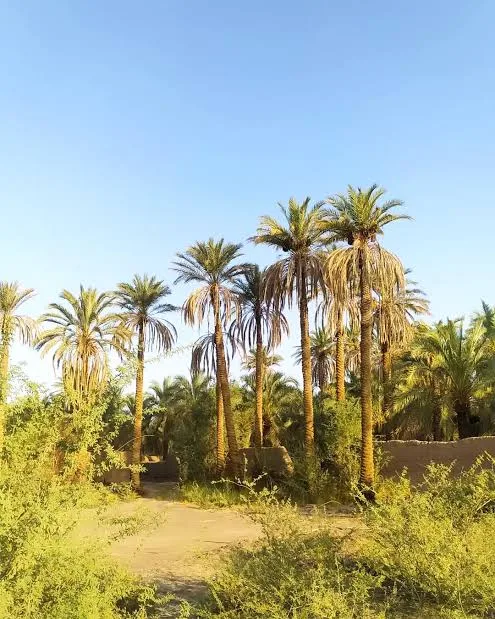
In a region where agriculture depends on access to land, water, and product storage facilities, the concentration of these assets can create significant economic power. Simultaneous ownership of gardens, water resources, and cold storage increases the ability to influence production, storage, and timing of product release; therefore, examining the origin and acquisition method of such assets is of public importance.
The central question is whether the assets were acquired through conventional transactions and specific financial sources or if political and judicial authority played a role in their transfer? Critics also believe that Ghazanfarabadi's influence in the electoral district has limited political competition and kept appointments and decision-making in a closed cycle.
Bam; Managerial Changes and the Political Responsibility of the Representative
Recent management changes in Bam have highlighted the issue of accountability in Ghazanfarabadi's electoral district. The Kerman Governorate, on 15 Mehr 1405, accepted the resignation of Vahdat Eidi and appointed Reza Meshki as the acting governor of Bam. This change coincided with reports of financial corruption cases in the governorate and raised questions about the reason for the managerial shifts. Tasnim also reported the lack of clear explanation about these changes.
The prosecutor of Kerman announced on 18 Mehr that one of the governorate's employees is under investigation for charges of embezzlement, bribery, and money laundering, and the examination of related amounts continues. He clarified that up to that point, no charges had been brought against other governorate employees. Therefore, this announcement cannot be considered a confirmation of the arrest of the former governor of Bam or the alleged 500 billion embezzlement attributed to him.
The issue of accountability, however, goes beyond identifying the accused in a case. The people of Bam have the right to know the reason for the managerial changes, how their performance was evaluated, and what the responsible agencies did with potential complaints. Replacing managers without publishing a clear explanation does not resolve questions related to their period of responsibility.
Meanwhile, Ghazanfarabadi must also answer for his political record: what actions has he taken for transparency in appointments, pursuing citizens' complaints, and demanding reports from executive and supervisory bodies? If he has played a role in introducing or supporting local managers, what were the extent of this role and the criteria for his support?
The narratives raised about eastern Kerman ultimately pose a structural question: has the boundary between political representation, judicial authority, and economic interests been maintained? The answer should be sought in ownership documents, appointment records, the process of handling complaints, and the results of investigations. If these boundaries have been blurred, the cost falls on the shoulders of citizens who turn to the same institutions to protect their land, water, jobs, and right to seek justice. Ending this ambiguity requires independent investigation and the publication of results that are open to public scrutiny.