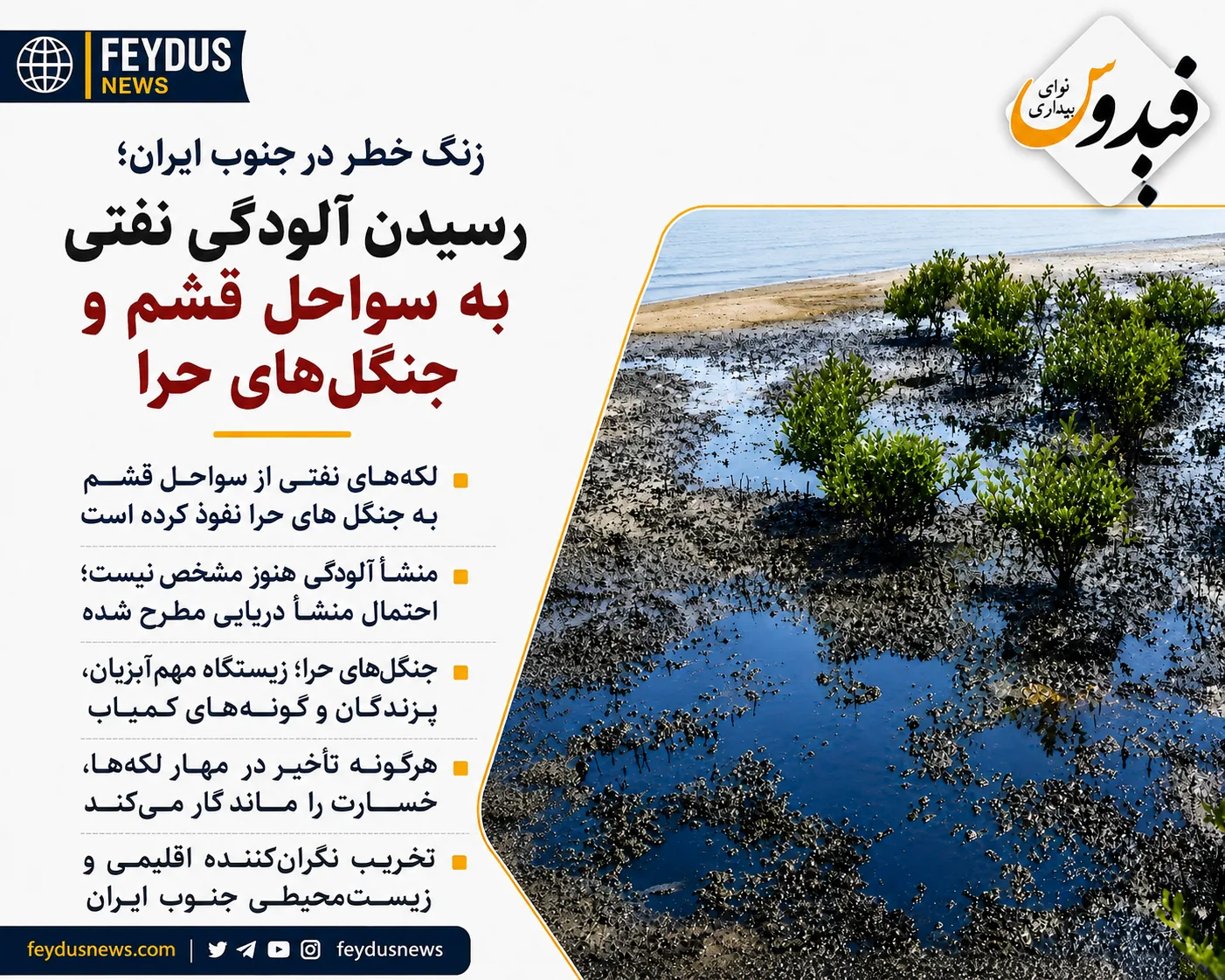
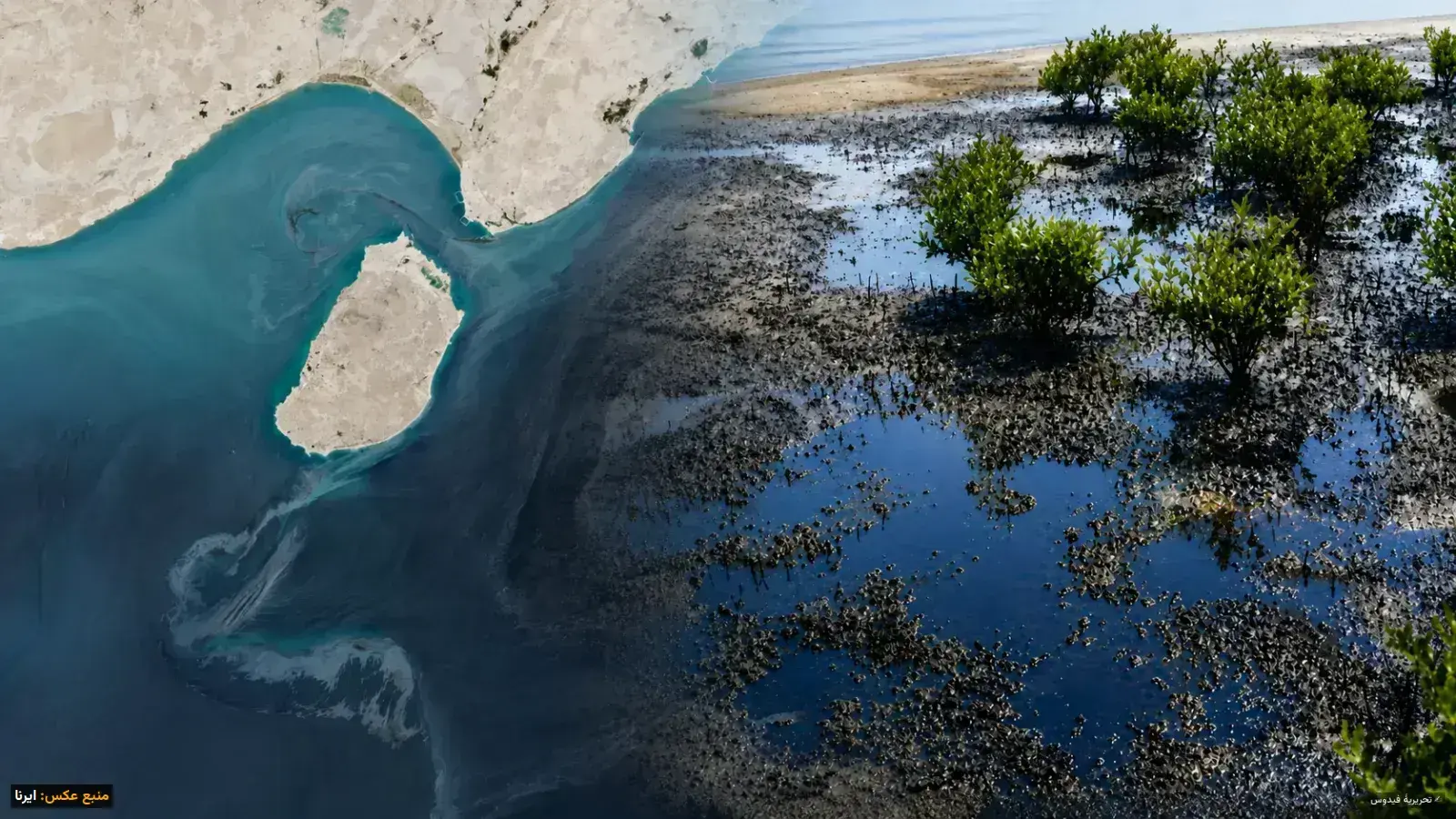
Oil pollution observed on the shores of Qeshm Island has now extended beyond the coastal area and infiltrated parts of the mangrove forests; an event that, given the high sensitivity of mangrove ecosystems, could become one of the most concerning environmental damages in recent times in southern Iran.
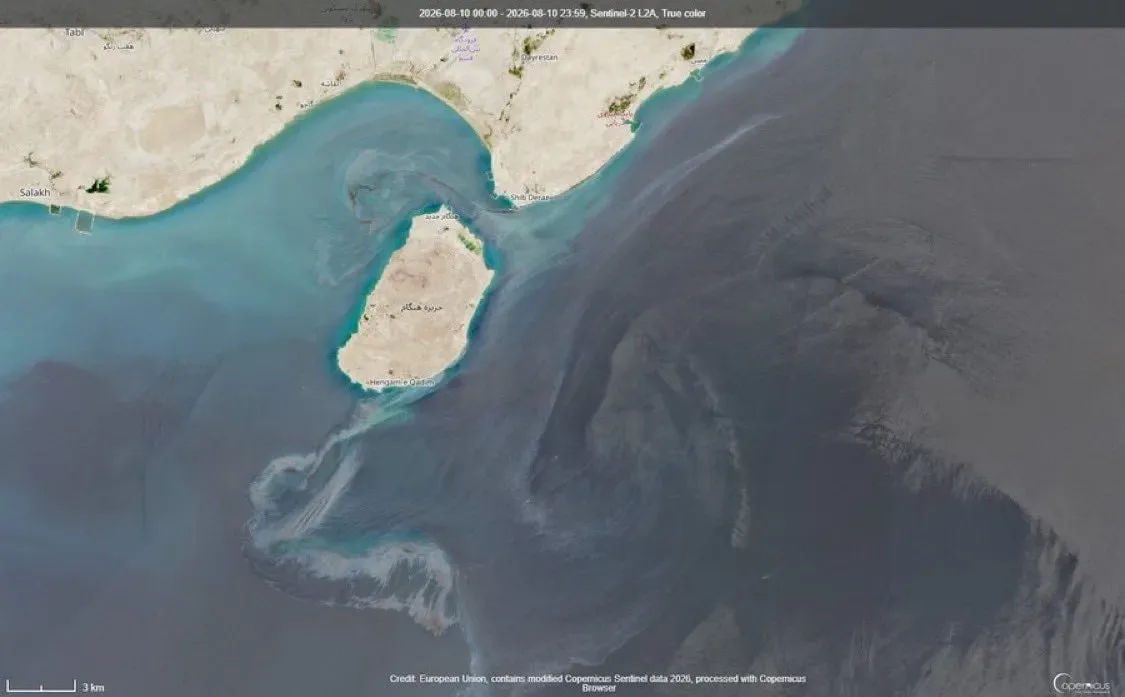
According to published reports, oil patches were initially observed in parts of the southern shores of Qeshm, and field investigations revealed that the extent of the pollution has reached the mangrove forests of the village of "Naqasheh." The General Directorate of Natural Resources and Watershed Management of Hormozgan, confirming the entry of some oil patches into the mangrove forests, has declared the situation as requiring urgent action due to the high sensitivity of this ecosystem.
Aerial images released from the shores of Qeshm also show the extent of parts of the pollution. Meanwhile, the exact source of this pollution has not yet been identified. Reports indicate that the possibility of a marine source of pollution has been raised, and responsible agencies are investigating the path of the patches and the cause of its creation. Therefore, until the results of the investigations are announced, no specific ship, facility, or incident can be held responsible for this pollution.
Mangrove Forests; The New Victim of Oil Pollution
The importance of this incident increases when pollution reaches the mangrove forests. These forests are part of the mangrove ecosystem of southern Iran; an ecosystem formed in the tidal range and, in addition to its plant value, is considered a habitat and refuge for various aquatic species, birds, and other animal species. The entry of oil compounds into such a sensitive environment can affect the soil and coastal sediments, tree roots, and the food chain of marine organisms.
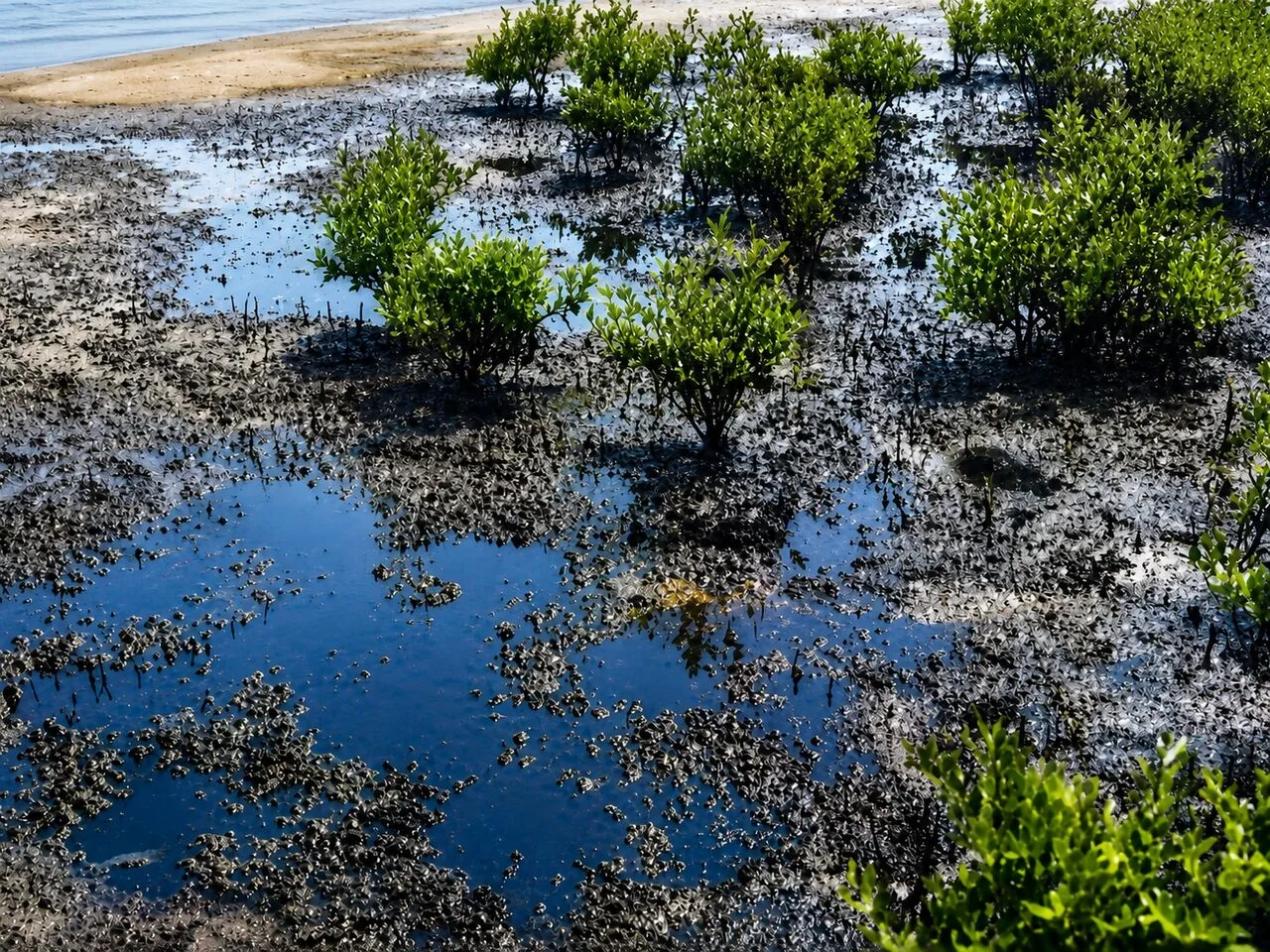
The issue is not just the blackening of part of the coast; oil can remain in sediments in tidal environments, and cleaning it, especially among the dense roots of mangroves, is a difficult and sensitive process. For this reason, any delay in containing the patches can increase the extent of the damage.
Concerning Destruction of Climate and Environment in Southern Iran
The arrival of oil pollution to the mangroves of Qeshm should be seen in a larger picture of increasing pressures on the environment of southern Iran. The coasts of the Persian Gulf and the Strait of Hormuz, alongside the pressure from industrial development, extensive vessel traffic, and oil activities, are also facing climatic hazards and the destruction of natural habitats.
The recent incident has once again revealed the fragility of one of Iran's most valuable coastal ecosystems. Rapid identification of the source of pollution, prevention of the spread of patches, specialized cleaning of contaminated areas, and transparent announcement of the extent of damage must now be prioritized. What has happened in Qeshm is not merely a localized pollution; it is a serious wake-up call about the concerning trend of climatic and environmental degradation in southern Iran, which, if continued, could have lasting consequences for marine life and coastal communities.