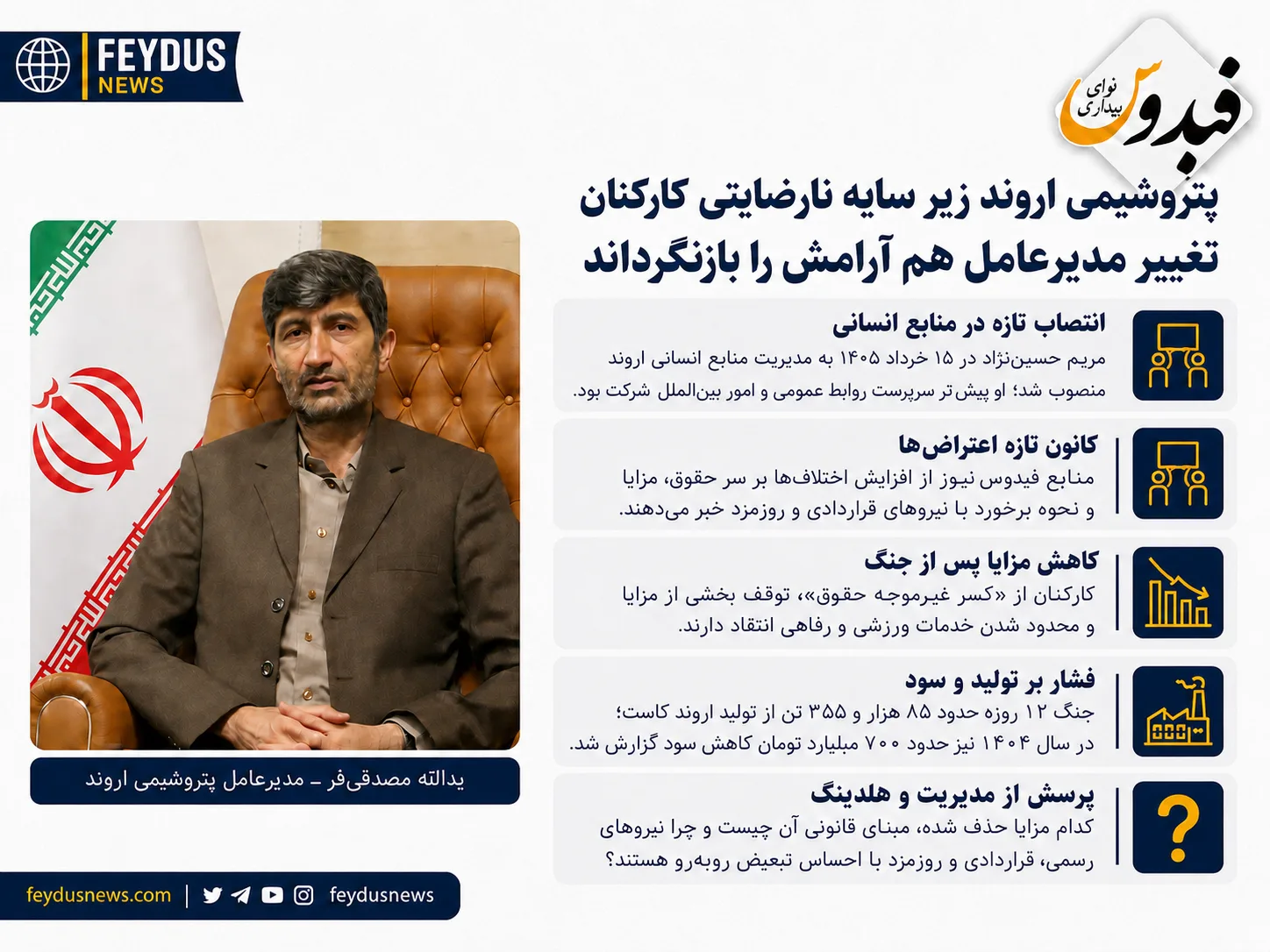
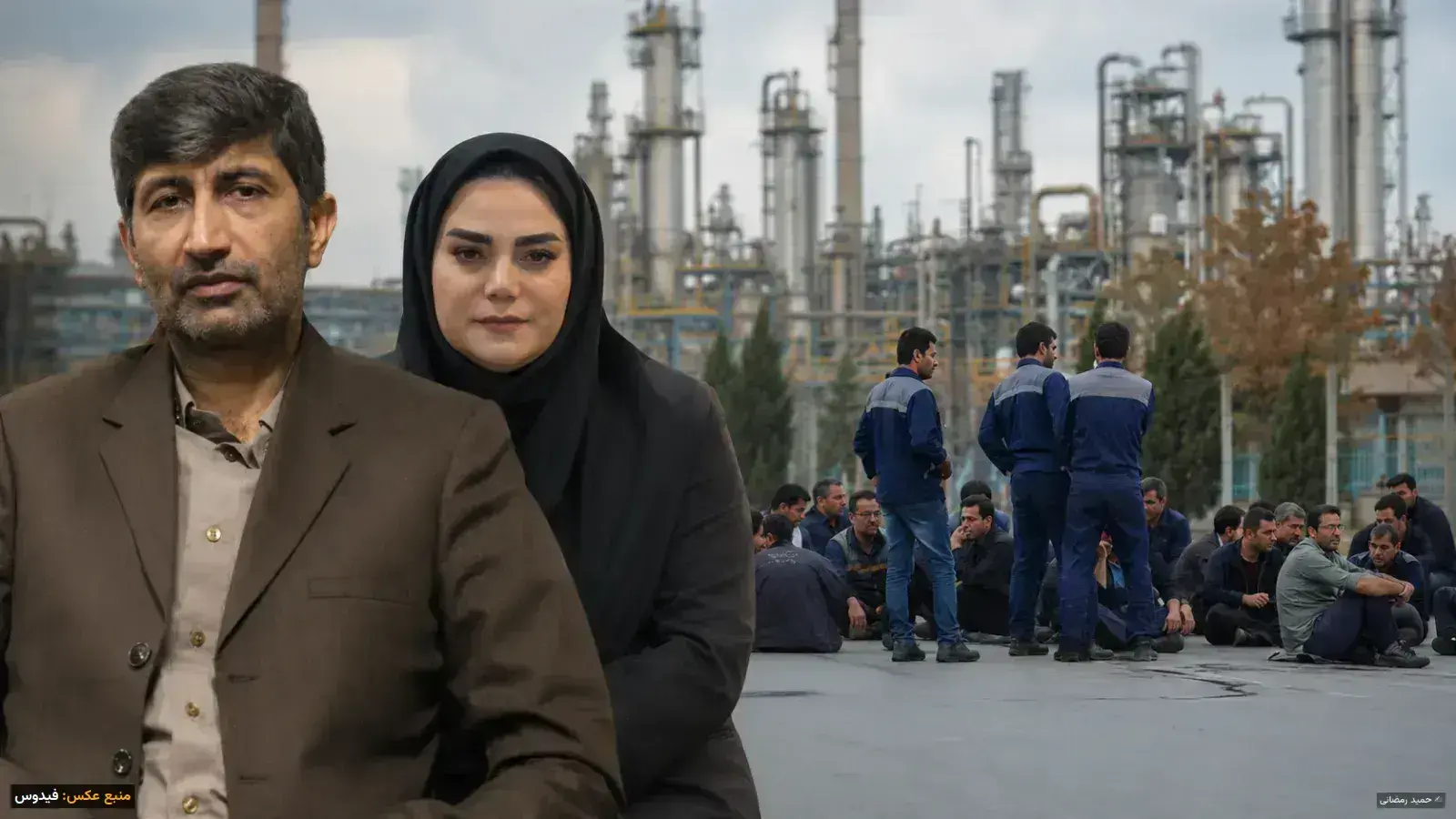
The change of CEO
at Arvand Petrochemical in the winter of 1404, after months of controversy surrounding the management of
Mohammadreza Karimi, had created the expectation that one of the largest petrochemical
companies in the Mahshahr region would enter a new era of managerial stability; however, less than a year later,
reports from within the company indicate that this time the human resources department and the status
of employee salaries and benefits have become one of the main focal points of dissatisfaction.
Mohammad Shariatmadari,
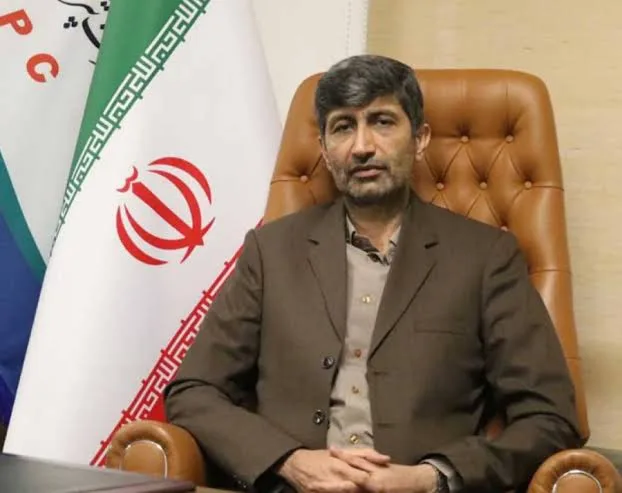
CEO of Persian Gulf Petrochemical Industries Company, on 9 Dey 1404 appointed Yadollah Mosadeghifar as
the CEO of Arvand Petrochemical. Mosadeghifar was previously the CEO of Gachsaran
Petrochemical and Amir Kabir Petrochemical and also the head of Bu Ali Sina Petrochemical Complex and Bandar
Imam Processing Complex.
This change
was part of a wave of managerial shifts in the Persian Gulf Holding. Mohammadreza Karimi, the former
CEO of Arvand, later became the manager of the Abniro Petrochemical Plant at Bandar Imam and a board member of
Gachsaran Petrochemical. Karimi's tenure was not without controversy either. In addition to criticisms
regarding some appointments and human resource management, the status of the "Arvand 2" development project was also questioned by specialized media. In Azar 1404, Karimi stated that Arvand's main mission was to complete
the chlorine chain and promised that the progress of the company's second PVC project would soon be evident.
Human Resources; The New Focal Point of Protests
One of
the first significant changes Mosadeghifar made at Arvand was a change in human resources management. On 15 Khordad 1405, Maryam Hosseinnezhad was
appointed to this position by the CEO. According to official records, she was previously the acting head of
public relations and international affairs at Arvand Petrochemical and had experience managing cultural centers
for the non-industrial operations company and working as an expert in Arvand's sales department.
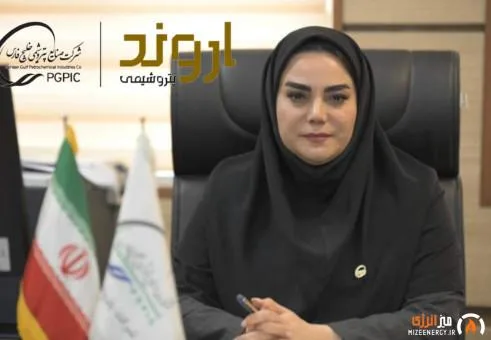
This appointment attracted attention from some employees because the human resources management at Arvand Petrochemical has undergone several changes in recent years. Only in Mordad 1404, Ebrahim Chegini, with over two decades of experience in the petrochemical industry, was appointed to this position.
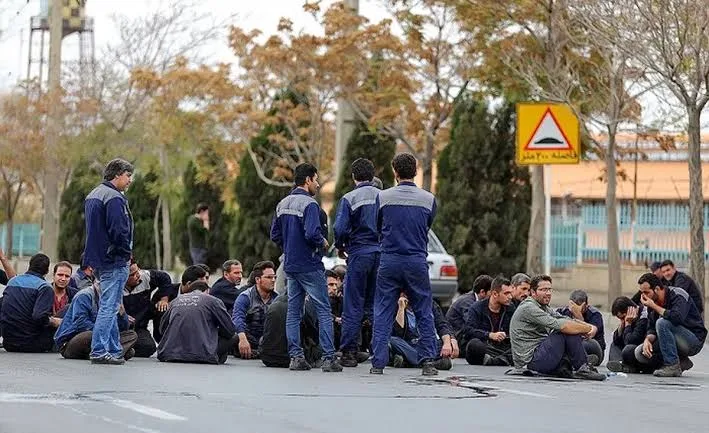
Sources from Feydus News in the Petrochemical Special Economic Zone say that after the recent changes, disputes over salary payments, benefits, and the treatment of contract and daily wage workers have increased. According to these reports, after the recent conflict, some benefits have been reduced or stopped, and employees, especially contract and daily wage workers, are protesting against what they call "unjustified salary cuts" and "discriminatory behavior".
The history of protests against payment policies and contracts at Arvand is not new. PetroNews previously reported a two-day sit-in by fixed-term employees of this company in protest against what was described as "discriminatory views between official and contract employees." In their message, employees criticized the change in contract conditions, reduction of benefits, and rejection of their requests for meetings with managers.
Even in
previous years, contract workers' protests at Arvand over salary and benefit cuts led to gatherings and
strikes; an indication that the payment system in this company has a long history of disputes between management and human resources.
When Human Resource Costs Become the First Option for Savings
The financial conditions of Arvand Petrochemical in the years 1404 and 1405 have not been easy. According to information presented at the company's assembly, the 12-day war resulted in the loss of approximately 85 thousand and 355 tons of Arvand's production. In addition, issues with feed supply, chlorine consumption restrictions, and a sharp increase in electricity and raw material prices have put pressure on the company's performance. In 1404, a reduction in profit of about 700 billion tomans was also reported.
But the question employees ask is why should compensating for this economic pressure begin with the salaries and benefits of human resources? Especially in a region like Bandar Mahshahr, where a significant portion of the sports, welfare, and cultural facilities for employees' families are provided by petrochemical companies, cutting or limiting welfare benefits is not just a small reduction in the paycheck; such decisions directly affect the quality of life for employees and their families.
Sources from Feydus
News have also reported that some sports benefits and additional services for employees have been limited.
So far, no clear public explanation has been provided by Arvand Petrochemical regarding the details and scope of these limitations.
Concerns About Mosadeghifar's Management Style
Another part of the dissatisfaction is directed towards Yadollah Mosadeghifar's management style. Some employees and petrochemical industry activists have criticized his interaction with human resources during his management periods at Amir Kabir and Gachsaran Petrochemicals in social media posts. These critics believe that attention to personnel issues and creating organizational satisfaction were not among his strengths.
Informed
sources have also told Feydus News that Mosadeghifar has traveled to Germany for continued treatment of his illness. The main issue, regardless of the CEO's presence or absence, is whether the company's management structure can resolve personnel disputes and prevent the spread of dissatisfaction in his absence.
What Responsibility Does Persian Gulf Holding Have?
Arvand Petrochemical is not a small or insignificant company. It is one of the largest producers of the chlorine and PVC chain in Iran, and its performance directly affects a wide range of downstream industries.
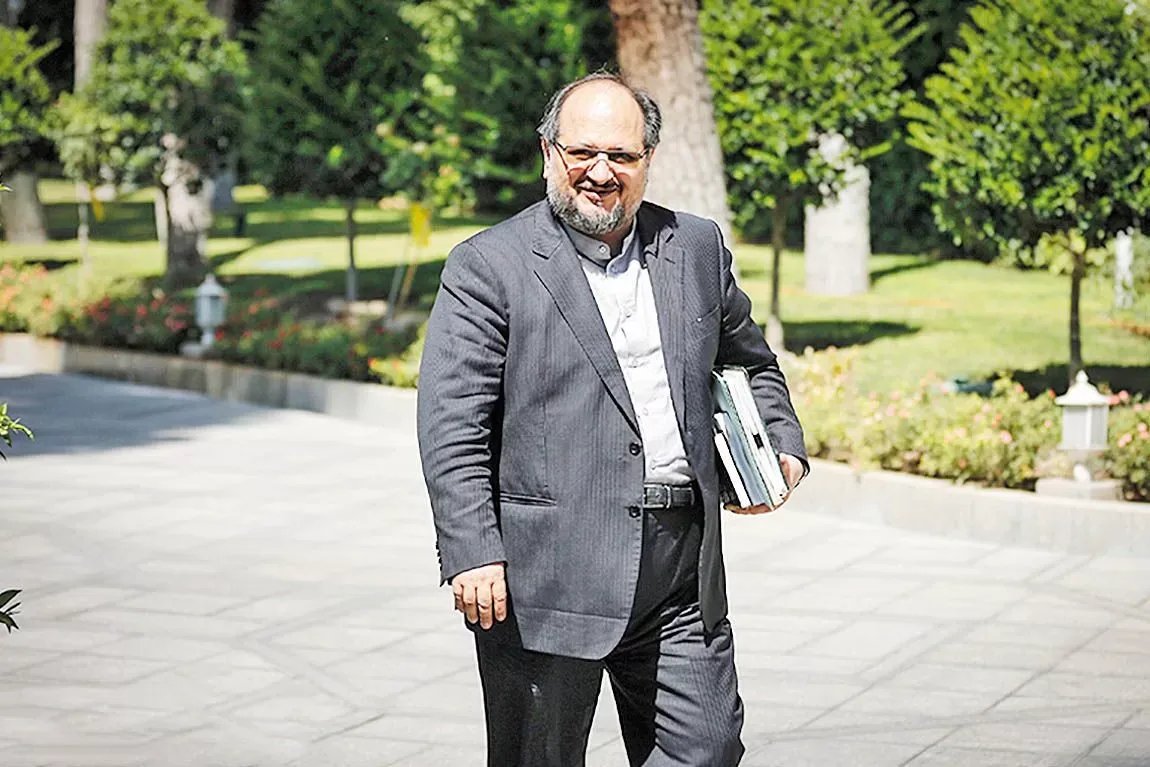
Therefore, the issue of human resources at Arvand cannot be considered merely an internal dispute between a few employees and managers. The Persian Gulf Petrochemical Industries Company, as a shareholder and upstream entity, must clarify what the rules for salary and benefit payments are in its subsidiaries and why employees of one company should feel discriminated against compared to a similar company in the same region.
The Department
of Cooperatives, Labor, and Social Welfare, the Petrochemical Special Economic Zone Organization, and the supervisory bodies of Khuzestan province also have oversight responsibilities regarding reports of salary reductions, changes in contract conditions, dismissals, benefit cuts, or discrimination among different groups of human resources.
In an industry with billions of dollars in financial turnover, the share of employee salaries and benefits is not a decisive figure compared to the costs of feed, projects, equipment, and contracting agreements. Therefore, reducing costs from the welfare of human resources, without a transparent explanation of its necessity and legal basis, can lead to decreased motivation, reduced productivity, and increased tension in the industrial environment rather than creating savings.
Now,
several specific questions are in front of the management of Arvand Petrochemical and Persian Gulf Holding: Have employee salaries and benefits decreased after the war? Which benefits have been removed, and on what legal basis was this decision made? What is the status of contract and daily wage workers? And have the managerial changes in human resources been able to increase employee satisfaction, or have they become a new factor for dissatisfaction?
A clear
answer to these questions can determine whether the change of CEO at Arvand Petrochemical was the beginning of a managerial reform or if only the names of the managers have changed and the old human resources issues remain unresolved.