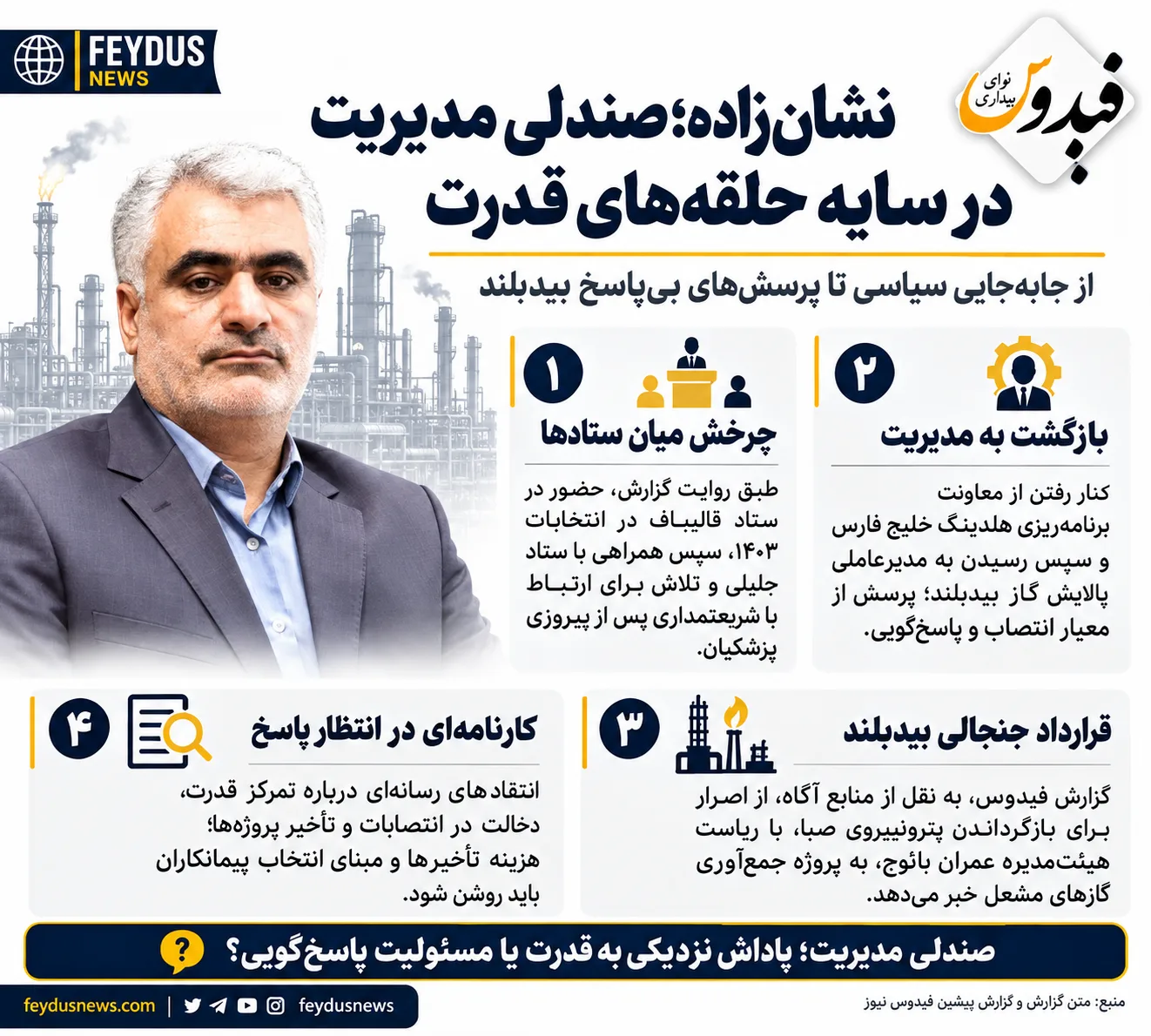
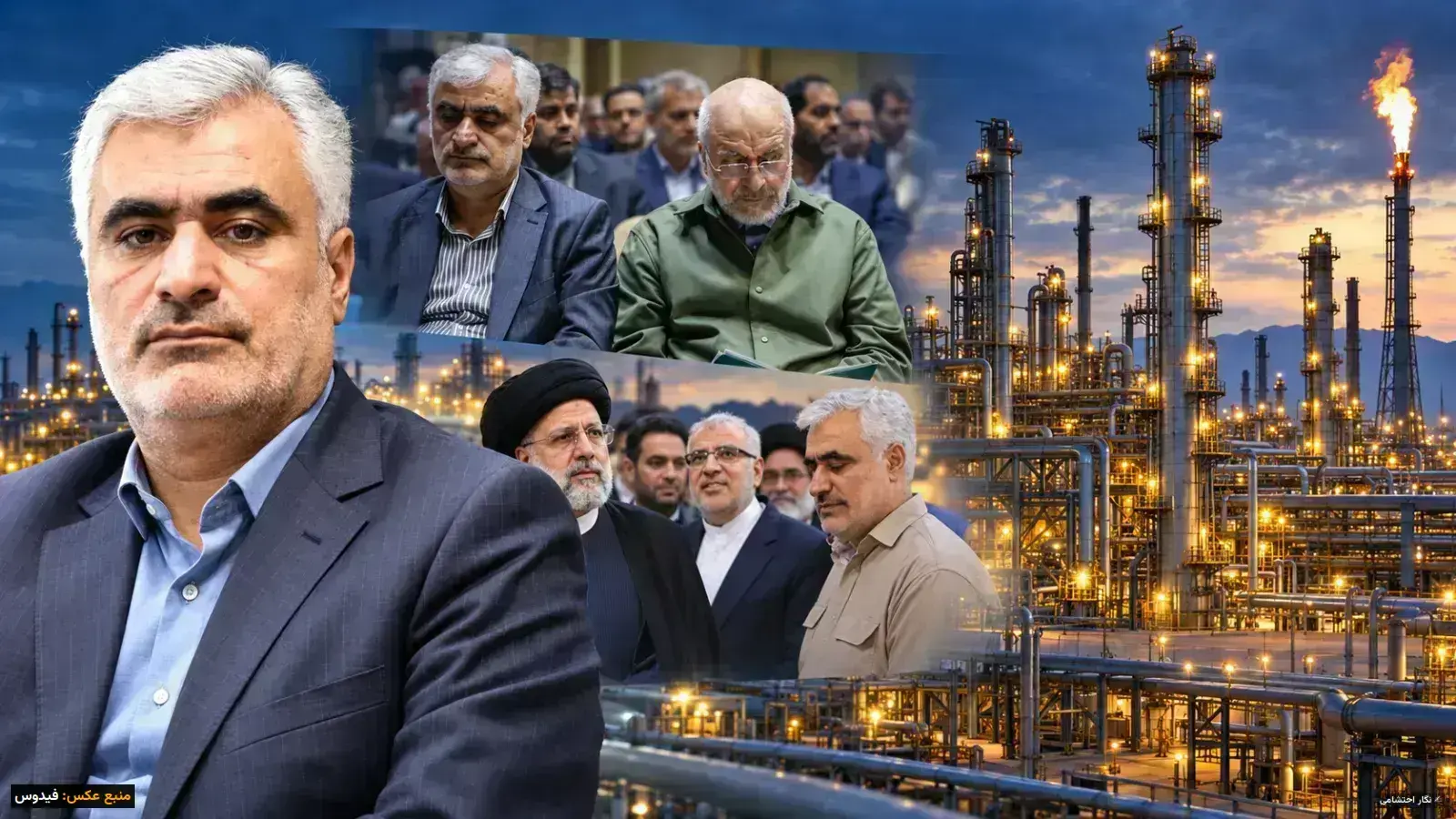
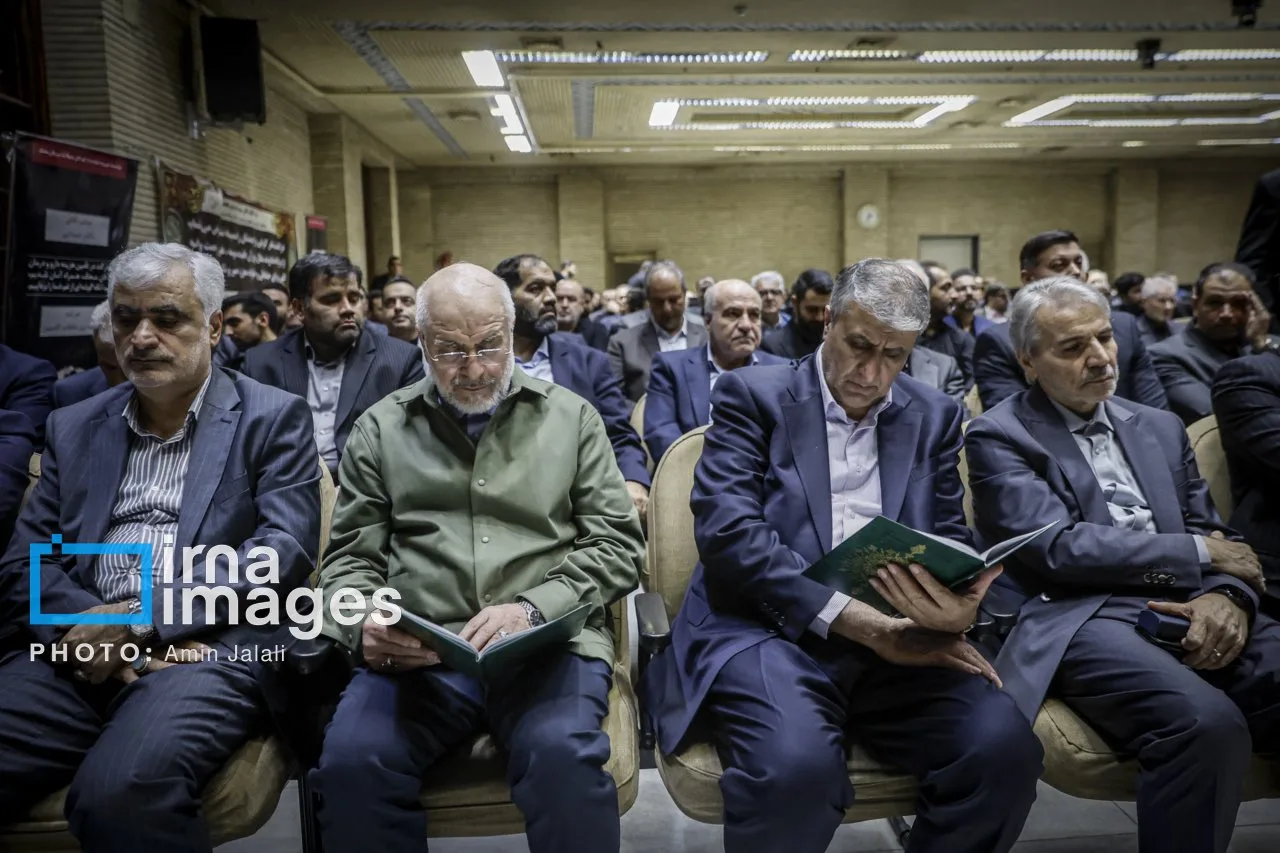
Hassan Neshanzadeh's frequent presence alongside Mohammad Bagher Ghalibaf at some official ceremonies has raised questions about the future of oil management. Is he once again trying to secure his position in a circle that he believes will play a significant role in selecting the next oil minister?
A single image cannot prove political motivation; however, when combined with a history of presence in election headquarters and timely returns to managerial positions, the question of the relationship between power and management seats becomes more serious. The hypothesis of Ghalibaf's circle playing a decisive role in the selection of the next oil minister depends on reports that Ghalibaf's advisors have set coordination with him as a condition for selecting final candidates for the Ministry of Oil.
This possibility is important for critiquing the behavior of managers who have made proximity to centers of influence part of their advancement path. In such a model, a manager, before explaining his performance, tries to define his position in the new power arrangement; as if the most important managerial skill is the early identification of the next influential figure.
Hassan Neshanzadeh's Behavioral Pattern
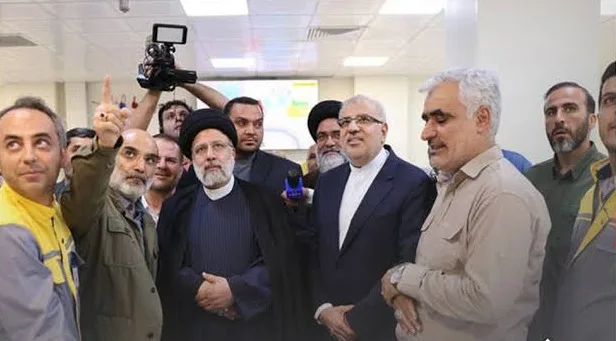
The narrative that aligns with Hassan Neshanzadeh's behavioral pattern in recent years involves closeness to Rouhani's circle, accompanying the managers of Ebrahim Raisi's government, and then attempting to connect with Mohsen Paknejad in the Pezeshkian government. In the last presidential election, Neshanzadeh was a constant presence in Ghalibaf's energy committee meetings until Ghalibaf's chances in the election diminished. The situation became interesting when, as the election went to a second round, Neshanzadeh appeared in Jalili's headquarters and, after Pezeshkian's victory, made extensive efforts to connect with Mohammad Shariatmadari to maintain his previous positions within the holding.
Experts pose the question of when this model of tightrope walking, under the guise of political activity, is accompanied by continued management of large enterprises, the manager must clarify what relationship the political capital gained from presence in headquarters has with his appointments and to what extent the organizational credibility of the company remains separate from his personal choices.
After Pezeshkian's victory, Neshanzadeh left the position of Deputy for Planning and Business Development at the Persian Gulf Holding, but later became the CEO of Bidboland Gas Refinery. The news of Mahmoud Aminnejad's replacement in the holding's deputy position has also been published in industrial media. This reshuffling highlights the main question: how do managers whose performance has been criticized assume large responsibilities again without public accountability?
Criticisms and Managerial Challenges
Neshanzadeh's criticized track record is not solely political. Bulletin News, by republishing reports from several media outlets, has written about the concentration of power in the planning deputy, interference in appointments, project delays, and controversial inaugurations. These criticisms require documented responses: which project was completed on time? What was the cost of the delays? On what criteria were manager appointments based? Grand titles and inauguration ceremonies do not replace measurable performance reports.
In Bidboland, the issue is more sensitive. A previous report by Feydus News about the flare gas collection contract, which involved massive corruption by awarding this project to Petro Niroo Saba, a company chaired by Omran Baouj, clearly reveals this lobbying role for Neshanzadeh and the continuation of corruption with his presence at the helm of Bidboland. Informed sources had said that despite a judicial order to remove the project from Baouj's circle, after Neshanzadeh's appointment, he insisted on reinstating this fraudulent contractor company to the project and even issued orders contrary to previous resolutions to secure additional funding for them.

Therefore, Neshanzadeh's managerial track record in Bidboland follows the same pattern of acting as an intermediary for corrupt contractors, which should be considered part of the same behind-the-scenes political deals. The main criticism lies here: the oil industry cannot be a place for the constant rotation of managers whose political connections are more visible than their work results. Every new appointment must answer old questions. If getting close to power circles is the way to maintain a position, shareholders, employees, and stalled projects bear the cost of this persistence. Before showcasing proximity to influential figures, Neshanzadeh must put his track record up for scrutiny. A management seat is not a reward for skill in political maneuvering; it is a responsibility that gains credibility through transparent contracts and measurable results.