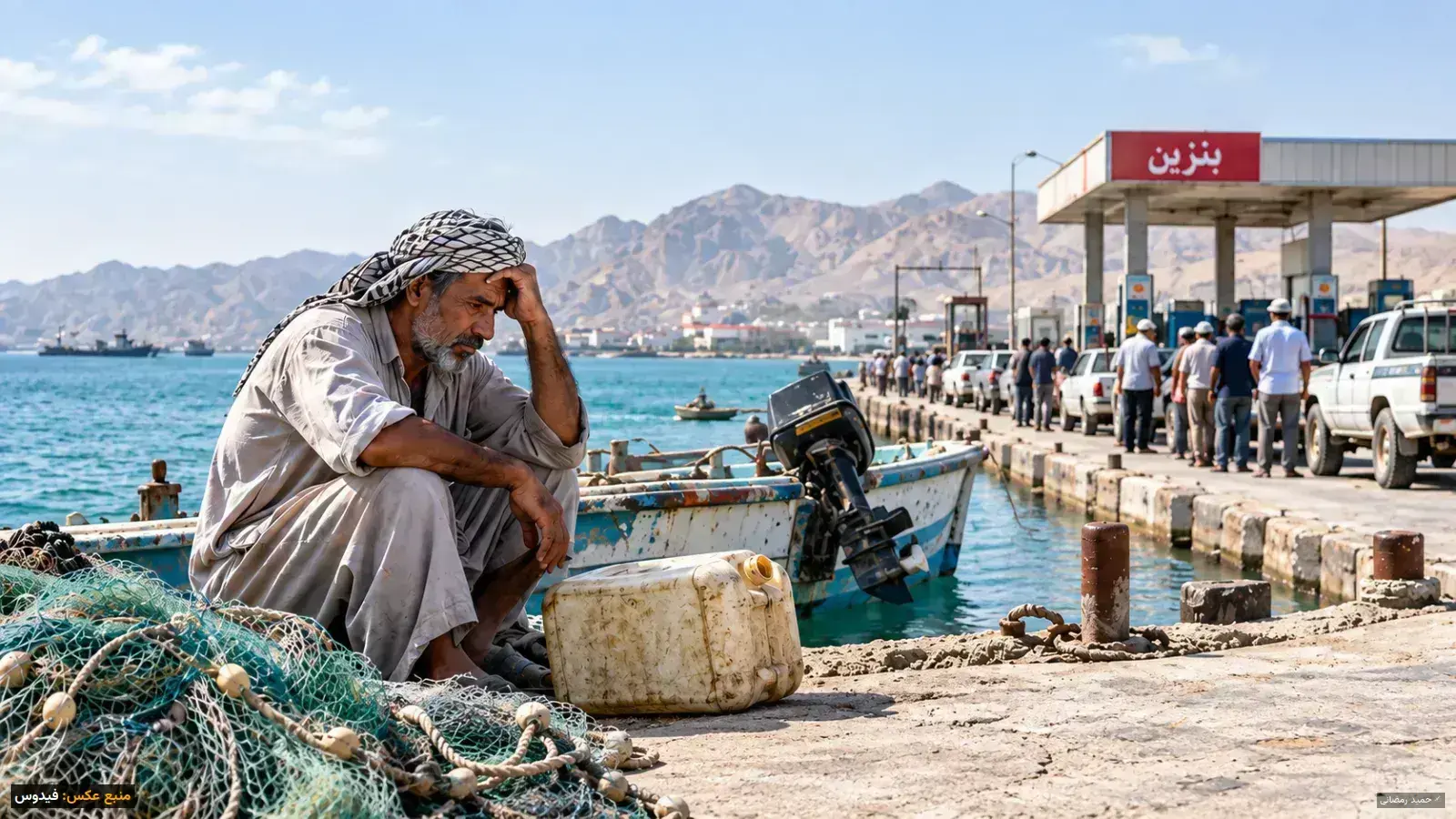
Hormozgan, a province that houses the heart of Iran's oil refining, is facing a stark contradiction these days: people stand in long queues for gasoline, fishermen are struggling to fuel their boats, and the government is trying to control consumption by raising prices. But for thousands of coastal families, the fuel crisis is not just an economic policy but a direct blow to livelihood, security, and the traditional fishing cycle in southern Iran.
Gasoline Price Increase; A National Policy with Severe Local Effects
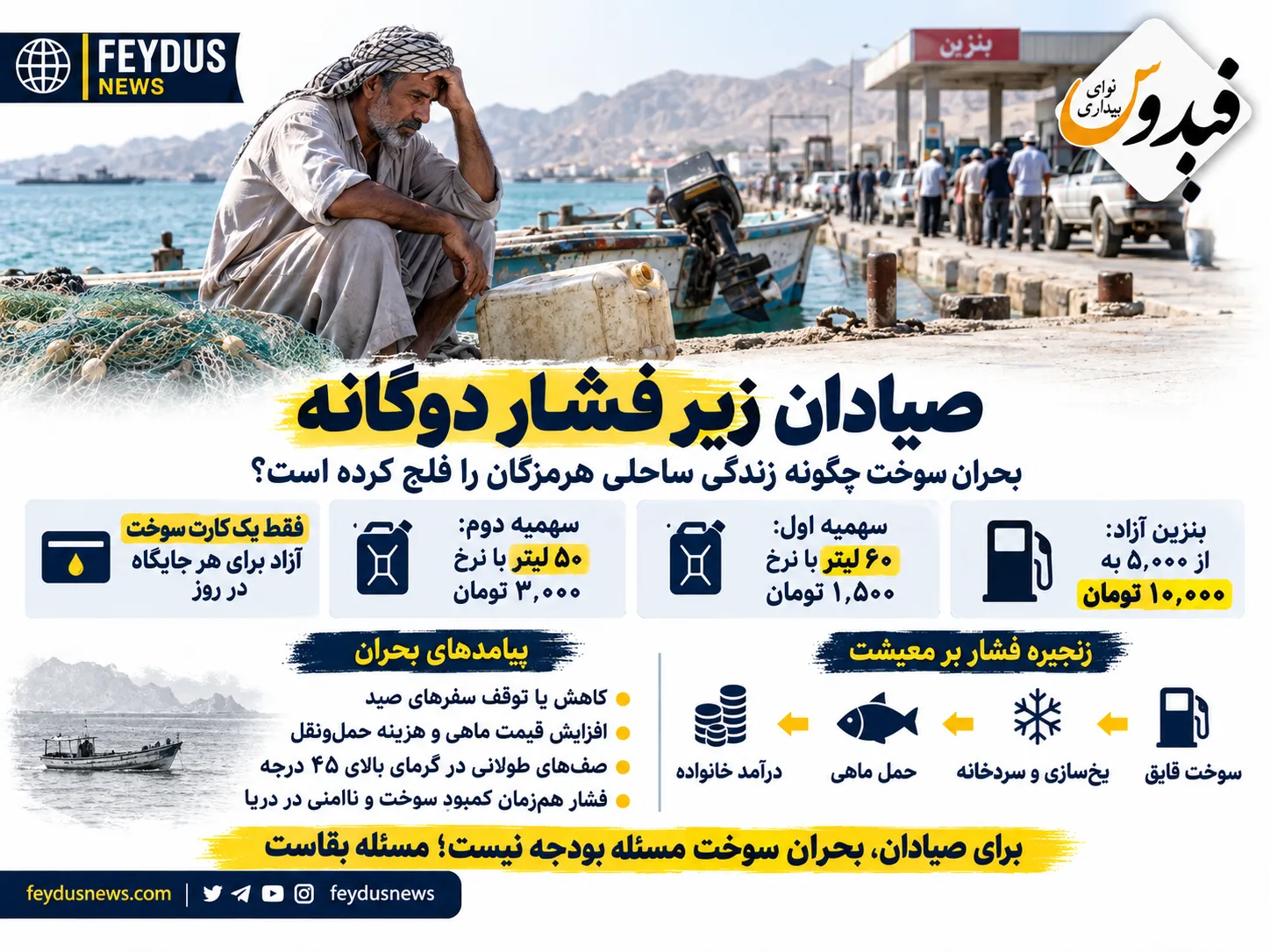
Since September 8, the price of non-quota gasoline in Iran has doubled, rising from five thousand to 10 thousand tomans. The quota of 60 liters at the rate of 1500 tomans and the next 50 liters at the rate of 3000 tomans remained unchanged. The government says this decision targets only "high-consumption users" and is necessary to manage the gasoline shortage. Reuters reported that about 15 percent of consumers are directly subject to the new rate.
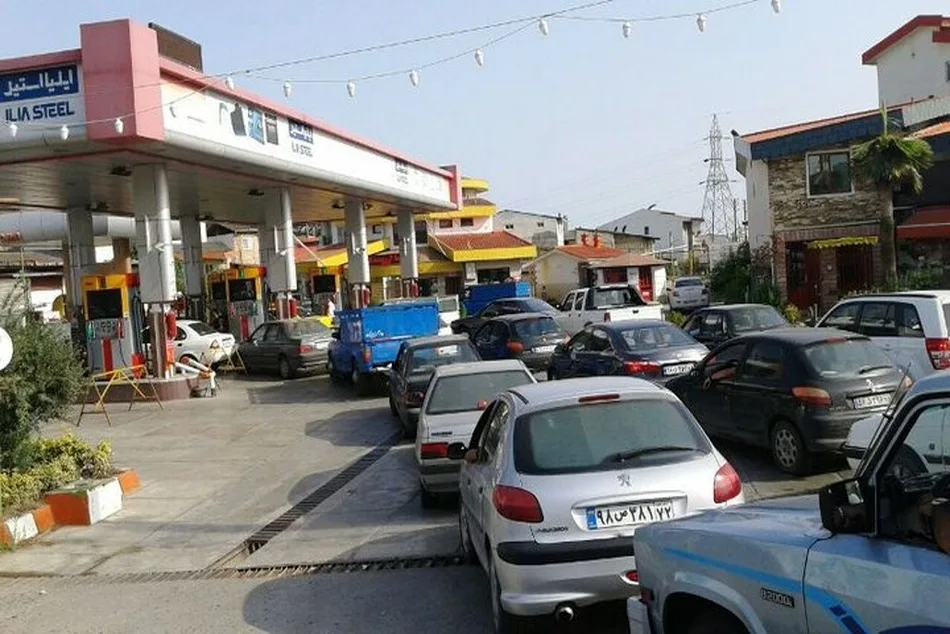
A Producing Province, People in Line
Hormozgan
hosts major Iranian refining facilities, but in recent months, images of multi-kilometer fuel queues in temperatures above 45 degrees have been published. The representative of Bandar Abbas in Parliament warned in May that people "wait for hours" in line and called for an increase in supply quotas.
For the fishing community of Hormozgan, the fuel crisis is not just about high prices; it's a threat to continuing their work. Small boats, ice-making, cold storage, fish transportation, and commuting to the dock all depend on fuel. Even before the crisis intensified, the Hormozgan Fishermen's Cooperative Union had announced that installing trackers on vessels was supposed to be a basis for "reforming the fuel quota system," but their goal is to impose more restrictions.
Security Crisis at Sea; Additional Pressure on Fishermen
This economic pressure coincides with increased security risks in southern waters. Hormozgan officials announced that two boats, which they described as "fishing," were targeted near the port of Kargan, and several passengers are missing. The U.S. military provided a different account, stating that the two boats were attempting to seize an unmanned American vessel.
Regardless
of the differing accounts, the consequence for fishermen is clear: insecurity at sea has increased, and the costs of fuel, equipment, and trackers have placed additional pressure on the fishing community.
Economic Reform Policy or Crisis Cost Transfer?
The
government of Masoud Pezeshkian says that extremely cheap gasoline encourages consumption and that continuing subsidies at the current scale is unsustainable. After the third rate increase, Pezeshkian even asked government agencies to spend one day a week without cars and emphasized that the pressure of the new policy should not be transferred to low-income groups.
For Fishermen, the Fuel Crisis is Not a Budget Issue, It's a Survival Issue
The third gasoline rate increase may reduce some excess consumption, but for coastal families in Hormozgan, the energy crisis is not an abstract discussion about the government budget; it is a cost that is directly reflected in the number of trips a boat makes, the price of fish in the market, and the income of a family.
Until
the government clearly announces the fishing fuel quota, publishes daily supply and consumption data, and clarifies the security situation in southern waters, the support mechanism for fishermen will never be reformed.
The
fuel crisis in Hormozgan will not only continue but could turn into a broader livelihood crisis in the south of the country.