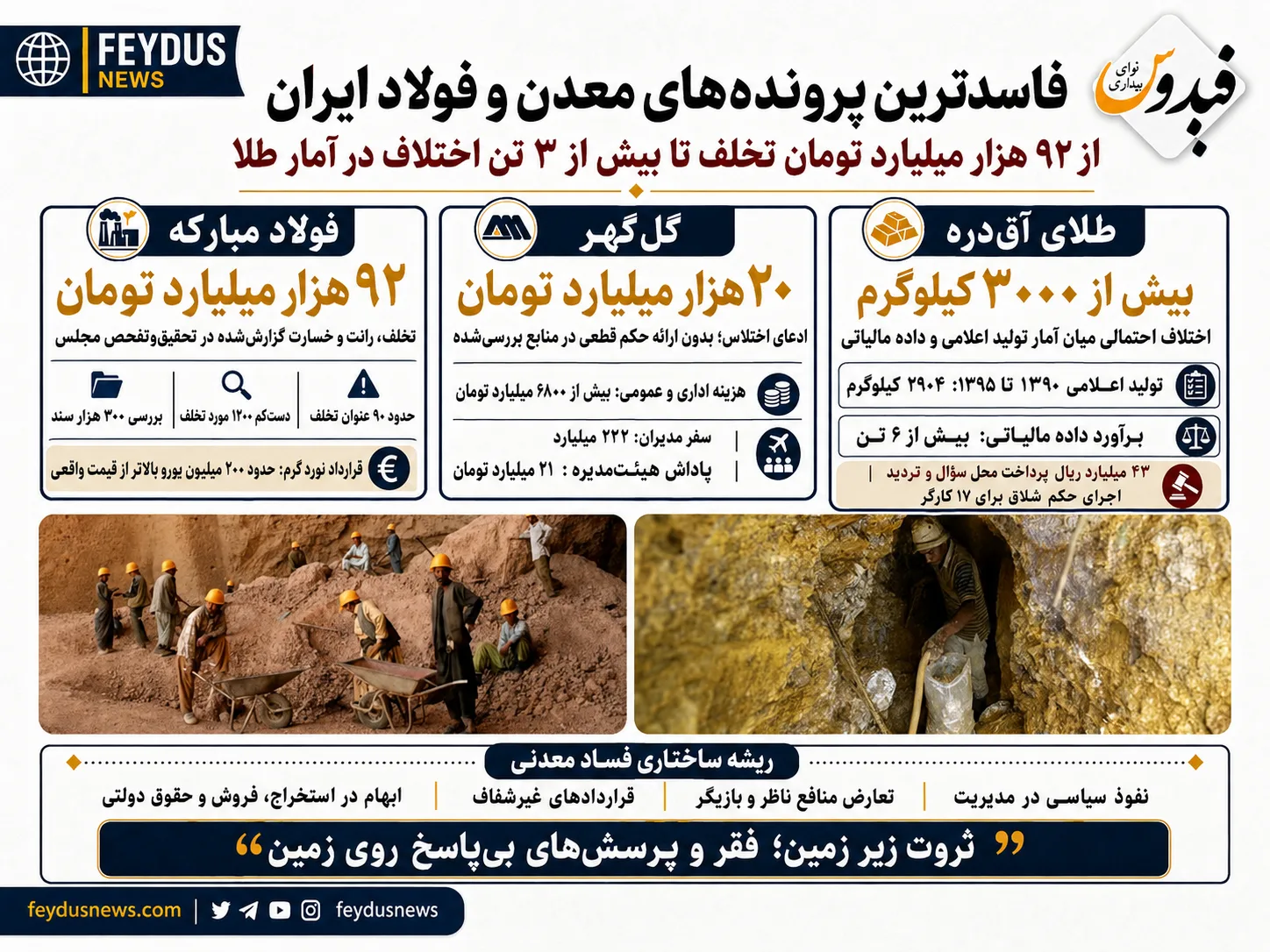
From the case of 920 trillion rials Mobarakeh Steel to the claim of 200 trillion rials embezzlement in Golgohar and unanswered questions about more than three tons of discrepancies in the Agh Darreh gold statistics, official documents, audit reports, media investigations, and judicial cases paint a worrying picture of Iran's mining economy; an economy where the line between economic enterprises, the government, governmental institutions, and political networks is hard to discern.
Iran is located on one of the richest mineral belts in the Middle East. Copper, iron, gold, lead, zinc, and dozens of other minerals are extracted from the country's mountains and plains; resources that in a transparent economy could support the development of deprived areas, infrastructure creation, sustainable employment, and increased public welfare. However, when official parliamentary files and financial and media reports are combined, another picture emerges: an industry with massive financial turnover where appointed managers, intermediary companies, contractors, and influential figures have access to resources with limited public oversight.
The numbers in these cases are sometimes so large that they lose their meaning. 920 trillion rials was the figure that in 2022 became a headline in the media in connection with the parliamentary investigation report on Mobarakeh Steel of Isfahan. The parliamentary report was the result of examining about 300,000 documents, and the media reported identifying at least 1,200 violations between 2018 and 2021 . The published texts of this investigation also referred to about 90 types of violations and an amount exceeding 910 trillion rials.
Nevertheless, to correctly read the cases, one must distinguish between "embezzlement," "violation," "rent-seeking," "imposing losses," and "problematic payments." Corruption is not necessarily the direct taking of money; expensive contracts, rent-seeking in pricing, directing resources to specific groups, and economically unjustified payments can also be examples.
Mobarakeh Steel; When the Official Report Lifted the Veil
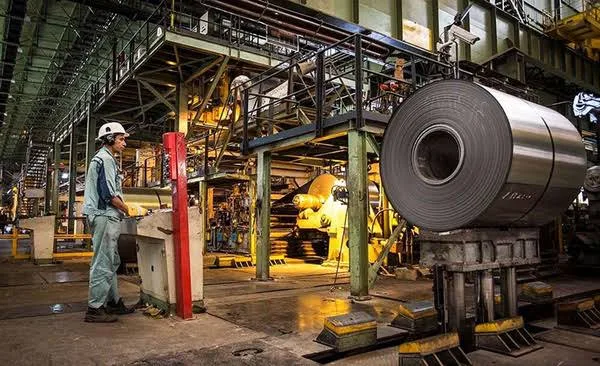
The Mobarakeh Steel case is significant because the main source of the revelations was not an external media outlet but a parliamentary investigation. According to published reports, the investigation committee recorded multiple instances of rent-seeking, unconventional payments, problematic contracts, financial violations, and political interference in the company's management.
The report mentioned payments to entities like the IRGC, the police, the offices of Friday prayer leaders, and some religious institutions. Media reports based on the investigation referred to over six billion rials paid to the IRGC of the province, Basij bases, and the Ministry of Defense, as well as about one and a half billion rials paid to the offices of Friday prayer leaders. The importance of the issue was not just in the total of these payments; the main question was under what authorization, with what economic justification, and under whose oversight were the resources of a large industrial enterprise paid to such entities.
The parliamentary investigation also questioned the ownership and management structure of Mobarakeh Steel; a structure where ownership is apparently distributed among the government, the public sector, and the private sector, but management is still heavily influenced by political and governmental centers. This is the phenomenon known in Iran as "quasi-private": a company that is neither fully state-owned to be under the scrutiny of state rules and oversight nor truly private so that investors can hold its managers accountable. The result can be a combination of public funds, political management, and limited accountability.
In another part of the investigation, a contract for a hot rolling project was mentioned, which according to the published report, was estimated to be about 200 million euros
above the real price. The case was subsequently sent to the judiciary, and parliamentary officials also emphasized that the determination of personal guilt must be done through the judicial process. Therefore, the figure of 920 trillion rials should not be equated with the definitive conviction of individuals or the direct taking of the same amount of money; however, this consideration does not diminish the importance of the reported violations.
Golgohar; The Claim of 200 Trillion Rials Corruption
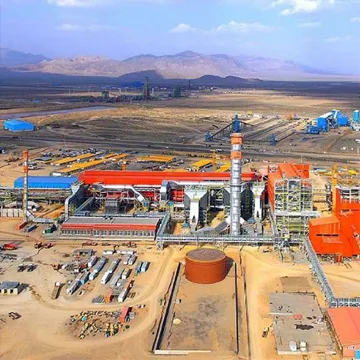
About a thousand kilometers away, in Sirjan, another case emerged. Golgohar is one of Iran's most important iron ore hubs and plays a key role in the steel production chain. In December 2024, Independent Persian published a report in which a lawyer in Sirjan, presenting documents, spoke of at least 200 trillion rials embezzlement in Golgohar Mining and Industrial Company.
This staggering figure, however, should be republished from a journalistic perspective as a "claim of 200 trillion rials." In the sources reviewed for the base text, no definitive court ruling confirming embezzlement exactly in this amount was provided. Accusation, investigative report, and definitive judicial conviction are three different stages, and mixing them can sacrifice the accuracy of the report for excitement. Nonetheless, financial questions about Golgohar were not limited to that claim alone.
In September 2025, another report, citing the company's financial statements, reported a significant increase in administrative and general expenses. According to that report, sales, administrative, and general expenses exceeded 6.8 trillion rials, and just the cost of domestic and international travel for managers in one year was stated as 222 billion rials
. It also mentioned a payment of 21 billion rials in bonuses to the board of directors. These figures are not in themselves proof of corruption, but alongside the embezzlement claim and other financial ambiguities, they underscore the need for transparency about the quality of expenses, the mechanism for approving them, and the independence of oversight bodies.
Agh Darreh; Where the Weight of Gold Matters More Than the Rials
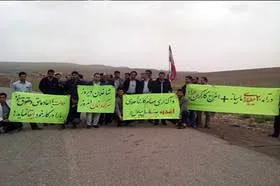
In northwest Iran, the Agh Darreh gold mine case takes a different shape. Here, to understand the dimensions of the issue, it might be better to speak in kilograms of gold instead of billions of rials. The parliamentary investigation into Agh Darreh was initiated after labor protests and the crackdown on workers at this mine.
The final report stated that from the start of the mine's operation until 2015, about 573 billion rials were paid by the company to various sectors, of which 530 billion rials were related to value-added tax, mining royalties, and natural resource levies. Regarding the remaining 43 billion rials, the report mentioned payments to a range of entities and institutions, from the governor's office and the Industry and Mining Organization to the police, the office of a parliament member, clerical offices, and local institutions. The parliamentary report's phrase was noteworthy: about many of these payments, there were "questions and doubts and suspicions."
The bigger issue, however, was the discrepancy in production statistics. The parliamentary report pointed to a significant difference between the figures related to production and mining royalties and called for expert review to ensure public rights were not violated. An investigative report by IranWire, which claimed to have reviewed the final version of the investigation, wrote that the company had declared its total gold production between 2011 and 2016 as about 2,904 kilograms, while the data cited by the Tax Commission showed actual production to be over six tons.
If these two sets of data are reconcilable, the discrepancy amounts to more than three thousand kilograms of gold; a figure whose economic value could completely change Agh Darreh's position in any financial ranking. However, it is essential to maintain the boundary between document and conclusion. The parliamentary report spoke of a significant discrepancy in data and the need for precise review; therefore, the expression "three tons of embezzled gold" is a more severe conclusion that should not be presented as the final reality without a ruling or definitive document.
The Agh Darreh Paradox; Gold Underground, Poverty on the Surface
Agh Darreh is not just an accounting case. Workers' protests over employment conditions and dismissals led to judicial cases against some of them, and reports at the time mentioned the execution of flogging sentences for 17 workers; an event that sparked widespread reactions and became one of the factors leading the parliament to enter the case. The subsequent investigation report also questioned many of the claims made against the workers.
This contradiction is important for understanding the political economy of mining: on one side is a valuable reserve, and on the other are workers protesting for job security. The issue is not just the amount extracted; more importantly, who controls the money derived from it and what share returns to the local community.
Why Is Mining Prone to Corruption?
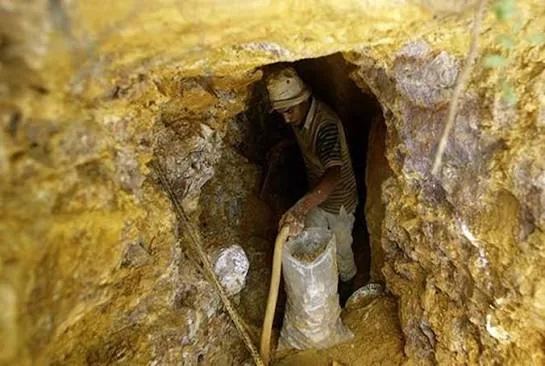
Mining corruption is not unique to Iran. Wherever the value of resources is high, the number of players is limited, and public oversight is weak, the motivation for rent-seeking increases. Corruption can occur from licensing and reserve estimation to extraction registration, mining royalties, sales, transportation, contracting, and export.
Even a seemingly small discrepancy in one of these variables can create massive resources. If a mine produces one million tons of product, just a 10 percent discrepancy between actual production and declared production equals one hundred thousand tons of product. When the product is iron ore, copper, or gold, this discrepancy is no longer a simple accounting error. For this reason, the public disclosure of extraction tonnage, grade, sale price, buyers, mining royalties, and the actual ownership of companies is crucial to combating corruption.
The Iranian Model; When the Overseer and the Player Are in the Same Network
The problem becomes bigger when the oversight body itself is part of the same economic or political network. The Mobarakeh Steel report shows an example of this conflict of interest: on one hand, the company is managed under the influence of the state and political structure, and on the other, it makes financial payments to some governmental and religious institutions. If a manager needs political support to maintain their position, board members are selected with the intervention of power centers, and the company also makes payments to those same centers, the question arises: who should control whom?
Which Are the Most Corrupt?
The answer depends on the definition of "most corrupt." If the criterion is the largest recorded figure in an official investigation, Mobarakeh Steel, with about 920 trillion rials of reported violations, rent-seeking, and losses, tops the cases under review; although this entity is a steel complex, not merely a mining extraction company. If only directly mining companies are considered, Golgohar, with a claim of at least 200 trillion rials of corruption, has one of the largest media-reported figures. If the criterion is the potential discrepancy in produced mineral, Agh Darreh, with the question regarding more than three tons of discrepancy in gold production statistics, is one of the most astonishing examples.
Therefore, the responsible ranking is as follows: Mobarakeh Steel, the largest recorded figure of violation and loss in an official investigation; Golgohar, one of the largest financial corruption claims regarding a mining company; and Agh Darreh, one of the most serious cases of discrepancy in production statistics and mining royalties, along with an unprecedented history of dealing with workers. These are three different forms of a structural issue and should not be merged into a simple table without considering the differences in documents and judicial stages.
National Wealth or the Treasury of Power Networks?
For a scientific ranking of all companies, the actual and declared extraction amount, revenue, taxes, mining royalties, the value of problematic contracts, and the amount of proven violations in an independent judicial authority must be specified. Such a comprehensive and public database does not exist in Iran, and this lack of transparency is part of the problem. Years after the publication of some investigations, it is still not clear to the public how many of the cases were proven in court, who was convicted, and how much of the resources were returned to the company or the public treasury.
To assess the impact of mining, one should not only look at the balance sheet; the condition of roads, schools, hospitals, the environment, and employment in surrounding areas should also be considered. The mere presence of a mine does not make a region wealthy; what matters is the share of extracted value that returns to the community.
What emerges from putting these documents together is not just the story of a few accused managers; it is a structural issue where massive economic enterprises have financial and managerial ties with the government, public institutions, political centers, and governmental entities simultaneously. In such a structure, even an official parliamentary report may speak of tens of thousands of billions of rials in violations and losses, but the final outcome of the investigation may not be clear to the people.
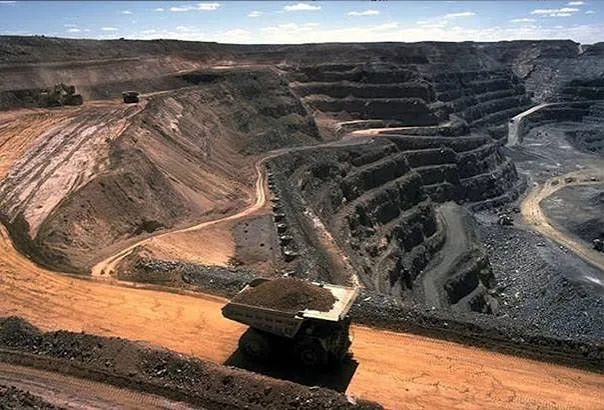
Beneath Iran's ground lies billions of dollars in wealth. Machines break the rock, trucks transport the load, and factories separate the metal from the soil. This part of the operation is visible. The darker part begins where it must be determined how much was extracted, to whom and at what price it was sold, how much money entered the company, what share entered the public treasury, and ultimately who benefited from this wealth.
Until the answers to these questions are as transparent to the Iranian citizen as the weight of a truckload on a mine's scale, the file of "the most corrupt mining companies in Iran" will not be closed. Perhaps the biggest issue in Iran's mining sector is not just the discovered corruption; rather, it is the unknown part that the lack of transparency has deprived society of measuring.