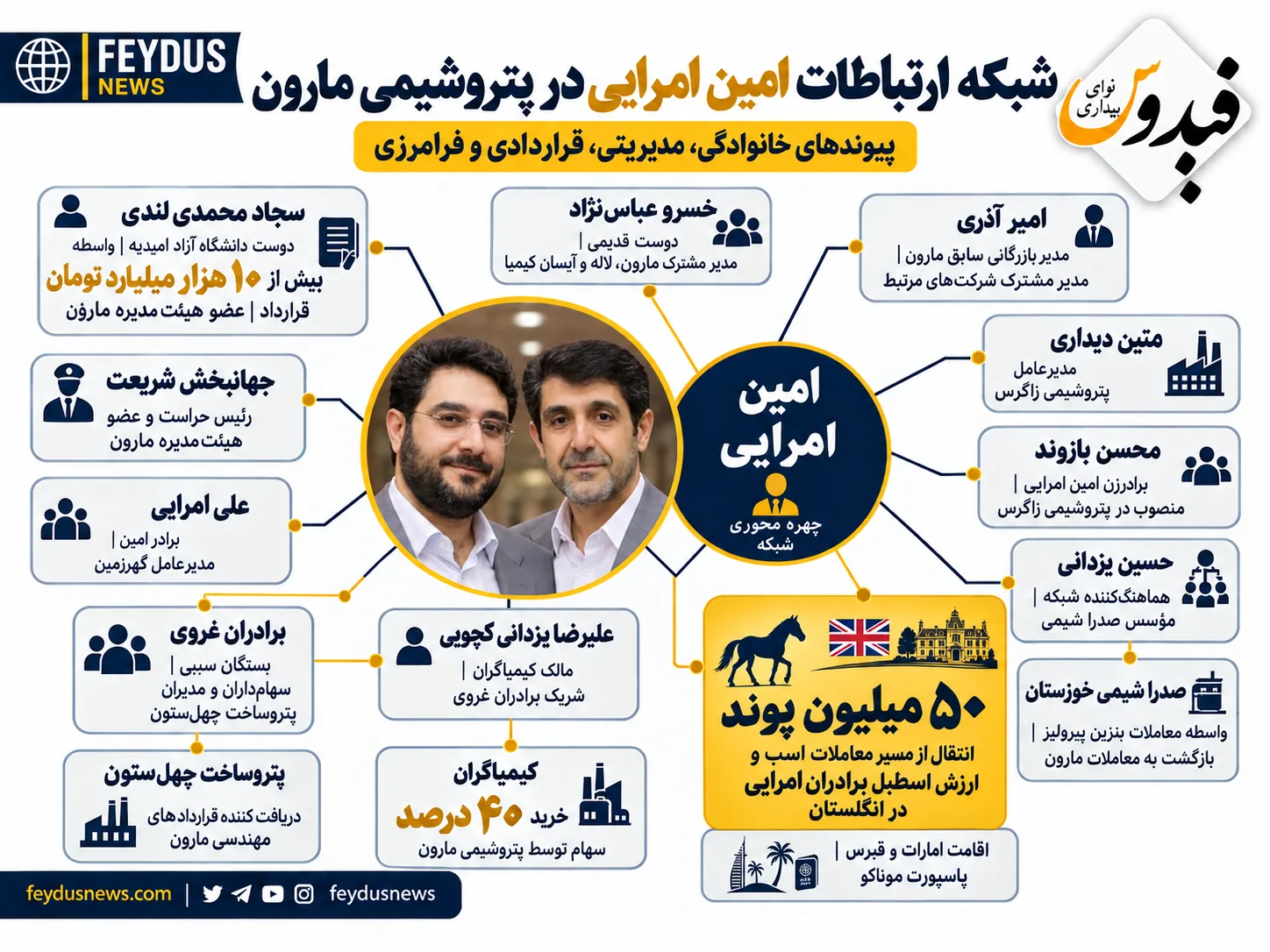
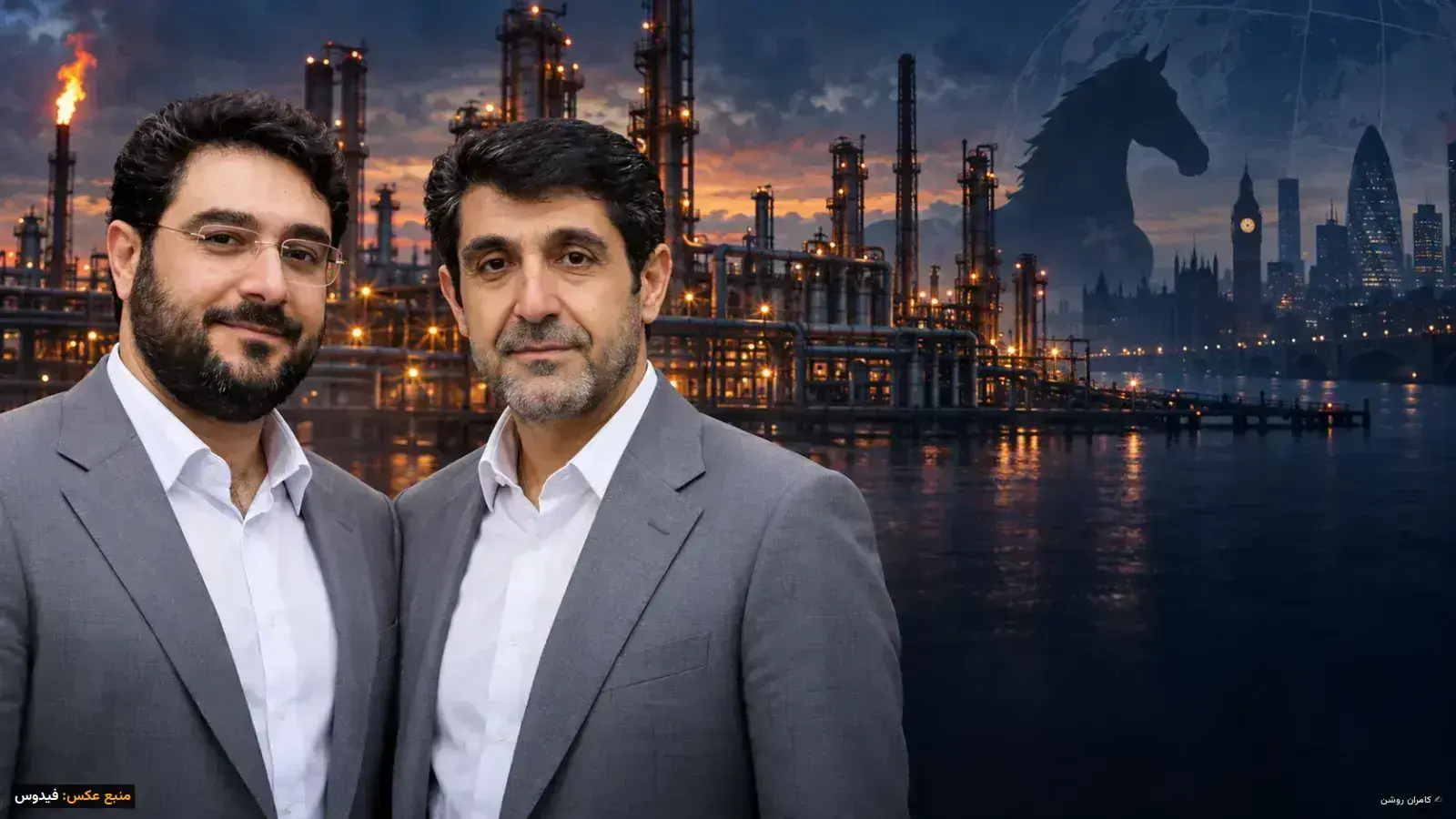
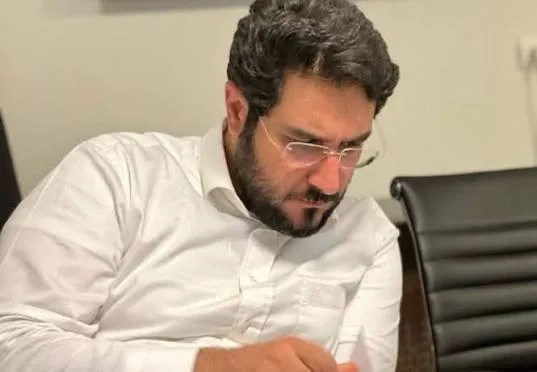
To understand the structure formed during Amin Amraei's years of management at Maroon Petrochemical, one cannot only look at a few contracts or individual appointments. What is seen around Maroon's CEO is an interconnected network of old friends, university mates, relatives, managers of subsidiary companies, contract intermediaries, and business activists; a network whose activities extend from Iran's petrochemical and steel industries to the UAE, Cyprus, Monaco, and the UK.
Besides being the CEO of Maroon Petrochemical, Amin Amraei has held managerial positions in companies like Laleh Petrochemical as a main board member, and in organizations such as Zagros Petrochemical, Shiraz Petrochemical, Etmad Mehr Kish Energy Development, and Petropars Aria Kish Operating Company. His simultaneous or consecutive presence in companies with commercial relations has enabled Amraei to create a network of managerial and economic connections around Maroon.
Transfer of 50 Million Pounds Through Horse Trading
One of the most significant parts of Amraei's financial profile is the transfer and laundering of approximately 50 million pounds through horse trading in the UK. The value of the horse stable owned by the Amraei brothers in England is also estimated at around 50 million pounds. These transactions have become a channel for transferring wealth from Iran and converting financial resources into assets that can be held abroad.
The Amraei brothers hold residency in the UAE and Cyprus and have Monaco passports. In recent years, they have attempted to transfer the remaining part of their assets from Iran to the UAE and the UK. The extent of this wealth accumulation has positioned Amin Amraei as one of the managers linked to intermediaries and security brokers active in the petrochemical and steel industries. Security agencies and the Ministry of Defense's protection department are also aware of the financial and cross-border activities of this group.
Amin Amraei completed his education at Omidieh Azad University and received his bachelor's degree from the same university. However, what determined his path to advancement was more the connections formed during his studies, which later led to managerial appointments and multi-billion toman contracts, rather than his university degree.
Sajjad Mohammadi Landi; From Omidieh Azad University to Maroon Contracts
One of the most important figures close to Amraei is Sajjad Mohammadi Landi, former head of the Basij Student Organization at Omidieh Azad University. His acquaintance with Amraei dates back to their student days at Omidieh Azad University. This relationship turned into extensive economic cooperation after Amraei entered the management structure of the petrochemical industry.
Mohammadi Landi is considered Amraei's main broker and intermediary in Maroon's downstream projects and has mediated the allocation of over 10 trillion tomans in contracts. At the end of Ebrahim Raisi's government, his membership seat on Maroon Petrochemical's board of directors was provided on behalf of TAPICO. Thus, an individual who played the role of Amraei's contract intermediary outside the official company structure directly entered Maroon's board of directors.
Jahanbakhsh Shariat, a retired employee of the Ministry of Intelligence and head of security, is another current board member of Maroon and one of the main figures in this structure. The simultaneous presence of Mohammadi Landi and Shariat on the board has completed the managerial circle relied upon by Amraei at the highest decision-making level of the company.
Family Contracts and the Role of Petrosakht Chehelsetoon
Another part of Amraei's network is formed through his brother, Ali Amraei, CEO of Goharzamin Mining and Industrial Company, and his wife's family. Mrs. Ghavri is Ali Amraei's wife, and the Ghavri brothers, Ali Amraei's brothers-in-law, are shareholders and managers of Petrosakht Chehelsetoon Company.
Petrosakht Chehelsetoon has taken over a significant portion of the multi-million dollar engineering contracts of the Maroon Petrochemical complex. The allocation of these contracts to a company whose managers and shareholders have family ties with the Maroon CEO's family shows how family relations have found their way into Maroon's contracting and engineering chain.
The Ghavri brothers also have a partnership with Alireza Yazdani Kachoui, owner of Kimiyagaran Company. Maroon Petrochemical, through lobbying and follow-up by Amin Amraei, purchased 40% of Kimiyagaran Company's shares. As a result, on one hand, the Amraei family has family ties with the managers of Petrosakht Chehelsetoon, and on the other hand, these same individuals are partners in a company whose 40% shares were purchased with Maroon Petrochemical's resources. This cycle directly connects family interests and Maroon's investment decisions.
Matin Didari and the Employment of Amraei's Brother-in-law in Zagros Petrochemical
Amraei's kinship network is not limited to Maroon Petrochemical. Matin Didari, CEO of Zagros Petrochemical, has employed Mohsen Bazvand, Amin Amraei's brother-in-law, in a high position at Zagros Petrochemical.
To understand the reason and dimensions of this appointment, Matin Didari's relations with Karaneh Company and his connection with a well-known Chinese broker active in the catalyst field must be examined. The employment of one of Amraei's close relatives alongside these commercial relations indicates the extension of the Maroon CEO's network to Zagros Petrochemical and the equipment and catalyst market.
Shared Management Network in Related Companies
Hossein Yazdani plays the role of overall coordinator in this network. He has been part of the management team in numerous companies: Chairman of the Board of Arman Novin Farzanegan Saba, former board member of Aysan Kimia, board member of Arman Sepahan Petrochemical, Vice Chairman of the Board of Sadra Khuzestan Petrochemical, Vice Chairman of the Board of Petroimen Ghadir Industries, and Vice Chairman of the Board of Ibn Sina Petrochemical Industries in Hamedan.
Khosro Abbasnejad Ghazi-Jahani, an old friend of Amin Amraei, was Vice Chairman of the Board of Maroon Petrochemical until 2021. He chaired the board of Aysan Kimia until 2020, chaired the board of Laleh Petrochemical until 2024, and was a member of Ibn Sina Petrochemical Industries in Hamedan.
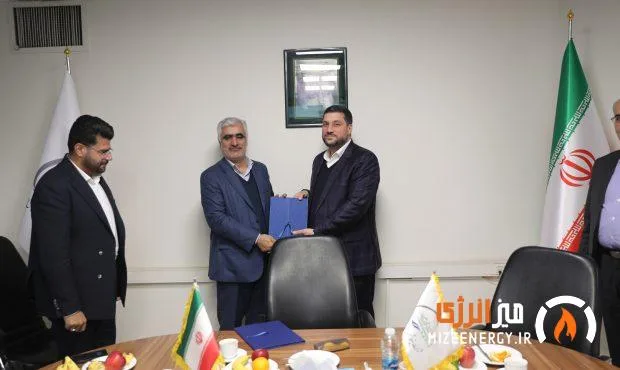
Amir Azari, former commercial director of Maroon, is another link in this network. He held the chairmanship of Laleh Petrochemical's board, was a board member of Sadra Khuzestan Petrochemical and Padidavaran Sanat Espadan, and also had a history of being the CEO of Ibn Sina Petrochemical Industries in Hamedan.
The repetition of these managers' names on the boards of companies that transact with each other shows that Maroon's transactions have flowed in a closed environment among a set of related individuals and companies. At the center of this network is Amin Amraei; a manager connected to various parts of it both through his multiple positions and through old friends, relatives, and colleagues.
Sadra Shimi; The Return of an Intermediary Without Real Activity
One of the notable examples of this network's performance is Sadra Shimi Khuzestan Company. This company was registered by Hossein Yazdani in Ahvaz in 2012, but it lacks operational human resources, physical assets, and real production activity. Despite this, Sadra Shimi has acted as an intermediary in pyrolysis gasoline transactions with Maroon Petrochemical.
Maroon experts documented the status and performance of this company from 2015 to 2022, and cooperation with it was halted before Amin Amraei's entry. With Amraei's management, Sadra Shimi returned to Maroon's transaction chain, despite being fined three times by Maroon Petrochemical during its cooperation period.
The return of Sadra Shimi without real economic capacity occurred under circumstances where Amraei had a history of friendship and cooperation with Hossein Yazdani, the founder of this company. The decision to resume cooperation with such an intermediary highlights the role of Maroon's CEO in reviving this commercial path.
Ethoxylation Permit and Expanding the Sphere of Influence
The ethoxylation permit case is also another aspect of the relations during Amraei's management. This issue was not merely a technical or production decision but followed the same pattern where permits, downstream projects, intermediary companies, and managerial seats are distributed among a limited set of related individuals and companies. A structure that ostensibly operates under the name of value chain development has practically provided the ground for expanding the influence of the network close to the CEO.
Amin Amraei; The Connecting Ring of the Network
The importance of this case lies in the fact that none of these relations can be analyzed separately from Amin Amraei's position. The return of Sadra Shimi to Maroon's transactions, Sajjad Mohammadi Landi's brokerage in over 10 trillion tomans in contracts, his entry into the board, the allocation of engineering contracts to Petrosakht Chehelsetoon, the purchase of 40% of Kimiyagaran's shares, the employment of Mohsen Bazvand in Zagros Petrochemical, and the activity of shared managers in related companies all took shape during Amraei's management or within his direct connections.
Alongside these relations, the transfer of about 50 million pounds through horse trading, the Amraei brothers' stable in England, residency in the UAE and Cyprus, and a Monaco passport provide a picture of the foreign dimensions of this family's financial activities.
Maroon is a company whose part of the shares and benefits are tied to pension funds and the rights of workers and employees. However, its resources, contracts, and business opportunities have been placed in a structure where university friends, relatives, family partners, former security managers, and intermediary companies are connected to each other. At the center of all these circles is the name Amin Amraei; a manager under whose tenure Maroon Petrochemical has transformed from a large industrial enterprise into the hub of a network of family, managerial, and transnational interests.