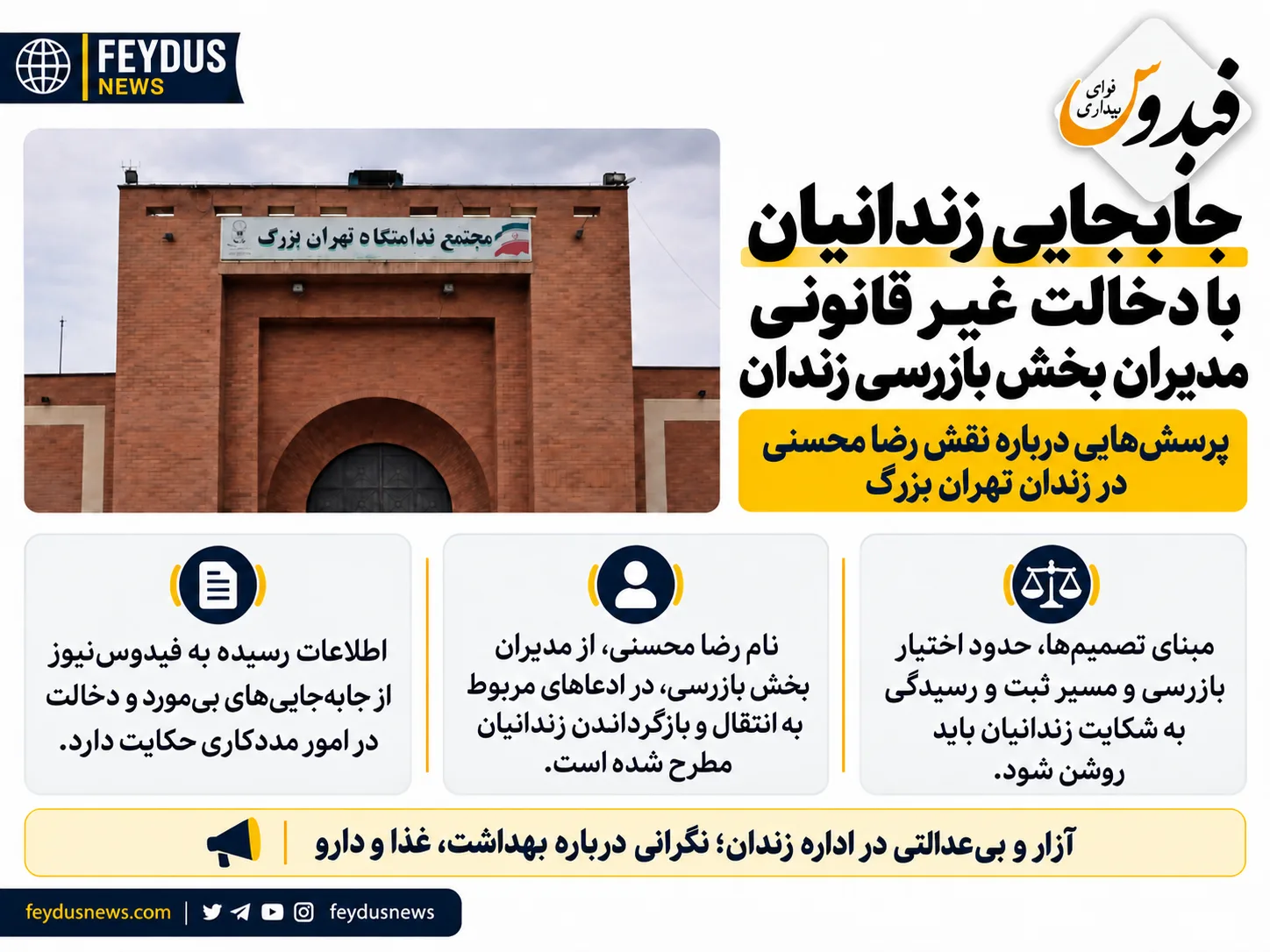
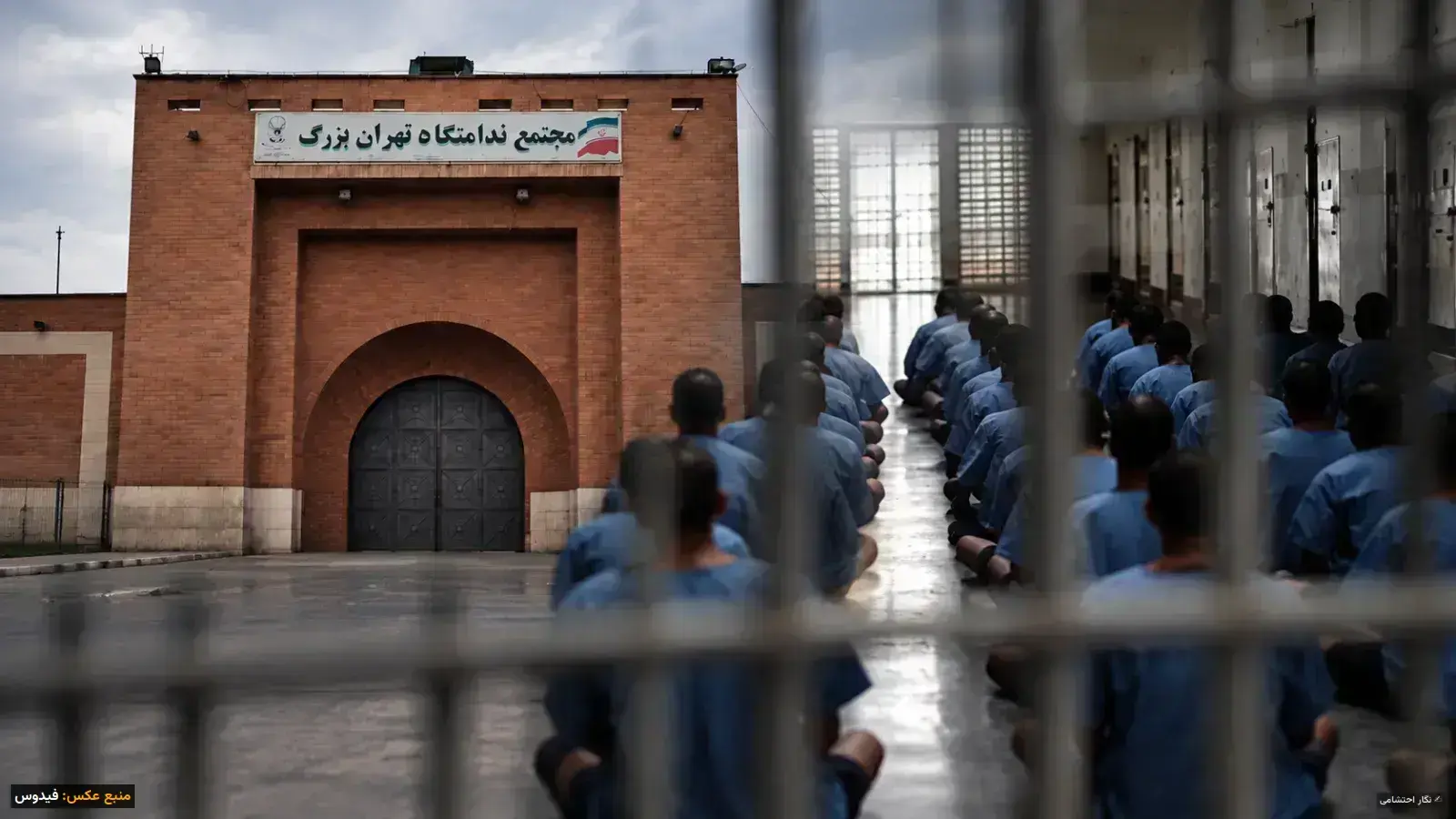
Information received by Feydus News indicates an increase in the harassment of some prisoners in various wards of this prison in the form of unnecessary transfers of prisoners and interference in prison welfare-related matters, which were always handled within the prisoners' own internal network. The interference of some inspection department managers in the transfer of prisoners and welfare affairs can divert decisions related to life inside the ward from the usual path.
The question of informed sources is who decides on the transfer of prisoners in Greater Tehran Prison and on what basis are these decisions made? Information received by Feydus News mentions the name of Reza Mohseni, one of the inspection department managers of this prison, in connection with interference in the transfer of prisoners and related ward matters.
The issue is beyond an administrative transfer: transferring or returning individuals between halls, if done without addressing complaints and the opinions of responsible departments, can become a tool for pressure on prisoners.
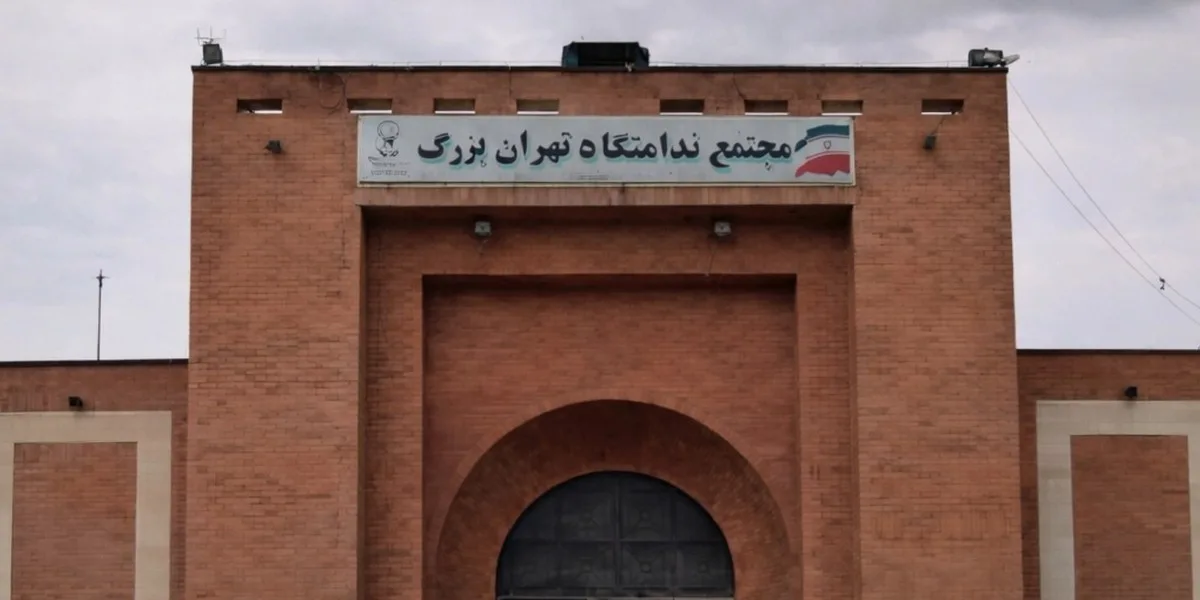
Transfer of Prisoners Without Clear Reasons
In one of the raised cases, the decision to remove an individual from ward responsibility and transfer them to another hall was changed after a while, and the same person was returned to the previous location. Information received states that before the return, reports about their behavior were recorded in the prison system; reports related to creating discord and interfering in other prisoners' affairs.
In this process, Reza Mohseni has been accused of having a role in the final decision. If the decision about the detention location or responsibility of a prisoner has been changed with the interference of a manager from the inspection department, it must be clarified what the basis of this intervention was and what position the welfare department and hall officials had. Inspection should enable the review of complaints and oversight of department performance; ambiguity arises when this department itself influences executive decisions related to internal ward relations without a clear decision-making path.
The importance of this issue lies in the living conditions of prisoners. Wardmates are connected in many daily matters, from addressing basic needs to helping sick individuals. Assigning responsibility to a prisoner or transferring them without reviewing the hall's condition does not just change one person's place; it may also affect mental security and the ability to pursue others' complaints. For this reason, the claim of inspection interference in this area must be examined from the perspective of its consequences for all individuals in a ward.
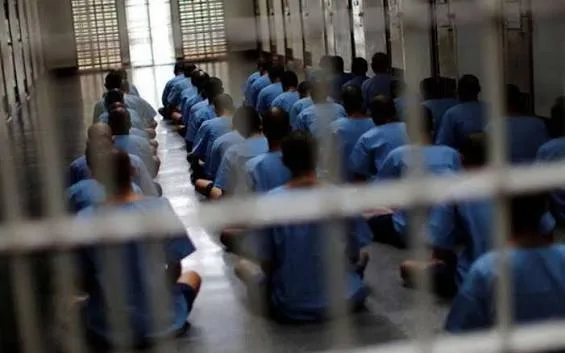
Inspection or Pressure Lever of Prisoner on Prisoner
The authorities of Greater Tehran Prison must clarify the scope of the inspection department's authority in transferring prisoners and intervening in ward and welfare affairs. It is also necessary to specify how disputed decisions are recorded, reviewed, and communicated to relevant departments, and through what path prisoners affected by their consequences can complain without concern.
The issue becomes meaningful when, after the publication of multiple reports of mistreatment of prisoners, especially prisoners of security and political sections, this time the issue has reached the problems of prisoners of other crimes, including financial crime suspects, who also report widespread injustice in the management of this prison and remind that even the most basic rights of prisoners are reported to be violated in this rent-based and influential system by even lower-level managers in the prison.
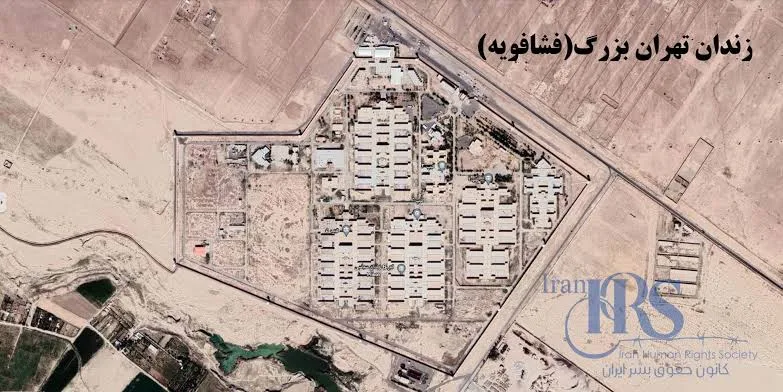
Issues related to healthcare, food and medicine shortages, and the increase of insects and animals transmitting diseases in this prison clearly highlight a vivid picture of the human disaster situation in the Greater Tehran Central Detention Center.
The issue of keeping individuals in non-standard environments or systematic mistreatment of prisoners is an old problem in the detention centers and prisons of the Islamic Republic, which clearly indicates repeated violations of the rights of imprisoned individuals. Despite the publication of repeated cases of human rights violations of prisoners, no effective action has been taken by the prison organization and the judiciary.