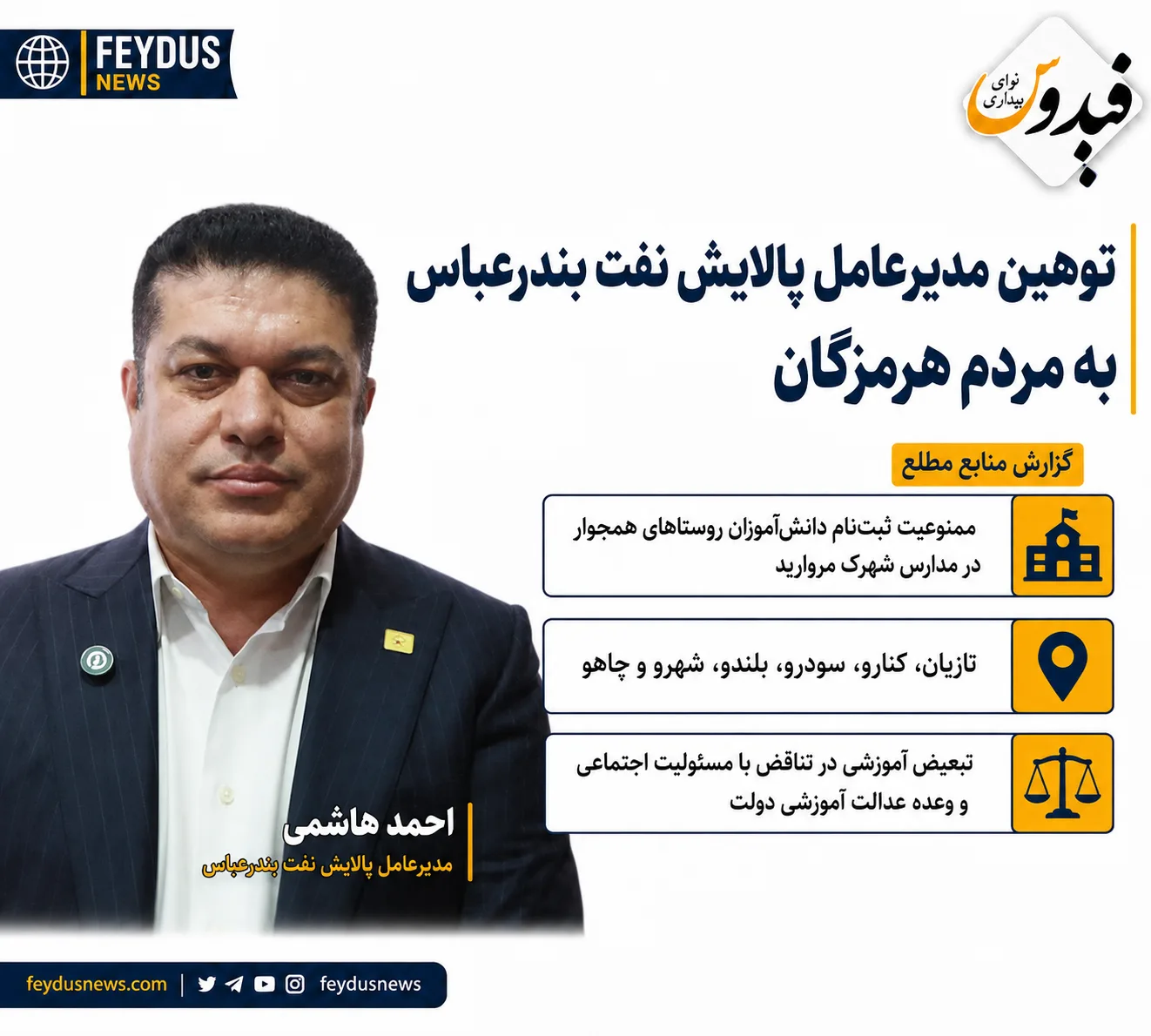
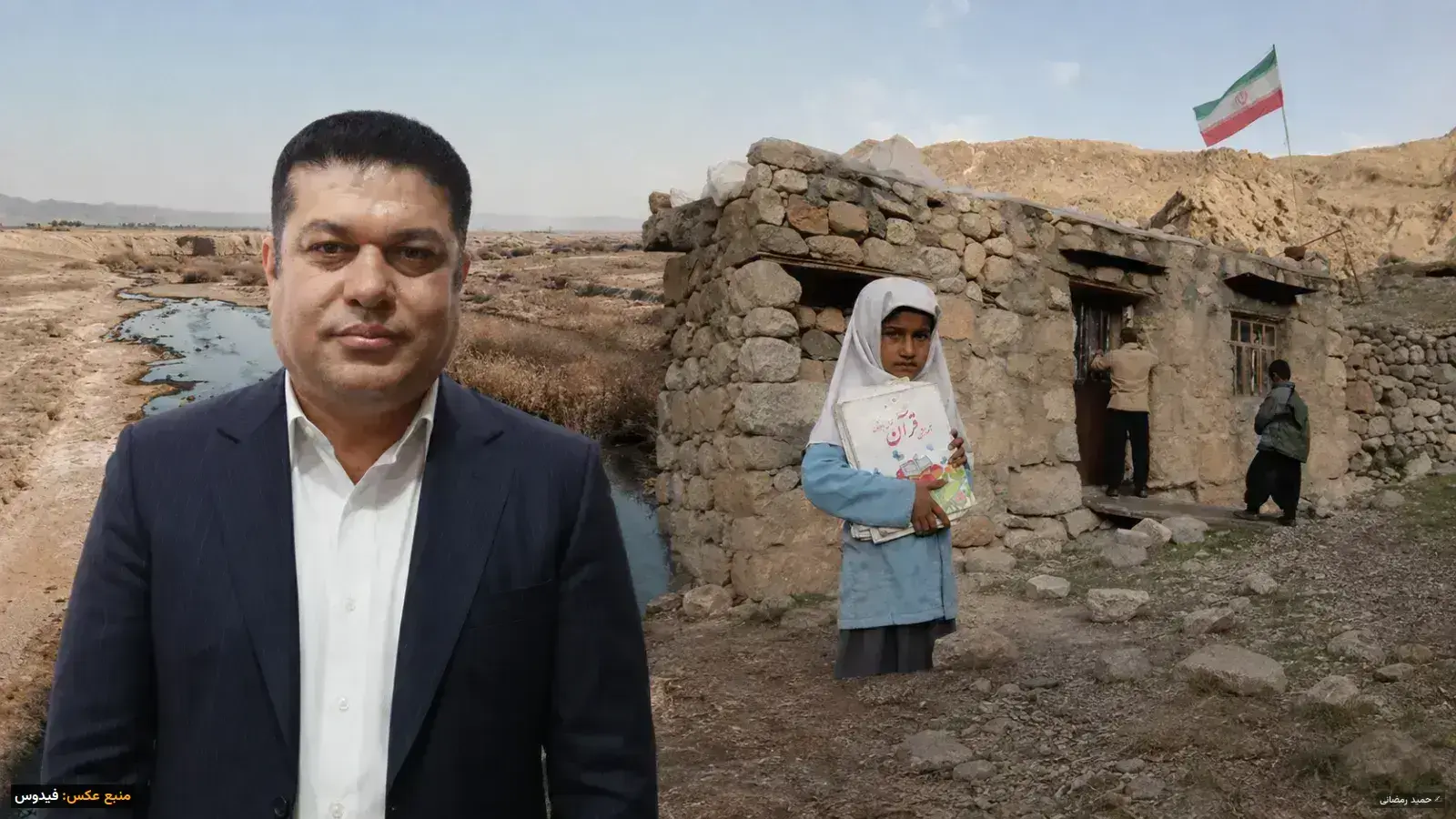
Local reports from Hormozgan Province indicate that the enrollment of students residing in villages around the residential township of Morvarid, owned by Bandar Abbas Oil Refining Company, in the schools of this township has been banned. According to informed sources, this decision was made under the directive of Ahmad Hashemi, CEO of the company, causing serious concerns for families living in the villages of Tazian, Kanaru, Soudaru, Bolando, Shahru, and Chahu.
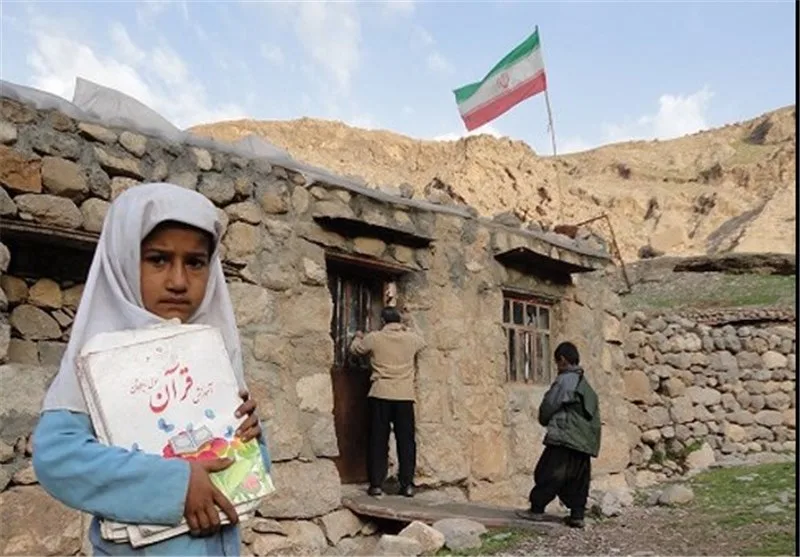
According to information obtained by Feydus, the reasons for this decision include "the low educational level of students from surrounding villages," "the negative impact of their presence on the academic status of refinery employees' children," and "the costliness of accepting students from outside the township." Feydus has not yet accessed any written documentation of this directive, and Bandar Abbas Oil Refining Company has not issued an official and clear explanation regarding the main issue and the criteria for student admission in Morvarid Township schools.
Educational Discrimination and Environmental Consequences
If this report is confirmed, such a decision will not only be an administrative restriction but also a clear segregation between the children of an industrial company's employees and the children of villages that have lived for years in proximity to oil facilities. Referring to rural students as "low level" is considered a direct insult to the children and native families of Hormozgan instead of addressing educational deficiencies.
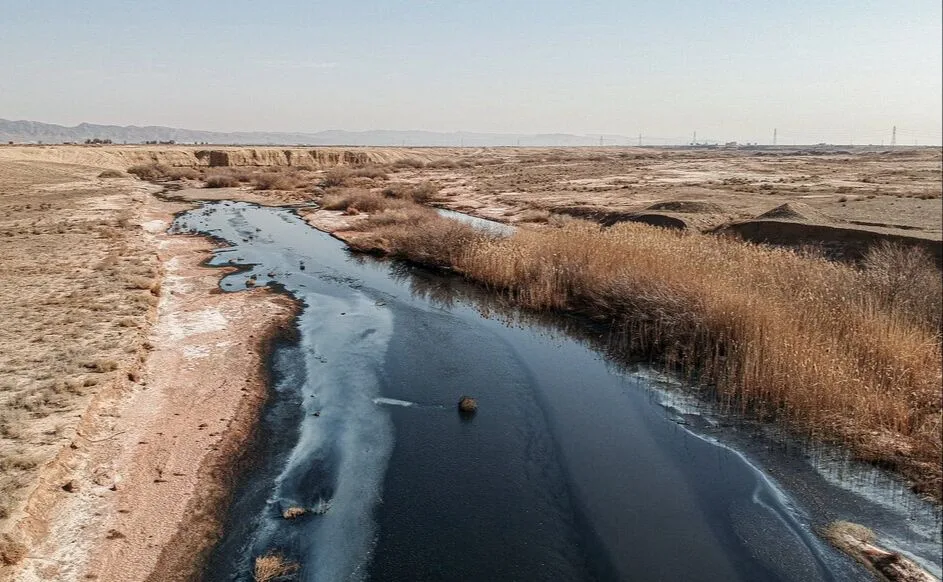
This action becomes more controversial when the villages around the refinery are at the forefront of the environmental consequences of the industries in western Bandar Abbas. The Hormozgan Department of Environmental Protection had previously issued environmental warnings to three refineries located in western Bandar Abbas following the spread of unpleasant odors and public dissatisfaction. Therefore, local residents have the right to ask why their share of proximity to industries should be pollution and environmental hazards, while they face closed doors when it comes to educational facilities.
Conflict with Social Responsibility and Educational Justice
This issue also conflicts with the refinery's previous advertisements about investment in social responsibility. Previously, the governor of Hormozgan had also called for broader use of the refinery's facilities for the benefit of all the province's people.
Preventing rural children from studying in the well-equipped schools of Morvarid Township is also in clear conflict with the government's slogan of "developing educational justice" under Masoud Pezeshkian's administration; a program aimed at eliminating inequality, eradicating deprivation, and creating equal opportunities for all children of Iran.
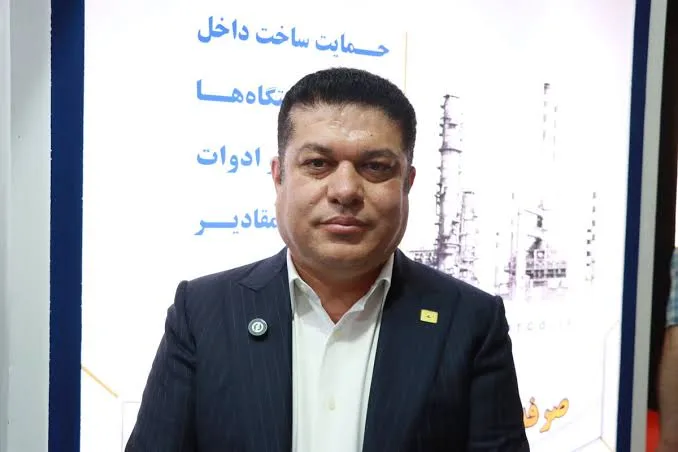
Now, the Ministry of Oil, the Ministry of Education, the Hormozgan Governorate, and the province's representatives must clarify whether such an order has been issued and on what legal basis Morvarid Township schools refuse to enroll children from surrounding villages. It is also expected that Ahmad Hashemi will respond to this report and other criticisms regarding managerial performance, company losses, relations with certain contractors, and the expenditure of social responsibility resources. Until the publication of documents or an official response from the company, these should be considered claims by informed sources; however, the silence of responsible institutions cannot alleviate the concerns of Hormozgan families.