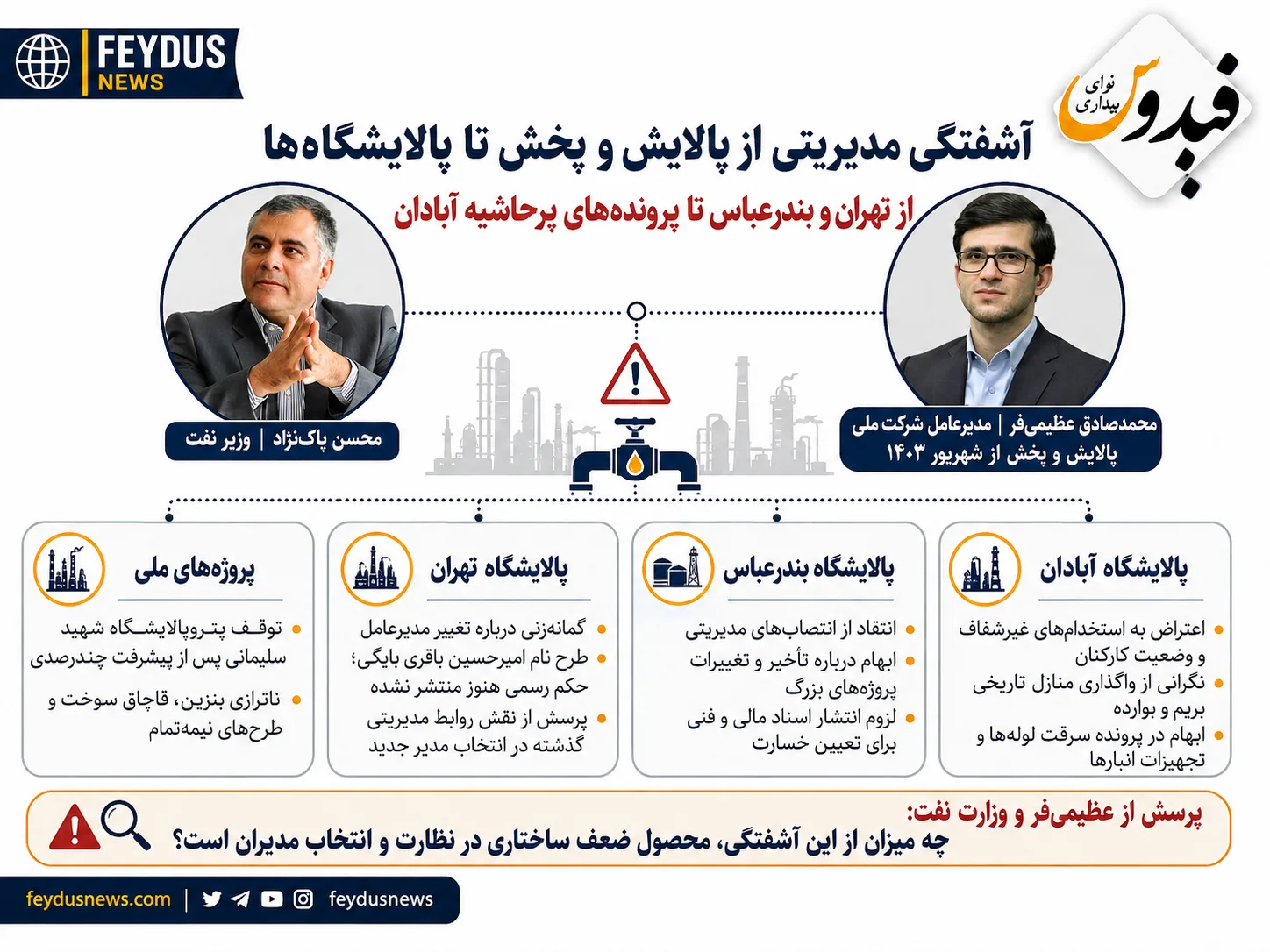
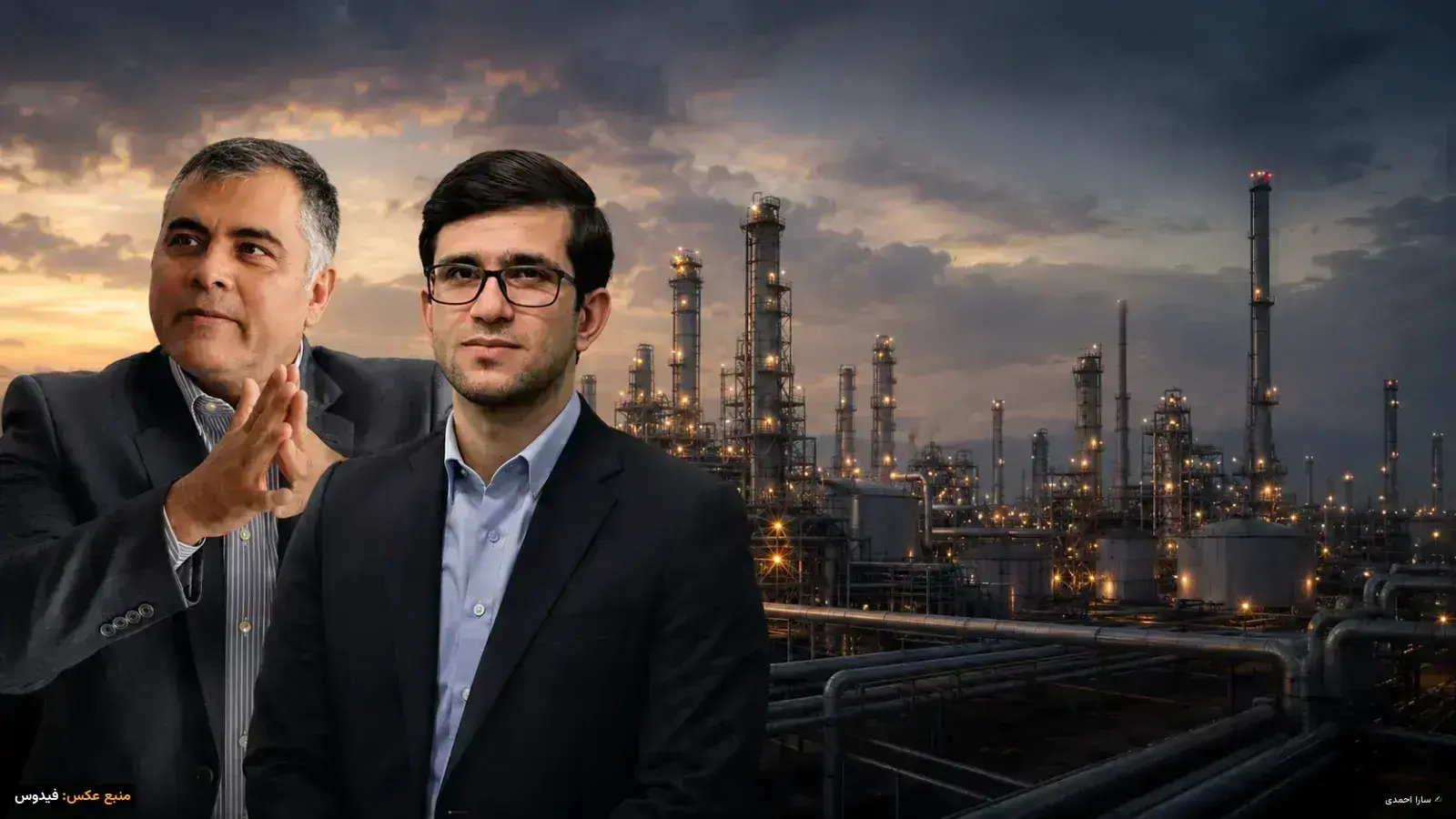
Increased managerial controversies, ambiguity in some appointments, project delays, employee protests, and reports of misconduct in several Iranian refineries have once again brought the management of subsidiaries and affiliates of the National Iranian Oil Refining and Distribution Company into discussion within the oil industry.
What has been reported from the refineries in Bandar Abbas, Isfahan, Tehran, and especially Abadan in recent weeks and months is not just a series of isolated incidents. Critics say the recurrence of these issues may indicate a broader problem in decision-making, manager selection, and oversight at the top of the National Iranian Oil Refining and Distribution Company.
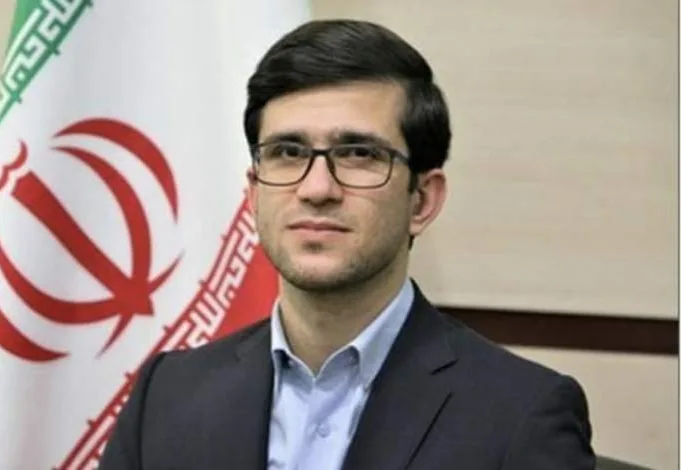
This company has been managed by Mohammad Sadegh Azimifar since September 2023. His appointment was met with both approval and opposition from the start. In specialized oil industry employee channels, including "Afkar Naft," a group of employees questioned his operational and executive experience in the refining and distribution sector in a letter published on September 3, 2023.
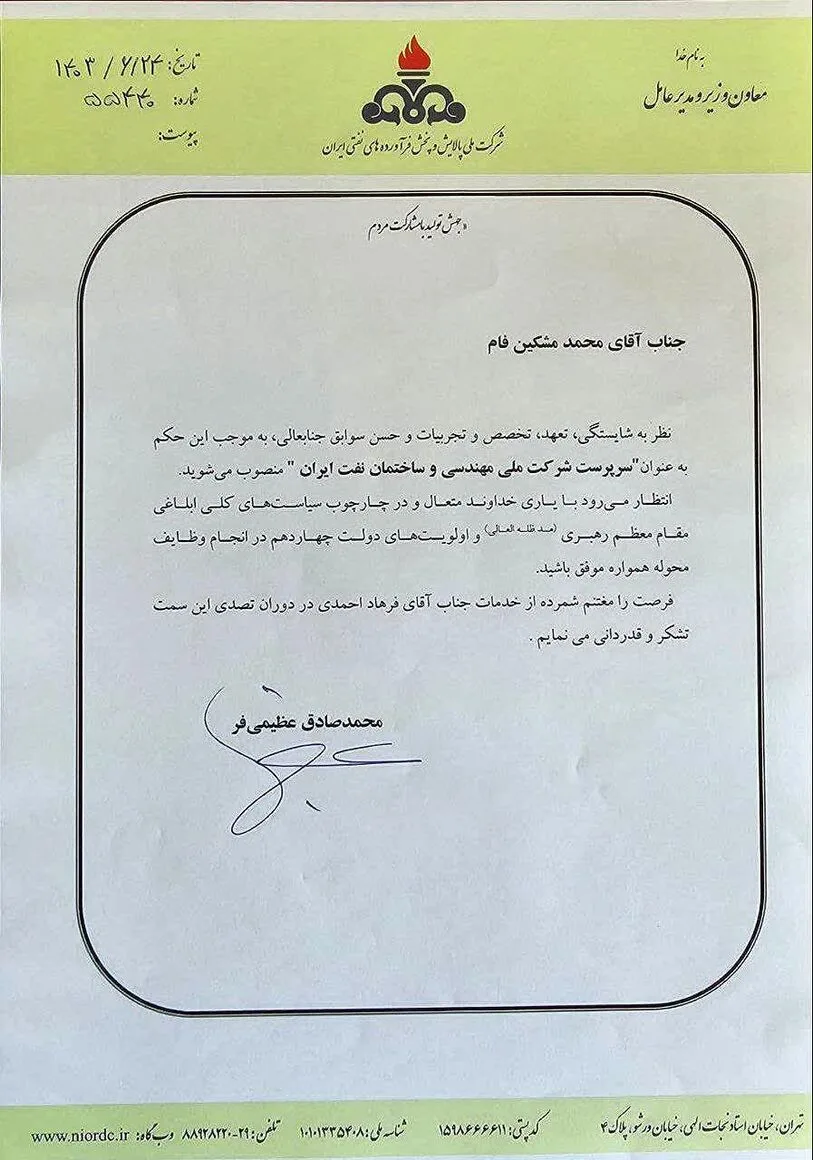
In the following months, several changes were made to the company's managerial structure. For example, on July 12, 2026, Mohammad Reza Bagheri, who was previously Azimifar's special assistant, was appointed as the Executive Vice President of the National Iranian Oil Refining and Distribution Company. Previously, Mohammad Ali Dadvar was appointed as Deputy CEO and Mohammad Meshkinfam as the manager of the National Iranian Oil Engineering and Construction Company.
Managerial Challenges and Incomplete Projects
Alongside these changes, the refining and distribution sector has faced more significant issues such as gasoline imbalance, fuel smuggling, incomplete projects, and the halt of some major plans. On April 29, 2025, Azimifar announced that the construction of the "Shaheed Soleimani" petro-refinery had stopped after only a few percent progress, and its financing was not properly designed from the start. This example has intensified questions about the quality of decision-making and oversight on major refining projects.
One of the latest controversies relates to the Tehran refinery. Until mid-August 2026, Abbas Mohseni-Nikoo was still serving as the CEO of Tehran Oil Refining Company, and on August 3, Azimifar, along with the special assistant to the President, visited the refinery's development plans.
However, in the early days of September 2026, specialized oil industry media reported the potential change in the refinery's management. Amir Hossein Bagheri Baygi's name has been mentioned as one of the potential candidates for the CEO position; a manager who, according to published reports, had reached a managerial position in one of the subsidiaries during Azimifar's management at Sina Energy Development Holding.
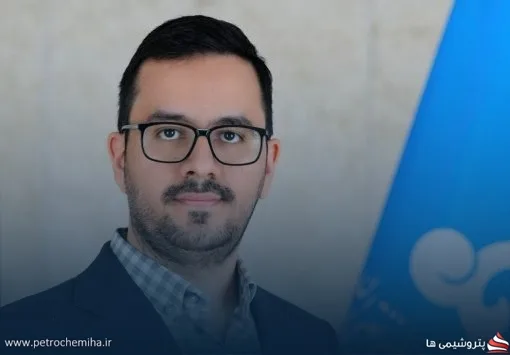
This background has led some oil media to question whether the potential selection of the new Tehran refinery CEO will be based on a competitive and specialized process or if past managerial relationships and collaborations will play a role in this selection. As of the publication of this report, no official final decree for the change of the Tehran refinery CEO has been issued, and thus what is said about Bagheri's appointment remains at the level of media reports and speculation about managerial options.
Bandar Abbas Refinery and Controversial Appointments
In Bandar Abbas Oil Refinery, Ahmad Hashemi's management has also faced criticism in recent months. Part of the criticism relates to the execution of major refinery projects, and another part concerns managerial appointments.
Feydus News previously raised questions in a report about some appointments in this company and the potential role of political relations in them. Other reports have also been published regarding delays and changes in major projects of this refinery. However, determining the exact extent of damage caused by these delays requires the publication of contract documents, status reports, and financial and technical project reports.
However, among the country's refineries, the situation at Abadan refinery has drawn more attention from employees and the public in southern Iran.
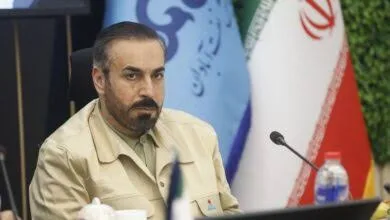
Fardin Rashidi's management is simultaneously facing a series of protests and reports concerning employment, employee conditions, contracts, organizational properties, and asset protection at the refinery.
One of the main points of protest is the method of human resource recruitment. Employees and local sources have claimed in recent months about nepotistic, ordered, and non-standard hiring processes. Feydus News cannot independently verify all these claims, but their repetition and employee dissatisfaction increase the necessity for transparent publication of employment statistics, tests, recruitment permits, and the ratio of contract to official staff.
Challenges in Abadan and the Pipe Theft Case
The second issue concerns the Bream and Bawardeh residences; two historical areas that are not only organizational assets of the oil company but also a significant part of Abadan's historical identity.
Documents published years ago regarding the policy of transferring organizational residences show that Bream and Bawardeh residences were exempted from public transfer due to Abadan's specific conditions and the necessity of retaining and attracting specialized personnel. In one of the documents from 2003 and 2004, it was explicitly emphasized that these residences were non-transferable to retain specialized personnel in the region.
However, in recent months, the discussion of transferring some properties and residences in these two areas has resurfaced. Critics warn that ad hoc decision-making or transferring these properties to managers and specific individuals without general and transparent regulations could not only squander the company's assets but also destroy the historical structure of Abadan's company-settled areas.
Another issue is the case of theft of pipes, equipment, and items stored in the warehouses of Abadan refinery.
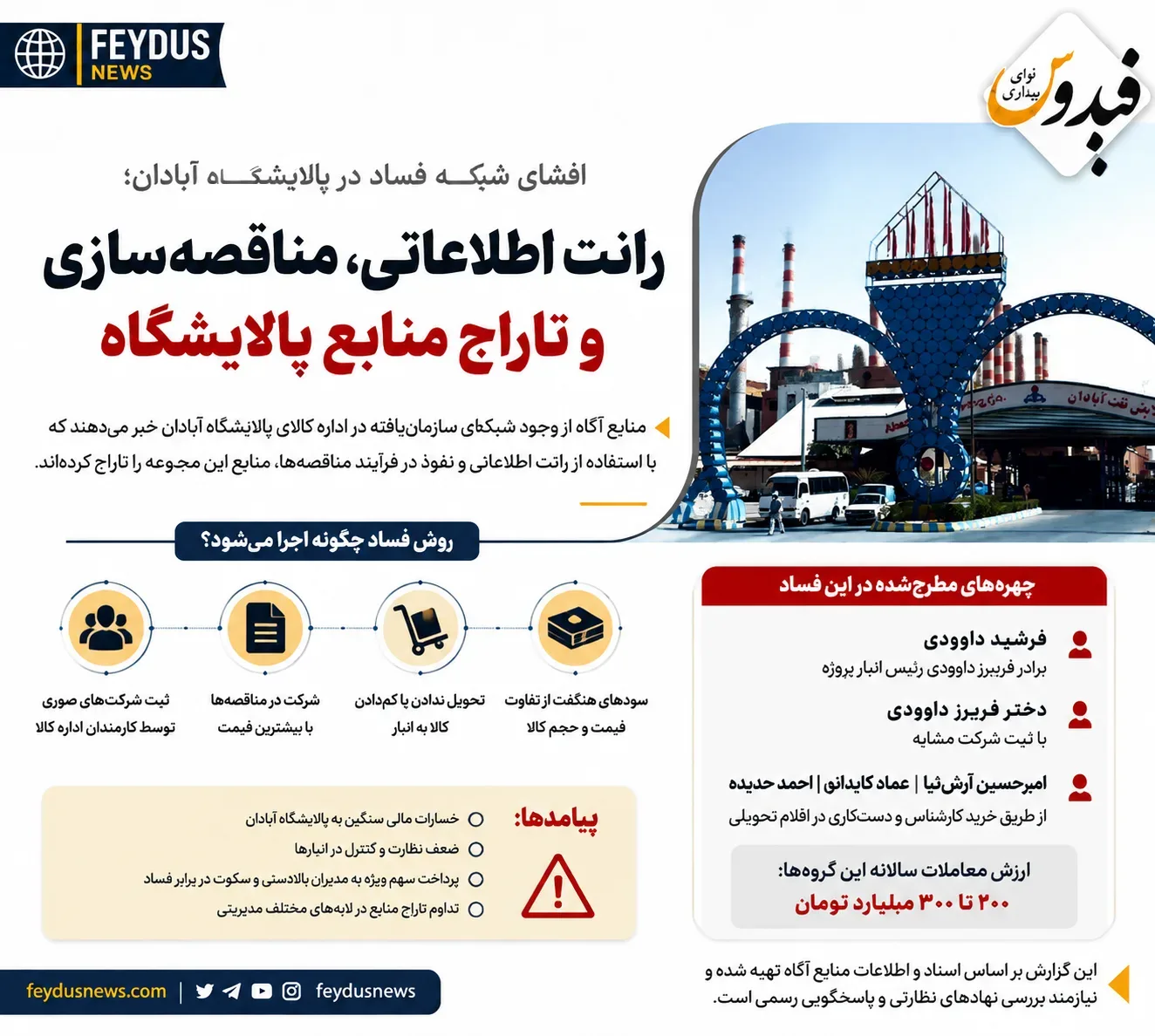
According to information and reports published in local sources and social networks, the discovery of one theft case has raised suspicions of more extensive misconduct. Some sources claim that part of the assets was removed from the complex over a long period and then resold to the industrial complex through companies, intermediaries, or new invoices.
But this ambiguity raises an important question: if the scope of the case was not limited to an ordinary theft, why are the details of the investigations and the fate of the refinery's assets not announced to the public?
The issue is not just one refinery. What is now seen from Abadan to Bandar Abbas and from Isfahan to Tehran raises a bigger question about the management of the National Iranian Oil Refining and Distribution Company.
The duty of this organization is not just the daily management of fuel production and distribution; it must also effectively oversee the management of refineries, execution of billion-dollar projects, asset protection, manager appointments, and human resource processes.
When simultaneously in several refineries, issues of project delays, controversial appointments, management changes, employee protests, non-transparent hiring, and even asset theft are raised, they can no longer be considered merely "local controversies."
The question that Mohammad Sadegh Azimifar and the Ministry of Oil must now answer is how much of this turmoil is the result of structural weaknesses in oversight and the selection of managers in the refining and distribution sector?