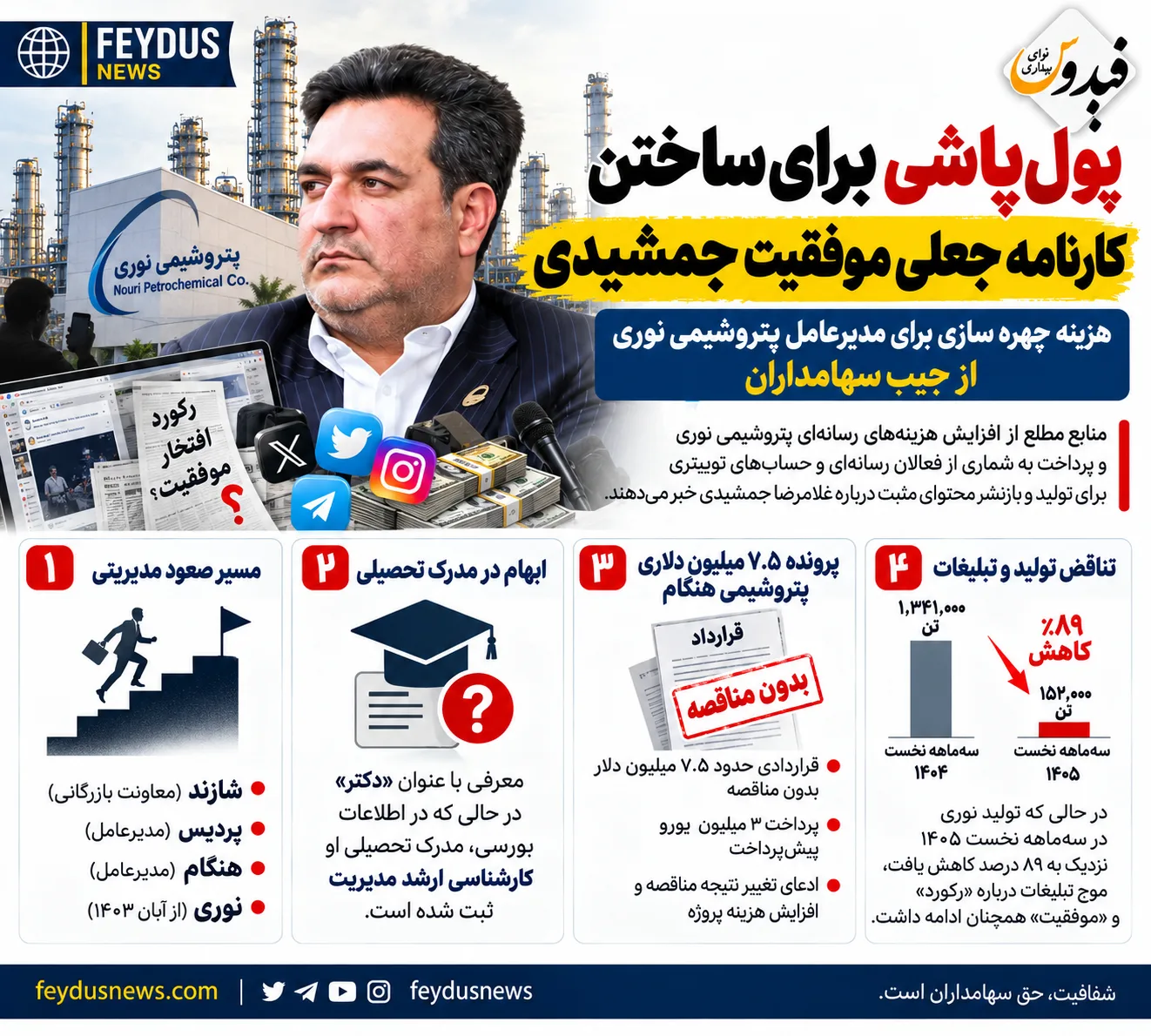
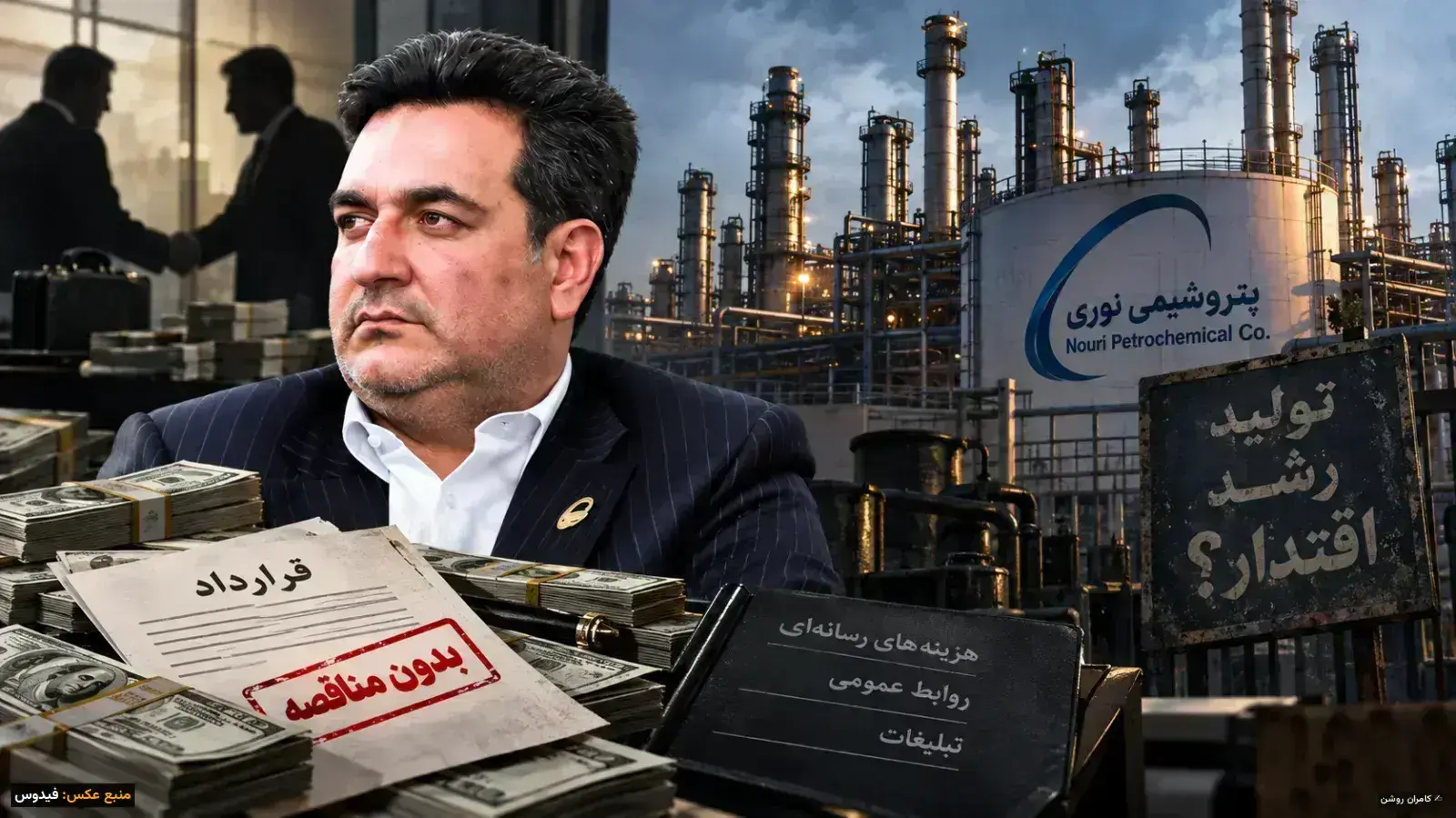
In a situation where, after the war and economic pressures, large petrochemical companies are facing the necessity of cost control, resource management, and maintaining liquidity more than ever, informed sources report an increase in media expenses by Nouri Petrochemical and payments to a number of media activists and active accounts on social networks for the production and reposting of positive content about Gholamreza Jamshidi.
The volume and pattern of publishing laudatory content about Nouri's CEO
have raised serious questions about the source of the cost of this advertising wave.
This question becomes more important when Jamshidi's record is not only
composed of "records," "trophies," and "honors" on Twitter pages and media receiving significant
amounts from Nouri. Reports about his management period at Petrochemical Hengam have raised serious allegations about the way contracts were awarded, the alteration of tender processes, and the costs of a foreign currency contract.
From Shazand and Pardis to Hengam and Nouri; Jamshidi's Ascent Path
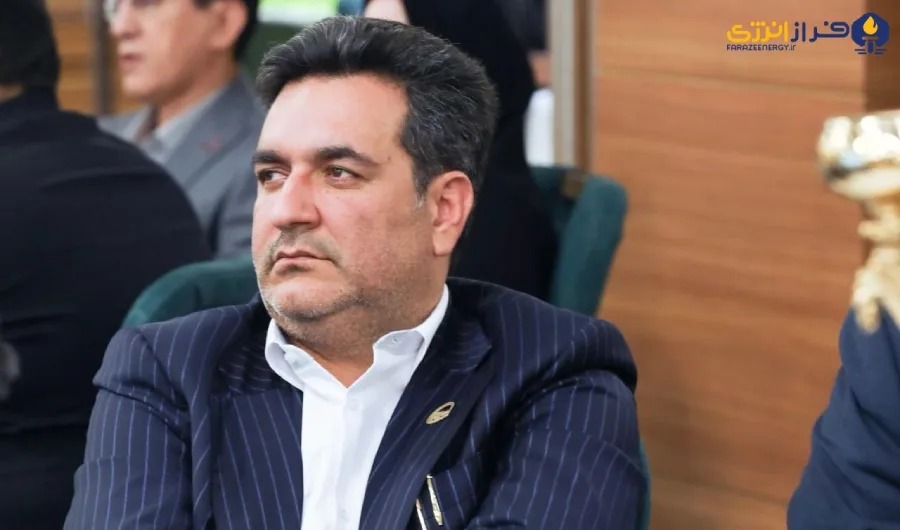
Public records show that Gholamreza Jamshidi experienced the position of deputy or commercial management at Shazand Petrochemical before reaching the management of
Nouri Petrochemical, and then became the CEO of Pardis Petrochemical and Hengam Petrochemical. In November 1403, he also replaced Taghi Sanei at the head of Nouri Petrochemical by the order of the CEO of the Persian Gulf Petrochemical Industries Group.
However, there are different narratives about the early stages of his career path. Sources close to industry employees speak of his start in executive ranks and then logistics and commerce. This part of his background requires the official publication of Jamshidi's complete resume by Nouri Petrochemical.
Another ambiguity exists regarding the title "Doctor." In many public relations news, Jamshidi is introduced as "Dr. Gholamreza Jamshidi," but accessible stock information about Pardis and Nouri Petrochemical records his academic degree as "Master's in Management." The simple question is: From which university, in what field, and in what year did Jamshidi obtain his doctorate? If another degree was received after the registered stock information, publishing its details could resolve this ambiguity.
The 7.5 Million Dollar Hengam Case; Allegations Lost Under Trophies
One of the most serious cases raised about Jamshidi's management period
returns to Petrochemical Hengam.
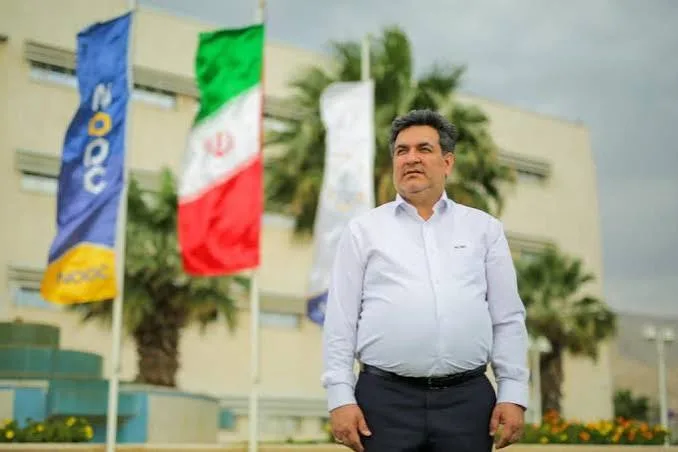
Feydus previously reported that a contract close to 9 million dollars faced a change in the awarding process during his management period, and eventually, a contract worth about 7.5 million dollars was signed without going through the usual tender process. According to the same report, three million euros were also pre-paid to the new contractor. According to documents, the change in currency supply method increased the actual project cost, and at least one million euros in bribes were also mentioned around Jamshidi in this case.
This issue, along with a series of reports about tenders, supply contracts, product sales, transportation costs, and demurrage, and the existence of a complaint related to "changing the tender result" has added to this long list of corruption.
In addition to these cases, internal industry sources speak of criticisms about appointments and recruitment of close and hometown-related individuals during Jamshidi's management periods. Regarding Nouri Petrochemical, claims about the increased presence of individuals affiliated with Noorabad have also been raised.
Record Making or Record Talking?
Simultaneously with these unanswered questions, a completely different image of
Jamshidi has been created in some media.
Just search his name: "Innovation and Transformation Leader," "Influential Manager in Industry and Economy," "Year of Record, Growth, and Leadership Stabilization in Aromatics," and similar titles have been repeatedly published about him. During his management period at Hengam, Jamshidi received the "Best Project of the Year 1402" trophy and was honored as an influential manager in industry and economy at another conference.
When Production Falls but the Advertising Machine Doesn't Stop
A clear example of this contradiction was seen in the year 1405. The production of the first quarter of 1405 at Nouri reached about 152 thousand tons, while the same period last year was over one million and 341 thousand tons; a drop of nearly 89 percent. The company, of course, announced the main reason for this decrease as war, feed cuts, and utility limitations.
The issue, however, is the narrative style. In the same environment where production faced such a shock, news related to records, exports, revenue, trophies, and managerial "epics" continued to be published with strength. This is where the question about advertising costs becomes important.
Company Money for the CEO's Personal Brand?
The main issue is not opposition to information dissemination. A public company is obliged
to inform about its production, sales, projects, and performance. The sensitive boundary begins when the organization's public relations becomes a device for creating the "personal brand of the manager" and
shareholders' resources are spent on producing a media image of an individual.
If Jamshidi has truly set records, Codal, financial statements,
production volume, profit margins, productivity, completed projects, and the value created for
shareholders will be his best advertisement; not the number of trophies, laudatory headlines, or
a coordinated wave of tweets.
Nouri Petrochemical has only one way to end this ambiguity:
transparent publication of contracts and media expenses.
Then it will be clear whether we are facing "record making" or
"record talking"; and whether Nouri shareholders' money has been spent on building the company's future or creating
a media image of its CEO.