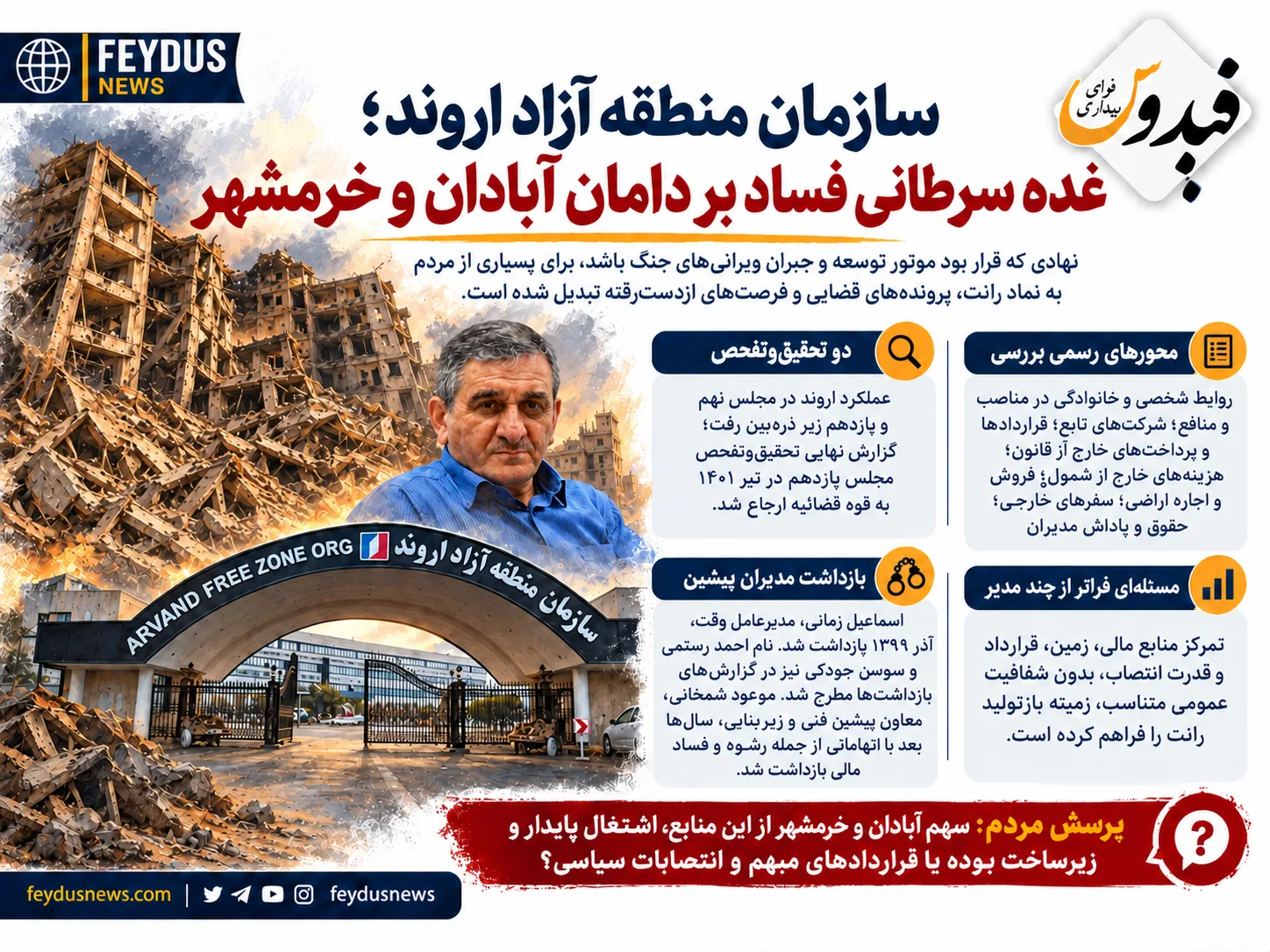
On the day the Arvand Free Zone Organization was established, it was supposed to be one of the most important tools for compensating the backwardness of Abadan and Khorramshahr after the Iran-Iraq war; an institution that, relying on its border position, ports, industrial capacities, trade with Iraq, and oil and petrochemical infrastructure, could create employment, investment, and economic prosperity for the people of the region. However, what has transpired in Arvand over nearly two decades, for a large part of the region's people, is more reminiscent of corruption, cronyism, the arrest of managers, and repeated investigations than development.
The approval of the parliamentary investigation into the performance of the Arvand Free Zone is one of the most significant signs of this structural crisis. During the review of this organization's performance, the eleventh parliament examined issues such as personal, group, and family relations in the division of positions and benefits, the establishment of subsidiary companies, contracts, illegal payments, expenses outside the scope, land sales and leases, foreign trips, and the payment of salaries and bonuses to managers. The final report of this investigation was referred to the judiciary in July 2022 with the vote of the representatives.
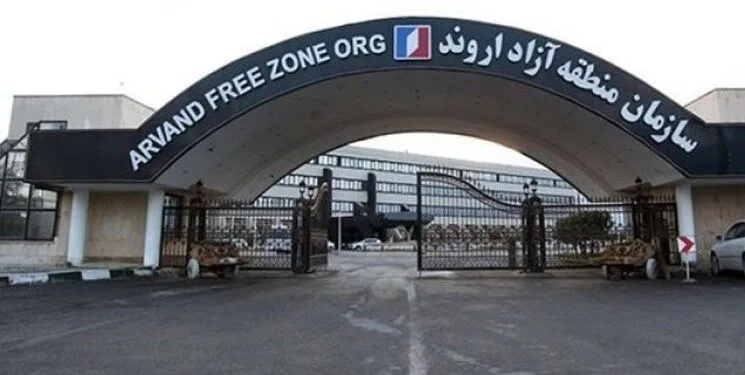
This was not the first time Arvand's performance was scrutinized. In the ninth parliament, an investigation into the Arvand Free Zone was also initiated, and reports on financial misconduct and the management style of this organization were published; a case that ultimately became one of the symbols of ambiguity in the oversight of free zones. Some reports have spoken of expenditures outside the framework and the allocation of resources to influential groups and individuals.
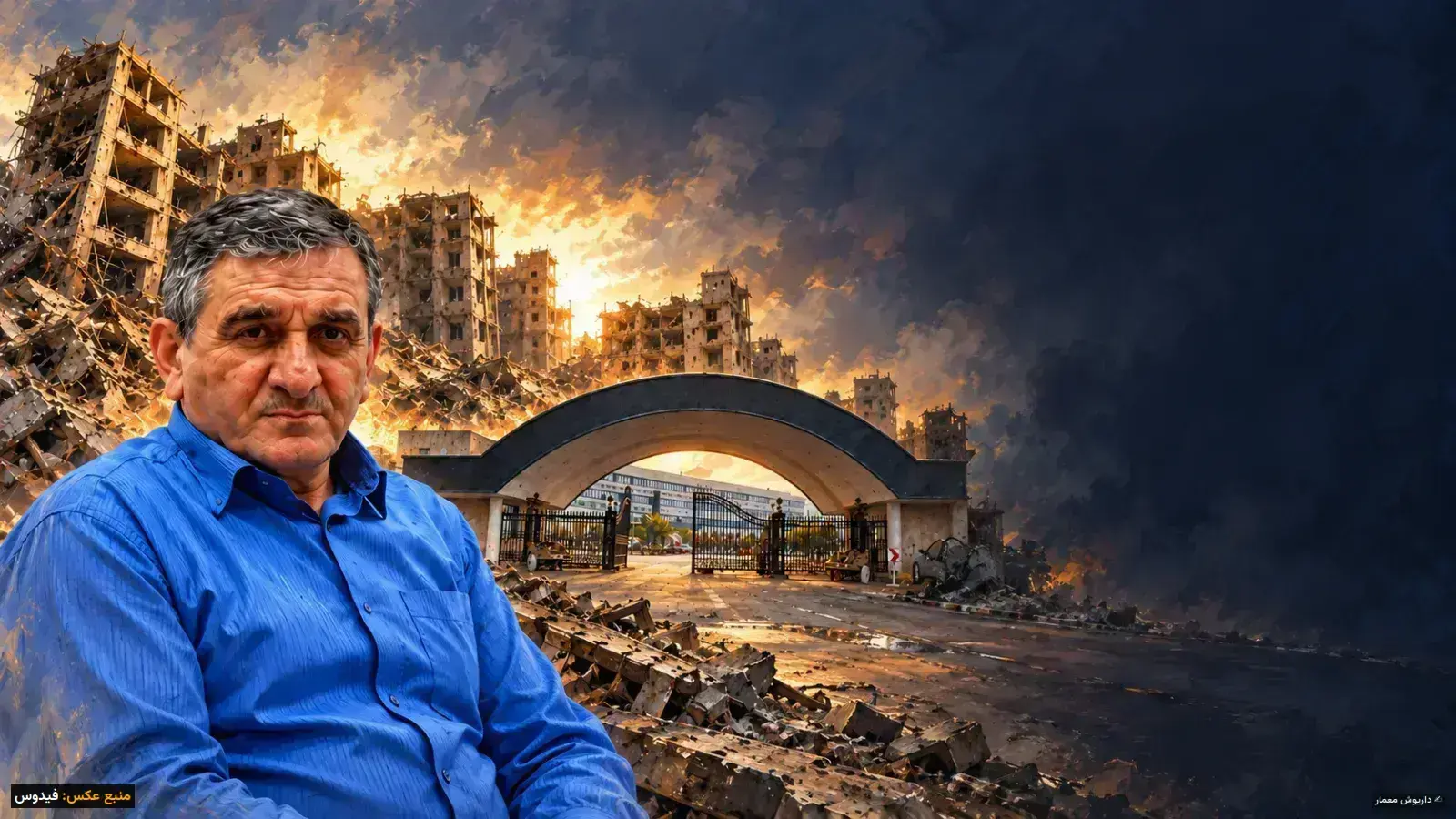
But perhaps more telling than any administrative report is the fate of this organization's managers. Esmail Zamani, the then CEO of the Arvand Free Zone, was arrested in December 2020 following a report and investigation by the General Inspection Organization of Iran. After that, the names of Ahmad Rostami, the former Deputy for Management Development and a board member, and Susan Joudaki, the Financial Affairs Manager, were also mentioned in reports related to arrests. Years later, the arrest of Moud Shamskhani, the former Deputy for Technical and Infrastructure Affairs of the Arvand Free Zone, on charges including bribery and financial corruption, once again drew public attention to the managerial structure of this organization.
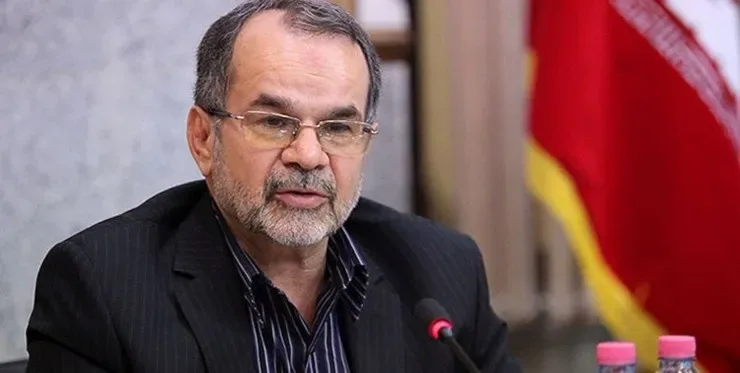
Alongside these names, Mehdi Nikpey is also one of the controversial figures in Arvand's history. He was appointed as the CEO of the Arvand Free Zone in the final months of Mahmoud Ahmadinejad's government and during Hamid Baghaei's management of the free zones, and reports of his arrest shortly after his appointment were published. His name was later repeated in media narratives about the power structure and influence in Arvand. However, regarding a significant portion of the claims published about his network of influence, there is still insufficient independent and public evidence to confirm the details of all the claims.
The main problem, however, is much larger than a few names and a few cases. Over the years, the Arvand Free Zone has become a structure that holds significant financial resources, land, contracts, and appointment power, but its level of public transparency does not match the volume of these resources. When one of the official axes of the parliamentary investigation is announced as "personal, group, and family relations in the division of positions and benefits," the issue is no longer merely the misconduct of a few managers; the issue is a structure that enables the continuous production of cronyism.
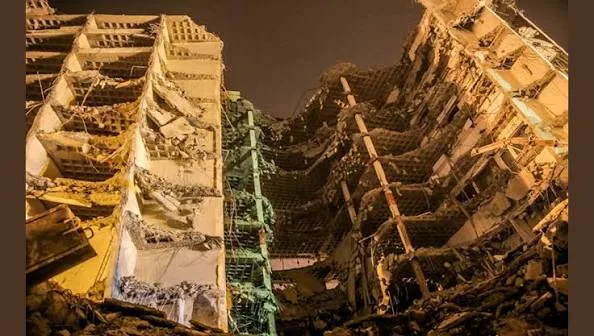
The people of Abadan and Khorramshahr paid a historical price after the war. Many infrastructures were destroyed, reconstruction was accompanied by delays and corruption, and a large part of the region's economic capacity was lost. The Arvand Free Zone was supposed to be a response to these wounds. But today, the main question is how much of its resources this organization has directly allocated to improving the quality of life, sustainable employment, urban infrastructure, and the future of the youth in these two cities, and how much of it has been consumed in power networks, ambiguous contracts, and political appointments.
As long as the contracts, land allocations, list of beneficiaries, affiliated companies, payments, and appointments of the Arvand Free Zone are not publicly and searchable published and there is no independent oversight, the possibility of reproducing this cycle will remain.
Arvand, which was supposed to be the engine of development for Abadan and Khorramshahr, has today become, for many people in the region, a symbol of a lost opportunity; an institution that, if not transparent and accountable, will resemble more a backyard for power factions and a tumor on the wounded body of Abadan and Khorramshahr than an economic free zone.