
For years, the National Iranian Drilling Company has shouldered a significant portion of the country's oil and gas drilling operations; a company whose major work is done in the southern heat, on rigs, and in environments where working is not easy. However, in recent months, the voices of the company's employees' protests have been heard more than before; from official staff to contract workers and third-party employees.
What is seen in the messages and protests published by the employees is a collection of old and new problems: disparities in salaries and benefits, concerns about job security, the status of contract workers, managerial appointments, the continued presence of some managers and retirees, and dissatisfaction with welfare facilities. The company's management has responded to some of these demands, but the repeated protests indicate that the gap between what employees expect and what has happened in practice remains significant.
Third-Party Employees; One Workplace, Two Different Worlds
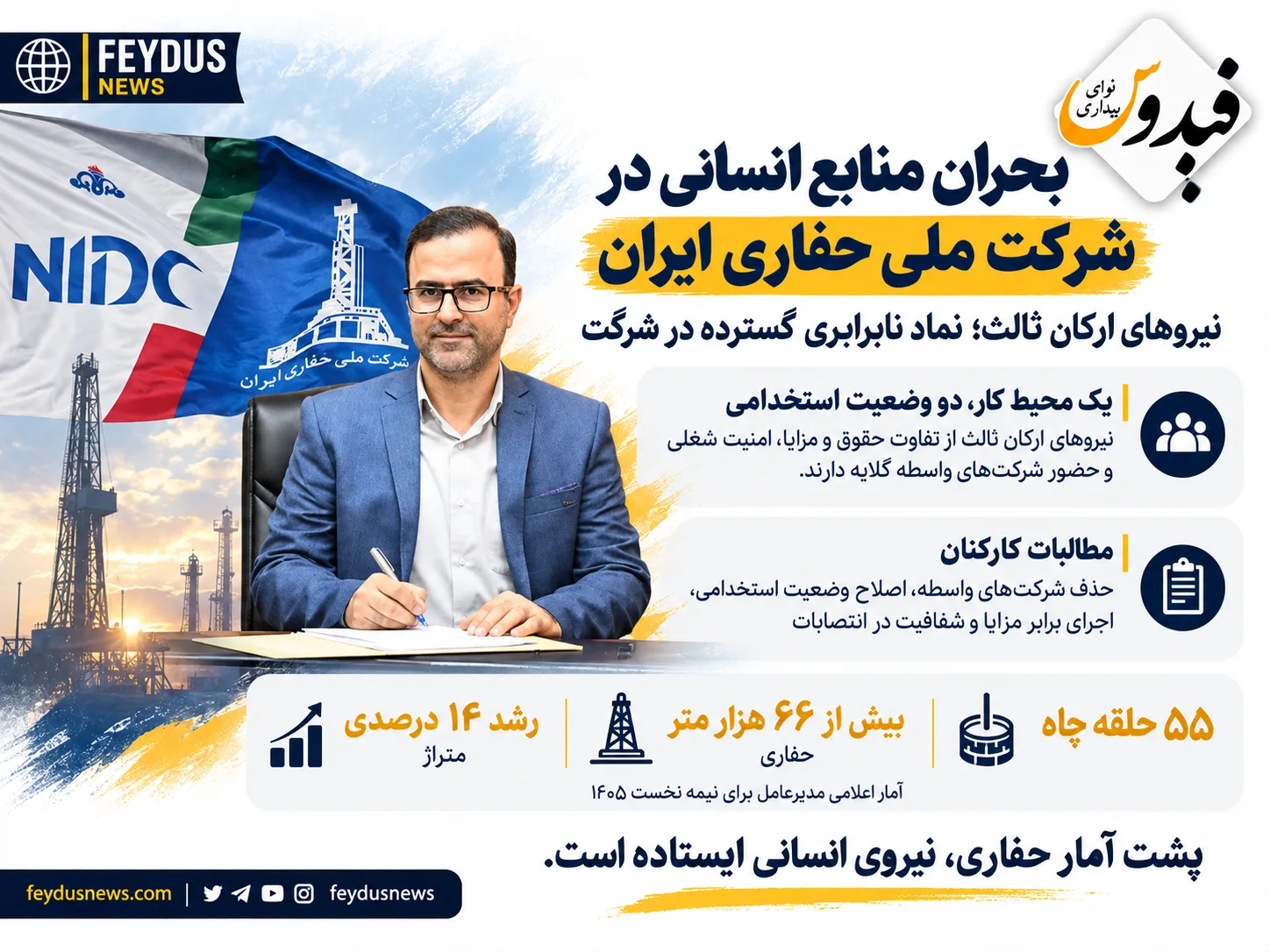
Third-party employees may be the most visible example of this inequality. They work in various parts of the company, and many have years of experience, but their contracts are with intermediary companies, which affects their job security, earnings, and benefits.
In recent months, National Drilling's contract employees have repeatedly called for the removal of intermediary human resource companies, the correction of employment status, and the equal implementation of regulations related to salaries and benefits. Ben cards, oil cards, salary caps, and demands related to Article 10 are also among their protests.
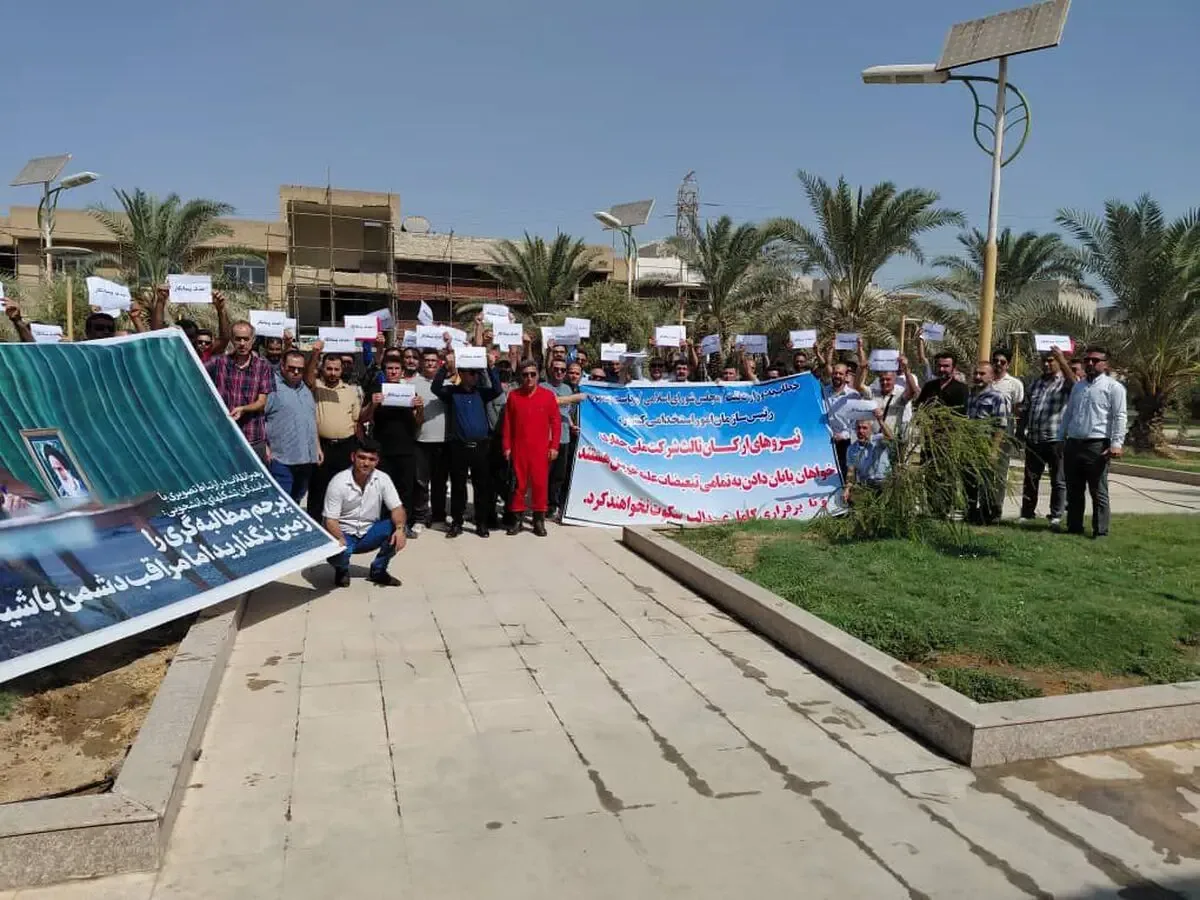
In one of its responses, National Drilling management announced that the ben card for third-party employees will be paid with a 20% increase, and the difference for previous months will also be calculated. Such a decision can reduce some of the financial pressure on employees, but the contract workers' protest is fundamentally not about a ben card. An employee who has worked in the oil industry for years wants to know above all what his job future will be. Will he have a contract next year? Why does his official colleague enjoy benefits that he does not? Why should part of his work relationship go through an intermediary company?
These questions become more important when the tough drilling environment is involved. An oil rig is not a place where the difference between official and contract workers can make the work easier for one.
Managerial Changes; But Questions About Appointments Remain
After Morteza Fouladi took over the management of the National Drilling Company, he made several changes in the managerial structure. In February 1404, several managerial orders were issued simultaneously, and in the following months, sections such as contracts, procurement, human resources, and structure and productivity saw managerial changes. Nevertheless, changing names has not been able to end employees' questions about the method of selecting managers.
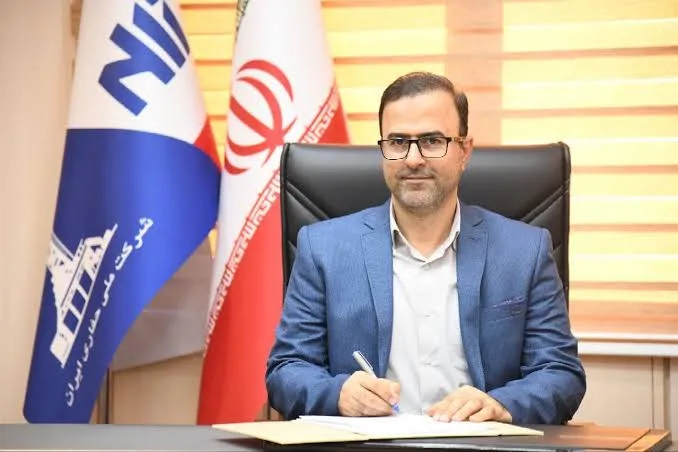
In August 1405 , publications raised questions about the possibility of influence in some appointments. In one of these publications, it was even requested from the Ministry of Oil's inspection and security to clarify on what basis managers are selected and whether individuals outside the company's official hierarchy have a role in decision-making.
There is no independent public document to prove these claims, and they cannot be considered definitive reality. However, the repetition of such protests is itself a managerial issue. When employees do not know on what criteria their superior manager has reached this position, trust in the system is damaged. The issue of retirees has also added to this dissatisfaction. In messages published by employees, questions have been raised about the continued activity or influence of some retired individuals in sections such as medical services and financial affairs.
Employees have the right to know when there are employed specialists in a company, on what basis a manager or retired force is used and who has decided on their continued presence.
Meritocracy is not created by issuing orders and changing manager titles. Employees must be able to see that expertise, experience, and professional ability are the criteria for individuals reaching managerial responsibilities, not relationships and possible influence.
Behind Drilling Statistics, There Are People
Human resource problems do not end with salaries and appointments. In the summer of 1405, employees protested about the status of Rig 74, saying that this rig had been inactive for a long time and its forces had been scattered among other rigs. In published messages, the conflict between the National Drilling Company and Arvandan Oil and Gas Company was mentioned as the cause of this situation.
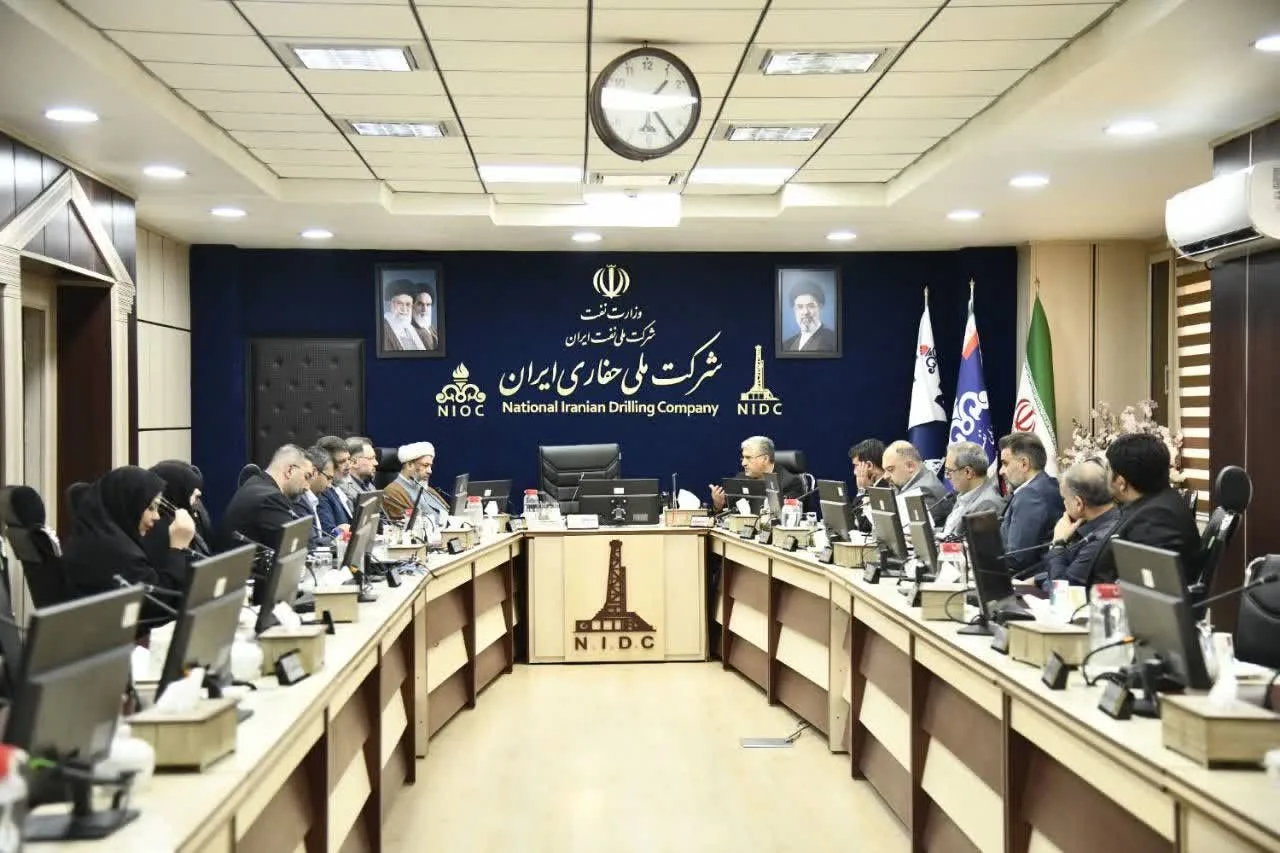
At the same time, protests about employee welfare facilities were also published; including the long closure of some company facilities like the restaurant and cinema.
In contrast, the company's management speaks of positive operational statistics. In September 1405, Fouladi announced that National Drilling had drilled and completed 55 oil and gas wells in the first half of the year and had drilled over 66 thousand meters. According to the statistics provided by the CEO, the drilling footage has also increased by 14 percent compared to the same period last year.
These figures, if independently verified, are important for a drilling company. But behind these numbers, there are people. Behind 66 thousand meters of drilling, there is a worker who has worked hours on the rig; a driver who has driven kilometers on oil field roads, a specialist who has spent the night in the operational area, and a contract worker who may still not know what his contract will be next year. The success of an oil company cannot be measured by the number of wells and meters drilled while ignoring the condition of those who made these numbers.
When employees protest about salaries, contracts, job security, appointments, the presence of retirees, and welfare facilities, the issue is no longer a simple administrative complaint. It is about the trust of the human resources in the organization where they have spent years of their life and work.
National Drilling can buy rigs, repair equipment, and set new records in drilling. But if the worker and specialist standing next to that rig feel unheard, bridging this gap will be much harder than repairing any drilling equipment.