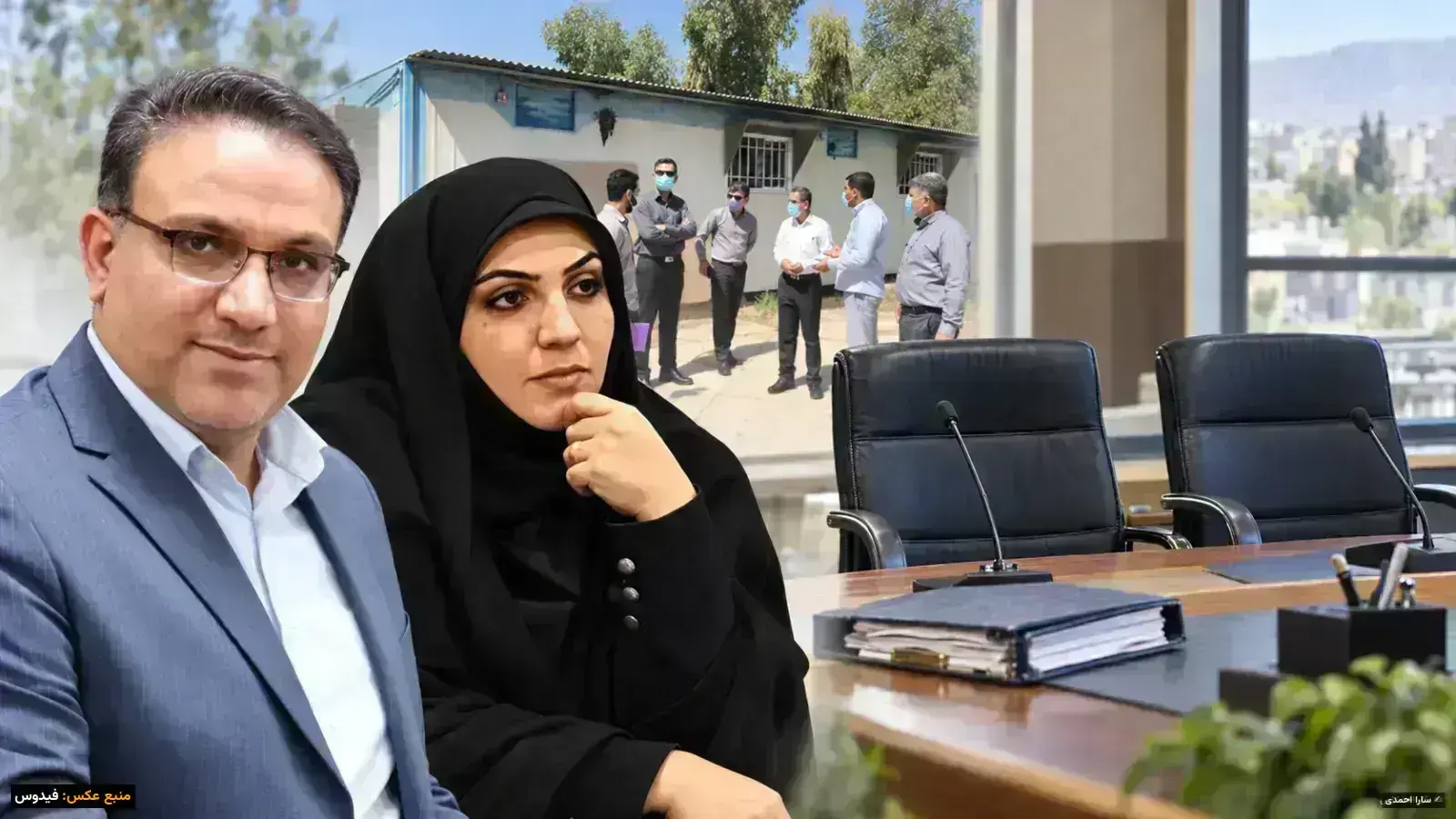
While two seats of the Miyankuh city council in Omidiyeh county have been in a state of unofficial suspension for months, the amended council law, which provides a clear solution for such a situation, is being consciously ignored.
According to the law, after two months of absence, an alternate member must temporarily replace the absent one, and the responsibility for this invitation lies with the governor. However, neither Balqis Hosseini, the governor of Omidiyeh, nor the supervisory bodies have provided a clear explanation about the fate of these two seats and the implementation of the law.
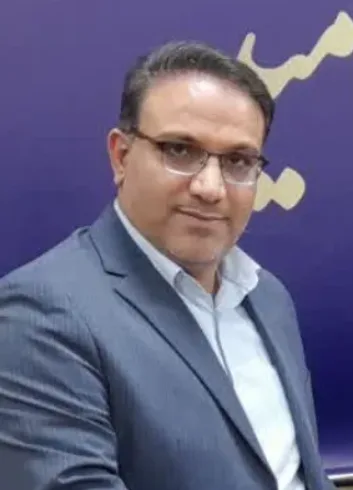
According to informed sources, with the influence of Mehdi Bahmani, the deputy governor and former mayor of Miyankuh, this has occurred, and it is more than just a "local dispute"; it is a sign of a crisis in accountability in the Islamic Republic.
A History That Started with Council Disputes and Reached Legal Cases
Omidiyeh has previously experienced tensions between the council, the municipality, and the judiciary. In the previous city council term, the then-mayor and council president used media and promotional documentaries to halt the city's detailed plan for years and challenged the judiciary and the then-prosecutor. However, expert reviews, the Article 5 Commission, and the Council for the Protection of Public Property ultimately showed that their claims had no legal basis and were more "personal whims of a corrupt faction."
In 2019, the Omidiyeh judiciary's public relations announced the formation of a case for the then-mayor with charges such as embezzlement and receiving funds beyond the law, and the council president was also prosecuted for not reporting certain issues. These cases showed that corruption and abuse of position at the level of urban management are no longer merely political accusations but are subject to judicial review. This history makes any delay in implementing the law regarding absent council members more sensitive today.
Clear Law; Two Months Absence, Six Months Deadline, Direct Responsibility of the Governor
The amendments to the law on the structure and duties of councils in March 2025 were precisely written to prevent councils from becoming paralyzed in such situations. In the note of Article 7, it is stated that if a member "for any reason" does not attend council meetings for two months, an alternate member must be invited as a substitute until a final decision is made, which should not take more than six months, and in the case of the city council, this invitation is the responsibility of the governor.
Another part of the law also states that six consecutive absences or 12 non-consecutive unjustified absences in a year can lead to the revocation of membership, although determining the unjustified nature of the absence and following legal procedures is necessary. In other words, even before the issue of revocation of membership is raised, if two months of absence is confirmed, the governor is obliged to prevent the practical shutdown of the council by bringing in the alternate member.
Nevertheless, in the case of Miyankuh, despite public reports about the prolonged absence of two members and several months passing, no official information about the invitation of the alternate, the decision of the dispute resolution board, or the action of the governorship has been published. This silence has become an independent issue itself.
Miyankuh; A Small Test for a Big Issue
In the Miyankuh city council, two council members, despite exceeding 40 to 50 session absences, the provincial dispute resolution council's vote, and receiving a written warning, have not attended sessions for nearly three months. However, no action has been taken by the Omidiyeh governorship to resolve this situation. This issue raises the question among the public as to why, despite the governor's legal powers and tools, the law is not being enforced in this case, and whether Mehdi Bahmani's support, the deputy governor and former mayor of Miyankuh, for these individuals has influenced the governorship's approach. The people of Miyankuh demand the impartial and consistent enforcement of the law and transparent accountability from the Omidiyeh governor regarding the continuation of this situation.
In Miyankuh, the main demand is to see a simple action: the governor should publish the text of the dispute resolution council's decision, the number and dates of absences, the status of the alternate member, and the actions taken. If the law has been enforced, the people should know how; if not, explain why?
Until then, Miyankuh is not just a small city in Khuzestan; it is a sign that even the clearest legal provisions in the Islamic Republic have no guarantee of enforcement without public pressure, and how local officials like the deputy governor have the power to disable the activity of a city council.