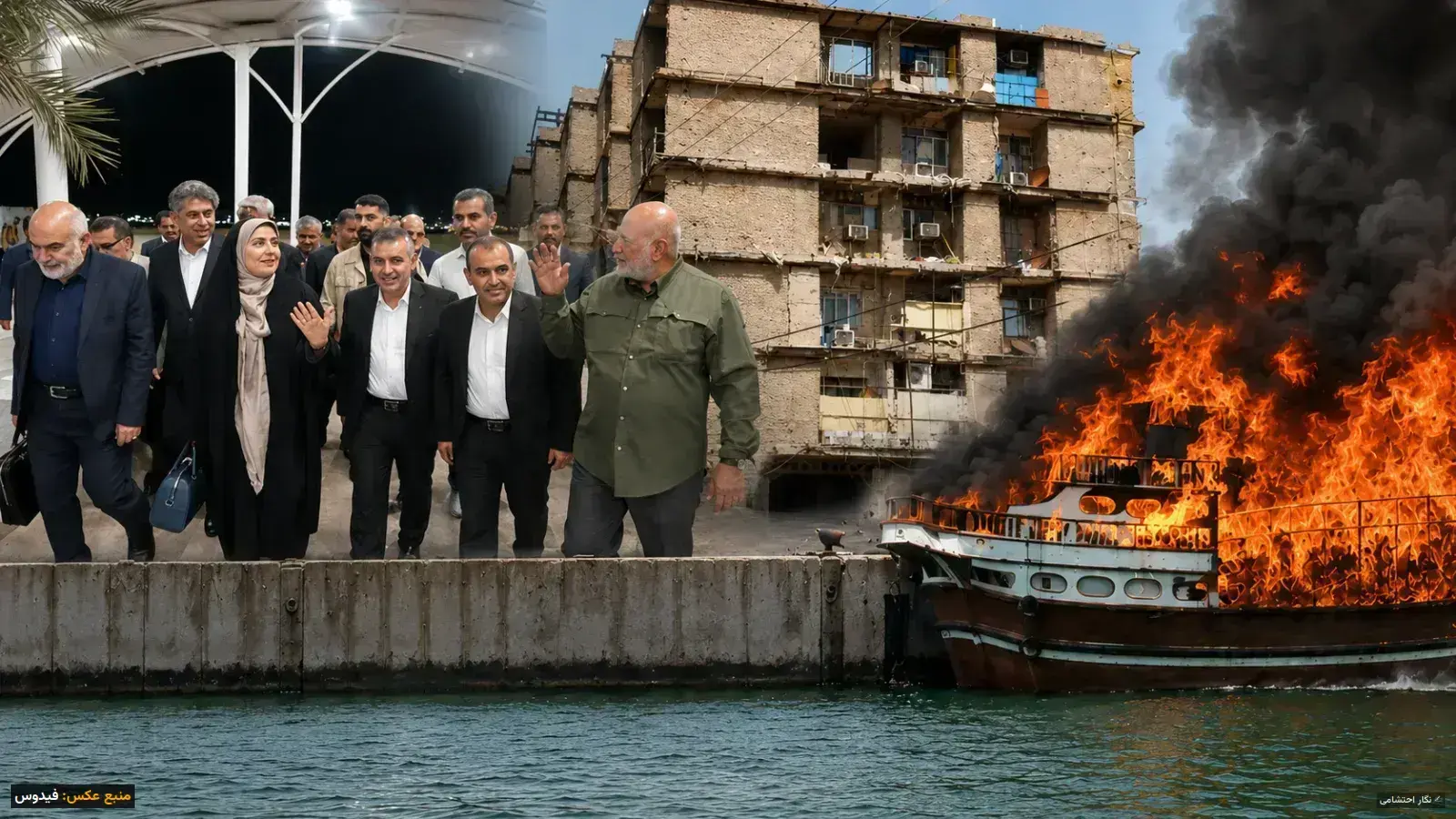
Farzaneh Sadegh's trip Minister of Roads and Urban Development to the Arvand Free Zone should not be seen as an important executive event, but rather as a new link in the chain of trips where officials come, visit, hold meetings, take photos, and leave without clarifying what exact change these costly comings and goings have made in the lives of Abadan workers, Khorramshahr businesses, or border residents. The Arvand Free Zone does not need new speeches; it needs decisions, budgets, timelines, and accountable management.
Iran's free zones are currently under simultaneous pressure from recession, investment insecurity, infrastructure decay, unemployment, reduced trade, administrative discrimination, and the consequences of war. Despite all this, the government's visible product remains travel and meetings. Ministers, deputies, spokespersons, governors, and secretariat managers arrive, and public relations release headlines about "reviewing capacities," "removing obstacles," and "emphasizing development"; however, a public report on travel costs, valid approvals, responsible agencies, execution deadlines, and their real impact on people's income and employment is usually not published. The simple question from the public is: If these trips are beneficial, where is the result invoice?
When Government Sympathy Turns into a Show
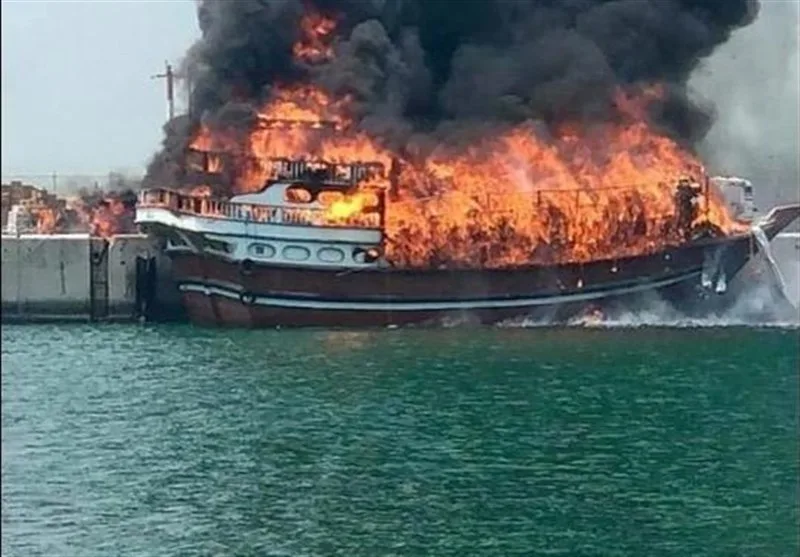
After the 40-day war, the visits of several officials to the south also revealed this gap between show and action. The presence of Fatemeh Mohajerani, the government spokesperson, among the damaged boat owners faced widespread criticism, and the published images showed the cold and apparent distrust of some people. The issue for the people was not the ceremonial sympathy; they wanted to know who would pay for the burnt boat, the destroyed dock, and the months of unemployment. General responses about resource limitations did not replace a compensation plan, and news frames did not put bread on the fishermen's tables.
This pattern has a more bitter meaning in the Arvand Free Zone. The Ministry of Labor is directly involved with employment, insurance, livelihood, and social support; therefore, the minister cannot be just a crisis visitor. Midri must clarify what measurable commitment his trip left for workers, unemployed forces, affected businesses, and families caught in poverty. How many job opportunities will be created? Which resources will be allocated for unemployment insurance? When will inactive units become operational? If the answers to these questions are not available, the minister's trip is nothing but a consumption of public funds for producing a political image.
Free Zones; Backyard of Rent and Position Distribution
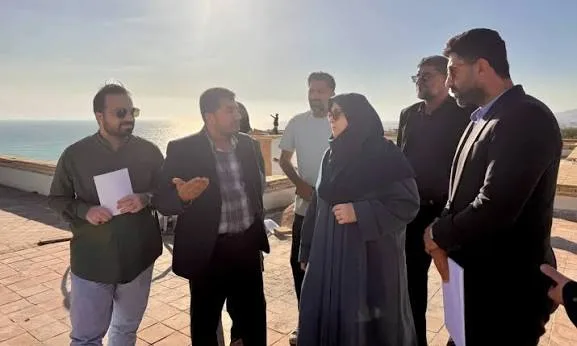
The crisis is not just a lack of credit; the issue is a structure that has turned free zones into a backyard of power, rent, and position distribution. These zones were supposed to be gateways for investment, export, and technology transfer, but in practice, they have repeatedly become fields of political appointments, non-transparent privileges, land grabbing, rent trade, and influence networks. Instead of breaking this cycle, the government has even reproduced the same logic of share-seeking in appointments. When the criteria for selecting managers are not a transparent record and an assessable plan, officials' trips will only be a cover for continuing the current situation.
The appointment of Hossein Forouzan as Secretary of the Supreme Council of Free Zones on August 5, 1405, was accompanied by promises about investment, coordination, and restoring trust. Now, more than a month has passed, but what is mostly seen is comings and goings, meetings, and the repetitive language of public relations, not a decision whose impact can be measured in the market, port, workshop, or people's homes. The secretariat must announce what exact resolution has been taken and what amount has been allocated for reviving trade, clearing corruption bottlenecks, contract transparency, appointment reform, and war damage compensation during this period.
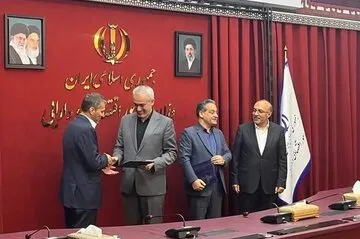
A review of the official output of the secretariat and free zone organizations also shows that a significant portion of the announced activities is dedicated to meetings, visits, explaining priorities, emphasizing necessities, and public relations programs. Meanwhile, people are waiting for the publication of an operational plan that includes budget figures, execution time, direct responsibility, and evaluation indicators. Public trust is not restored with a "new narrative"; trust is revived when citizens see the results of government decisions in increased income, the return of businesses, and reduced unemployment.
Destroyed Docks and Unanswered Livelihoods
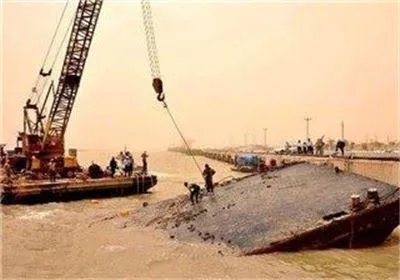
The abandoned ruins of war are a clear document of this inaction. In the free zones of Chabahar and Qeshm, damage or destruction of parts of the docks, boats, and coastal infrastructure was not just a loss of iron and wood; it deprived a chain of fishermen, sailors, porters, sellers, repairers, and families dependent on the sea economy of income. In the attacks on Chabahar, the Shahid Beheshti and Shahid Kalantari docks and the maritime traffic control tower were damaged, but a comprehensive and accessible report on the economic dimensions of the damages and the reconstruction timetable has not yet been published.
In other southern coastal areas, the damages have directly targeted people's livelihoods. For example, members of the Bandar Abbas Fishermen's Cooperative announced that at least 30 fishing boats were completely destroyed and a floating dock also sank. Despite numerous reports, a transparent and public mechanism for assessing, registering, prioritizing, and paying compensation has not yet been announced, and no responsible official has explained the exact share of the government, insurance companies, and free zone organizations in compensating the damages.
The people of the south are tired of hearing promises. They want performance reports: the amount of damage, the name of the responsible party, the source of funding, the payment deadline, and the result index. If Midri's trip to Arvand does not result in such a document, it should be considered a continuation of the same costly show that turns the crisis into a photo opportunity. Before arranging the next trip, the government must publish the result of the previous trip. Free zones do not need a caravan of officials; they need an end to corruption, accountability for rent, reconstruction of ruins, and the restoration of people's livelihoods.
As long as the government evades publishing information, every inauguration, visit, and meeting is more a reminder of the absence of governance in people's lives than a sign of presence. Arvand, Qeshm, and Chabahar are not laboratories for propaganda. The citizens of these areas have the right to know when policy will step down from the podium and reach the docks, markets, and tables.
Therefore, the key question is why the government, instead of this volume of display in the form of useless trips that only waste national capital, has not once officially apologized for the destruction of livelihoods and the economy, which results in increased suffering for the people, and replaced the current showy management with operational and tangible policies.