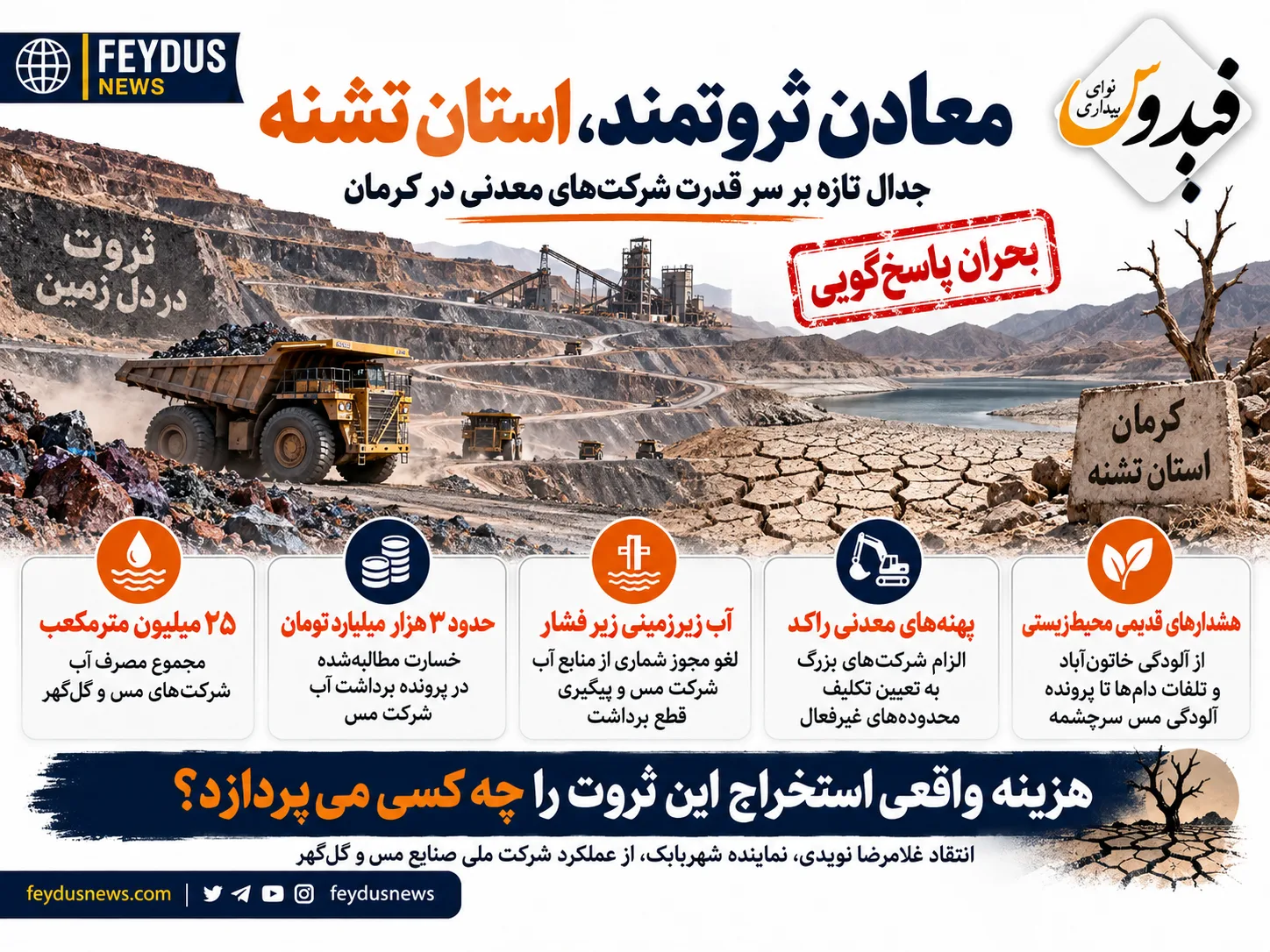
The unprecedented criticism from the representative of Shahr-e Babak against the National Iranian Copper Industries Company and Gol Gohar, alongside the dispute over groundwater extraction and stagnant mining areas, has once again raised an old question in Kerman: What is the relationship between the income from extracting one of Iran's richest mining areas and the cost paid by the residents and the environment?
In a province where massive copper, iron, and other mineral mines form part of the backbone of Iran's industrial economy, this time the criticism of major mining companies has come not from an environmental activist but from within the political structure of the Islamic Republic.
Gholamreza Novidi, the representative of Shahr-e Babak in the Islamic Consultative Assembly, exposed major industrial and mining companies, including the National Iranian Copper Industries Company and Gol Gohar, for operating in exploration and spending without sufficient attention to local consequences.
He said the performance of these companies has created problems for "people and the environment" and added that the development plans of these companies are not clear to the representatives and some plans have been "classified". From a collection of old disputes about water, pollution, social responsibility, and the exploitation of mining areas, a larger issue is being presented: the lack of transparency and accountability in the natural resource governance model of the Islamic Republic is evident.
A New Dispute; An Old History
Novidi's criticism comes just days after a report on the dispute over water consumption by Kerman's large industries was published. Hamid Alidadi-Soleimani, CEO of Kerman Regional Water Company, said the total water consumption of the copper and Gol Gohar companies is about 25 million cubic meters. According to him, the license for the exploitation of several groundwater sources by the copper company has been revoked, and the issue of stopping extraction is in the implementation stage.
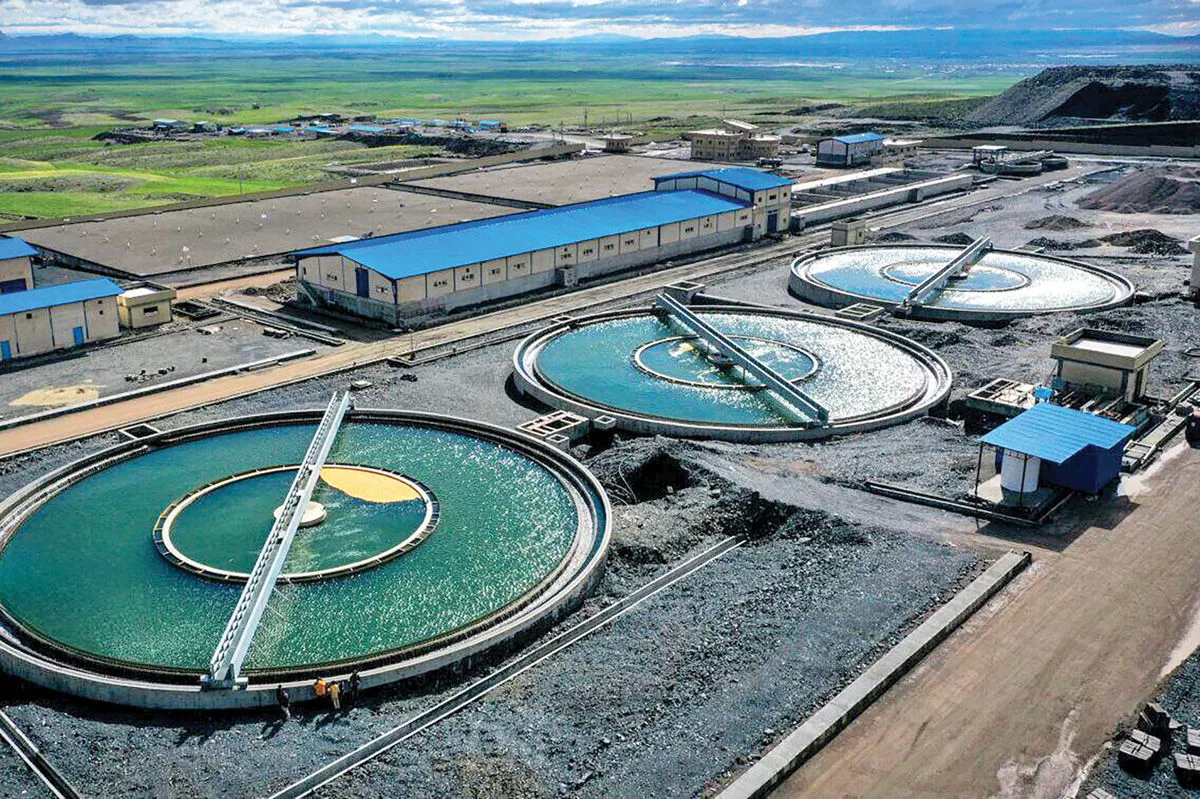
He also spoke of a demand for compensation of about three thousand billion tomans, while according to the same official, the case of Gol Gohar's wells is still under review!
In a dry province like Kerman, these figures are not just an accounting issue. Groundwater is not an unlimited renewable natural reserve, and continuous extraction beyond the recharge rate can lead to water level decline, land subsidence, and reduced resilience of agriculture and human settlements.
From Khatoon Abad to Today
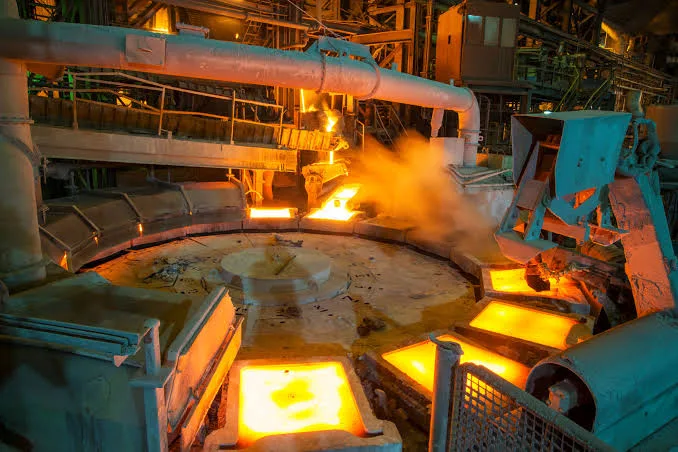
Shahr-e Babak has previously been the scene of environmental disputes related to the copper industry. Media reports from over a decade ago highlighted environmental issues at the Khatoon Abad copper smelting plant and livestock deaths in the area. Other reports indicate that the National Iranian Copper Industries Company has taken measures to reduce pollution, including equipment upgrades and environmental projects. (Asr Mardom newspaper)
In 2017, Reza Jazinizadeh, then Director General of Environmental Protection of Kerman Province, announced that a report on pollution at the Sarcheshmeh copper complex had been submitted to the Kerman prosecutor's office. At that time, he stated that the pollution problem continued.
Areas Held by Major Companies for Years
The debate is not only about pollution. Mohammad Ali Talebi, the governor of Kerman, announced in July this year that major mining companies must clarify the status of inactive mining areas under their control, and Talebi said that the province's supervisory and judicial bodies are also pursuing the clarification of these areas.
Juxtaposing this issue with Novidi's statements reveals a significant gap: On one hand, the government emphasizes increased extraction, investment, and mining revenues, while on the other hand, officials from the same structure complain about stagnant areas, water consumption, social responsibility, and the environmental impacts of major companies.
This contradiction is one of the characteristics of the natural resource management system in Iran, where the government is simultaneously the policymaker, revenue recipient, supervisor, and in many cases, a direct or indirect stakeholder in large economic enterprises. Such a structure can potentially weaken the independence of oversight.
A Question Beyond Two Companies
Novidi had previously objected to the distribution of the "social responsibility" budget of the National Iranian Copper Industries Company, calling it unfair for mining counties.
The main issue, therefore, is not just the performance of a manager or a company. The more fundamental question is whether the citizens of Iran's mining regions have public and verifiable access to information about water extraction levels, pollutants, mining contracts, government revenues, social responsibility expenditures, and environmental assessments.
The recent statements in the Kerman Mining Council are a significant indication of the accountability crisis in the management of Iran's mineral wealth: A province sitting on vast mineral reserves, yet its local officials still question water, environment, livestock damages, and the share of local communities from that wealth.
And perhaps the most important question remains unanswered: Who really pays the cost of extracting this wealth?