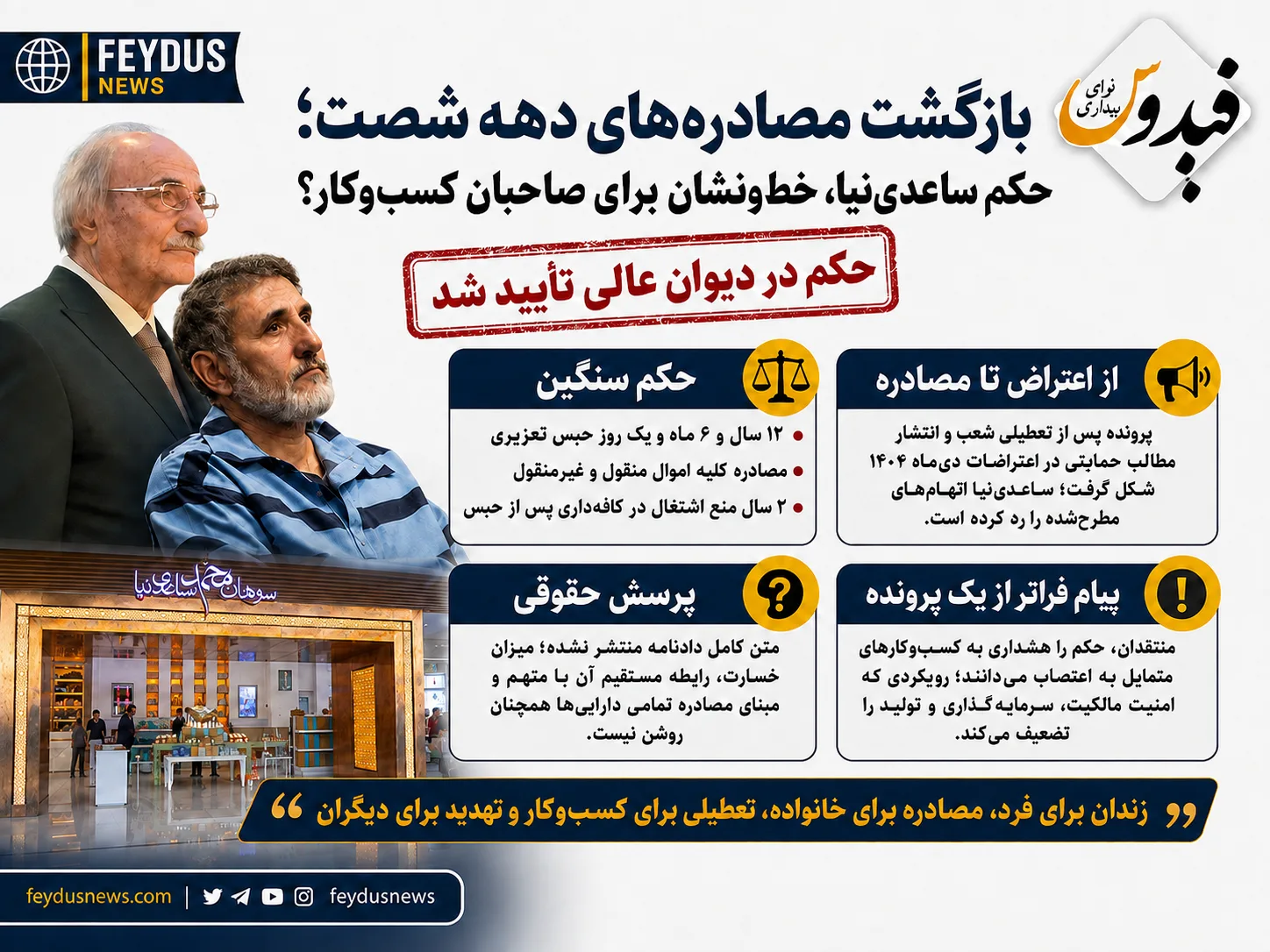
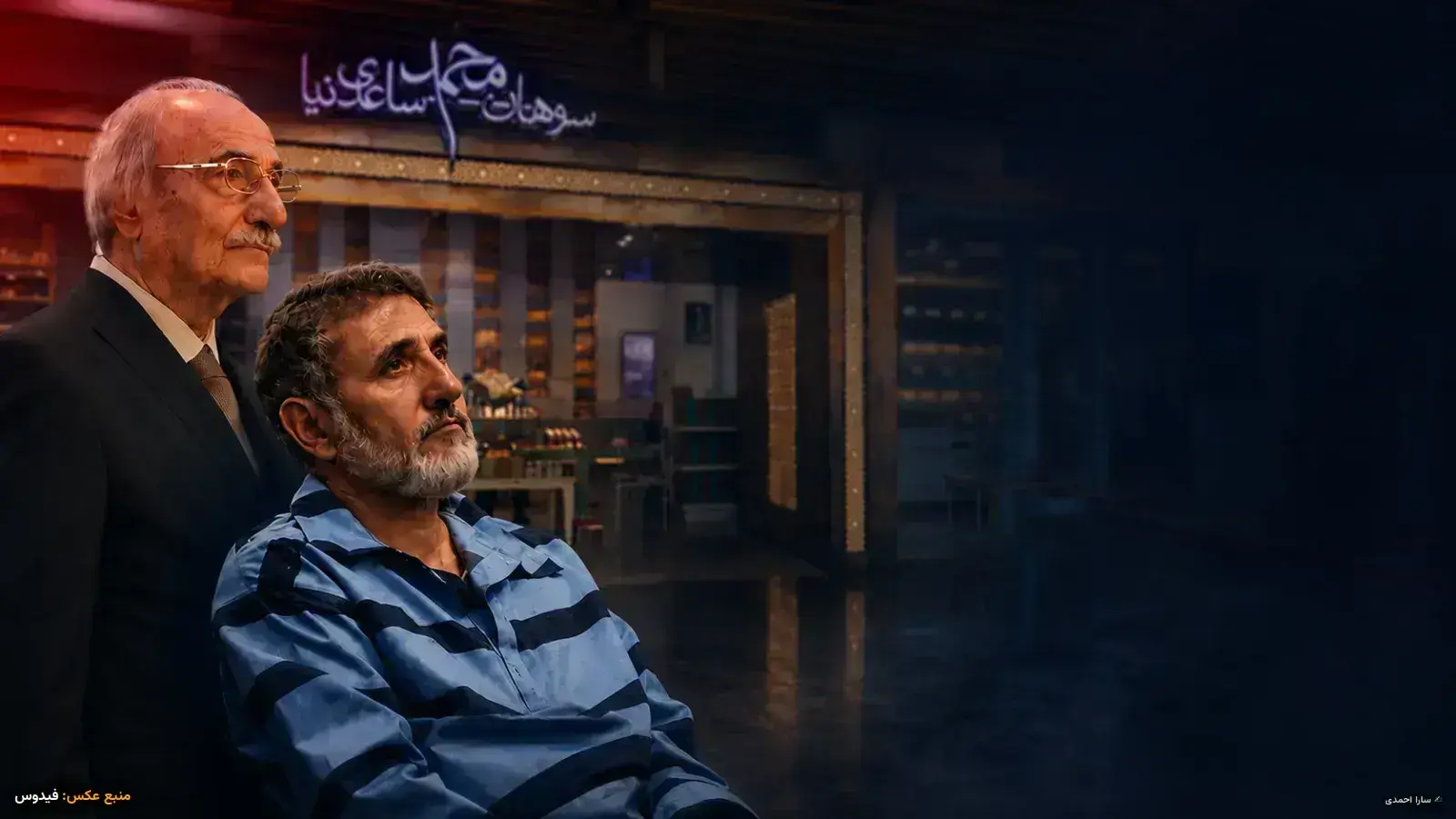
The confirmation of Sadegh Saeedi-Nia's heavy sentence in the Supreme Court cannot merely be seen as the end of a judicial case. The combination of 12 years, six months, and one day of imprisonment, confiscation of all movable and immovable property in favor of the government, and a two-year ban from working in the café industry is more reminiscent of a return to the logic of the first decade of the Islamic Revolution, rather than a punishment proportional to a few stories, closing a business complex, or supporting protest calls. During that era, the political punishment of opponents was completed with the deprivation of ownership, confiscation of businesses, and seizure of family assets.
The Judiciary Media Center announced on September 12, 2026, that the verdict of Sadegh Saeedi-Nia, the manager of Saeedi-Nia chain cafes and the son of Mohammad Saeedi-Nia, the founder of the Saeedi-Nia economic and food complex, has been confirmed by the Supreme Court. The judiciary accused him of "media and propaganda activities against national security in favor of opposition groups," practically supporting protest calls, publishing content on social networks, participating in gatherings, and closing the cafes and stores under his management. Saeedi-Nia denied these accusations in court.
From Café Closures to the Confiscation of a Lifetime's Investment
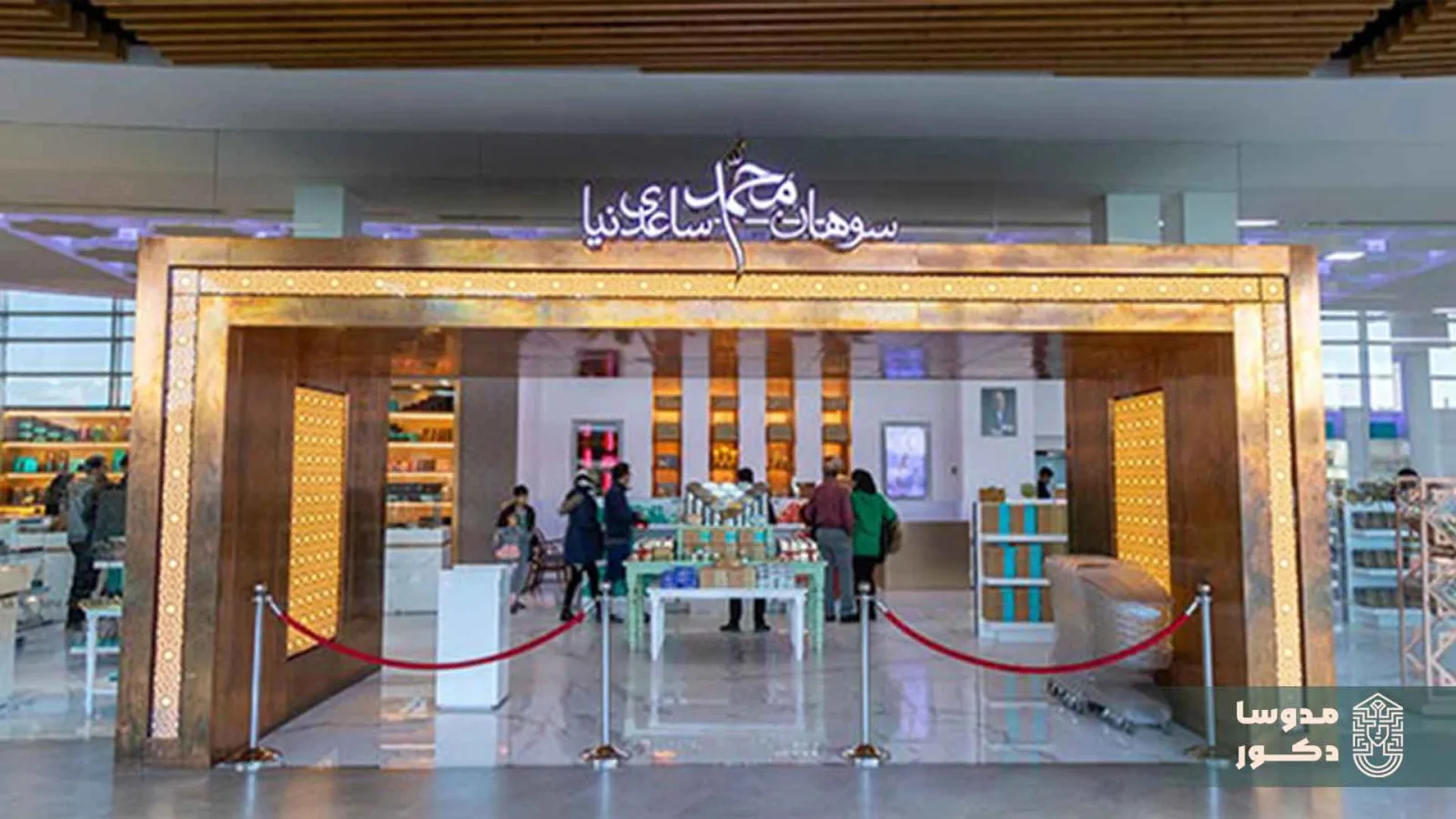
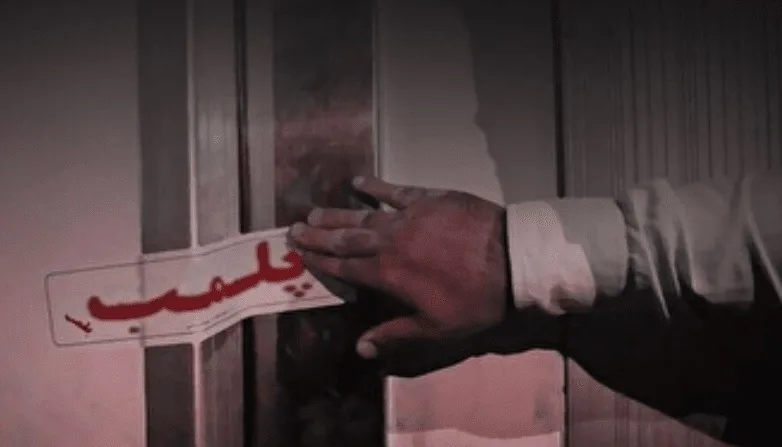
The Saeedi-Nia case began with the protests of December 2025; when entities affiliated with this brand were closed simultaneously with the protest calls on January 8 and 9, and content supporting the protests was published on their virtual pages. Subsequently, Mohammad and Sadegh Saeedi-Nia were arrested, the café and restaurant branches were sealed, and the revocation of the complex's activity licenses was put on the agenda.
Now the judiciary claims that Sadegh Saeedi-Nia was a "provocateur" in some of the events in Qom, and his employment ban was issued to compensate for the damage caused to public property. However, the official report does not explain the extent of the damage, how it was calculated, the direct relationship of the actions attributed to the defendant with any specific damage, and the legal basis for confiscating "all" assets.
These ambiguities have led the public to interpret this verdict not as compensation for a proven damage but as an economic punishment of a well-known family. The clear question is: even if all the prosecutor's claims are accepted, what is the relationship between closing a business and publishing protest content with the confiscation of all assets, which were likely acquired over years of economic activity before the mentioned events?

The "God of 1980" Returns as Judge and Confiscator
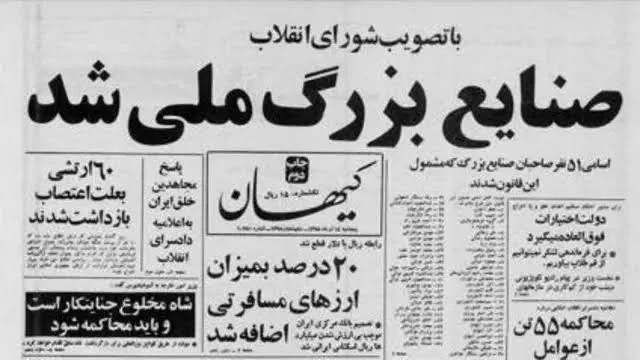
Saeedi-Nia's verdict, along with the confiscation orders of some prominent social figures' assets, recalls the phrase "The God of 2022 is the same as the God of 1980," which in the official narrative referred to the government's resilience against political crises. However, the handling of Saeedi-Nia presents a more tangible and worrying meaning: a return to the 1980s model, linking political punishment with economic confiscation.
In the first decade after the revolution, deprivation of ownership from factory owners, merchants, and entrepreneurs was not just an economic decision; it was also a tool to eliminate a social class and transfer economic resources to institutions close to power. Today, when imprisonment is combined with the confiscation of all assets and job disqualification, the message of the verdict goes beyond one defendant.
This message is addressed to the owners of stores, factories, companies, and brands that might join strikes or support protest closures during future crises: the government can target not only the manager of a complex but also his entire assets and economic future. From this perspective, Saeedi-Nia's verdict is more of a preventive measure to create fear among economic activists; especially in a situation where the possibility of business strikes and the support of professional networks for protests is one of the constant concerns of security agencies.
Heavy Sentence, But Legal Basis Still in the Shadows
Opinions about this case are not uniform. Media and officials close to the government describe the closure of Saeedi-Nia branches and the publication of calls as actions coordinated with opponents and effective in spreading unrest.
In contrast, critics argue that closing a private unit or declaring political solidarity, even if considered a crime under the laws of the Islamic Republic, cannot justify the confiscation of all assets without proving the illicit origin of the assets or a direct connection of each asset with the crime.
Article 22 of the Constitution states that property, rights, housing, and jobs of individuals are inviolable, except in cases prescribed by law. Articles 46 and 47 also respect ownership resulting from legitimate business and personal ownership. Article 49 considers confiscation applicable to illicit wealth such as usury, usurpation, bribery, embezzlement, theft, misuse of endowments, government transactions, and other illicit cases; topics not mentioned in the official summary of Saeedi-Nia's case.

Additionally, Article 500 of the Islamic Penal Code prescribes three months to one year of imprisonment for "propaganda activities against the regime." It is unclear to which other articles the court referred for the total charges in the case and the precise basis for the 12 years and six months of imprisonment.
Until the full judgment is published, it is not possible to make a definitive judgment about the court's reasoning; however, this withholding of the judgment's basis intensifies criticisms regarding the violation of the principle of proportionality of crime and punishment, the personal nature of criminal responsibility, and the separation of legitimate assets from potential crime proceeds.
Previously, legal experts had reacted to the proposal to recover protest damages from the accounts of cultural and sports figures, stating that civil liability requires proving harmful behavior, specific damage, and a direct causal relationship, and general damages cannot be imposed on individuals without specific proceedings.
Today's Intimidation; Tomorrow's Capital Flight and Production Shutdown
The Saeedi-Nia case is not isolated. After the December protests, the judiciary announced the formation of cases for 15 athletes and actors and 10 signatories of the Cinema House statement and reported that the assets of some defendants had been seized. Reports also emerged about the sealing of "Café Voria," owned by Voria Ghafouri, the seizure of his assets and accounts, and the mention of figures like Ali Daei; although not all these cases have resulted in a definitive confiscation order or have been officially confirmed. This difference between "temporary seizure" and "definitive confiscation" must be maintained, but the simultaneous targeting of economic activists, athletes, and artists with financial pressure indicates an intimidation pattern.
What the government overlooks in this context is the long-term impact of such verdicts on Iran's economy. An investor assesses ownership security before calculating profits. When assets accumulated over decades of activity can be at risk of confiscation overnight due to a political stance or protest closure, the concept of economic security practically approaches zero.
In an economy already facing capital flight, entrepreneur migration, reduced fixed capital formation, and widespread distrust, Saeedi-Nia's verdict is not just a punishment for one person; it is an unintended invitation for capital owners to leave the country and distance themselves from production. A government that sacrifices ownership security to prevent a potential strike may temporarily buy silence, but in the long run, it destroys the very economic foundation it needs for survival.
From this perspective, Saeedi-Nia's verdict provides a clear picture of the practical implementation of the slogan "The God of the 1980s is alive": imprisonment for the individual, confiscation for the family, closure for the business, and threat for others. The difference is that today's Iranian economy can no longer afford the costs of repeating the 1980s.