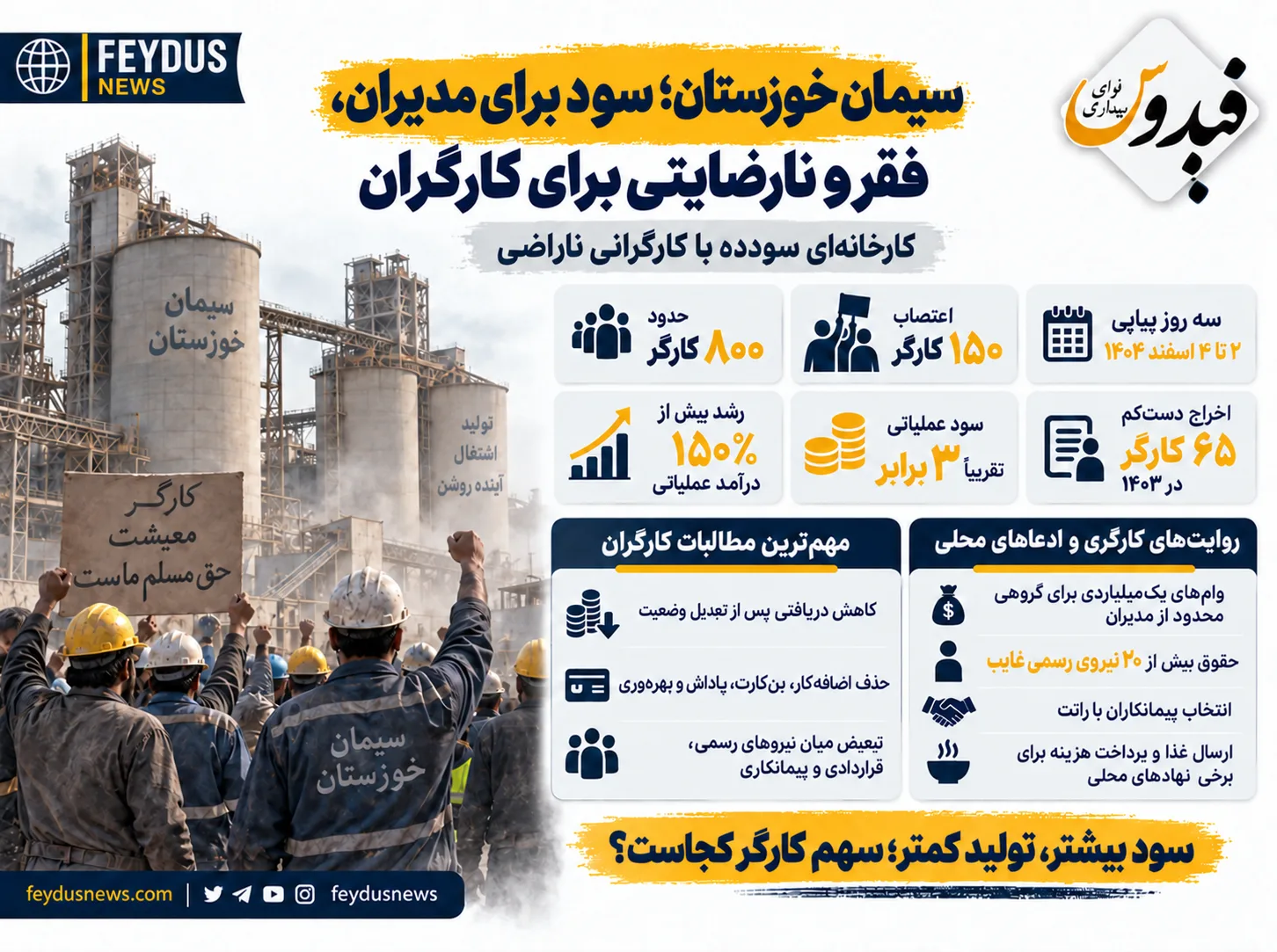
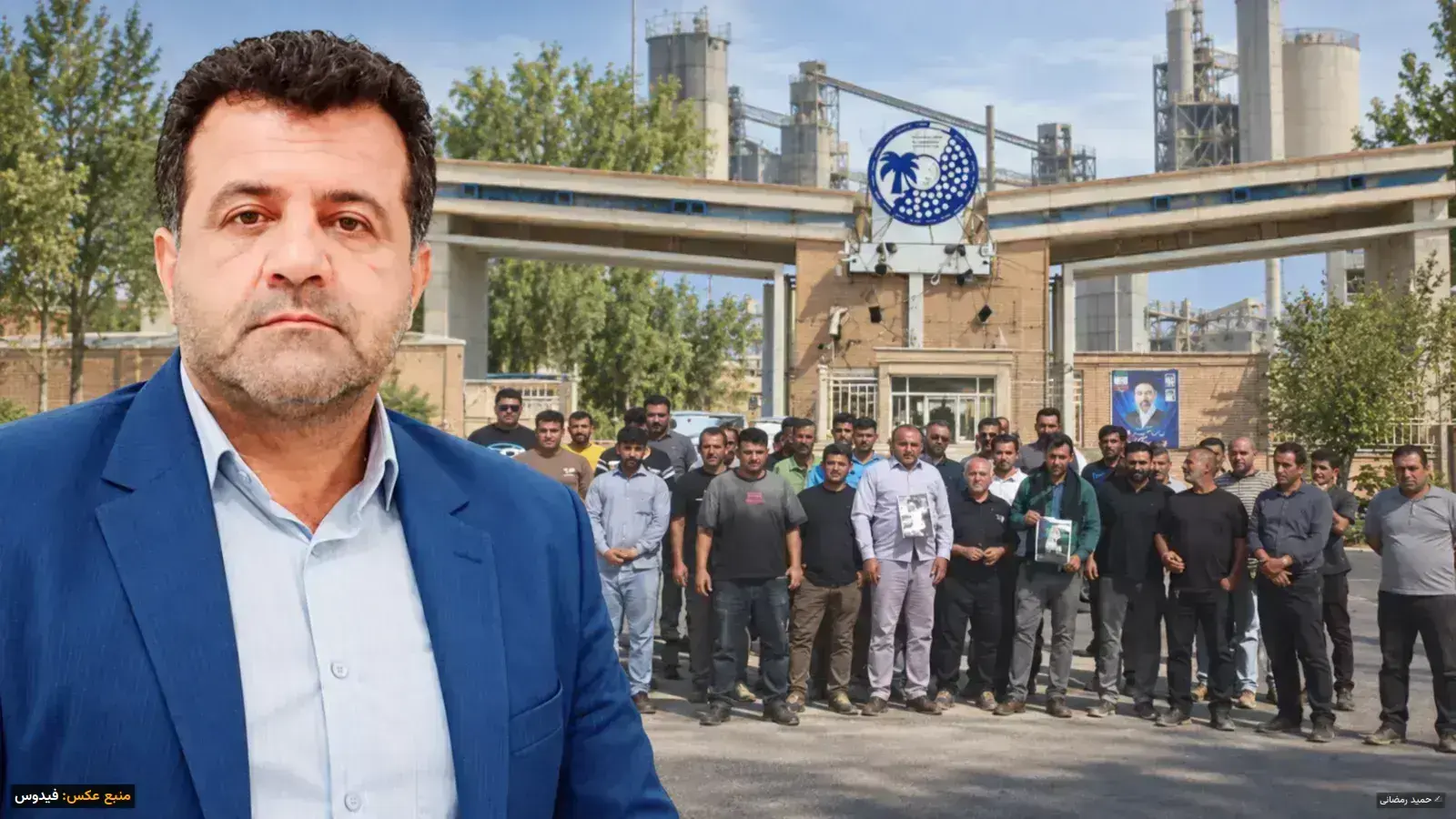
A number of Khuzestan Cement employees report increasing worker dissatisfaction and issues related to wages and benefits. They also raise concerns about the selection of contractors, large loans granted to some managers, and payments to certain local entities like the police, national intelligence, and the Ramhormoz Cooperative Office, despite having salaried staff whose activities are unclear..
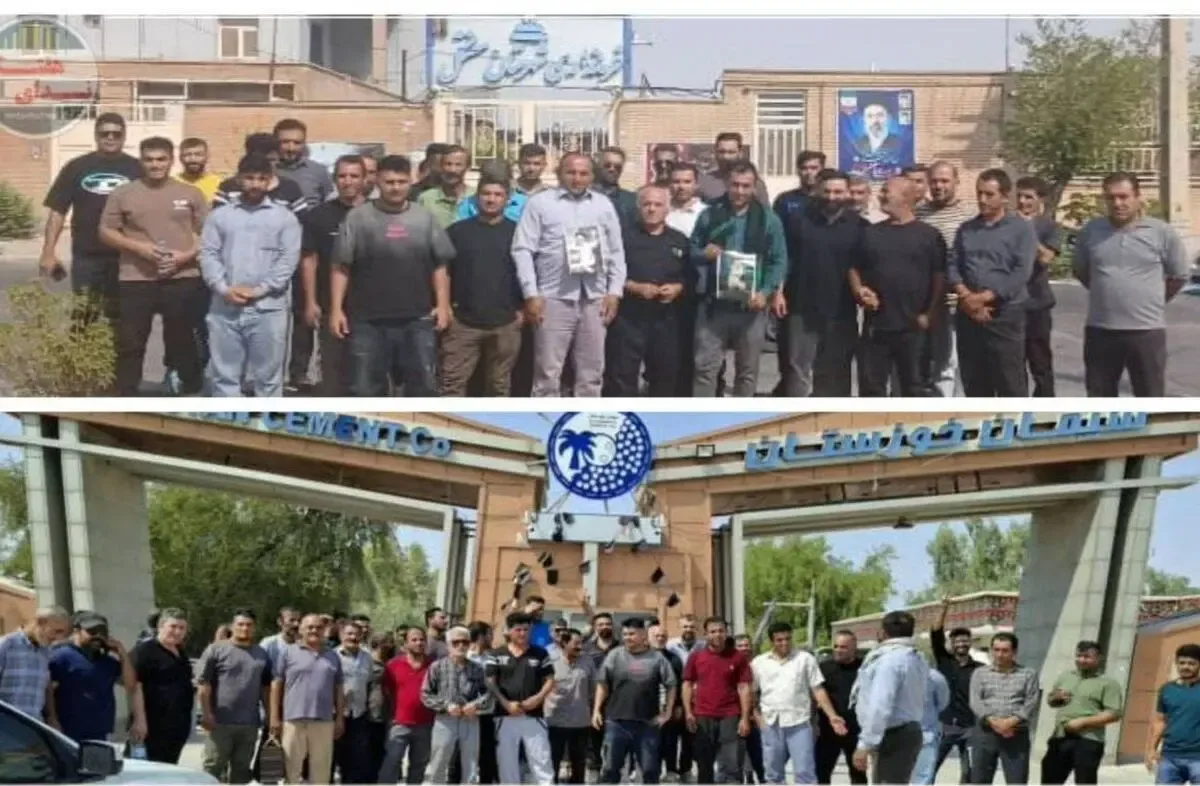
Chronic Protests, Not a Sudden Dispute
Worker unrest at Khuzestan Cement dates back to at least 1399. In June of that year, factory retirees gathered several times in front of the Khuzestan General Inspection Office, demanding payment of their overdue productivity bonuses. One report stated that the disputed claims amounted to about 20 billion tomans, and retirees announced that the company, despite a court ruling, refused to pay the claims..
More Profit, Less Production; The Gap Between Financial Statements and Worker Reality
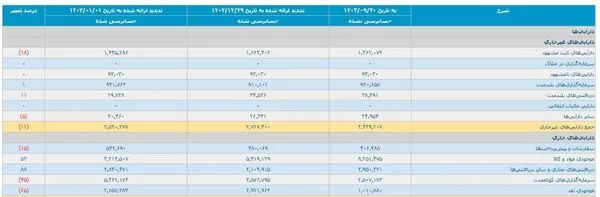
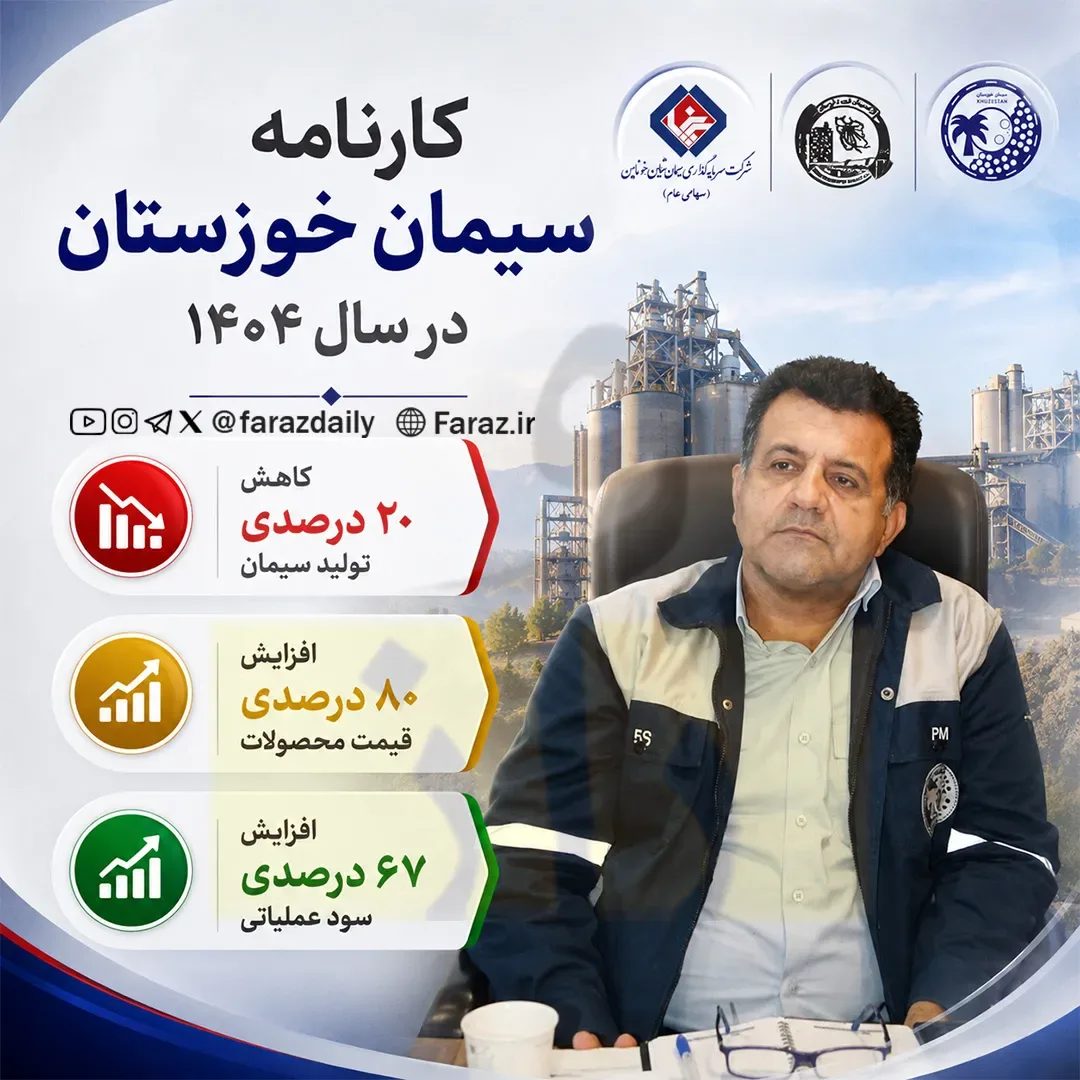
The issue reveals managerial corruption when we see that even with operational profit growth, the workers' share continues to decrease. The financial statements published from the performance of the year 1404 show a significant increase in operational profit while production has decreased. Stock exchange data shows that the company's operational revenue in the first half of 1404 grew by more than 150 percent, and operational profit nearly tripled.
However, growth that is mainly due to increased sales rates and reduced costs in worker payments has, according to Khuzestan Cement workers, intensified reduced earnings, elimination of benefits, and economic pressure in this organization. This raises the fundamental question: why, during Ali Hajatpour's management, has the company's increased income and profit been distributed only among managers and shareholders? And why must production line workers strike every two months for overtime and bonuses?
A Company in the Shasta Network; Private Enterprise or Government Arm?
Quasi-governmental ownership means minimal accountability at Khuzestan Cement, which is not considered a private enterprise in the conventional sense. Its ownership structure shows that the Cement Investment Company and its affiliates have a controlling role, ultimately linking to the Social Security Economic Organization and Shasta Holding..
This structure takes the Khuzestan Cement dispute beyond a mere conflict between worker and factory manager: part of this network's capital comes from resources whose primary duty is to serve the interests of insured individuals and retirees. However, in practice, the same "rent-seeking privatization" and "quasi-governmental enterprise" model seen in cases like Haft-Tappeh and Ahvaz Steel is repeated here, where profit is concentrated among managers and parent companies, and the cost of inefficiency falls on workers and retirees..
Cost Control Through Elimination of Workers' Basic Rights
In recent months, local sources in Haftkel and Ramhormoz have reported financial and administrative relations of Khuzestan Cement; including daily food deliveries to certain government offices like the Intelligence Office and the police, monthly contracts with police stations, and the hiring of personnel under pressure from the Labor Office, which these expenses have a direct correlation with the local authorities' silence on workers' issues.. Simultaneously, internal worker narratives speak of billion-toman loans granted to a limited group of managers, payment of salaries to more than 20 "absent" official staff, and the selection of contractors through favoritism..
Khuzestan Cement as an Example of the Structural Crisis of the Islamic Republic
Khuzestan Cement is a condensed example of the structural crisis in industrial management, manifesting as discrimination in labor and economic sectors. Nationally, numerous reports of labor strikes in oil, steel, sugar, and transportation industries paint a similar picture: temporary and subcontracting contracts, delayed wage payments, discrimination between official and contractual staff, and the systematic suppression of independent labor organizations. In Khuzestan, this crisis is intertwined with additional layers of discrimination and deprivation.
From water crisis and air pollution to marginalization and ethnic divides, the result is a cycle where each labor protest not only demands overdue rights but also challenges an unequal economic order that concentrates profit among those close to the government and places the burden on workers, retirees, and ordinary citizens..