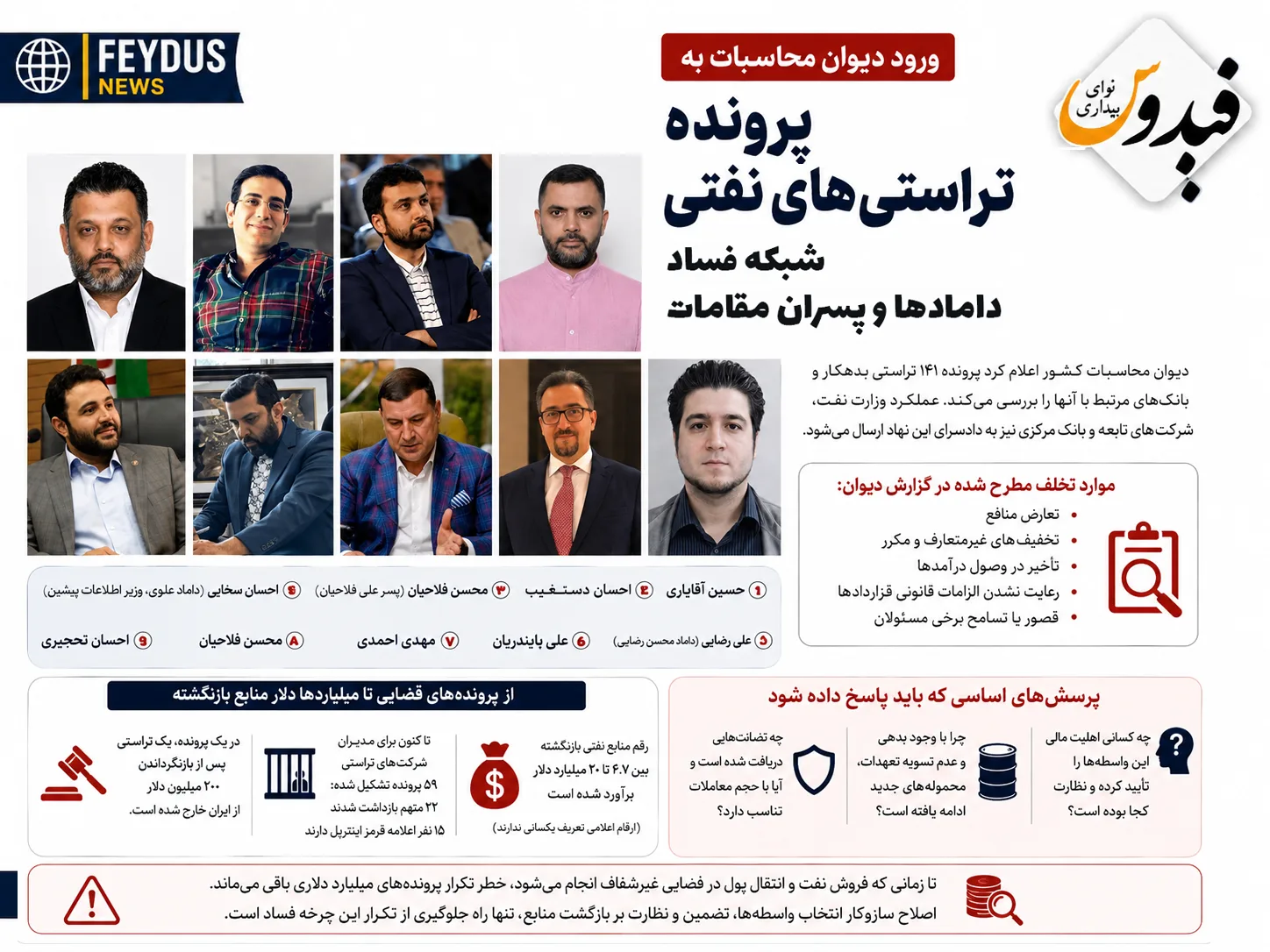
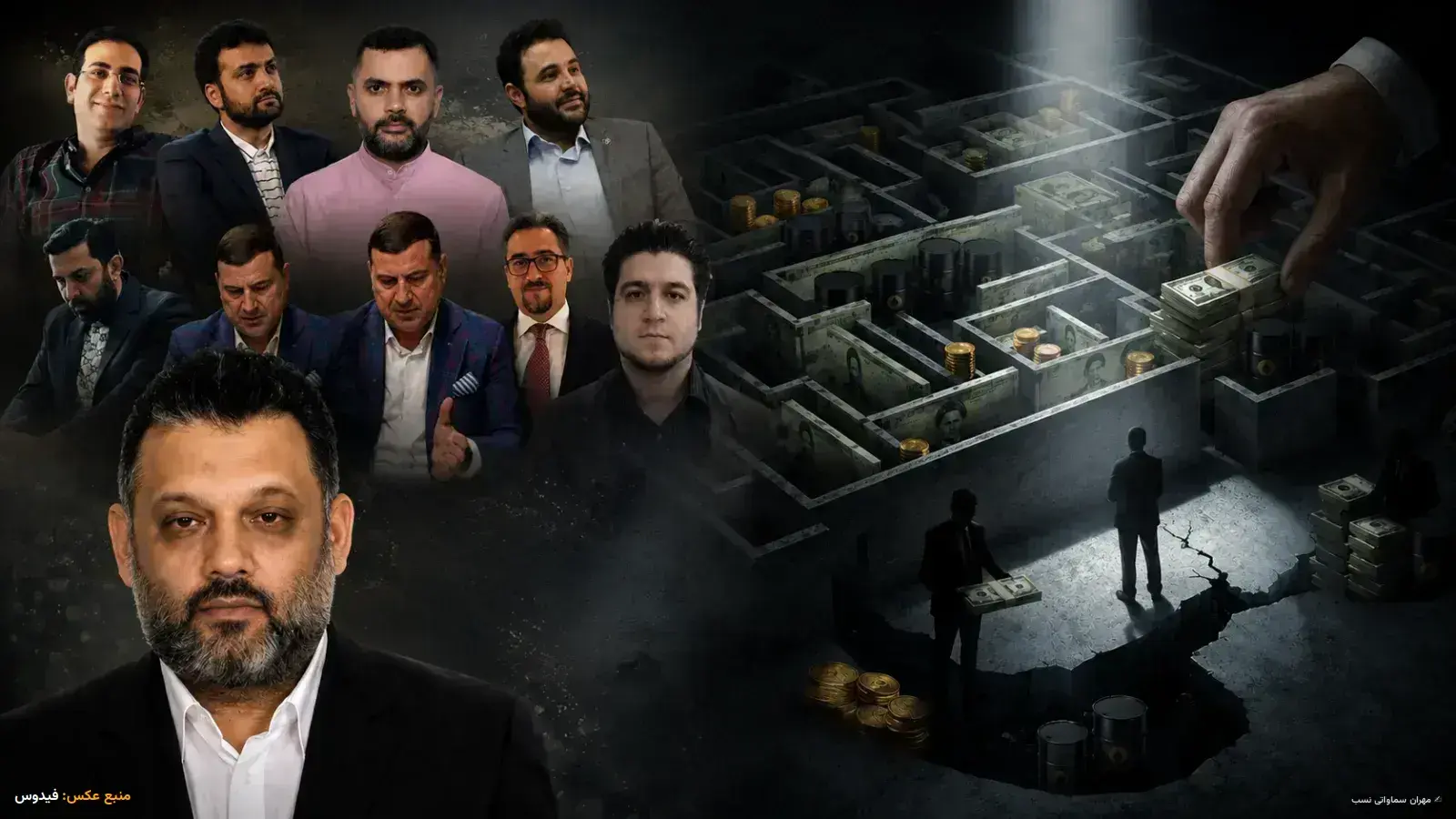
The entry of the Court of Audit into the oil trusts case has revealed new dimensions of one of the most complex financial cases of the sanction years. This network was formed to sell oil and transfer foreign exchange revenues under banking restrictions, but now it faces a multitude of debts, legal cases, and ambiguity about the selection and oversight of intermediaries.
On August 16, the Court of Audit announced that it is reviewing the cases of 141 indebted trusts and their related banks. Additionally, the performance of the Ministry of Oil, its subsidiaries, and the Central Bank will be sent to the judiciary of this institution. The Court's report raised issues such as "conflict of interest, unconventional and repeated discounts, delays in revenue collection, non-compliance with legal contract requirements, and negligence or leniency of some officials."
From Legal Cases to Billions of Dollars in Unreturned Resources
Before the Court of Audit's entry, the judiciary had also begun investigating the trusts' cases. Ali Salehi, Tehran's prosecutor, announced on July 24 the formation of 59 cases for the managers of trust companies. In 43 cases, arrest warrants have been issued, 22 suspects have been introduced to prison, and Interpol red notices have been requested for 15 people.
Zabihollah Khodaeian, head of the General Inspection Organization, stated that some trusts have violated the return of national resources, and in one case, a trust left Iran after failing to return $200 million.
This statistical discrepancy indicates that not all published figures have a uniform definition. Part of the "unresolved foreign exchange commitments" may result from registration issues or the expenditure of resources in approved paths, and therefore not all announced figures can be equated with missing or seized money.
The Network of Sons and Sons-in-Law; Who Trusted Them?
Alongside official cases, the names of individuals and affiliates of some political and economic figures have also been mentioned in media reports and social networks; claims that a significant part of which have not yet been officially confirmed. This issue once again recalls the case of Babak Zanjani.
The names of the revealed figures clearly show the connection of this network to individuals with positions and influence in the government. From the son and son-in-law of Mohsen Rezaei, the current Secretary of the Supreme National Security Council, to the son of Ali Fallahian, the Intelligence Minister of Hashemi Rafsanjani's government. From the son-in-law of Alavi, the former Intelligence Minister, to the grandson of Ayatollah Dastgheib and the brother of Taj, the President of the Iranian Football Federation.
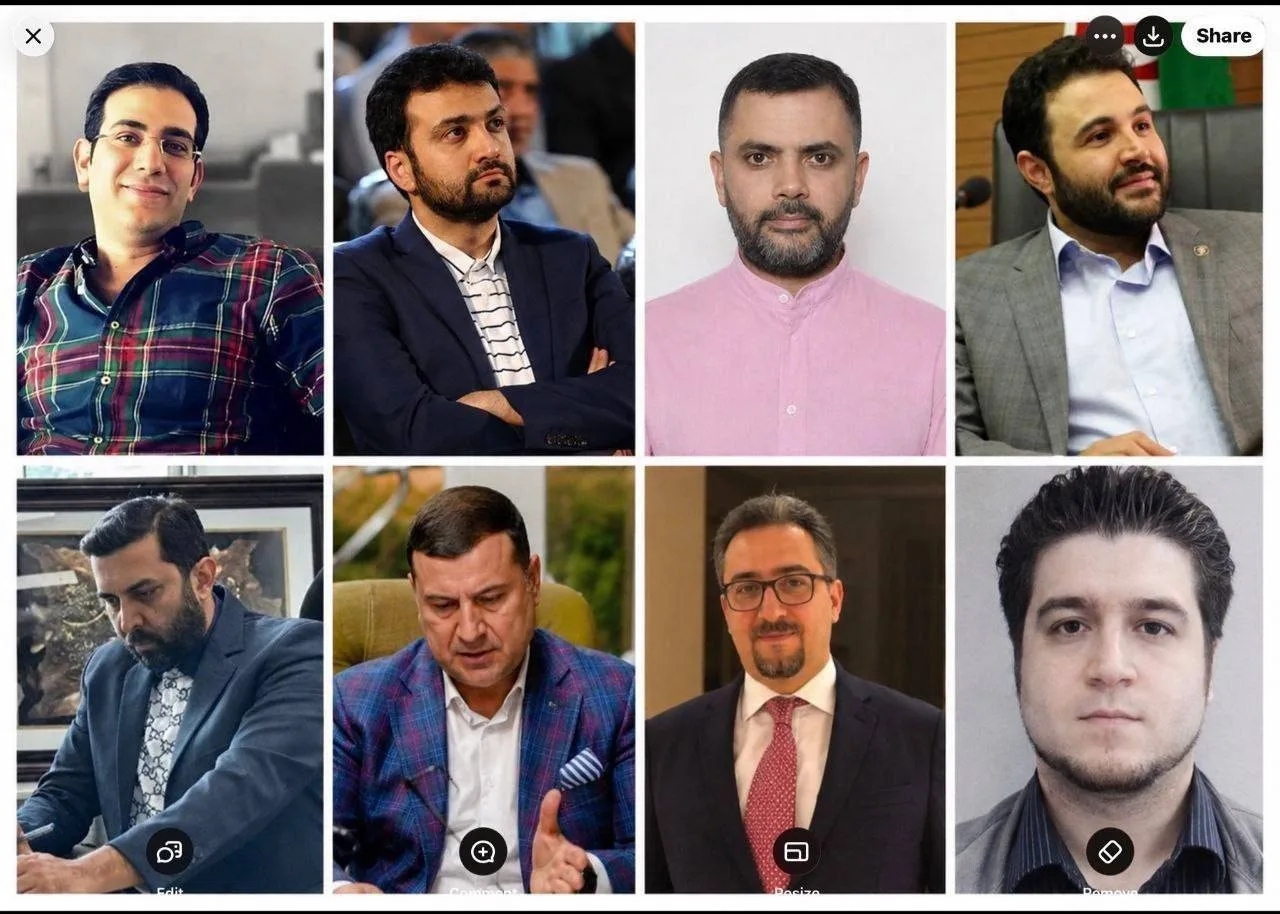
To this list, some of the facilitators of this network's activities should be added, including names like Meysam Darzinajad, manager of the Vaja Retirement Fund. Shayan, the dismissed Director-General of Fuel and Energy Vaja, who by creating networking through individuals like Ali Bayandrian, Ehsan Tahajeri, Mohsen Fallahian, Ehsan Dastgheib, Ehsan Sokhaei, Mehdi Ahmadi, Ali Rezaei Hossein Shamkhani, Hadi Mo'menin, and some other names that seem to be gradually being revealed, have taken control of this multi-billion-dollar corruption circle.
The current trusts' operational model is not exactly similar to Zanjani's mechanism, but both stem from a common issue: the limitation of the official banking network, transferring oil trade to opaque paths, and entrusting public resources to intermediaries with limited oversight.
Arash Najafi, head of the Energy Commission of the Iran Chamber of Commerce, has considered transparency and precise oversight of foreign exchange return as the most important solution and criticized the Central Bank's performance in creating this transparency.
In such circumstances, the fundamental issue is not only which trust did not return the money; it must be determined which institution approved the financial eligibility of these intermediaries, what guarantees were received, and why in some cases, despite increasing debts or unfulfilled commitments, the allocation of new shipments continued.
The Rapid Emergence of a Major Player in Oil Trade
Among the names mentioned so far regarding the trusts' case, Hossein Aghayari has received more attention than others. Hossein Samsami, a member of the Parliament's Economic Commission, publicly named him, and reports have also been published about the large volume of oil resources associated with the network attributed to him.
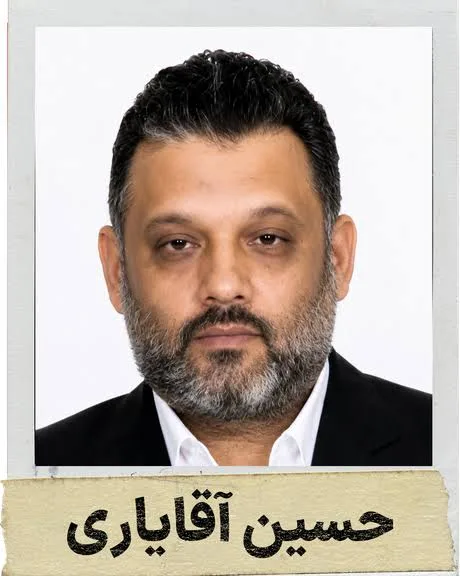
According to published information, Aghayari was born in 1982 in Tehran and holds an Iranian-Afghan passport, pursuing a significant part of his economic activities outside Iran, including in Dubai. It is said he started his work from a small exchange office but entered large-scale oil transactions in a short period. The OPS company in the field of transportation and logistics and the Vaio company in the trade sector are also attributed to him.
Some reports claim that the network associated with Aghayari has acquired about 40 oil tankers and commercial ships and received more than 90 million barrels of oil for sale in just one year. In contrast, questions have been raised about the adequacy of the guarantees provided with the volume of transactions and the continuation of deliveries despite potential debts. These claims need clarification in the official judicial and auditing process.
The main ambiguity, therefore, returns to the mechanism of entry of such individuals into the multi-billion-dollar oil trade: who approved them, and why, in the presence of unresolved commitments, was the path to receiving new shipments not blocked?
The trusts' case has once again increased pressure on the management of the Ministry of Oil and the performance of responsible institutions in selling oil and returning foreign exchange. The release of information about the connection of some suspects or intermediaries with parts of the executive structure has also led to speculation about the responsibility of senior managers, although determining the legal responsibility of individuals requires the results of official investigations.
The fundamental issue, however, goes beyond the names of individuals. Trusts are an economic product that, due to sanctions and limited access to the international financial network, has transferred a significant part of its foreign trade to informal paths. In such a structure, intermediaries with shell companies, foreign accounts, and money transfer networks effectively become part of the oil trade infrastructure.
For this reason, judicial action against a few trusts, without reforming the mechanism of selecting intermediaries, obtaining guarantees, and overseeing the return of resources, will not necessarily lead to the end of this cycle. As long as oil sales and money transfers are conducted in an opaque environment, the risk of repeating similar cases remains; the actors may change, but the environment that allows for the formation of corruption and the accumulation of billion-dollar debts will remain intact.