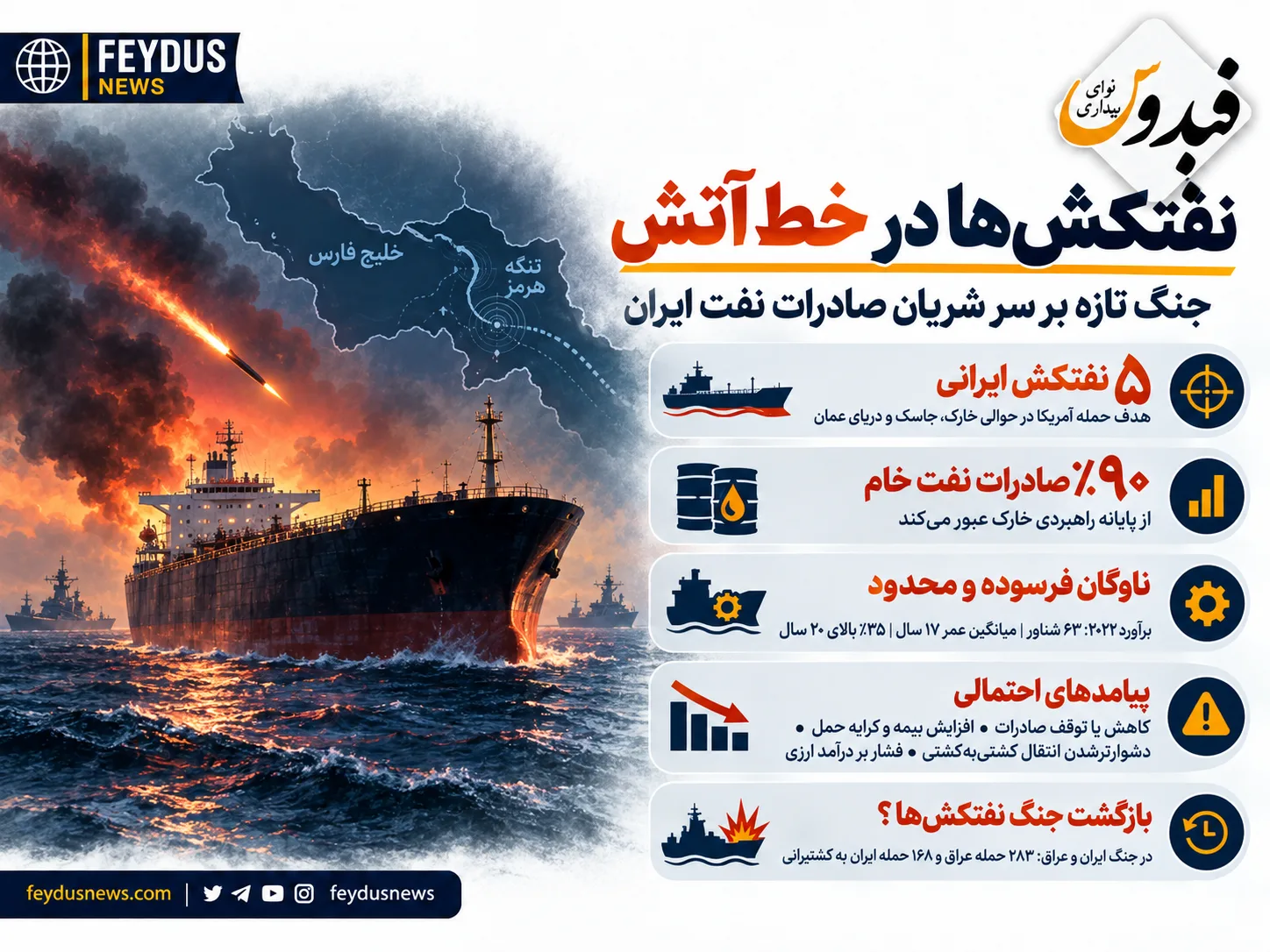
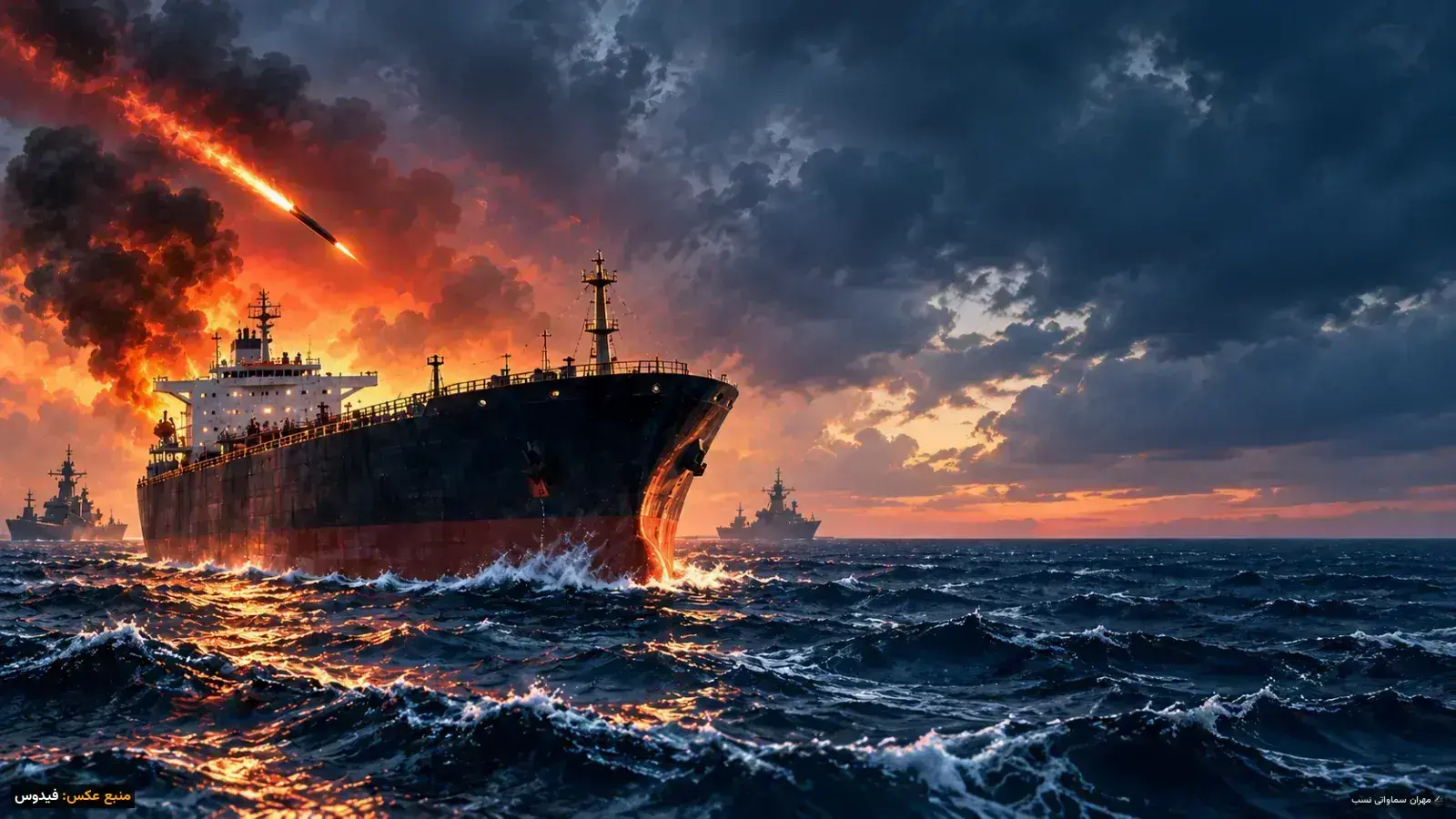
Direct U.S. attack on five tankers linked to Iranian oil exports around Kharg Island, Jask, and the Sea of Oman indicates that the maritime war has entered a new phase; a phase where the commercial fleet and the main source of foreign currency for the Islamic Republic become military targets. CENTCOM announced that it targeted these five tankers in response to the IRGC's attempt to launch a missile attack on U.S. military vessels and had given their crews the opportunity to evacuate before the attack. Iran, in turn, reported targeting two American vessels and eight tankers near the Strait of Hormuz, although no independent assessment of the damage has been released.
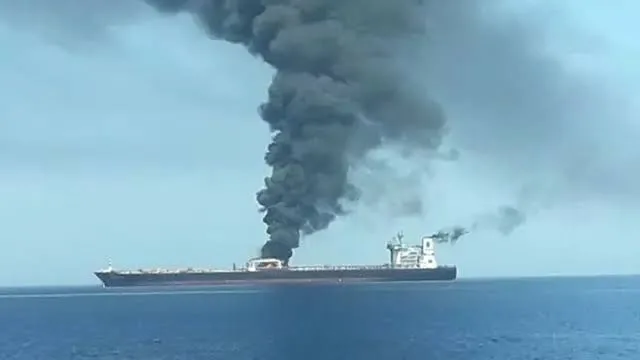
Simultaneously, the IRGC Navy warned the crews of tankers stationed at the docks and anchorages of Kuwait and Bahrain to immediately evacuate their vessels. Issuing such a warning effectively signals the potential for attacks on the energy transport infrastructure of these neighboring countries; an action that expands the confrontation from Iranian and American ships to commercial tankers and regional ports.
The significance of the recent attacks is not only in the number of vessels affected. Kharg Island is the chokepoint for Iran's oil exports, and under normal conditions, nearly 90% of the country's crude oil exports are loaded from this island's facilities. Before the escalation of the war, Iran's exports were estimated at about 1.7 million barrels per day, with nearly 1.55 million barrels passing through Kharg. Therefore, simultaneous attacks on tankers and the insecurity of the loading area can disrupt the flow of exports even without the complete destruction of the terminal.
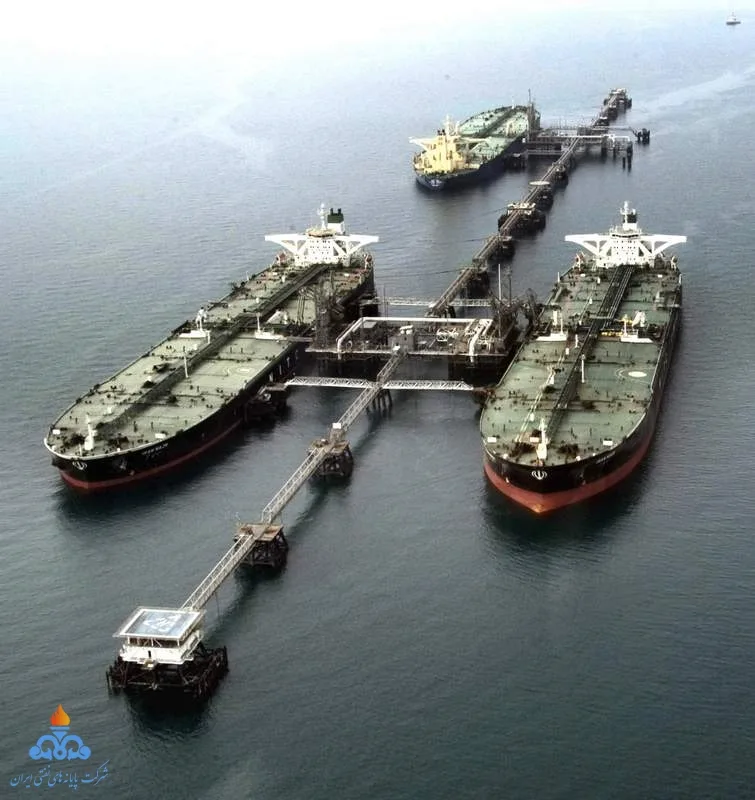
This disruption is not only due to the sinking or disabling of ships. Increased insurance costs, the reluctance of crews and maritime service companies to enter the area, the difficulty of ship-to-ship transfers, the closure of financial routes, and delays in loading reduce the actual export capacity. A few days' stoppage of tankers can also fill coastal and floating storage tanks, forcing the oil company to reduce field production in the next stage.
Iran's vulnerability increases as the country's shipping industry after years of sanctions, has limited access to reputable shipyards, parts, specialized repairs, international insurance, and financial resources. The published estimate of the National Iranian Tanker Company's fleet in 2022 indicated 63 vessels with an average age of 17 years and showed that 35% of the ships are over 20 years old. Iran has relied on a "shadow fleet" to compensate for this limitation: a collection of mostly aging tankers with multilayered ownership, changing flags, limited insurance, and deactivated automatic identification systems.
The shadow fleet has so far enabled circumventing sanctions and delivering oil to customers, especially China; however, quickly replacing tankers destroyed or grounded in military attacks is much more challenging than changing their names and flags. If the U.S. turns targeting vessels into a continuous strategy, the number of ships ready to accept Iranian oil will decrease, and the discount on sales, freight rates, and concealment costs will increase. In such conditions, a complete halt in exports is not yet a certain scenario, but a noticeable decline and destabilization are entirely possible.
Repetition of the Tanker War
The current developments clearly recall the "Tanker War" of the 1980s. Iraq began attacking ships linked to Iranian ports in 1981 and, from 1984, focused on Kharg, attempting to cripple Iran's oil exports. Iran also expanded retaliatory attacks on ships linked to Iraq, Kuwait, and Saudi Arabia. By the end of 1987, Iraq had conducted 283 and Iran 168 attacks against shipping; a trend that eventually brought the U.S. fleet and the operation to escort Kuwaiti tankers directly into the war.
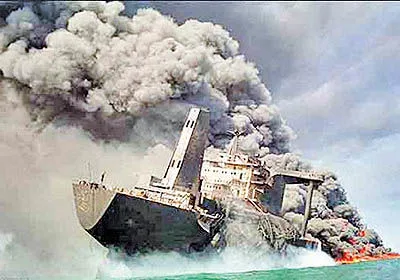
The important difference this time is that the U.S. itself is directly targeting Iranian tankers, and Iran is openly threatening the ports and ships of Arab countries. Continuing this cycle could create a war of attrition against energy arteries; a war whose first economic victim will be Iran's oil exports and the country's foreign currency income, but its impact will not be limited to Iran and will transfer to the global economy with rising oil prices, insurance costs, and insecurity in the Strait of Hormuz.