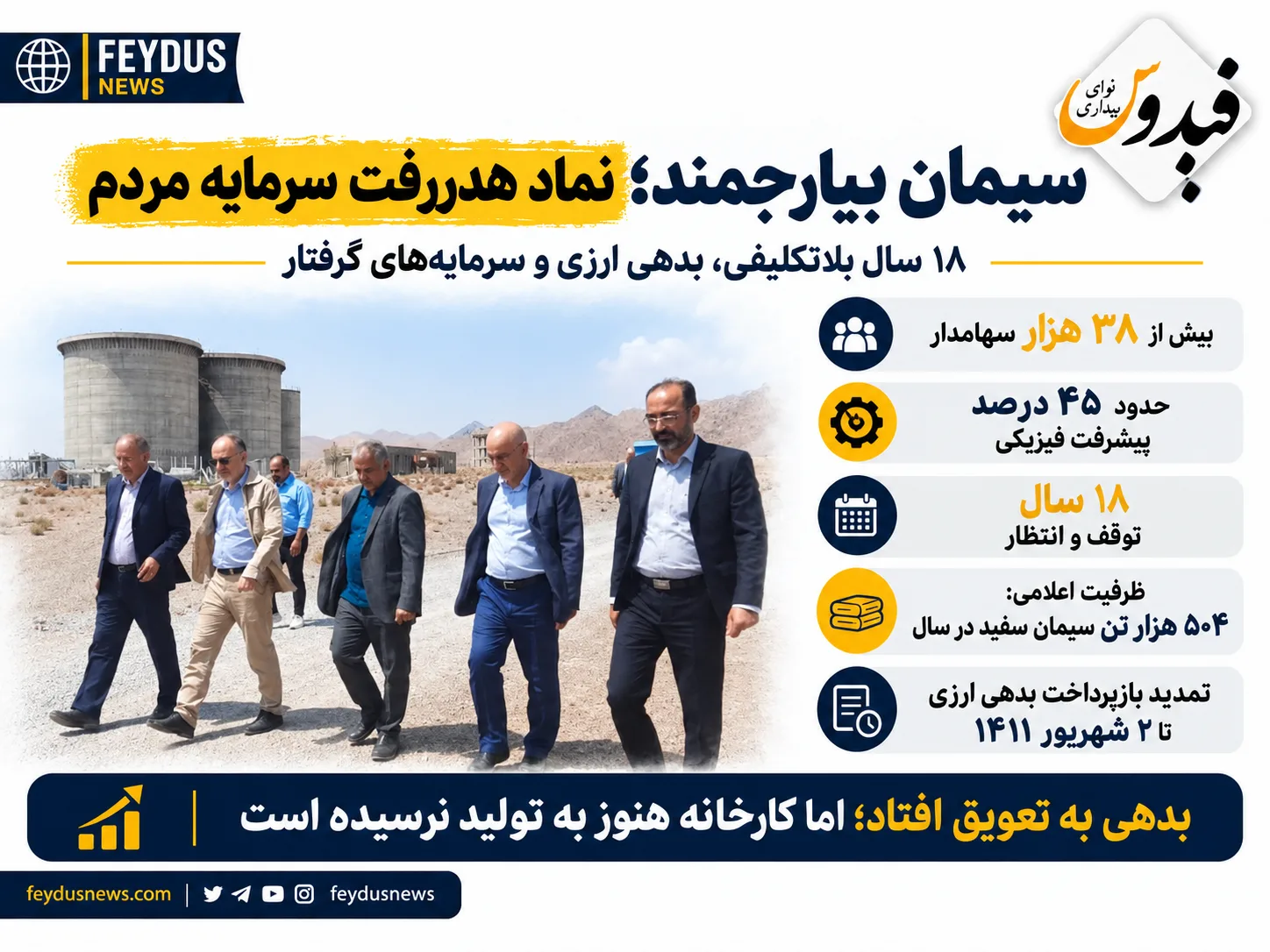
A project that was supposed to alleviate deprivation from the east of Semnan has not reached production after nearly two decades. Now, the Islamic Republic government is trying to revive a factory by deferring its foreign debt, where the capital of more than 38 thousand shareholders is trapped..
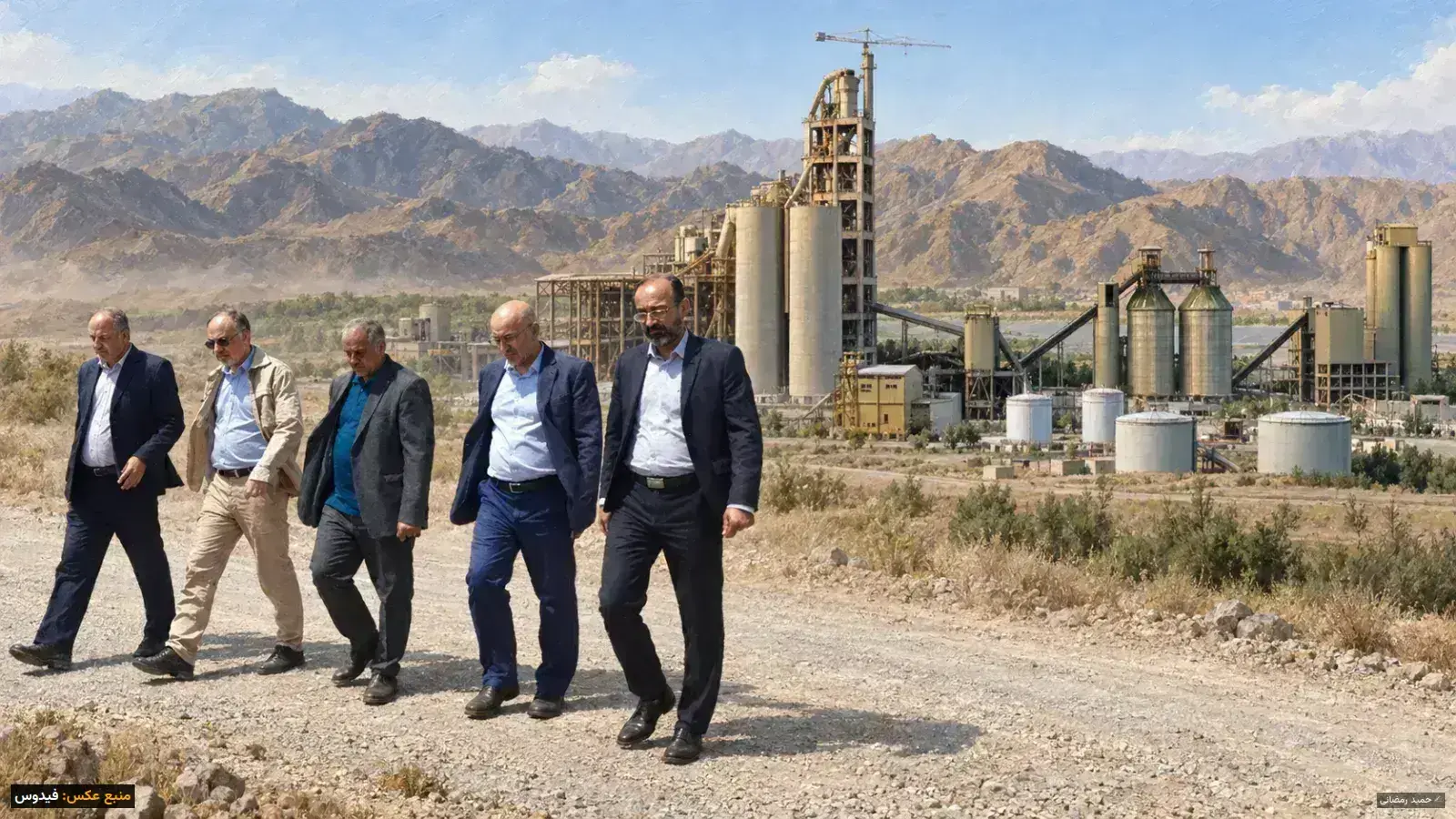
Eighteen years after thousands invested in the hope of establishing a large cement factory in Biarjmand, a project that was supposed to bring employment and development to the east of Semnan province has become one of the long-standing examples of industrial indecision in Iran..
The Biarjmand Cement factory, whose company was registered in 1385, halted after partial progress in its operations. During this time, foreign debts and bank penalties accumulated, the project was deprived of new financial resources, and the fate of more than 38 thousand shareholders became an issue that eventually involved the government, the Central Bank, the judiciary, and Shasta in the case..
The latest action by the Islamic Republic took place in Mordad 1405, when the Cabinet agreed to defer the company's foreign debt so that the debt would be removed from the overdue status and the project could once again secure financing..
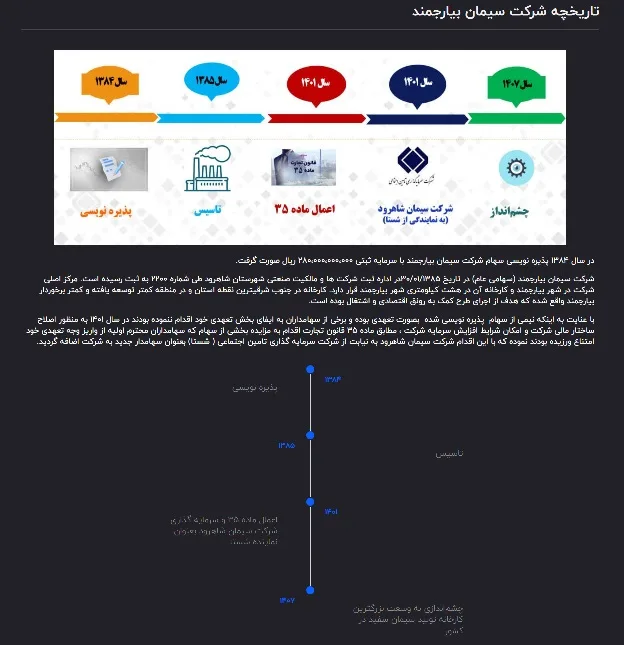
The Semnan judiciary previously announced that the project had about 45 percent physical progress and was halted after signing contracts with banks for equipment supply. Later reports spoke of 18 years of stagnation..
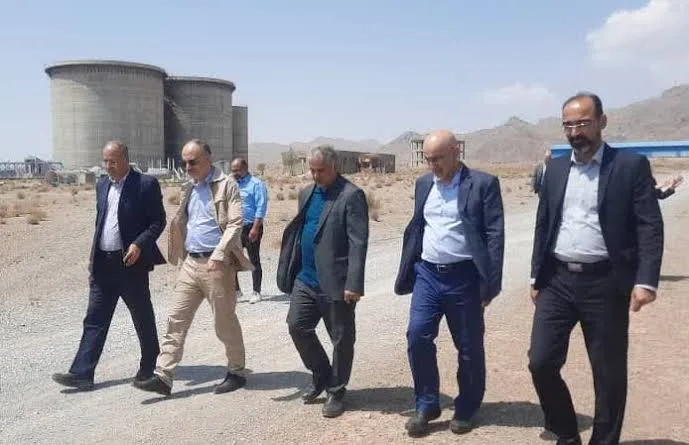
38 Thousand Shareholders and an Accumulated Debt
The social dimensions of the case become clearer when considering the number of its investors. According to official statistics, more than 38 thousand shareholders have invested in this company. Judicial officials have also acknowledged that the initial capital was raised from the public, and the ongoing uncertainty has caused shareholder dissatisfaction..
The Biarjmand cement crisis eventually went beyond a private company. The judiciary entered the case years ago, and in 1404, the first deputy of the judiciary, government representatives, banks, Shasta, and shareholders gathered to examine the company's problems..
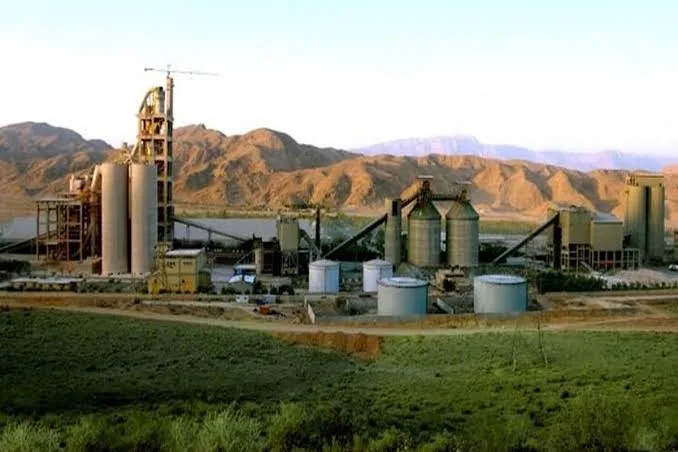
The Government Deferred the Debt
The last link in this chain was formed in the summer of 1405. After reviewing the case in the government's economic commission and meetings with the first vice president, the Ministry of Economy, the Central Bank, the Planning and Budget Organization, and the judiciary, the Cabinet agreed to defer the foreign debt..
Now, an image of a long managerial failure is presented, voiding people's capital: the capital of tens of thousands was attracted, bank and foreign facilities were received, the factory did not reach production, debt and penalties accumulated, and eventually, several governmental institutions intervened to save the project..
Now, the issue of the exact amount of capital attracted and spent over the years, the main amount of foreign and rial facilities, equipment purchase contracts, the cost of the project's 18-year halt, and the responsibility of managers who made decisions in different periods still require public transparency..
The Islamic Republic government says it has untied the main knot of the project by deferring the debt, but for the 38 thousand shareholders who have been waiting for nearly two decades, the fundamental question remains: how did a project intended to turn people's capital into a factory, employment, and production first reach debt and bank penalties and then require government, judiciary, and Shasta intervention to save itself?