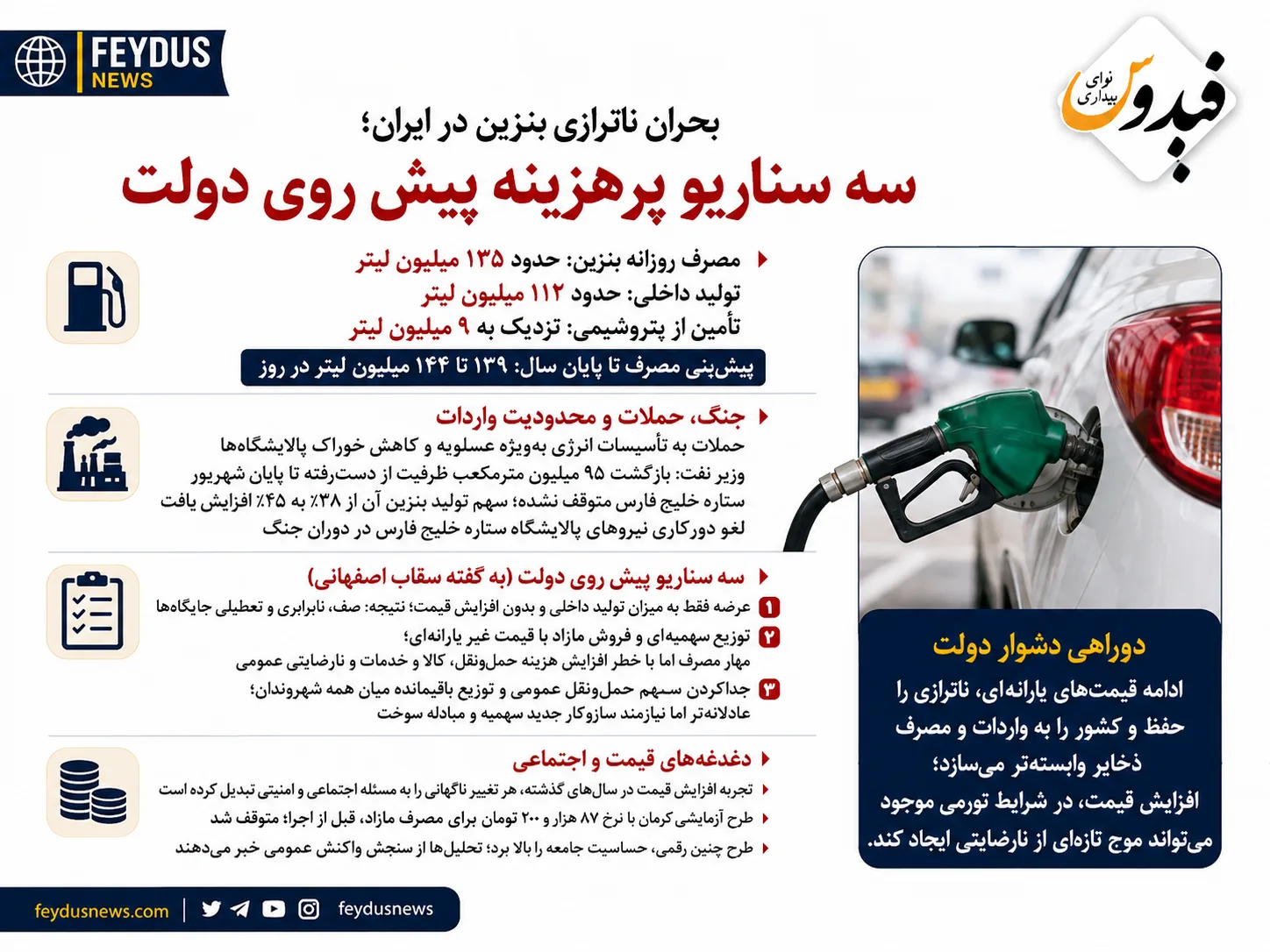
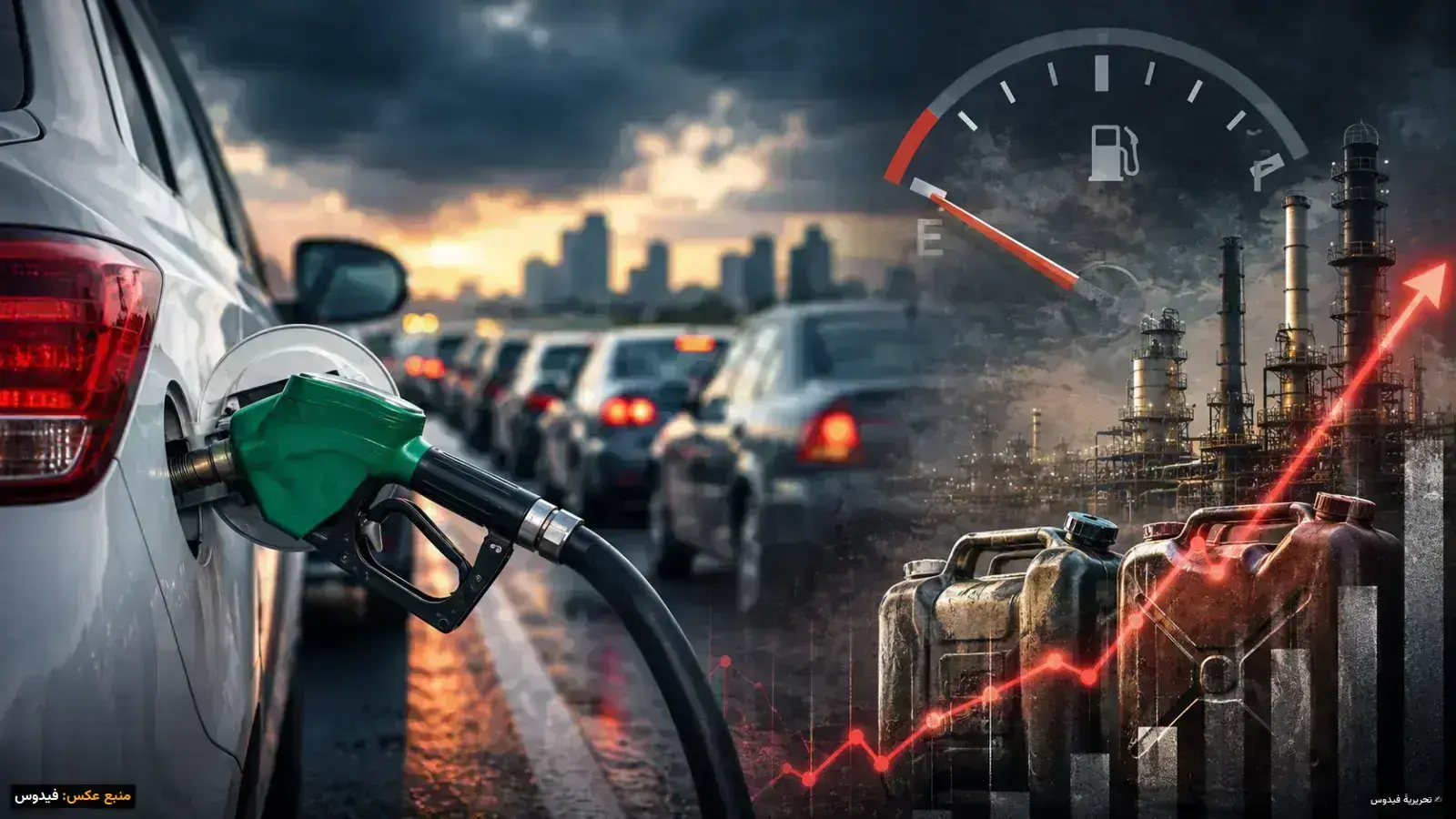
The gasoline imbalance crisis in Iran has moved beyond expert warnings, and now government officials openly speak of the significant gap between production and consumption. The latest statements by Seyed Esmail Saqab Esfahani, head of the Energy Optimization and Strategic Management Organization, show that the average daily consumption has reached about 135 million liters, while the country's refineries produce about 112 million liters of gasoline, with nearly 9 million liters supplied from petrochemical product conversions. Part of the deficit must also be compensated through imports or strategic reserves.
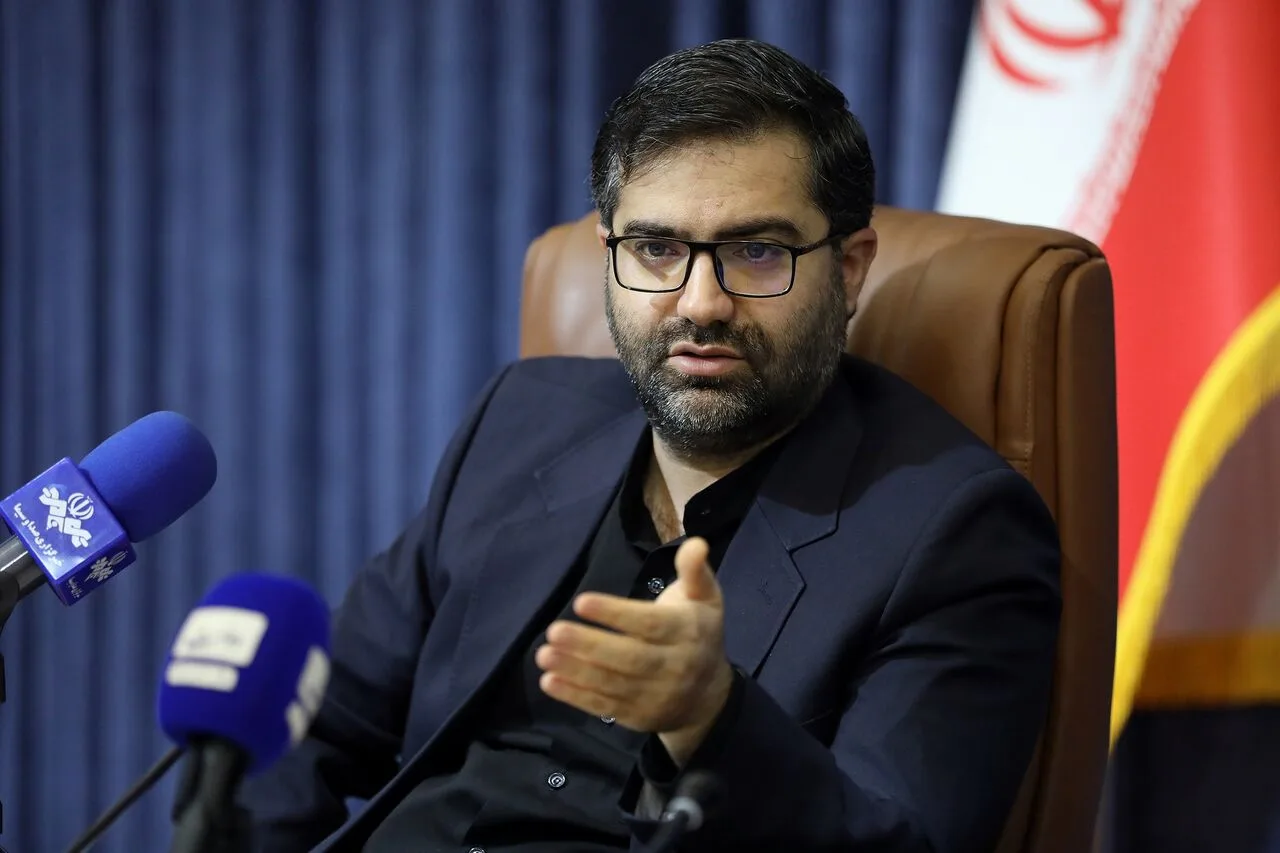
The main concern, however, pertains to the coming months. Saqab Esfahani has predicted that consumption will reach 139 to 144 million liters per day by the end of the year, while total production will remain around 121 million liters; meaning that even if current conditions are maintained, the supply-demand gap could again approach over 20 million liters per day.
War and the End of Gasoline Imports
Wartime conditions and foreign trade restrictions have complicated the issue. Masoud Pezeshkian previously stated that oil export restrictions and access to foreign currency resources have reduced the country's ability to secure the dollars needed for gasoline imports. Members of the Parliament's Energy Commission have also spoken of reduced production following the bombing of some facilities and reduced import possibilities.
Airstrikes on Asaluyeh energy facilities have also taken part of the gas processing capacity offline. The Oil Minister recently announced that about 95 million cubic meters per day of lost capacity is expected to be restored by the end of September, and the reconstruction of four damaged refineries is ongoing. This issue is significant for the gasoline market because the feedstock for the Persian Gulf Star Refinery, the country's largest gasoline producer, is South Pars gas condensate.
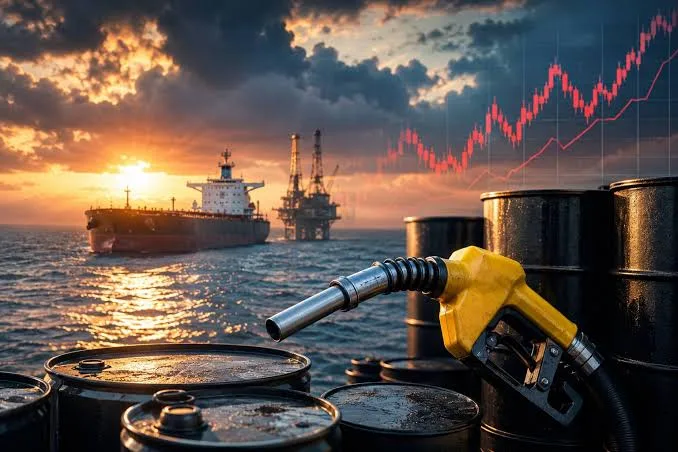
Nevertheless, contrary to some reports about reduced production at the Persian Gulf Star, the managers of this complex have announced that the refinery itself has not stopped during the war and even its share of the country's gasoline production has increased from about 38 to 45 percent; therefore, the issue should be described more precisely in terms of feedstock chain vulnerability and reduced capacity in other refining sectors, not the stoppage of the Persian Gulf Star.
The importance of this gasoline production unit's activity is such that even amid the war, remote work for its staff was canceled so that this complex could compensate for the gasoline shortage as much as possible.
Costly Government Scenarios
In such circumstances, Saqab Esfahani's recent remarks on television have practically exposed the government's difficult choice. The first scenario is to supply gasoline only to the extent of domestic production without a price increase. The probable result of this option, according to him, would be the formation of queues, the closure of stations after stock depletion, and inequality in access.
In the second scenario, a specific amount of gasoline is distributed among vehicles, and consumption above the quota is sold at a non-subsidized price, commensurate with supply or import costs. Although this option could curb consumption, it carries the risk of transferring increased fuel costs to transportation, goods, and services, thereby intensifying public dissatisfaction.
The third scenario involves separating the public transportation share and then distributing the remaining gasoline among all citizens instead of just vehicle owners; a model the government considers fairer from the perspective of 47 percent of the population without vehicles, but its implementation requires the creation of a new quota and fuel exchange mechanism.
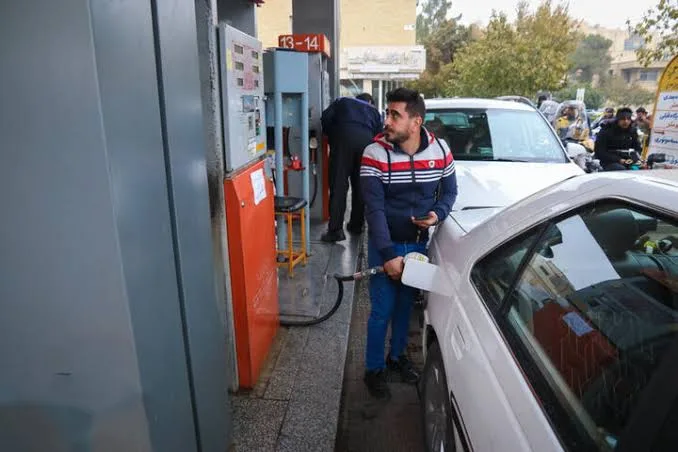
For the government, the gasoline issue is not merely an economic equation. The experience of price increases in recent years has turned any sudden price change into a social and security issue. Even reports from media close to the government emphasize that price reform without public persuasion and consumer support could create a heavy social cost. In Parliament, it has also been said that despite the government's legal authority, concern over living pressure is one reason for opposing further price increases in the current conditions.
As a result, the government faces a difficult dilemma: continuing subsidized prices maintains the imbalance and makes the country more dependent on imports and reserve consumption; price increases could trigger a new wave of dissatisfaction in the current inflationary conditions.
The story of the Kerman pilot plan highlighted the sensitivity of this issue. It was supposed that in 204 stations in Kerman province, non-subsidized gasoline would be offered at a full cost rate of 87,200 tomans. The spokesperson for the Parliament's Energy Commission said that in this model, cheap quotas would be maintained, and the rate of 87,200 tomans was considered for excess consumption; however, the plan's implementation was halted.
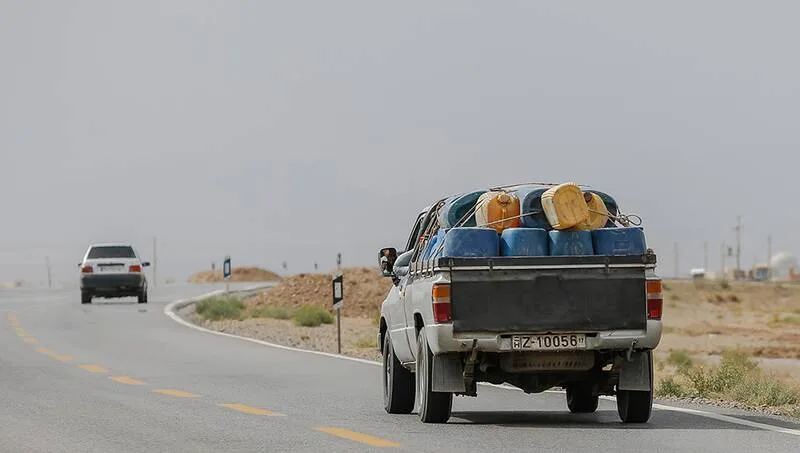
Proposing such a figure, even if its official aim is to display the real cost or combat smuggling, has created a new ceiling in public opinion for the gasoline price debate. Some analyses have also interpreted the proposal of the 87,000-toman rate and the quick retreat from its implementation as a kind of test of society's reaction.
However, for the specific claim that the government intends to eventually price gasoline in the range of 25,000 to 35,000 tomans after proposing the 87,000-toman figure, no credible and direct document was found. Therefore, such an interpretation should currently be presented as a speculation or political-economic analysis, not a definitive government decision.
What seems more certain is that the government can no longer ignore the gap between the 135 million-liter consumption and domestic production. The gasoline issue has now evolved from a chronic production-consumption gap to a costly choice. The government must either bear the financial cost of imports and deficit supply or transfer part of the cost to the consumer through consumption restrictions and rate increases; two paths, each of which could have wide-ranging economic and social consequences.